




Introduction
Artificial insemination introduces semen into a female animal’s reproductive tract.
This process aims to achieve fertilization.
However, the technique also raises concerns about animal welfare.
Benefits of Artificial Insemination in Animals
- Increased genetic diversity
- Improved breeding efficiency
- Disease control
Artificial insemination has changed animal breeding practices.
It provides benefits that traditional breeding methods cannot match.
These advantages include genetic diversity, breeding efficiency, and disease control.
Increased Genetic Diversity
Breeders can use semen from elite sires across geographical locations.
This approach introduces new genes into herds.
Consequently, animals may become healthier and more resilient.
Improved Breeding Efficiency
Breeders can select sires for specific traits.
These traits include milk production, meat quality, and disease resistance.
Therefore, targeted selection can accelerate genetic progress and produce superior offspring.
Disease Control
Breeders can use semen from disease-free sires.
This practice reduces the risk of transmitting genetic disorders or infectious diseases through natural mating.
Thus, it supports the health and welfare of livestock.
Welfare Concerns During Artificial Insemination
Artificial insemination can create welfare concerns during handling, semen collection, and insemination.
These concerns include stress, discomfort, injuries, and possible psychological effects.
Handlers should protect animal well-being through careful procedures and prompt responses to distress.
Stress and Discomfort During Handling and Semen Collection
Handling and semen collection may cause stress or discomfort, particularly when animals lack experience with these procedures.
The process can feel invasive and may increase anxiety.
Animals may become agitated, fearful, or aggressive during the procedure.
Therefore, handlers should reduce stress and keep animals as comfortable as possible.
Potential Injuries During the Procedure
The procedure may expose animals and handlers to accidental injuries.
Large or agitated animals can make semen collection more difficult and hazardous.
Proper safety protocols and suitable restraint can reduce these risks.
Handlers should address distress or possible harm immediately to prevent complications.
Psychological Effects on Animals
Artificial insemination may disrupt natural mating behaviors and social interactions.
Unfamiliar procedures can leave animals confused or stressed.
Handlers should consider these psychological effects before, during, and after treatment.
Providing care, support, and attention can help reduce stress and promote welfare.
Artificial insemination offers breeding and genetic advantages, but welfare remains essential.
Ethical practice requires protocols that limit stress, injuries, and psychological harm.
This approach supports responsible use of the procedure.
Explore Further: Innovative Programs Led by 4-H Youth Agents
Impacts on Natural Mating and Breeding Programs
Artificial insemination can disrupt mating instincts that animals developed through long-term evolutionary adaptation.
These instincts often guide species-specific rituals that support reproduction and social interaction.
Bypassing those rituals may alter how animals express natural mating behaviors.
- Disrupted natural mating instincts and behaviors
- Changed herd or flock social dynamics
- Reduced genetic diversity and increased inbreeding risks
Moreover, artificial insemination may change social dynamics within a herd or flock.
Natural mating can help animals form social bonds and establish group hierarchies.
When breeding bypasses these interactions, social structures may shift and conflicts may arise.
Transform Your Career Today
Unlock a personalized career strategy that drives real results. Get tailored advice and a roadmap designed just for you.
Start NowBreeding programs also require careful attention to genetic diversity over time.
Extensive reliance on artificial insemination may reduce diversity within a population.
Consequently, reduced diversity can increase inbreeding risks and related genetic health problems.
Breeders and animal welfare organizations should therefore assess reproductive methods holistically.
Such assessment can support animal well-being while protecting long-term breeding outcomes.
Discover More: Top Environmental Laws Every Scientist Should Know
Ethical Considerations in Animal Reproduction
Ethical analysis shapes how people understand artificial insemination and animal welfare.
These discussions examine reproduction, animal agency, and differences between assisted and natural breeding.
Together, these issues guide standards for responsible use of reproductive technologies.
Moral Questions About Reproductive Intervention
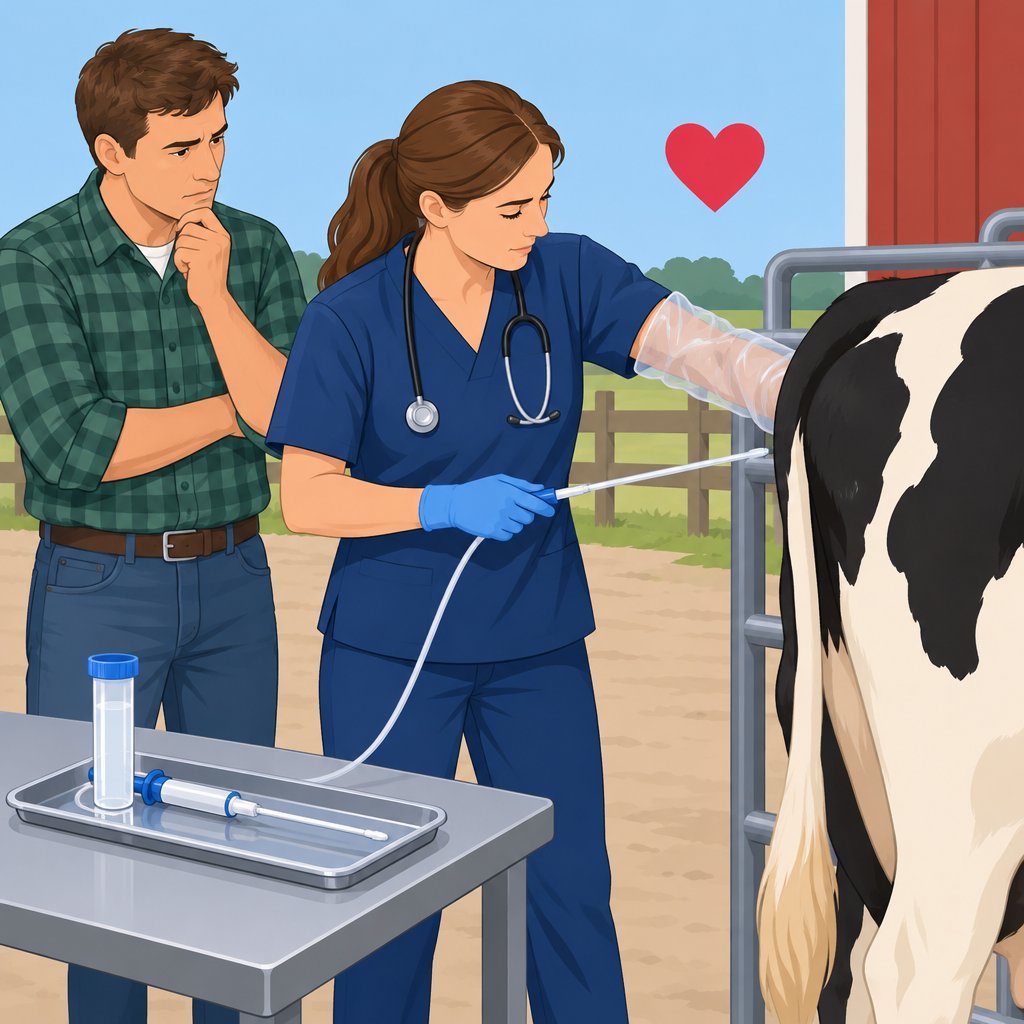
Artificial insemination raises moral questions about human control over animal reproduction.
Supporters consider the technique useful for making deliberate breeding decisions and supporting animal health.
Critics question whether human control can justify the procedures used.
Animal Autonomy and Agency
Animal autonomy and agency remain central concerns in the breeding process.
Some observers argue that artificial insemination limits natural behaviors and reproductive choices.
Breeding programs should therefore protect animal well-being while respecting these concerns.
Comparing Artificial Insemination With Natural Breeding
Comparing artificial insemination with natural breeding clarifies their different ethical features.
Artificial insemination can support deliberate genetic selection, but it may alter natural reproductive behavior.
Natural breeding allows animals to participate directly in the reproductive process.
These differences can inform guidelines that prioritize animal welfare and well-being.
You Might Also Like: 4-H Youth Agent: Role in Agricultural Youth Programs
Regulations and Guidelines
Animal welfare remains a top priority in animal artificial insemination.
Additionally, laws and regulations protect animals during the process.
Industry standards establish best practices for handling and caring for involved animals.
Finally, guidelines govern the collection, storage, and use of reproductive material.
Existing Laws and Regulations
Various countries have enacted legislation addressing artificial insemination in animals.
These laws often require licenses and certifications for participating professionals.
Furthermore, regulations may define ethical considerations for the procedure.
Some laws restrict techniques or substances that could harm animal welfare.
Industry Standards and Animal Welfare Practices
Industry organizations develop standards that promote animal health and well-being.
These standards address animal handling, facility cleanliness, and personnel training.
Moreover, best practices minimize stress and discomfort during artificial insemination.
Care teams must monitor animals before, during, and after each procedure.
Challenges in Compliance and Oversight
Regulators often lack sufficient resources for regular inspections and oversight.
Remote facilities can make compliance monitoring difficult.
Conflicting stakeholder interests can also hinder effective enforcement.
Finally, limited awareness can prevent people from understanding animal welfare requirements.
Therefore, government agencies, industry organizations, and welfare advocates must collaborate.
Explore Further: The Future of Plant Pathology Careers
Alternatives to Artificial Insemination
This section examines alternatives to artificial insemination in animal reproduction.
Natural breeding, careful selection, and emerging technologies offer distinct reproductive approaches.
Transform Your Career Today
Unlock a personalized career strategy that drives real results. Get tailored advice and a roadmap designed just for you.
Start NowEach approach can support reproductive goals while considering animal welfare.
Natural Breeding Methods and Their Benefits
Natural breeding allows animals to mate without direct human intervention.
This approach preserves instinctive behavior and may support animal well-being.
It can also reduce reproductive costs while maintaining population diversity.
- Natural breeding preserves instinctive mating behaviors and promotes animal well-being.
- It can help maintain genetic diversity and reduce the risk of inbreeding.
- Animals bred naturally may achieve better reproductive success than animals bred artificially.
- This method eliminates costly reproductive technologies and saves resources.
Genetic Selection Processes That Maintain Animal Welfare
Breeders can evaluate inherited traits alongside animal welfare needs.
Ethical practices help protect breeding animals and their offspring.
Testing and health assessments can identify reproductive risks before breeding.
- Ethical breeding practices should prioritize animal welfare and well-being.
- Genetic testing can identify disorders that may affect animal welfare.
- Breeders should consider genetic traits, compatibility, and health when choosing partners.
- Regular health assessments help confirm that breeding animals remain fit for reproduction.
Research into Alternative Reproductive Technologies
Scientists continue exploring technologies that change reproductive management.
These methods may reduce animal involvement in some reproductive procedures.
They may also preserve valuable genetics or influence the sex of offspring.
- In vitro fertilization creates embryos outside the animal’s body and may reduce stress.
- Embryo transfer moves embryos from high-quality animals to surrogate animals.
- Sex-sorted semen can help control offspring sex and reduce unwanted-animal culling.
- Cloning can replicate high-value genetics, although this technology remains controversial.
Veterinarians and Animal Welfare in Artificial Insemination
Veterinarians play a crucial role in protecting animal welfare during artificial insemination and other reproductive procedures.
Because they possess specialized knowledge and training, veterinarians can influence animal well-being throughout these procedures.
Therefore, their professional responsibilities include safe practice, ethical advocacy, and cooperation with welfare organizations.
- Proper training and certification for practitioners
- Advocacy for animal welfare within the veterinary community
- Collaboration with animal welfare organizations to address concerns
Veterinarians should complete proper training and certification before performing artificial insemination procedures.
This preparation gives practitioners the skills and expertise needed to conduct procedures safely and effectively.
Additionally, certification supports consistent professional standards when practitioners handle animals during reproduction.
Veterinarians can also advocate for animal welfare within their professional community.
Through advocacy, they can increase awareness of ethical practices in reproductive technology.
These practices should use humane methods that minimize potential harm during artificial insemination.
Furthermore, veterinarians can collaborate with animal welfare organizations to address concerns about reproductive technologies.
Such collaboration can help develop guidelines and protocols that prioritize animal welfare during procedures.
By combining training, advocacy, and collaboration, veterinarians help ensure that animals receive care and respect throughout artificial insemination.
Animal Welfare Priorities in Artificial Insemination
Artificial insemination in animals involves complex welfare concerns.
Therefore, people must consider the physical and emotional well-being of animals throughout the process.
Proper handling and care remain essential before, during, and after insemination.
Moreover, transparent breeding practices and ethical guidelines support animal welfare.
Continued research can help advocates improve breeding practices.
Advocates can also call for ethical treatment during artificial insemination.
By raising awareness, communities can promote humane treatment throughout breeding procedures.
Respectful care can help ensure that animals receive dignity in every aspect of life.
Additional Resources
Google search results for Artificial Insemination and Animal Welfare Concerns Agricultural
Bing search results for Artificial Insemination and Animal Welfare Concerns Agricultural


