




Livestock Managers and Farm Operations
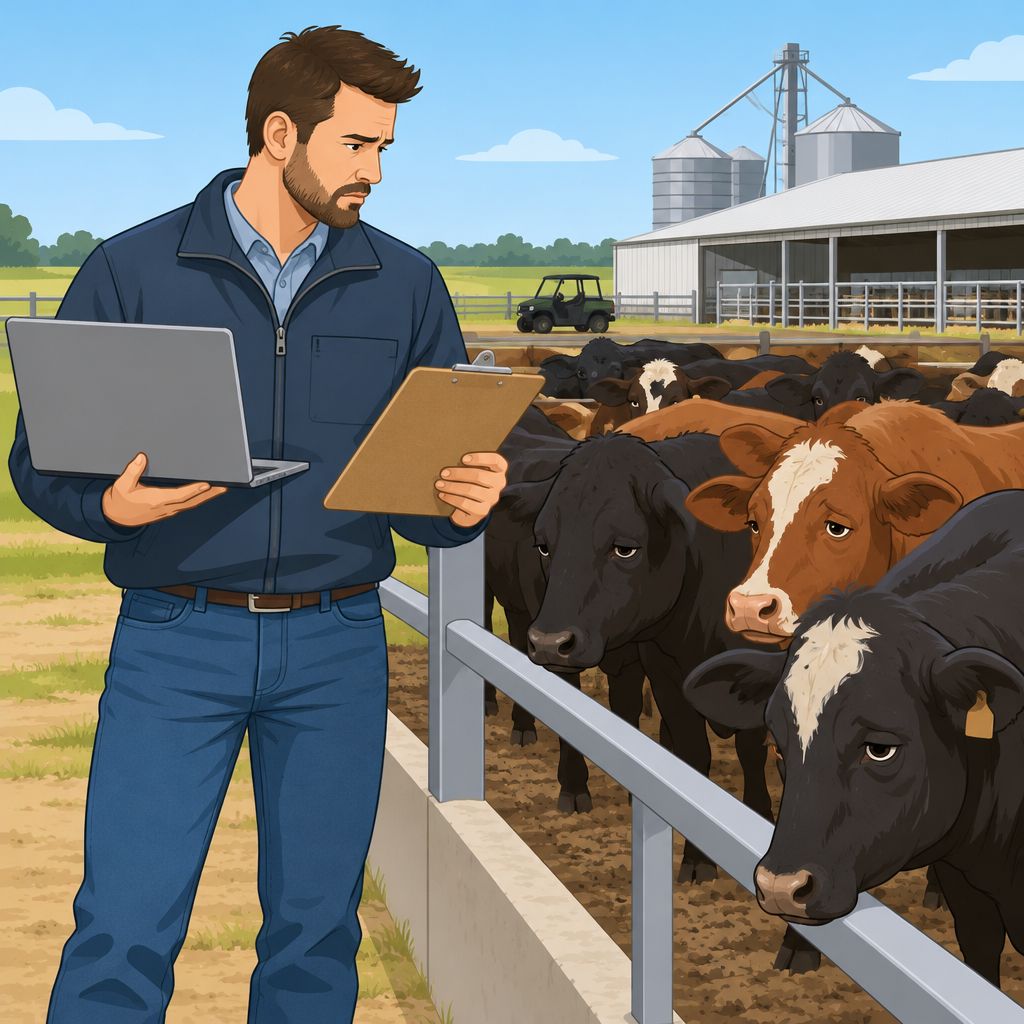
Livestock managers oversee animal care and daily farm operations.
They protect livestock health while supporting productivity.
Additionally, their decisions influence the farm’s overall performance.
The Importance of Livestock Managers
Livestock managers support sustainability throughout the agriculture industry.
They also help livestock operations remain profitable.
Furthermore, their decisions affect the farm’s long-term success.
Challenges Faced by Livestock Managers
Livestock managers constantly monitor animal health and welfare.
They watch for illness or injury and apply suitable treatment protocols.
Meanwhile, regulatory requirements govern animal welfare and food safety.
Managers track changing regulations and keep farm operations compliant.
They balance feed, water, and space against the animals’ needs.
This resource management supports optimal livestock health and productivity.
Moreover, managers prepare for natural disasters, disease outbreaks, and accidents.
Contingency plans help them reduce risks and protect the animals.
Lack of Proper Training in Animal Husbandry
- Many livestock managers lack adequate training or education in animal husbandry.
- This gap can hinder their use of effective animal care and management practices.
- Livestock managers need ongoing education and training programs.
Livestock managers face a significant challenge when they lack proper training in animal husbandry.
Some individuals may not receive enough education about caring for and managing livestock.
Without this foundation, managers may struggle to apply effective animal care practices.
This difficulty can contribute to poor nutrition, inadequate shelter, improper handling, and disease outbreaks.
Managers need practical knowledge and skills to support animal health and well-being.
Therefore, ongoing education helps livestock managers learn current husbandry techniques.
Training programs can also strengthen their animal care and management skills.
By investing in education, livestock managers can improve care and support better animal outcomes.
Disease Management
Livestock can develop many diseases and illnesses.
Managers must monitor animal health and respond quickly to emerging problems.
They should work with veterinarians and follow biosecurity protocols consistently.
- Livestock face risks from various diseases and illnesses.
- Managers must monitor animals and address health concerns promptly.
- Veterinary guidance and biosecurity practices support effective disease management.
Constant Vigilance
Managers need to observe livestock closely each day.
They should recognize signs of illness or distress as early as possible.
Regular health checks and behavioral observations support early intervention.
Timely Treatment
Managers should act promptly when they identify a health problem.
Proper treatment can limit disease spread and reduce harm to livestock.
Veterinarians can prescribe treatments that managers administer correctly.
Collaboration with Veterinarians
Veterinarians provide valuable guidance for diagnosing and treating livestock health problems.
Managers should schedule regular consultations and health screenings with veterinary professionals.
Vaccinations can help prevent outbreaks and support animal well-being.
Biosecurity Protocols
Biosecurity protocols help prevent disease transmission within livestock operations.
Managers should control farm access and quarantine animals showing signs of illness.
They should also disinfect equipment and facilities regularly.
These practices reduce transmission risks and protect the health of the entire herd.
Effective disease management requires continuous attention and proactive action.
Vigilant monitoring, veterinary cooperation, and biosecurity measures can limit disease impacts.
Transform Your Career Today
Unlock a personalized career strategy that drives real results. Get tailored advice and a roadmap designed just for you.
Start NowExplore Further: Salary Expectations for Plant Pathologists
Nutrition and Feed Management
- Different livestock species require distinct diets.
- Managers must provide balanced nutrition for animal health and growth.
- Managers also face challenges when sourcing affordable, high-quality feed and supplements.
Livestock managers must provide appropriate nutrition to support animal health and productivity.
However, different species require specific diets that managers must carefully balance.
Effective feeding programs supply proteins, carbohydrates, fats, vitamins, and minerals.
These nutrients support optimal health, steady growth, and productive performance.
Without proper nutrition, animals may develop health problems or experience poor growth.
Additionally, inadequate diets can reduce overall productivity.
Feed costs can significantly affect an operation’s financial performance.
Therefore, managers must control expenses while maintaining feed quality.
Reliable suppliers should provide feed and supplements that meet animal nutritional requirements.
Nevertheless, shortages or high prices can make suitable feed difficult to obtain.
When managers compromise diet quality, animals may experience nutrient deficiencies or excesses.
Consequently, those imbalances can harm animal health and reduce performance.
Managers must also monitor feed and supplement safety.
Contamination and spoilage can seriously harm animals.
Proper storage protects feed from pests and moisture.
This protection helps preserve nutritional value and feed safety.
Managers should also monitor recalls and other feed safety concerns.
By balancing dietary needs, costs, quality, and safety, managers can support livestock well-being.
Find Out More: Impact of Climate Change on Agriculture Explained
Livestock management includes housing and facilities maintenance.
Managers must provide suitable housing for livestock.
They must also maintain these facilities consistently.
Regular Inspection and Maintenance
Managers must regularly inspect every structure within their facilities.
They should check for damage, leaks, and hazards that could endanger livestock.
Furthermore, regular maintenance prevents problems and supports animal well-being.
Effective Waste Management
Livestock produce significant amounts of waste.
Therefore, managers need systems for handling and disposing of waste properly.
Poor waste management can cause environmental pollution and health risks for animals and workers.
Maintaining Facility Cleanliness
Managers must maintain cleanliness throughout their facilities.
Dirty conditions can promote disease and threaten livestock health.
Consequently, managers should follow strict cleaning schedules and protocols.
Coordinated Facility Management
Managers can address housing challenges through consistent facility care.
Regular inspections, waste systems, and cleaning procedures support suitable livestock housing.
Together, these practices help protect animal health and facility safety.
Gain More Insights: Agricultural Economics: Role in Environmental Sustainability
Regulatory Compliance in Livestock Management
Livestock managers must follow government regulations and guidelines that govern their operations.
These requirements cover animal welfare, environmental protection, and food safety.
Managers must treat animals humanely and prioritize their welfare.
Additionally, they must manage waste, prevent pollution, and conserve natural resources.
Transform Your Career Today
Unlock a personalized career strategy that drives real results. Get tailored advice and a roadmap designed just for you.
Start NowFood safety rules require managers to keep meat, dairy, and other animal products safe for consumption.
Challenges of Changing Regulations
Government agencies frequently update regulations, making compliance difficult for livestock managers.
New animal welfare standards may require managers to change established management practices.
Those changes can consume significant time and money.
Likewise, environmental updates may require new technology or infrastructure.
These investments can create a substantial financial burden for managers.
Managers must also monitor requirements carefully because violations can cause fines, penalties, or operational shutdowns.
Therefore, consistent attention helps them maintain compliance and avoid legal problems.
Gain More Insights: Top Challenges Faced by Farm Managers Today
Labor Management
- Skilled employees support successful livestock operations.
- Managers often struggle to find and retain qualified workers.
- Effective communication and training strengthen staff performance.
Skilled employees help livestock operations maintain consistent daily work and support reliable animal care.
However, managers often struggle to find and retain workers with suitable livestock experience.
Rural areas may offer a limited pool of candidates with animal care, handling, and farm management skills.
Moreover, physically demanding duties can make recruitment and retention more difficult.
Managers need clear communication to coordinate responsibilities and complete tasks efficiently.
Open communication also strengthens teamwork and supports a positive workplace.
Training gives employees the knowledge and skills required to perform their duties effectively.
Regular training can improve performance and productivity while reducing accident and injury risks.
Therefore, managers should combine careful hiring, clear communication, and ongoing training.
These practices can improve workplace conditions and strengthen the farm’s efficiency.
Managing Livestock Market Volatility
Livestock managers must navigate changing prices and demand for their products.
Therefore, they need flexible plans that respond quickly to market conditions.
Market volatility can directly affect an operation’s financial performance.
- Managers must monitor market trends and adjust production strategies accordingly.
- They should prepare for challenges when predicting changes in demand and prices.
- Risk management and diversified revenue streams can reduce financial exposure.
However, weather conditions, consumer preferences, and global economic conditions can influence market trends.
Managers must stay informed and adjust their production and marketing strategies proactively.
Diversifying revenue streams allows livestock managers to spread market-related risks.
For example, a cattle rancher might offer agritourism activities or sell value-added beef jerky.
Additionally, futures contracts and insurance policies can protect against sudden price drops.
These tools can also address risks from disease outbreaks and natural disasters.
By hedging their exposure, managers can reduce financial risks during uncertain markets.
Consequently, informed planning helps managers support the long-term success of their operations.
Strategies for Resilient Livestock Operations
Livestock operations face varied challenges that require adaptable management.
Managers can strengthen resilience through risk management, technology investments, and improved communication across the industry.
These approaches help managers respond more effectively to changing conditions.
Furthermore, professional development keeps managers informed about current research, industry trends, and effective practices.
Continuous learning can improve their skills and knowledge over time.
Industry support also helps managers address challenges with greater confidence.
Meanwhile, collaboration encourages innovation and shared solutions across the agriculture industry.
These efforts can support food security and economic growth.
Additional Resources
Google search results for Challenges Faced by Livestock Managers Agricultural
Bing search results for Challenges Faced by Livestock Managers Agricultural
Transform Your Career Today
Unlock a personalized career strategy that drives real results. Get tailored advice and a roadmap designed just for you.
Start Now


