




Introduction
Viticulture is the science and practice of cultivating grapes for winemaking.
Therefore, it supports an important part of the agricultural industry.
Seasonal work patterns guide viticulturists through specific tasks throughout the year.
Brief Overview of Viticulture
Viticulture examines grapevines, their growth, and their development.
It also guides vineyard management for producing high-quality grapes for wine production.
Moreover, viticulturists manage soil, climate conditions, pests, pruning, and harvesting.
Importance of Seasonal Work Patterns for Viticulturists
Seasonal work patterns help viticulturists plan and coordinate vineyard tasks effectively.
For example, they schedule pruning, irrigation, fertilization, pest control, and harvesting at suitable times.
As a result, these patterns support grape quality, yield, and overall vineyard productivity.
Spring Vine Preparation
- Viticulturists begin by pruning vines to promote healthy growth.
- They carefully check the vines for winter damage.
- Additionally, viticulturists prepare soil for planting new vines and support optimal growing conditions.
Summer Vine Management
- During summer, viticulturists monitor growing vines for pests and diseases.
- They train vines along trellises to improve sun exposure.
- Meanwhile, they thin grape clusters to improve air circulation and sunlight penetration.
Autumn Harvesting and Preparation
- In autumn, viticulturists harvest grapes at peak ripeness for winemaking.
- They monitor sugar levels to determine the ideal harvesting time.
- Finally, they prepare vines for winter dormancy by trimming excess growth and applying fertilizer.
Winter Vineyard Maintenance
- During winter, viticulturists prune vines to shape them and encourage new growth.
- They repair trellises and equipment damaged during the growing season.
- Meanwhile, they plan the upcoming year by ordering supplies and scheduling tasks.
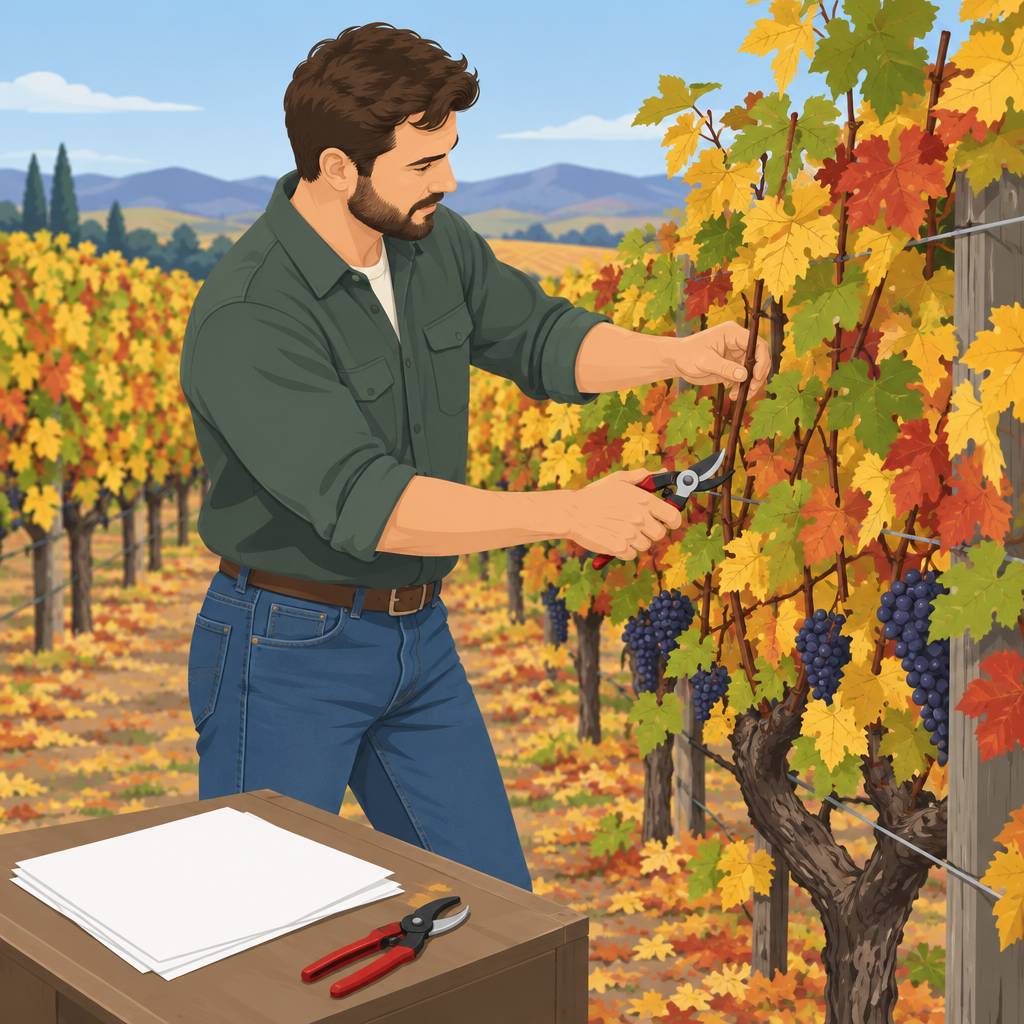
Summer Vineyard Management
During summer, viticulturists manage vines to support healthy growth and fruitful harvests.
They monitor development, manage irrigation, and control pests and diseases.
These efforts maintain vineyards and prepare grapes for the upcoming winemaking harvest.
- Viticulturists closely observe vine development and assess plant health and growth patterns.
- During hot summer days, they manage irrigation to keep vines hydrated and promote fruit development.
- Meanwhile, they monitor and manage pests and diseases that thrive during summer.
Discover More: Restoring Degraded Lands: A Conservation Guide
Harvesting Season
The harvesting season marks the culmination of months of vineyard work.
During this period, viticulturists coordinate careful decisions and demanding tasks.
Their choices help support the production of high-quality wines.
Timing of Harvest
Viticulturists monitor grape ripeness to identify the optimal harvest time.
Moreover, harvest timing directly influences wine quality and flavor profile.
They consider sugar levels, acidity, and phenolic ripeness when selecting the harvest date.
- Viticulturists must carefully monitor grape ripeness to determine the optimal harvest time.
- The timing of the harvest directly impacts the quality and flavor profile of the wine.
- Sugar levels, acidity, and phenolic ripeness help determine the harvest date.
Grape Picking
Once grapes reach the desired ripeness, viticulturists organize teams to pick them by hand.
Handpicking provides greater precision when selecting grapes for winemaking.
Meanwhile, harvesters work quickly and efficiently to prevent fruit spoilage.
- Viticulturists organize teams of harvesters to pick ripe grapes by hand.
- Handpicking helps workers select only the best grapes for winemaking.
- Grape picking requires speed and efficiency because it involves intensive labor.
Processing Grapes
After harvesting, workers transport the grapes to the winery for processing.
At the winery, workers sort the grapes before crushing and pressing them.
Then, fermentation transforms the extracted juice into wine inside tanks or barrels.
- Workers transport harvested grapes to the winery for processing and fermentation.
- They remove debris and imperfect fruit before crushing and pressing the grapes.
- Workers transfer the juice into tanks or barrels for fermentation.
Harvesting requires precision, skill, and teamwork throughout the entire process.
These coordinated efforts support the successful production of high-quality wines.
Learn More: Ethical Considerations in Artificial Insemination
Fall Tasks
As fall arrives, viticulturists shift their focus toward post-harvest care, soil testing, and planning for the next growing season.
- Post-harvest vine care: Viticulturists assess vine condition and perform maintenance after the grape harvest.
- Soil testing and amendment: Viticulturists test soil nutrients and pH, then amend the soil when needed.
- Planning for the next growing season: Viticulturists plan vineyard improvements, varietal selections, and cultivation changes.
You Might Also Like: Veterinary Technician's Role in Animal Rehab
Winter Tasks
Winter gives viticulturists time to prepare vineyards and equipment for the upcoming growing season.
They can also strengthen their skills through focused training programs.
These activities support healthy vines, reliable tools, and improved grape quality.
- Vineyard maintenance
- Equipment upkeep
- Training programs for viticulturists
Vineyard Maintenance
Viticulturists assess vine health during winter and identify repairs before dormancy ends.
They prune vines, remove dead wood, and inspect trellises for damage.
Therefore, timely maintenance helps vines thrive during the coming months.
Equipment Upkeep
During the off-season, viticulturists maintain and repair their essential equipment.
They check tractors, pruning shears, and other tools before the growing season begins.
Regular servicing helps prevent costly breakdowns and delays during busy periods.
Training Programs for Viticulturists
Winter provides an excellent opportunity for viticulturists to expand their skills and knowledge.
Transform Your Career Today
Unlock a personalized career strategy that drives real results. Get tailored advice and a roadmap designed just for you.
Start NowThey may attend workshops, conferences, or online courses about viticulture.
These programs introduce new techniques, technologies, and industry trends.
Continuous learning helps viticulturists remain competitive and improve grape quality.
By completing these tasks, viticulturists prepare for a successful growing season.
Their winter efforts help produce high-quality grapes that meet market demands.
Discover More: Common Health Issues in Pets and How to Assist
Year Round Coordination in Viticulture
Viticulturists coordinate seasonal tasks to support vineyard success throughout the year.
Pruning, canopy management, harvest, and dormant season work shape their annual responsibilities.
Together, these activities help maintain vine health and support grape quality.
Benefits of a Structured Schedule
Following a structured schedule helps viticulturists manage their responsibilities efficiently.
Consistent timing supports vineyard health and helps prepare each season’s harvest.
Furthermore, organized work allows viticulturists to maintain productivity across changing seasonal demands.
Ongoing Skill Development in Viticulture
Continuous learning helps viticulturists improve their practices in an evolving industry.
Workshops and seminars provide opportunities to strengthen professional skills.
Staying current with new techniques can support better decisions throughout the vineyard year.
Additional Resources
Google search results for Seasonal Work Patterns for Viticulturists Agricultural
Bing search results for Seasonal Work Patterns for Viticulturists Agricultural


