




Pet Health and Well-Being
Pet owners can help their companions maintain good health and enjoy happier lives.
Understanding common health concerns helps owners provide timely care and attention.
Regular veterinary check-ups, balanced nutrition, and exercise support ongoing well-being.
Common Health Issues
Pets commonly experience obesity, dental problems, allergies, and arthritis.
These conditions can reduce their quality of life without proper care.
Therefore, owners should monitor changes and respond with appropriate support.
Managing Pet Obesity
Obesity creates a major health concern for pets.
Excess weight can contribute to additional health problems.
Owners can manage weight through balanced meals and regular exercise.
Preventing Dental Problems
Poor dental hygiene can cause gum disease, tooth decay, and bad breath.
Regular brushing helps owners protect their pets’ dental health.
Additionally, dental treats can support preventive dental care.
Addressing Pet Allergies
Pets may develop allergies to foods, environmental factors, or parasites.
Owners can identify possible allergens and reduce their pets’ exposure.
Veterinarians can also prescribe medications to relieve allergy symptoms.
Managing Arthritis Symptoms
Arthritis commonly affects older pets and can cause joint pain.
This condition may also limit movement and affect daily comfort.
Comfortable surroundings, low-impact exercise, and joint supplements may ease symptoms.
Supporting Lifelong Pet Health
Proactive care helps pets maintain healthier and happier lives.
Owners should combine veterinary check-ups with nutritious food and regular exercise.
These habits help owners support their pets’ well-being over time.
Common Health Issues in Dogs
Several health concerns can affect dogs and change their comfort, mobility, and daily routines.
Therefore, owners should recognize warning signs and support healthy habits at home.
These concerns include obesity, dental problems, and arthritis.
- Obesity: Excess weight can contribute to diabetes and joint problems.
- Dental problems: Plaque buildup can cause pain, infections, and other oral concerns.
- Arthritis: Joint inflammation can cause stiffness, discomfort, and reduced mobility.
Obesity in Dogs
Obesity affects around 56% of dogs in the United States.
Excess weight can contribute to heart disease, diabetes, and joint problems.
Consequently, owners should manage food portions, treats, and daily activity.
Choose high-quality dog food that meets your dog’s nutritional needs.
Also, avoid excessive treats and table scraps.
Daily walks or playtime can help maintain a healthy weight.
Dental Problems in Dogs
Research indicates that approximately 80% of dogs show dental disease signs by age three.
Poor dental hygiene can cause gum disease, tooth decay, and systemic health issues.
To support oral health, brush your dog’s teeth regularly.
Additionally, dental chews and toys can promote better oral hygiene.
Routine veterinary cleanings can address dental problems before they worsen.
Arthritis in Dogs
Arthritis affects around 20% of dogs and often develops as they age.
It can cause stiffness, pain, and decreased mobility.
Larger breeds and overweight dogs may face greater arthritis risk.
Meanwhile, comfortable bedding and a warm environment can ease daily discomfort.
Low-impact activities, including swimming and gentle walks, can support joint flexibility.
Transform Your Career Today
Unlock a personalized career strategy that drives real results. Get tailored advice and a roadmap designed just for you.
Start NowSupplements such as glucosamine and chondroitin may reduce inflammation and support joint health.
Urinary Tract Infections in Cats
Cats can develop urinary tract infections that cause frequent urination and discomfort.
Blood in the urine, litter box straining, and accidents may signal this condition.
Owners can provide fresh water, a clean litter box, and a balanced diet.
Diabetes in Cats
Diabetes may cause increased thirst, frequent urination, and sudden weight loss.
Owners should watch for these changes and respond with appropriate attention.
A healthy diet and regular exercise can help cats maintain a healthy weight.
Hairballs in Cats
Hairballs can cause coughing, gagging, reduced appetite, and vomiting.
Regular grooming helps remove loose hair before cats swallow it.
Hairball prevention treats can also support grooming efforts.
Owners can recognize common health concerns by watching their cats closely.
Regular veterinary check-ups, proper grooming, and a balanced diet support feline health.
Explore Further: Dairy Scientist's Role in Herd Health Management
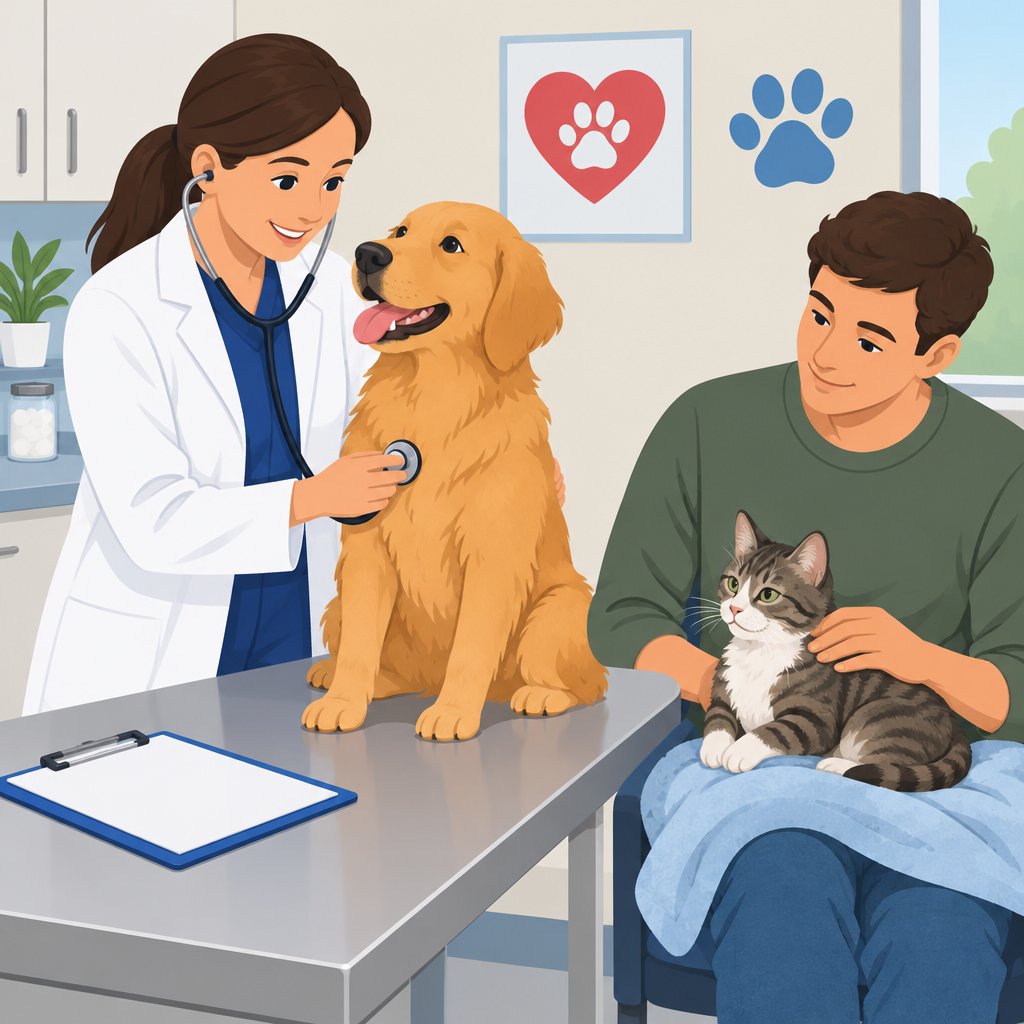
Importance of Regular Veterinary Check-Ups
Regular veterinary check-ups play a crucial role in supporting pets’ overall health and well-being.
Regular visits help owners identify potential health issues early.
Early attention allows owners and veterinarians to address concerns before they worsen.
Routine appointments also give owners opportunities to discuss emerging concerns.
Benefits of Preventive Care for Pets
Preventive care helps pets maintain optimal health.
It also supports earlier recognition of developing health issues.
Additionally, vaccinations can protect pets from serious illnesses.
- Preventive care helps maintain optimal health for pets.
- Early detection can lead to better treatment outcomes.
- Vaccinations can protect pets from serious illnesses.
- Regular check-ups can identify and address behavioral issues.
Scheduling Routine Veterinary Visits
Owners should consult veterinarians to establish regular check-up schedules.
They should also follow the recommended vaccination schedule for each pet.
Meanwhile, routine visits can include health screenings and discussions about concerns.
- Consult your veterinarian about a regular check-up schedule.
- Follow the recommended vaccination schedule for your pet.
- Include health screenings during routine veterinary visits.
- Track health records and share concerns with your veterinarian.
By prioritizing regular veterinary check-ups and preventive care, owners can support healthier, longer lives for pets.
Proactive medical attention helps owners respond to concerns promptly.
Keeping accurate health records helps veterinarians understand each pet’s care needs.
Early detection and prevention remain important parts of maintaining pets’ health and happiness.
Uncover the Details: Common Challenges for Veterinary Technicians
Proper Nutrition for Pets
Proper nutrition helps prevent common health issues in pets.
Choosing suitable food for each type of pet supports overall well-being.
Moreover, portion control helps pets maintain a healthy weight.
Consistent feeding schedules should match each pet’s specific needs.
Consult a veterinarian to determine the best diet for your pet.
Consider age, breed, size, and existing health conditions when selecting pet food.
High-quality pet food provides balanced nutrients that support health and longevity.
Also, avoid table scraps and human food because they may cause digestive issues or obesity.
Monitor your pet’s weight, then adjust the diet to prevent overfeeding.
Provide fresh, clean water at all times to support hydration and health.
Some pets may need supplements, but consult a veterinarian before adding them.
Because every pet is unique, nutritional needs may vary.
Transform Your Career Today
Unlock a personalized career strategy that drives real results. Get tailored advice and a roadmap designed just for you.
Start NowStay informed and adjust the diet as needed.
Learn about common allergens and ingredients to avoid in pet food.
This knowledge can help prevent allergic reactions or sensitivities.
Finally, check regularly for recalls or updates involving pet food brands.
These checks help you provide a safe and healthy diet.
Following these guidelines can help your pet maintain optimal health through proper nutrition.
Explore Further: How to Advocate for Conservation Policies
Exercise and Mental Stimulation for Pets
Physical activity supports pets’ overall well-being.
It helps pets maintain a healthy weight, improve cardiovascular health, and strengthen muscle tone.
Regular activity also gives pets opportunities to use their energy.
Here are several activities that keep pets active and engaged.
- Take regular walks to help dogs burn excess energy and stay fit.
- Play fetch with a ball or frisbee to provide exercise and mental stimulation.
- Try agility training to challenge your dog’s physical and mental skills.
- Offer swimming as a low-impact activity that provides a full-body workout.
Additionally, interactive toys and games can keep pets mentally stimulated.
- Use puzzle feeders that require pets to solve problems before reaching their food.
- Hide treats or toys around the house or yard for pets to find.
- Schedule training sessions to keep pets’ minds active and strengthen your bond.
- Rotate toys regularly to maintain interest and prevent boredom.
A combination of physical activity and mental stimulation supports your pet’s well-being.
Make time each day to engage with your furry friend.
See Related Content: Volunteer Opportunities with Extension Agents
Signs of Potential Health Issues in Pets
Pets may show health concerns through changes in appetite, behavior, or daily habits.
Small changes can provide useful clues when owners observe them carefully.
Therefore, attentive owners can respond sooner when something appears unusual.
Common Symptoms to Watch for in Pets
Appetite changes may indicate that a pet feels unwell or experiences another health concern.
Behavior changes can also reveal discomfort, stress, or declining health.
Meanwhile, consistent observation helps owners recognize patterns instead of isolated changes.
- Monitor whether your pet eats less or more than usual.
- Watch for lethargy, aggression, excessive vocalization, or other unusual behavior.
When Veterinary Care Becomes Necessary
Some unusual signs require prompt veterinary attention rather than continued observation at home.
In particular, persistent symptoms may signal an underlying condition that needs professional evaluation.
Acting quickly becomes especially important when symptoms affect breathing, hydration, or body weight.
- Contact a veterinarian when your pet loses weight without an apparent reason.
- Seek guidance when vomiting or diarrhea continues, especially beyond twenty-four hours.
- Seek immediate veterinary care when your pet struggles to breathe or breathes rapidly.
Attentive Responses to Pet Health Concerns
Regular observation can help owners notice potential problems before they become more serious.
Additionally, owners should trust their instincts when a pet seems noticeably different.
Veterinary check-ups also provide opportunities to discuss unusual signs and ongoing concerns.
- Record unusual changes so you can describe them clearly to your veterinarian.
- Contact your veterinarian when your pet displays concerning or unexplained symptoms.
- Responding promptly helps your pet receive appropriate attention when concerns arise.
Safe Home Remedies for Minor Health Issues in Pets
- Pet-friendly ointments can support minor cuts and scrapes.
- Additionally, plain yogurt may soothe upset stomachs.
- Small amounts of canned pumpkin can support pets with digestive issues.
Creating a Pet First Aid Kit
- Start with essential items, including bandages, gauze, scissors, and antiseptic wipes.
- Also, add your pet’s medical records and emergency contact numbers.
- Finally, keep the kit in an easily accessible spot at home.
Resources for Learning Pet First Aid Techniques
- Online websites provide step-by-step guides for pet first aid techniques.
- Meanwhile, local organizations may offer pet first aid classes.
- Consult your veterinarian for personalized advice and training recommendations.
Proactive Pet Health Management
Pet owners should recognize obesity, dental problems, and parasites as common health issues.
Early recognition can prevent these concerns from worsening and support their pets’ healthy lives.
Therefore, owners should stay informed and take proactive steps to support their pets’ health.
Regular veterinary visits, suitable nutrition, and exercise help maintain a pet’s health.
Responsible owners act as knowledgeable advocates for their furry companions.
By learning about common health issues, they can help their pets live longer, happier lives.
Additional Resources
Google search results for Common Health Issues in Pets and How to Assist Agricultural
Bing search results for Common Health Issues in Pets and How to Assist Agricultural


