




Landscape Horticulture for Enhanced Outdoor Spaces
Landscape horticulture designs and maintains outdoor spaces to improve their beauty and functionality.
This practice helps create visually appealing environments for residential and commercial properties.
Moreover, landscape horticulture transforms outdoor areas into attractive spaces that serve practical purposes.
For example, gardens and well-manicured lawns can improve a property’s overall aesthetic appeal.
Landscape Horticulture
Landscape horticulture combines art and science to design and maintain outdoor spaces with plants and vegetation.
It uses plant care and planning to shape well-maintained outdoor environments.
Its key practices include plant selection, soil management, irrigation, pruning, and seasonal maintenance.
Key Elements of Landscape Horticulture
These elements guide the development and ongoing care of planted spaces.
Each practice supports plant health and consistent landscape maintenance.
Together, these activities help organize essential horticultural work.
- Plant selection
- Soil management
- Irrigation systems
- Pruning and shaping
- Seasonal maintenance
Plants and Vegetation in Outdoor Spaces
Plants add color, texture, and life to outdoor spaces.
Trees provide shade and structure within the landscape.
Flowers contribute beauty and fragrance to planted areas.
Design Principles for Landscape Horticulture
Balance creates visual harmony among landscape elements.
Scale establishes appropriate proportions between different features.
Unity connects individual elements into a cohesive design.
Plant Selection
Choose plants that suit the specific climate and soil type.
Consider sun exposure, water requirements, and maintenance needs before planting.
Careful selection supports healthier growth and more manageable maintenance.
Soil Management
Healthy soil provides the foundation for a successful garden.
Test the soil pH to understand its growing conditions.
Improve drainage and add organic matter to support plant growth.
Irrigation Systems
Efficient watering supports plant health and reduces unnecessary water use.
Drip irrigation delivers water directly to plant roots.
Soaker hoses also reduce waste and evaporation during watering.
Pruning and Shaping
Proper pruning promotes healthy growth, attractive shapes, and flowering.
Remove dead or damaged branches to support plant care.
Trim plants to maintain their size and encourage new growth.
Seasonal Maintenance
Regular upkeep keeps outdoor spaces looking well maintained.
Remove weeds and apply mulch as part of routine care.
Fertilize plants and monitor them for pests and diseases.
Integrating Landscape Horticulture Practices
Landscape horticulture combines artistic planning with practical plant care.
Successful work considers plants, soil, water, pruning, and seasonal needs together.
Understanding these elements supports cohesive landscape design and ongoing maintenance.
Benefits of Landscape Horticulture
Landscape horticulture offers benefits beyond appearance.
It can improve properties, support environmental health, and strengthen personal well-being.
Additionally, thoughtful outdoor planning can encourage social connection.
Property Value and Curb Appeal
A well-designed landscape improves a property’s appearance and curb appeal.
It can also increase property value for homeowners preparing to sell.
Furthermore, an attractive yard creates a positive first impression for potential buyers.
Transform Your Career Today
Unlock a personalized career strategy that drives real results. Get tailored advice and a roadmap designed just for you.
Start NowEnvironmental Benefits
Plants, trees, and greenery provide shade and insulation, which can reduce energy consumption.
They also create habitats for animals, insects, and birds, supporting biodiversity.
Moreover, plants and trees capture carbon dioxide from the atmosphere, helping address climate change.
Planting native species supports local ecosystems.
Sustainable landscape designs contribute to environmental health.
Health and Well-Being Benefits
Beautiful outdoor spaces can calm the mind and body.
As a result, time outdoors may reduce stress and support mental health.
Plants and greenery can also boost mood and creativity.
Therefore, landscaped spaces offer places for relaxation and rejuvenation.
Social Benefits
Well-designed landscapes create opportunities for social interaction.
For example, people can host gatherings with friends and family outdoors.
They can also support community events and activities.
Additionally, inviting spaces encourage people to spend time outdoors and connect with nature.
This connection can strengthen belonging and appreciation for the environment.
Explore Further: How Food Scientists Improve Food Production Efficiency
Proper planning and design support functional and attractive outdoor spaces.
Planning helps people use available space and resources effectively.
Meanwhile, thoughtful design improves appearance, usability, and long-term enjoyment.
Importance of Proper Planning and Design
Effective planning organizes the landscape according to its intended use.
Additionally, careful design creates a more attractive and cohesive outdoor environment.
These decisions can improve property value, curb appeal, and maintenance efficiency.
- Planning ensures effective utilization of space and resources.
- Design enhances the overall look and feel of the landscape.
- Proper planning and design increase property value and curb appeal.
- Well-thought-out designs minimize maintenance and maximize enjoyment.
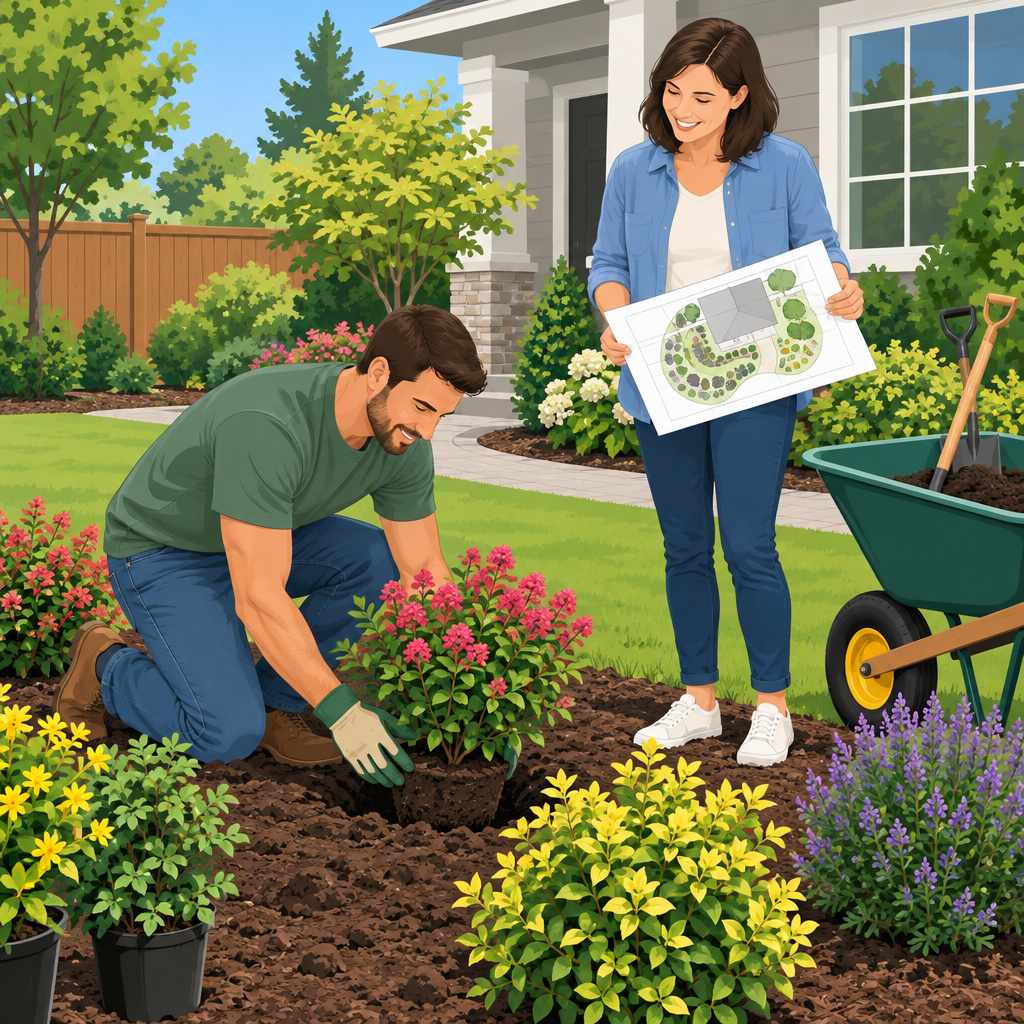
Key Design Principles in Landscape Horticulture
Design principles help organize visual elements throughout the landscape.
Focal points attract attention and establish visual interest.
Lines and textures guide movement while adding depth and variety.
- Focal Points: Create visual interest with a fountain, sculpture, or colorful plant bed.
- Lines: Use lines to guide the eye and create flow, such as pathways, hedges, or borders.
- Textures: Incorporate a variety of plant textures to add depth and interest to the landscape.
Tips for Creating Visually Appealing Outdoor Spaces
Select plants that match local climate and soil conditions.
Also, consider mature plant sizes to prevent overcrowding or sparse areas.
Finally, combine color, height, hardscaping, and softscaping for visual balance.
- Choose plants that are suitable for the local climate and soil conditions.
- Consider the mature size of plants to avoid overcrowding or sparse areas.
- Use color theory to create harmonious or contrasting color combinations.
- Balance hardscaping elements with softscapes to create a harmonious environment.
- Layer plants with different heights to add interest and dimension to the landscape.
By applying these principles, you can create a beautiful and functional landscape.
Careful choices help the outdoor space remain enjoyable for years to come.
Explore Further: Precision Agriculture: Best Practices for Adoption
Plant Selection and Maintenance
Selecting the right plants for your outdoor space creates a visually appealing landscape that thrives.
- Consider your region’s climate when choosing plants that withstand temperature fluctuations.
- Evaluate local soil conditions to identify plants suited to your specific soil type.
- Assess sunlight exposure to select plants that match the available light.
Tips for Proper Plant Care and Maintenance
After selecting suitable plants, provide consistent care to support their health and longevity.
- Water plants regularly while avoiding excessive watering.
- Fertilize plants as needed to provide essential nutrients for healthy growth and development.
- Prune plants to remove dead or diseased branches, encourage new growth, and maintain a neat appearance.
- Weed the garden regularly to prevent competition for nutrients and space.
- Monitor plants for pests and diseases, then act promptly to limit damage.
- Support climbing plants so they can grow vertically and thrive outdoors.
- Protect plants from frost and extreme heat to prevent damage and support survival.
Explore Further: Real-Life Stories from Pest Control Advisors
Sustainable Landscaping Practices
Sustainable landscaping preserves natural resources while supporting healthy outdoor environments.
These practices reduce environmental harm and promote harmony between landscapes and ecosystems.
Responsible choices also help create attractive spaces for people and wildlife.
Importance of Sustainability in Landscape Horticulture
Sustainability helps landscape horticulture protect natural resources for future generations.
It also reduces harmful effects on ecosystems and supports healthier outdoor spaces.
Furthermore, sustainable methods encourage efficient resource use and responsible landscape care.
Eco-Friendly Landscaping Techniques
Xeriscaping conserves water by using drought-tolerant plants and efficient irrigation systems.
Transform Your Career Today
Unlock a personalized career strategy that drives real results. Get tailored advice and a roadmap designed just for you.
Start NowThis approach requires less maintenance while reducing water consumption.
Rainwater harvesting collects and stores rainwater for landscape irrigation.
Consequently, it reduces reliance on municipal water sources and conserves natural resources.
Rainwater harvesting can also reduce water costs for homeowners.
Ways to Reduce Water Consumption
Efficient watering methods help landscapes remain healthy while limiting unnecessary water use.
Additionally, thoughtful plant choices and soil protection improve water retention.
The following practices support consistent water conservation.
- Install drip irrigation to deliver water directly to plant root zones.
- Use mulch around plants to retain soil moisture and reduce evaporation.
- Choose native plants because they suit local climates and often require less water.
Responsible Landscaping Practices
Responsible maintenance protects plants, soil, water, and surrounding ecosystems.
Moreover, careful irrigation prevents waste and supports healthier plant growth.
Use the following practices to manage landscapes responsibly.
- Avoid overwatering because excess water wastes resources and can cause root rot.
- Adjust irrigation schedules according to plant needs and seasonal changes.
- Install permeable surfaces to improve water infiltration and reduce runoff.
- Remove invasive species to protect native plants and local ecosystems.
- Control pests organically without harming the surrounding environment.
- Compost green waste to support responsible landscape maintenance.
These methods conserve resources while maintaining healthy and attractive landscapes.
They also encourage responsible care for plants, soil, water, and ecosystems.
By adopting sustainable practices, homeowners can support landscapes that benefit people and the planet.
You Might Also Like: Precision Agriculture: Real-Time Data Collection
Hardscaping adds structure and function to outdoor spaces.
These nonliving features complement plantings and help create balanced landscape designs.
Pathways, patios, and retaining walls can improve movement, gathering, and planting opportunities.
How Hardscaping Elements Shape Outdoor Spaces
Hardscaping elements define outdoor areas and create visual interest.
Pathways guide visitors through the landscape, while patios support relaxation and entertainment.
Additionally, retaining walls help prevent soil erosion and create terraced planting areas.
- Hardscaping provides structure and definition throughout outdoor areas.
- Pathways guide visitors through the landscape and connect different spaces.
- Patios create gathering areas for relaxation and entertainment.
- Retaining walls help control soil erosion and add dimension through terraced planting areas.
Integrating Hardscaping with Plantings
Hardscaping features should blend naturally with surrounding plantings.
Consider scale and proportion so hardscaping does not overpower the landscape.
Furthermore, complementary materials can connect hardscape colors and textures with nearby plants.
- Choose hardscaping dimensions that suit the surrounding plants and available space.
- Use materials that complement planting colors and textures.
- Place groundcover or ornamental grasses beside pathways and retaining walls.
- Combine water features or sculptures with plantings to create focal points.
Creative Hardscaping Ideas for Outdoor Appeal
Creative hardscaping can strengthen both the appearance and function of a landscape.
Reclaimed materials can give pathways and patios distinctive character.
Meanwhile, lighting and multifunctional features can improve nighttime atmosphere and usability.
- Use reclaimed bricks or salvaged wood to create distinctive pathways and patios.
- Add LED strips along pathways or beneath step risers for visibility and ambiance.
- Design a fire pit that also functions as a seating area.
- Build a bench that also serves as a retaining wall.
- Arrange pavers or stones into dynamic patterns and geometric shapes.
Thoughtful hardscaping can transform an ordinary outdoor area into a functional oasis.
When these features complement plantings, the landscape can feel cohesive and visually balanced.
Creative choices also allow the outdoor space to reflect personal style and support daily enjoyment.
Landscape Horticulture Supports Vibrant Outdoor Environments
Landscape horticulture brings plant care, soil health, placement, and irrigation into a coordinated approach.
Together, these practices help outdoor areas develop vibrant colors, varied textures, and practical character.
Furthermore, sustainable methods support environmental responsibility while people enjoy thoughtfully shaped surroundings.
These spaces can also encourage connections with nature and strengthen appreciation for biodiversity.
Therefore, anyone improving an outdoor area can apply horticultural principles with deliberate, informed choices.
Start by observing the space, then coordinate plants, soil, and water according to its needs.
This approach can create inviting landscapes that balance visual appeal, function, and sustainability.
Ultimately, thoughtful horticulture helps people experience outdoor spaces as harmonious, living environments.
Additional Resources
Google search results for Landscape Horticulture: Enhancing Outdoor Spaces Agricultural
Bing search results for Landscape Horticulture: Enhancing Outdoor Spaces Agricultural


