




Precision Agriculture and Sustainable Farming
Precision agriculture uses technology to optimize crop yields and reduce waste.
Adopting precision agriculture practices supports sustainable farming and increases profitability.
Therefore, precision agriculture helps farmers improve efficiency while pursuing sustainable and profitable operations.
Understanding Precision Agriculture
Precision agriculture is a modern farming approach that uses technology to optimize crop production.
It combines data, equipment, and insights to help farmers manage fields efficiently.
This approach supports informed choices throughout farming operations.
Definition of Precision Agriculture
Precision agriculture uses technology to optimize crop production.
Farmers apply data, equipment, and insights to manage fields efficiently.
These tools help farmers manage field conditions more effectively.
Advantages of Precision Agriculture
Precision agriculture improves how farmers apply essential resources.
It can support higher yields while reducing unnecessary resource use.
Additionally, field data helps farmers make informed operational decisions.
- Precision agriculture can improve crop yields by applying water, fertilizers, and pesticides accurately.
- Farmers can reduce resource waste and save money by targeting inputs precisely.
- This approach minimizes farming impacts on the environment.
- Real-time data and analytics help farmers make informed operational decisions.
- Farmers can monitor soil conditions and adjust practices to maintain long-term soil health.
Technology in Precision Agriculture
Technology supports precision agriculture by helping farmers use field information.
It enables data-driven decisions about farm operations.
As a result, farmers can manage resources and improve crop yields.
Role of Technology in Precision Agriculture
Technology gathers field information in real time.
Farmers then analyze that information and apply inputs precisely.
Additionally, automated machinery performs key tasks with greater precision.
- Monitoring and data collection provide real-time information about soil moisture, temperature, and crop health.
- Advanced analytics help farmers identify trends, patterns, and potential field issues.
- Precision application places water, fertilizers, and pesticides where and when farmers need them.
- GPS-equipped machinery supports precise planting, spraying, and harvesting while reducing labor costs.
Examples of Technology Used in Precision Agriculture
Farmers use several technologies to collect, analyze, and apply agricultural information.
Each tool supports a different part of precision agriculture.
Together, these tools help farmers manage field operations more accurately.
- GPS guidance systems help farmers navigate fields, create maps, and track machinery movement.
- Drones capture detailed field images that reveal crop health, pest infestations, and yield issues.
- IoT sensors monitor soil conditions, weather patterns, and crop growth in real time.
- Machine learning algorithms predict crop yields and optimize resource allocation.
By combining these technologies, farmers can transform traditional practices into precise, sustainable, and profitable operations.
Find Out More: Real-Life Stories from Pest Control Advisors
Data Collection in Precision Agriculture
Data collection provides farmers with valuable insights for precision agriculture.
Accurate data helps farmers monitor crop health and identify potential issues.
Farmers can use this information to make informed decisions and improve farm management.
Furthermore, data collection helps optimize resources, reduce waste, and maximize yields.
Farmers can compare field areas and adjust their strategies according to performance.
Methods for Data-Driven Decision Making
- Remote sensing uses drones or satellites to capture images that show crop health and growth.
- Soil sensors measure moisture, temperature, and nutrient content to guide irrigation and fertilization.
- Weather stations monitor conditions in real time to support planting, harvesting, and pesticide decisions.
- GPS technology tracks field operations, creates precise maps, and optimizes machinery routes.
- Data management software stores and analyzes information for data-driven farming decisions.
- Internet of Things devices monitor field conditions and automate selected agricultural processes.
- Machine learning and artificial intelligence analyze data, predict trends, and optimize crop management.
These methods help farmers improve productivity, efficiency, and sustainability across their operations.
You Might Also Like: Precision Agriculture: Real-Time Data Collection
Soil Management
Soil health plays a crucial role in determining farming success through precision agriculture.
Healthy soil supports sustainable crop production by providing nutrients, water, and support for plant growth.
Therefore, farmers should prioritize soil management to optimize productivity and minimize environmental impacts.
Importance of Soil Health in Precision Agriculture
- Healthy soil directly influences crop yield and quality.
- Furthermore, healthy soil promotes better nutrient uptake by plants.
- Good soil structure enhances water infiltration and retention.
- Healthy soil supports beneficial organisms that contribute to plant growth.
- Additionally, soil health supports effective pest and disease management.
Best Practices for Managing Soil Health
- Farmers should conduct regular soil testing to assess nutrient levels and pH.
- Crop rotation maintains soil fertility and reduces disease pressure.
- Cover crops protect soil from erosion and improve organic matter content.
- Precision nutrient management helps farmers apply fertilizers more efficiently.
- Farmers should monitor soil moisture and irrigation to prevent waterlogging or drought stress.
- Controlled traffic farming and suitable machinery help manage soil compaction.
- Minimizing tillage and adding organic matter promotes soil biodiversity.
These practices can improve overall crop productivity and reduce input costs.
Moreover, investing in soil health preserves the long-term sustainability of farmland.
Consequently, soil management supports the future of agriculture.
Explore Further: How to Start a Career in Seed Technology
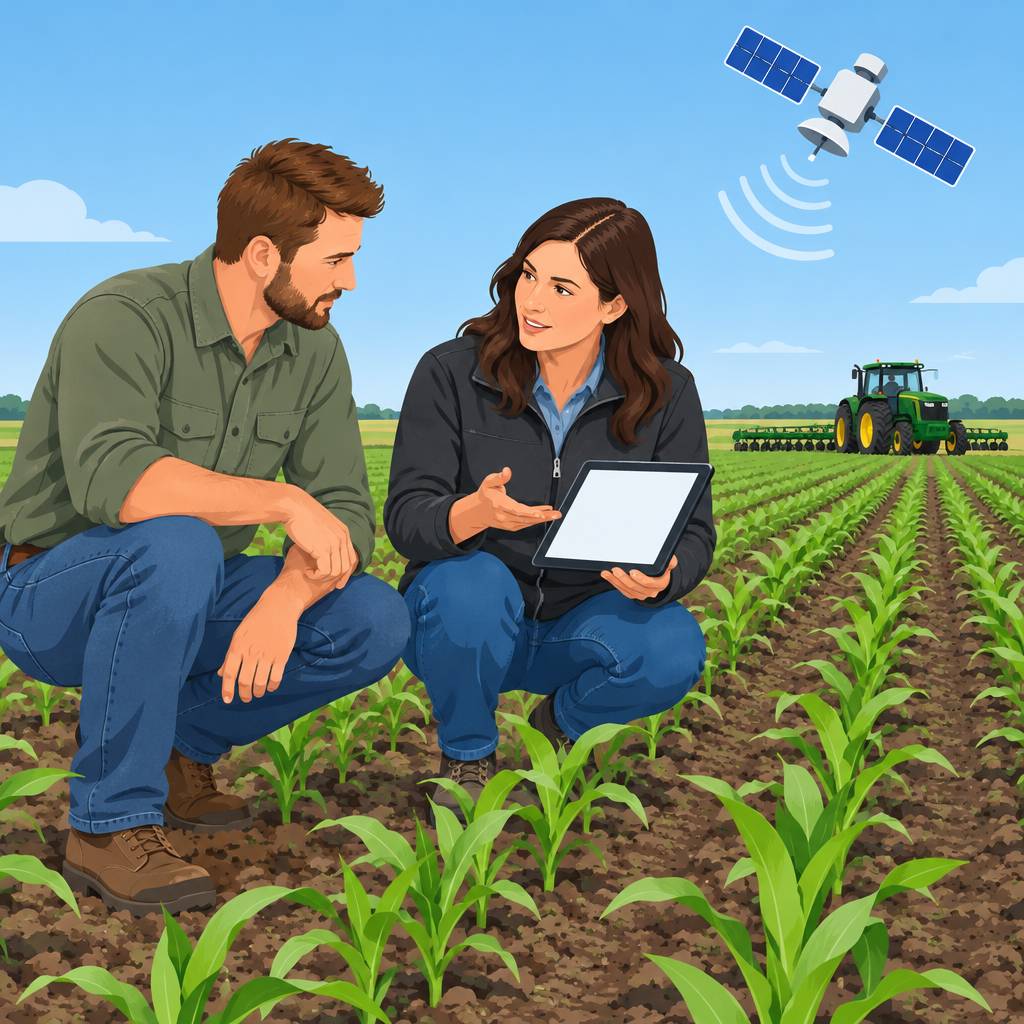
Crop Monitoring
Crop monitoring plays a crucial role in precision agriculture.
Farmers monitor crops to optimize resources and increase yields.
Furthermore, regular monitoring helps farmers respond to changing crop conditions.
Transform Your Career Today
Unlock a personalized career strategy that drives real results. Get tailored advice and a roadmap designed just for you.
Start NowImportance of Monitoring Crops in Precision Agriculture
Monitoring helps farmers identify early signs of diseases, pests, and nutrient deficiencies.
Additionally, real-time information supports data-driven farming decisions.
As a result, farmers can improve crop health, quality, and profitability.
- Farmers can identify early signs of crop diseases, pests, or nutrient deficiencies.
- Real-time information enables farmers to make data-driven decisions.
- Precise applications of fertilizers, pesticides, and water reduce waste.
- Better crop health and quality can lead to higher farmer profits.
Techniques for Monitoring Crop Health and Growth
Farmers can use several advanced techniques to monitor crop health and growth.
These techniques provide information that supports timely crop management decisions.
Consequently, farmers can improve productivity while minimizing environmental impact.
- Remote Sensing: Drones, satellites, and sensors collect data about crop health and growth.
- Machine Learning: Data analysis helps predict crop health issues before they escalate.
- GPS Technology: GPS tracks soil moisture and nutrient content for improved irrigation and fertilization.
- Smart Sensors: Field sensors monitor soil moisture, temperature, and nutrient levels.
Explore Further: Career Pathways for Agricultural Educators
Variable Rate Technology
- Variable rate technology (VRT) allows farmers to vary input rates across a field.
- These inputs include fertilizers, pesticides, and seeds, which farmers adjust according to field factors.
- Furthermore, VRT uses data from GPS, sensors, and aerial imagery.
Explanation of Variable Rate Technology
- VRT uses precision agriculture techniques to optimize input use during farming operations.
- By analyzing soil types, moisture levels, and crop yields, VRT supports informed decisions.
- Consequently, farmers can apply inputs where needed, reducing waste and improving efficiency.
Benefits of Variable Rate Technology in Precision Agriculture
- VRT can increase yield potential by providing crops with appropriate nutrient amounts.
- Additionally, reduced input waste can lower overall production costs.
- VRT can also minimize agriculture’s negative environmental impact.
- Finally, targeted application can improve crop performance in specific field areas.
Sustainability in Precision Agriculture
Sustainable agriculture preserves essential resources for future generations.
It also strengthens soil health and fertility over time.
Furthermore, sustainable practices reduce environmental impacts and support viable farming operations.
Importance of Sustainability in Agriculture
Farmers protect future production when they conserve agricultural resources.
Healthy soil provides a stronger foundation for continued crop production.
Therefore, sustainability supports both environmental protection and long-term farm viability.
- Preserves resources for future generations
- Enhances soil health and fertility
- Reduces environmental impact of farming practices
- Ensures long-term viability of farming operations
Sustainable Precision Agriculture Practices
Farmers can improve sustainability by managing inputs and resources carefully.
Additionally, conservation practices can protect soil and support biodiversity.
Precision management also helps farmers control pests and use water efficiently.
- Utilize precision technologies to optimize inputs
- Implement conservation tillage practices to reduce soil erosion
- Adopt integrated pest management strategies for pest control
- Incorporate cover crops to improve soil health and prevent erosion
- Monitor and manage water use through precision irrigation techniques
- Rotate crops to prevent soil depletion and enhance biodiversity
Strategic Benefits of Precision Agriculture
Precision agriculture can help farmers strengthen operational efficiency while supporting responsible resource management.
Moreover, technology-driven tools can help farmers improve decisions and pursue stronger yields.
Farmers can combine GPS, drones, and sensors to observe field conditions and guide timely actions.
These tools support informed choices by connecting observations with practical farm decisions.
Additionally, precise resource use can lower input costs and reduce environmental effects.
Farmers can therefore improve productivity while managing available resources more carefully.
Training and education can help farmers understand new technologies and apply them strategically.
Consequently, informed farmers can strengthen operations and respond to agricultural changes.
Embracing these practices can help farmers remain competitive within an evolving agricultural industry.
Ultimately, precision agriculture offers a pathway toward improved results, higher yields, and continued farm growth.
Additional Resources
Google search results for Precision Agriculture: Best Practices for Adoption Agricultural
Bing search results for Precision Agriculture: Best Practices for Adoption Agricultural


