




Dock Workers in Maritime Transport
Dock workers play a crucial role in maritime transport.
They help ensure smooth and efficient operations at ports.
Additionally, their work supports the effective movement of maritime transport activities.
The Role of Dock Workers in Cargo Handling
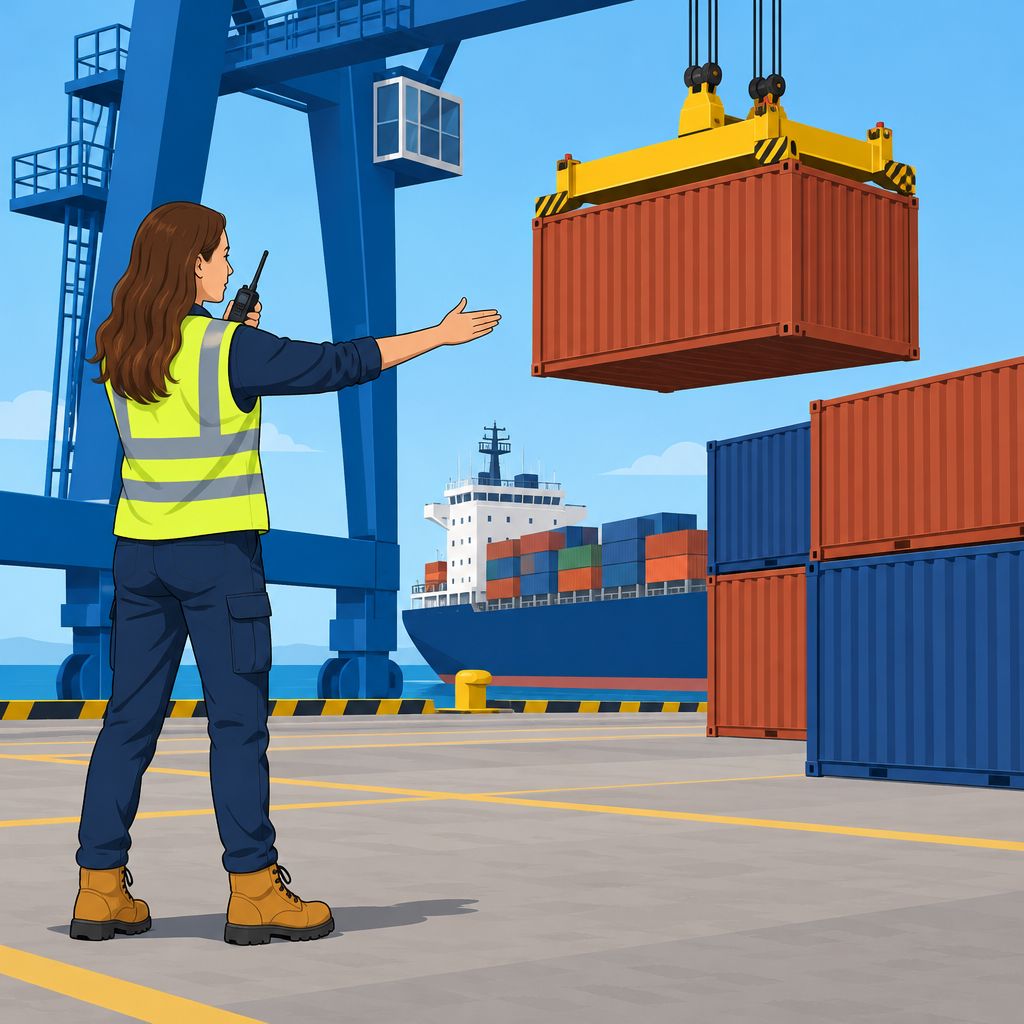
Dock workers manage cargo transfers between ships and port facilities.
They coordinate careful movements to protect goods and support dependable maritime operations.
Moreover, their work connects port activity with the timely movement of goods.
Importance of Proper Cargo Handling
Careful cargo handling protects goods during loading and unloading.
Additionally, safe procedures help workers prevent delays and avoid accidents.
Proper handling also preserves product quality during port operations.
- Dock workers handle cargo carefully to prevent damage.
- They use proper procedures to support timely deliveries.
- They follow safety protocols to reduce accident risks.
- They protect goods from spoilage and deterioration.
Effects on Maritime Transport Efficiency
Efficient cargo handling helps ships complete port visits more quickly.
Consequently, organized work improves productivity across maritime transport operations.
Timely cargo movement can also strengthen customer satisfaction and company profitability.
- Efficient handling shortens ship turnaround times.
- Organized cargo movements improve operational productivity.
- Timely loading and unloading help customers receive goods as expected.
- Effective procedures reduce operating costs for maritime transport companies.
Safety and Security Responsibilities of Dock Workers
- Ensuring compliance with safety regulations
- Preventing potential accidents and cargo damage
Dock workers protect maritime transport operations through consistent safety and security practices.
They follow regulations and take preventive measures during cargo handling activities.
These actions reduce risks and support orderly port operations.
Compliance with Safety Regulations
Dock workers follow safety regulations established by the International Maritime Organization and local authorities.
These requirements cover hazardous materials, machinery operation, and equipment maintenance.
Workers also complete regular training to maintain current knowledge of safety protocols and industry practices.
By following these rules, dock workers create safer conditions for themselves and their colleagues.
Preventing Accidents and Cargo Damage
Dock workers prevent accidents and cargo damage during loading and unloading operations.
They plan each activity carefully and coordinate movements with other team members.
Clear communication helps workers handle cargo safely and efficiently.
Workers inspect cargo for damage before loading it onto vessels.
They secure cargo properly to prevent shifting during transport.
These precautions minimize accident risks and protect the condition of transported goods.
Gain More Insights: Maximizing Efficiency with Freight Management Software
Coordination with Other Workers and Departments
Dock workers coordinate with ship crews, warehouse workers, and logistics teams during maritime operations.
This collaboration supports smooth and efficient operations.
Effective coordination helps workers complete shared responsibilities successfully.
- Collaborating with ship crews, warehouse workers, and logistics teams
- Using effective communication to support smooth operations
Collaboration with Ship Crews
Dock workers closely coordinate with ship crews during cargo loading and unloading.
Both groups work together to complete these activities safely and efficiently.
This cooperation helps workers meet shipping deadlines and maintain operational productivity.
Coordination with Warehouse Workers
Dock workers also coordinate with warehouse workers after cargo leaves the ships.
They work together to transport, organize, and store the cargo properly.
This coordination helps prevent delays and supports timely cargo delivery.
Communication with the Logistics Team
Dock workers coordinate with logistics teams to plan and execute cargo transportation.
Logistics teams manage the movement of goods from their origin to their destination.
Clear coordination helps workers load the correct cargo onto ships or transport vehicles.
It also helps cargo reach its intended destination without operational issues.
Importance of Effective Communication
Effective communication supports coordination among dock workers, ship crews, warehouse workers, and logistics teams.
Transform Your Career Today
Unlock a personalized career strategy that drives real results. Get tailored advice and a roadmap designed just for you.
Start NowClear and timely messages help everyone understand their roles and responsibilities.
Strong communication allows workers to pursue shared goals without unnecessary confusion.
Without effective communication, misunderstandings and errors can disrupt operations.
Dock workers must communicate clearly with everyone involved in cargo transportation.
This communication helps operations run smoothly and efficiently.
You Might Also Like: Safety Protocols for Railroad Engineers
Maintenance and Repair Tasks Performed by Dock Workers
Dock workers maintain and repair equipment used in maritime transport.
They check machinery regularly to keep operations efficient and safe.
Their work supports reliable vessel movement and helps limit operational interruptions.
Regular Upkeep of Equipment and Machinery
Workers inspect equipment routinely to identify potential problems.
They complete necessary maintenance tasks and replace worn or damaged components.
This regular attention keeps equipment in optimal condition and reduces costly breakdowns.
- Ensure that all equipment functions properly
- Perform routine inspections to identify potential issues
- Complete maintenance tasks that preserve equipment condition
- Replace worn or damaged parts and components
Preventing Breakdowns and Transport Delays
Dock workers identify developing problems before those issues become serious.
They respond promptly when equipment problems arise.
Preventive measures reduce breakdown risks and support uninterrupted transport operations.
- Identify potential problems before they escalate
- Respond quickly to issues that arise
- Address maintenance needs with other team members
- Implement preventive measures that minimize breakdown risks
Timely maintenance helps dock workers keep goods and materials moving through ports and terminals.
Their attention to equipment condition minimizes disruptions and supports smooth transport operations.
Learn More: Port Operations Manager: Streamlining Operations
Importance of Skilled and Experienced Dock Workers
Dock workers bring essential skill to the maritime industry.
Their experience supports efficient port operations.
Together, skill and experience help ports handle work effectively.
Training and Qualifications Required for the Job
Dock workers complete specialized training for various tasks.
They need certifications before operating heavy machinery safely.
Additionally, continuous learning helps them follow industry standards.
Impact of Knowledge and Expertise on Job Performance
Skilled dock workers handle complex cargo with precision.
Consequently, their expertise supports safe and timely ship loading and unloading.
Experienced workers troubleshoot issues effectively, which minimizes downtime.
Moreover, familiarity with port layouts and procedures streamlines operations.
Uncover the Details: How to Build a Strong Resume for Logistics Technicians
Dock workers create substantial economic value across maritime transport and connected industries.
Their efforts support trade, supply chains, businesses, and economies worldwide.
Economic Impact on Global Supply Chains
- Dock workers keep goods moving through ports and support supply chain continuity.
- They load and unload cargo from ships, enabling businesses to receive essential products.
- Consequently, their work helps prevent disruptions across industries and economies worldwide.
Trade and Commerce Growth
- Dock workers facilitate international trade by handling imports and exports at ports.
- Furthermore, they move goods between countries and help businesses access different markets.
- Through this work, they support trade routes and contribute to broader economic growth.
Dock workers therefore contribute far beyond physical labor within maritime transport.
They strengthen global trade and support the interconnected world economy.
Dock workers support smooth maritime transport operations.
They handle dock tasks, including cargo loading, unloading, vessel maintenance, and operational safety.
Their environmental duties also protect port areas and surrounding ecosystems.
Environmental Responsibilities of Dock Workers
Environmental responsibilities guide dock workers during port activities.
These duties support sustainable maritime transport and help protect surrounding ecosystems.
Workers apply environmental practices while handling materials and maintaining clean port areas.
Safe Handling of Hazardous Materials
Dock workers receive training before handling hazardous materials.
Transform Your Career Today
Unlock a personalized career strategy that drives real results. Get tailored advice and a roadmap designed just for you.
Start NowThey follow strict guidelines to reduce accidents and prevent harmful spills.
Careful procedures help protect the environment during port operations.
Pollution and Waste Reduction in Port Areas
Dock workers help minimize pollution and waste throughout port areas.
They dispose of waste properly and follow environmental regulations.
These actions maintain cleaner port spaces and support ecosystem protection.
Dock Workers and Maritime Trade Continuity
Dock workers keep maritime trade moving by loading and unloading ships efficiently.
They handle goods carefully, which helps prevent damage during port operations.
Furthermore, their efforts support the steady movement of supplies around the world.
They also help keep trade routes active and connected.
Without their contribution, maritime transport could face serious disruption.
Their dedication and expertise strengthen the shipping industry.
Therefore, dock workers remain essential to the continuing operation of maritime transport.


