




Importance of Dock Workers
Dock workers play a crucial role in the shipping industry.
They support the smooth operation of shipping activities.
Their work connects cargo handling with efficient shipping processes.
Responsibilities in Shipping Operations
Dock workers load and unload cargo.
They help ensure timely shipments throughout shipping operations.
Additionally, they maintain essential safety protocols during their work.
Contributions to Shipping Efficiency
Dock workers organize and handle cargo efficiently.
They prioritize shipments and communicate effectively with the logistics team.
Furthermore, their expertise supports efficient handling of containers and bulk goods.
Their attention to detail helps prevent delays and accidents.
By following safety regulations, they help optimize shipping efficiency.
Historical Background
Dock workers have supported maritime trade for centuries.
Ancient civilizations relied on laborers to move goods between ships and shore.
These early workers helped establish enduring systems for handling maritime cargo.
Brief History of Dock Workers
Early dock labor required substantial physical effort and consumed considerable time.
Employers often hired workers casually, creating uncertain schedules and demanding conditions.
Industrial expansion later increased the demand for dock labor as international trade grew.
- Workers became known as stevedores, a term derived from the Spanish word “estibador,” meaning “stower.”
- They commonly worked long hours while facing harsh conditions and injury risks.
- Global trade growth increased employment opportunities for dock workers during the Industrial Revolution.
Evolution of Dock Workers
Port technology gradually changed the skills that dock workers needed.
Cranes and forklifts reduced manual handling and improved the movement of cargo.
Training programs and safety regulations also helped workers operate equipment more safely.
- Technological advances transformed traditional cargo-handling methods.
- Safety regulations improved workplace conditions and reduced injury risks.
- Modern training prepares workers to operate sophisticated machinery and equipment.
Today, specialized training and improved equipment continue to shape dock work.
Dock Worker Responsibilities
Dock workers handle varied tasks that support the secure movement of cargo through port facilities.
Their duties require physical strength, precision, and careful attention to detail.
They coordinate cargo movement while following safety procedures and demanding schedules.
Loading and Unloading Cargo From Ships
Dock workers move cargo between ships and docks using cranes, forklifts, and other heavy machinery.
They plan each movement carefully to use available space efficiently and protect the goods.
Additionally, workers follow strict safety procedures while handling freight in changing weather conditions.
- Dock workers load cargo from docks onto ships and unload freight from arriving vessels.
- They use cranes, forklifts, and other heavy machinery to move containers and freight.
- Careful planning helps workers optimize space and prevent damage to goods.
- Workers follow strict safety protocols to reduce the risk of accidents and injuries.
- They work in various weather conditions while meeting schedules for vessel departures.
Organizing and Storing Cargo in Warehouses
After unloading cargo, dock workers organize and store items in warehouses or other storage facilities.
They categorize and label goods so workers can retrieve and distribute them efficiently.
Furthermore, organized storage improves space usage and supports accurate inventory management.
- Dock workers place cargo in warehouses or storage facilities after unloading it from ships.
- They categorize and label items to support easy retrieval and distribution.
- Efficient storage practices maximize available space and streamline inventory management.
- Workers use pallets, shelves, and other storage systems to maintain order and accessibility.
- Regular inventory checks track goods and help prevent loss or damage.
Inspecting Cargo for Damage or Missing Items
Dock workers inspect cargo carefully to identify damage, missing items, or signs of tampering.
They record discrepancies so responsible parties can address insurance and liability matters.
They also work with cargo handlers and supervisors to resolve problems promptly.
- Workers examine packages and containers for wear, tears, damage, or tampering.
- They document discrepancies to support insurance claims and liability procedures.
- Dock workers collaborate with handlers and supervisors when they identify problems.
- Thorough inspections help preserve the integrity and quality of transported goods.
These responsibilities require dock workers to combine careful handling with consistent attention to detail.
Their work helps maintain secure cargo movement and orderly logistics operations.
You Might Also Like: Warehouse Supervisor: Safety Protocols and Procedures
Collaboration Across Shipping Operations
Dock workers collaborate with shipping professionals to keep dock operations smooth and efficient.
They coordinate with truck drivers to move cargo to and from the dock.
This coordination helps drivers deliver cargo on time and efficiently.
Additionally, dock workers communicate with ship captains during loading and unloading.
Transform Your Career Today
Unlock a personalized career strategy that drives real results. Get tailored advice and a roadmap designed just for you.
Start NowThey coordinate schedules, manage cargo flow, and resolve issues throughout each process.
Meanwhile, warehouse employees help dock workers store and organize cargo effectively.
Together, they place cargo correctly, organize it properly, and keep it accessible.
Operational Benefits of Shipping Collaboration
These partnerships support smooth dock operations and efficient cargo handling.
They streamline processes and reduce delays across shipping activities.
As a result, coordinated teamwork improves the efficiency of shipping operations.
Gain More Insights: Interview Tips for Supply Chain Analyst Positions
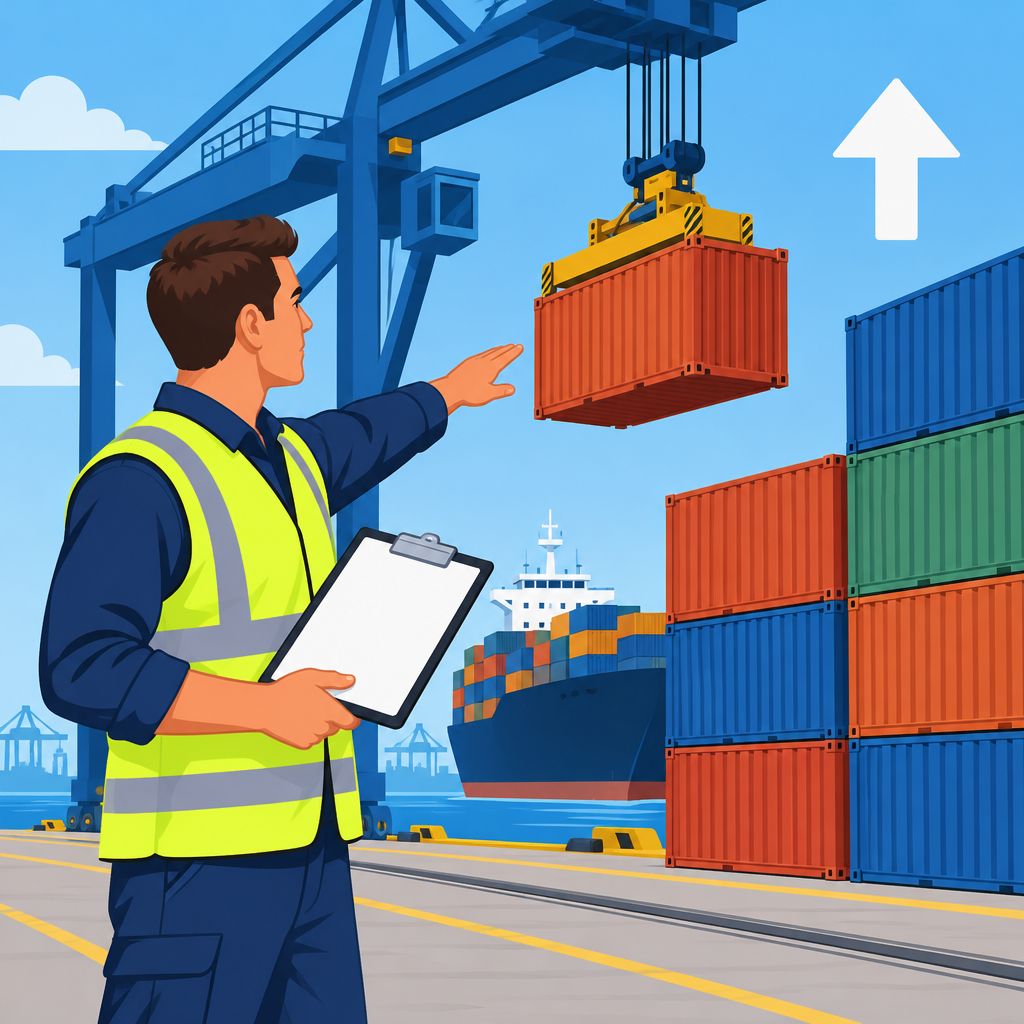
Technology and Equipment in Port Operations
Technology improves how ports manage cargo and coordinate daily operations.
Automated systems and specialized machinery help workers move goods more efficiently.
Additionally, strong safety practices reduce risks, delays, and disruptions during port activities.
- Automated systems load and unload cargo efficiently.
- Training prepares workers to operate forklifts and cranes.
- Safety measures help prevent accidents and operational delays.
Automated Cargo Systems
Automated systems have changed how ports handle cargo.
These systems load and unload ships while reducing the need for manual labor.
Consequently, workers can operate cargo systems efficiently and shorten ship turnaround times.
Specialized Equipment Training
Training enables dock workers to operate forklifts and cranes correctly.
Workers develop the skills needed to control machinery during cargo handling.
As a result, equipment supports faster cargo movement and helps minimize delays.
Safety Measures for Efficient Operations
Port operations require safety measures because accidents can delay work and damage goods.
Workers follow safety protocols that help maintain secure working conditions.
Therefore, effective safety practices reduce risks and support consistent shipping operations.
See Related Content: Warehouse Supervisor Salary: What to Expect
Shipping efficiency affects costs, resource use, customer satisfaction, and market competitiveness.
Dock worker performance influences how smoothly ports handle shipping activities.
Efficient work helps shipping companies manage schedules while controlling avoidable expenses.
How Dock Efficiency Affects Shipping Costs
Efficient dock work can shorten vessel turnaround times.
It can also reduce idle periods that increase shipping expenses.
Careful cargo handling helps companies limit delays and demurrage charges.
- Reduce turnaround times for vessels
- Minimize idle time for ships
- Optimize cargo handling processes
- Prevent delays and demurrage charges
Dock Efficiency and Customer Satisfaction
Shipping companies must meet tight deadlines to maintain customer satisfaction.
Dock workers can load and unload cargo quickly when operations require prompt action.
They also support timely documentation, customs clearance, and operational problem solving.
- Load and unload cargo quickly
- Coordinate efficiently with port personnel
- Support proper documentation and customs clearance
- Resolve operational issues promptly
Business Benefits of Efficient Dock Work
Efficient dock workers strengthen the daily performance of shipping companies.
Their work can lower turnaround times and operating costs.
Reliable port performance can support customer retention and stronger market competitiveness.
- Improve overall operational efficiency
- Strengthen the company’s reputation for reliability
- Reduce turnaround times and costs
- Attract customers and encourage repeat business
Discover More: How Route Planners Handle Unexpected Delays
Challenges Faced by Dock Workers
Dock work presents several challenges that can affect performance and efficiency during shipping operations.
These challenges involve physical strain, changing weather, and pressure to work quickly.
Therefore, workers must manage each risk while maintaining safe and effective operations.
Physical Demands and Workplace Injuries
Dock workers lift heavy cargo, operate machinery, and move quickly while loading and unloading ships.
These demanding tasks can cause fatigue, muscle strains, and other injuries.
Consequently, workers need good physical condition and must follow proper safety protocols.
Unpredictable Weather Conditions
Weather conditions can strongly affect daily dock operations.
Transform Your Career Today
Unlock a personalized career strategy that drives real results. Get tailored advice and a roadmap designed just for you.
Start NowStrong winds, heavy rain, and extreme temperatures may delay schedules or disrupt cargo handling.
Moreover, these conditions can create safety risks, so workers must adapt while protecting operational efficiency.
Balancing Speed and Workplace Safety
Shipping deadlines pressure dock workers to complete tasks quickly and efficiently.
However, excessive speed can weaken safety practices and increase the risk of accidents or injuries.
Workers therefore need proper procedures, protective gear, and clear communication to maintain safe operations.
Dock Worker Contributions to Global Trade
Dock workers keep shipping activities operating smoothly.
They load and unload goods efficiently, supporting the broader supply chain.
Their dedication helps ships depart on schedule and meet delivery deadlines.
This performance benefits global trade by keeping goods moving between markets.
Without their contributions, international trade would operate less efficiently.


