




Introduction
Route planners support transportation logistics.
They help optimize routes for efficiency and cost-effectiveness.
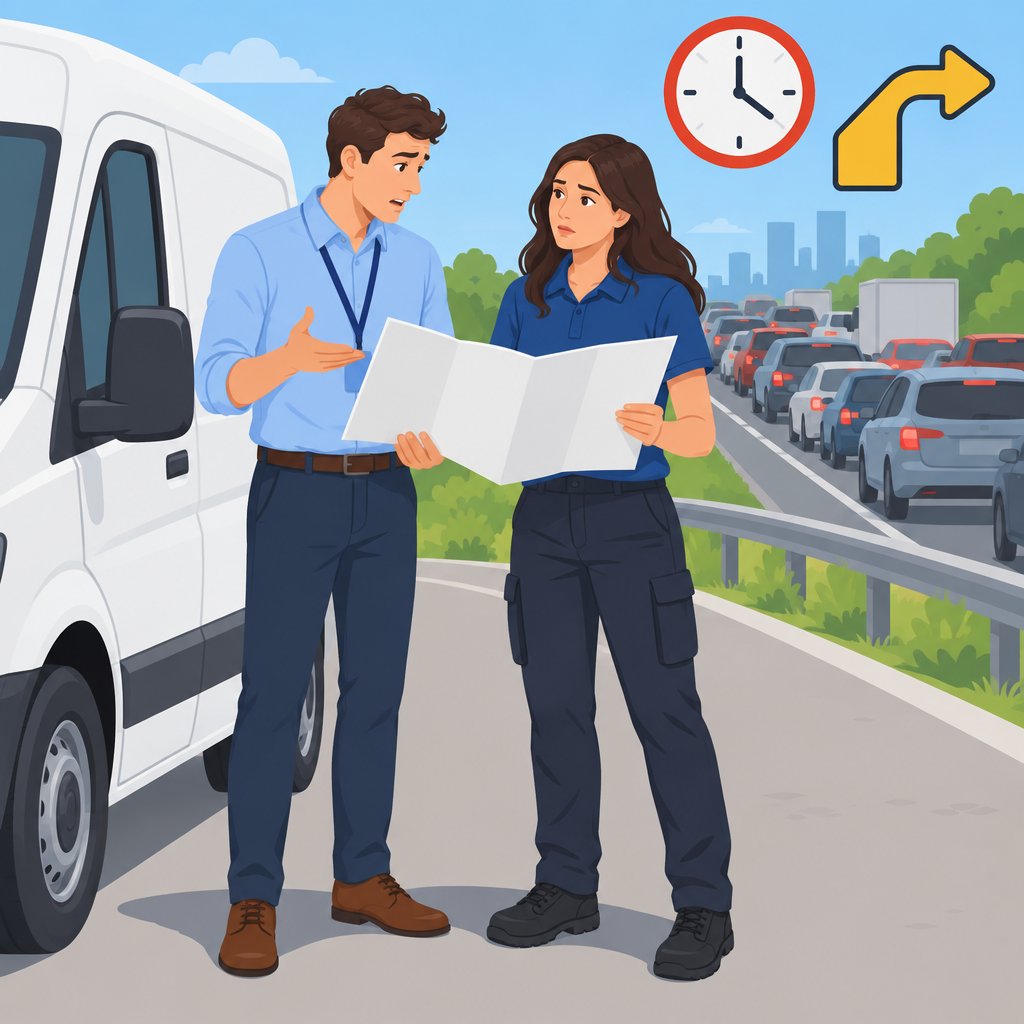
Unexpected delays can disrupt these carefully planned routes and affect the supply chain.
Brief Overview of Route Planners
Route planners use algorithms to calculate efficient routes.
These algorithms consider distance, traffic conditions, and delivery schedules.
Therefore, route planners help ensure timely deliveries and maximize resources.
Impact of Unexpected Delays
Traffic congestion, accidents, and bad weather can disrupt carefully crafted schedules.
Consequently, these disruptions can increase delivery times and waste resources.
They can also leave customers unhappy.
Route planners rely on real-time data to manage unexpected delivery delays.
This data reports current traffic conditions, road closures, accidents, and other delivery obstacles.
Consequently, planners can adjust routes quickly and support timely deliveries.
Importance of Real-Time Data
Real-time data shows route planners what currently happens on the roads.
Planners use these updates to recognize developing problems before they significantly affect delivery times.
Therefore, current information helps planners choose practical responses to changing road conditions.
Role of Real-Time Data in Route Planning
Live information helps planners evaluate traffic congestion, accidents, and other disruptions.
It also supports faster decisions when planned routes no longer remain efficient.
As conditions change, planners can use updated information to coordinate route adjustments.
- Real-time data provides live updates about traffic congestion and accidents.
- It helps planners identify alternative routes that may avoid delays.
- Planners can make quick decisions using current road conditions.
- Updated information supports efficient rerouting during unexpected delays.
How Planners Adjust Routes During Unexpected Delays
Route planners monitor current conditions to identify disruptions that could affect delivery schedules.
They then compare available routes and select alternatives that may reduce travel delays.
Meanwhile, planners communicate updated instructions so drivers can respond to changing conditions.
- Planners monitor traffic conditions, accidents, and other factors affecting delivery times.
- They identify alternative routes when unexpected delays affect the planned journey.
- Planners communicate updated road information and revised routes to drivers.
- They reroute vehicles around congested areas to reduce schedule disruptions.
Real-time data gives planners the information needed to respond effectively to unexpected delays.
It enables informed decisions, alternative route selection, driver communication, and vehicle rerouting.
These actions help planners maintain delivery schedules despite changing road conditions.
Alternative Route Options
Unexpected delays require route planners to compare practical alternatives quickly.
Real-time traffic and closure information helps them assess available paths.
Therefore, planners can choose options that protect travel efficiency when conditions change.
Available Alternative Routes
Planners commonly redirect vehicles through side streets or alternate highways.
Although these routes may add distance, they can bypass congestion and reduce travel time.
Additionally, planners may combine different transportation modes when road delays threaten the original plan.
Factors for Selecting an Alternative Route
Route planners weigh several conditions before selecting the most suitable alternative.
They compare current road conditions, route length, accessibility, travel patterns, and weather risks.
Consequently, planners can balance travel time, safety, and practical access during unexpected disruptions.
- Traffic conditions reveal congested areas and support decisions favoring smoother traffic flow.
- Distance comparisons help planners avoid unnecessary travel while bypassing delayed areas.
- Time of day can indicate traffic patterns and potential bottlenecks.
- Accessibility checks confirm that vehicles can navigate alternate routes without obstacles or closures.
- Weather conditions may affect road surfaces, visibility, and traffic movement.
By comparing these factors, route planners can select a workable alternative under changing conditions.
This approach helps maintain efficient transportation of goods and passengers despite unexpected delays.
Uncover the Details: Transportation Analyst: Real-world Applications
Communication With Drivers
- Route planners and drivers need strong communication to coordinate transportation effectively.
- Effective communication helps teams handle unexpected delays in the transportation industry.
- Route planners must keep drivers informed about route changes and unexpected delays.
- As a result, drivers can adjust their schedules when conditions change.
- Drivers depend on planners for timely updates that support navigation during unexpected delays.
How Route Planners Inform Drivers
- Route planners use text messages, phone calls, and GPS tracking systems to communicate.
- Drivers receive alerts on mobile devices or through in-cab communication systems.
- Additionally, route planners can use optimization software to reroute drivers around delays or closures.
- Real-time communication helps minimize unexpected delays’ effects on delivery schedules.
- Drivers can report road conditions, helping planners make better routing decisions.
See Related Content: Challenges Faced by Traffic Managers Daily
Technology Tools for Delay Management
Route planners use specialized technology to evaluate changing conditions and manage disruptions efficiently.
GPS platforms show current road conditions, construction zones, and accidents affecting planned journeys.
Meanwhile, traffic monitoring systems reveal recurring congestion patterns and peak travel periods.
Transform Your Career Today
Unlock a personalized career strategy that drives real results. Get tailored advice and a roadmap designed just for you.
Start Now- Technology applications in route planning
- GPS and traffic monitoring systems for managing unexpected delays
- Tools that support efficient responses to changing travel conditions
With these tools, planners can compare route conditions and select responses when disruptions affect scheduled journeys.
Weather forecasting tools also expose conditions that could create weather-related delays.
Furthermore, historical data and machine learning help software predict traffic patterns before congestion develops.
Traffic cameras and vehicle tracking systems add operational information for informed planning decisions.
Predictive analytics can highlight possible delays early, giving planners time to revise schedules and route assignments.
Additionally, automation reduces manual work and supports faster responses when conditions change unexpectedly.
Communication tools connect planners with drivers while teams coordinate technology-informed adjustments.
Together, these technologies give route planners practical support for maintaining efficient deliveries during disruptions.
Find Out More: Training Programs for New Warehouse Associates
Collaboration helps route planners manage unexpected delays across transportation operations.
They work with traffic authorities and suppliers to share information and coordinate responses.
This cooperation supports smoother navigation through potential obstacles.
Coordination with Traffic Authorities
- Route planners coordinate with traffic authorities to gather information about road conditions, accidents, and other delay factors.
- Consequently, planners can adjust routes, reroute vehicles, or communicate changes to drivers.
- Traffic authorities help planners respond quickly as road conditions change.
- This partnership helps planners provide accurate arrival times and maintain service during unexpected delays.
Coordination with Suppliers
- Route planners collaborate with suppliers to support timely deliveries of goods and materials.
- They share delivery schedules, product availability, and information about potential delays.
- As a result, planners can adjust routes and schedules when supply conditions change.
- This partnership reduces idle time and improves efficiency throughout the supply chain.
These partnerships help route planners manage unexpected delays more effectively.
By sharing information, stakeholders support informed decisions and minimize operational disruptions.
Therefore, route planners can protect supply chain performance and maintain customer satisfaction.
Explore Further: Warehouse Associate Job Outlook and Trends for 2025
Why Contingency Planning Matters
Contingency planning helps route planners respond proactively when unexpected disruptions affect delivery operations.
Instead of reacting after delays occur, planners prepare backup routes and schedules beforehand.
These preparations reduce disruption and protect planned delivery timelines.
Moreover, dependable responses help preserve customer satisfaction when unforeseen challenges arise.
Timely deliveries demonstrate preparedness and professionalism, which can strengthen long-term customer relationships.
Contingency plans also improve resource utilization during changing operational conditions.
Planners can reassign vehicles and drivers quickly, reducing wasted capacity and supporting productivity.
This approach can also help control operating costs during disruptions.
Risk Assessment and Operational Readiness
Planners begin by identifying risks that could interrupt planned journeys.
They review historical information to recognize recurring bottlenecks and congestion patterns.
They also consider adverse weather and other conditions that may delay deliveries.
This assessment helps teams prepare suitable responses before problems affect schedules.
Next, planners establish procedures for adjusting routes, delivery assignments, or stop times.
They can then modify operations promptly when conditions change.
Clear procedures help drivers understand revised expectations and maintain delivery progress.
Planners should also monitor delivery performance after disruptions occur.
Reviewing each response helps teams refine future contingency plans and improve operational efficiency.
Thus, route management becomes more resilient without relying on last-minute decisions.
Traffic Analysis Supports Faster Responses
Traffic analysis helps planners identify developing slowdowns before they severely affect journeys.
They can compare current movement with historical patterns to anticipate possible delays.
Weather information also helps planners account for conditions that may affect travel.
When disruptions arise, planners can revise schedules and routes to preserve travel time.
Route Adjustments Support Delivery Priorities
Route planners can give drivers updated arrival estimates as conditions change.
They can also place urgent deliveries ahead of less time-sensitive shipments.
Transform Your Career Today
Unlock a personalized career strategy that drives real results. Get tailored advice and a roadmap designed just for you.
Start NowGPS tracking allows planners to review vehicle progress throughout each journey.
As a result, planners can modify schedules when vehicle progress differs from expectations.
Planning Software Improves Operational Efficiency
Advanced software applies algorithms to identify efficient routes for transportation operations.
These tools can reduce fuel costs while supporting stronger productivity.
Furthermore, integrated GPS systems show vehicle locations during active deliveries.
Planners can use traffic and weather updates to make better operational decisions.
Responsive Planning Strengthens Delivery Performance
Responsive route planning helps transportation teams manage disruptions without losing operational focus.
Planners can balance delivery urgency, vehicle progress, and changing travel conditions.
This approach supports timely deliveries and helps transportation companies use resources efficiently.
Consequently, effective planning contributes to smoother operations and stronger customer satisfaction.
Additional Resources
Google search results for How Route Planners Handle Unexpected Delays Transportation and Logistics
Bing search results for How Route Planners Handle Unexpected Delays Transportation and Logistics


