




Delivery Driver Safety Practices
Online shopping continues increasing the demand for delivery drivers.
Therefore, drivers must protect themselves, their cargo, and other road users.
These safety practices support secure and successful deliveries.
Focused Driving
Stay alert and focus on the road during every delivery.
Remain aware of your surroundings to help avoid accidents.
Consequently, focused driving supports safer and more timely deliveries.
Route Planning
Plan each route before beginning your delivery journey.
Prioritize safer routes and avoid high-traffic areas whenever possible.
This preparation helps drivers identify potential hazards before traveling.
Secure Package Handling
Secure every package inside the vehicle during transit.
Properly secured packages reduce shifting while the vehicle moves.
As a result, drivers can reduce the risk of damage or injury.
Traffic Law Compliance
Follow posted speed limits throughout every delivery route.
Obey traffic signals and road signs to maintain legal driving practices.
These actions help drivers maintain safer conditions on the road.
Safety Equipment Use
Wear a seat belt whenever the vehicle moves.
Use mirrors effectively to improve awareness around the vehicle.
Additionally, use hazard lights when necessary to improve visibility.
Customer Communication
Keep customers informed about important delivery updates.
Clear communication helps customers understand the delivery process.
It also supports smoother transactions and better expectation management.
Weather Readiness
Check weather forecasts before starting delivery routes.
Prepare the necessary gear for the expected driving conditions.
Thus, weather awareness helps drivers make safer decisions.
Rest and Breaks
Take regular breaks when driving fatigue develops.
Rest periods help drivers remain refreshed and focused.
Furthermore, avoiding fatigue supports safer decisions on the road.
Vehicle Maintenance
Check the vehicle regularly for maintenance issues.
Addressing vehicle concerns helps maintain reliable delivery transportation.
Regular checks also help ensure that the vehicle remains safe.
Calm Responses During Difficult Situations
Stay calm and patient during challenging delivery situations.
Composure helps drivers evaluate circumstances before choosing a response.
As a result, drivers can prioritize safety while making sound decisions.
Safer Delivery Experiences
Following these practices helps delivery drivers protect themselves and others.
Careful preparation also helps protect packages during transportation.
Together, these habits make each delivery more secure and successful.
Road Conditions and Safe Delivery Driving
Delivery drivers must stay aware of current weather conditions.
Rain, snow, and ice can create hazardous driving conditions.
Drivers can prevent accidents and complete deliveries safely by adjusting speed and following safe practices.
Effects of Changing Weather Conditions
Transform Your Career Today
Unlock a personalized career strategy that drives real results. Get tailored advice and a roadmap designed just for you.
Start Now- Changing weather can reduce visibility on the road.
- Rain or snow can make roads slippery and cause skidding.
- Icy conditions can make effective braking difficult.
- Strong winds can affect vehicle stability.
- Fog can obscure road signs and other vehicles.
Adjusting Speed for Road Conditions
- Reduce speed on wet or icy roads to maintain control.
- Slow down when rain, fog, or snow reduces visibility.
- Drive cautiously in strong winds to help prevent accidents.
- Adjust speed on uneven or damaged road surfaces.
- Stay within speed limits and avoid sudden acceleration or braking.
Safe Driving Practices
- Always wear a seatbelt to protect yourself during an accident.
- Avoid texting or making phone calls while driving.
- Use turn signals and follow lane markings during lane changes.
- Maintain a safe following distance for proper braking.
- Obey traffic laws and signs to help avoid collisions and tickets.
Practice Defensive Driving
Defensive driving helps drivers anticipate dangers and respond before situations become emergencies.
Delivery drivers need this approach because they spend long hours driving in changing conditions.
Therefore, proactive decisions can support safer and more efficient deliveries.
Benefits of Defensive Driving for Delivery Drivers
Defensive driving helps drivers avoid accidents and reduce risks.
It also protects drivers, passengers, pedestrians, cyclists, and other road users.
Additionally, preventing accidents supports timely deliveries and may reduce insurance costs.
- Drivers can avoid accidents and reduce risks.
- Defensive driving protects drivers and other road users.
- Preventing accidents helps drivers complete timely deliveries.
- Safe driving may reduce insurance costs for drivers and companies.
Ways to Anticipate and Avoid Potential Accidents
Drivers can anticipate hazards by maintaining space and scanning their surroundings.
Meanwhile, mirror checks help drivers notice vehicles and other road users nearby.
Drivers should also increase caution during adverse weather and avoid phone-related distractions.
- Keep a safe following distance from other vehicles.
- Scan the road ahead for potential hazards.
- Use mirrors to monitor surrounding traffic.
- Exercise extra caution during adverse weather conditions.
- Avoid texting, phone calls, and other distractions.
Maintaining Alertness and Focus on the Road
Alert drivers can react quickly when traffic changes suddenly.
They also remain aware of pedestrians and cyclists while obeying traffic laws.
Regular breaks and proper vehicle maintenance help drivers manage fatigue and driving responsibilities.
- React quickly to sudden changes in traffic.
- Watch for pedestrians and cyclists.
- Obey traffic laws and speed limits.
- Take regular breaks to combat fatigue.
- Keep the vehicle in good working condition.
By practicing defensive driving, delivery drivers can minimize accidents and support safe, efficient deliveries.
See Related Content: Historical Evolution of Railroad Engineering
- Stress the importance of conducting regular vehicle checks before each delivery.
- List essential items to inspect, such as brakes, tires, and lights.
- Provide tips on what to do if vehicle issues arise during a delivery.
Regular delivery vehicle inspections protect drivers and packages during transportation.
They also reduce the risk of accidents and delays on the road.
Drivers should complete these checks before every delivery trip.
Importance of Regular Vehicle Checks
Before each delivery trip, drivers should inspect their vehicles thoroughly.
Regular maintenance helps prevent breakdowns and supports safe vehicle operation.
Brakes, tires, and lights require particular attention during every inspection.
Faulty brakes increase stopping distances and may cause accidents.
Worn tires can make driving hazardous, while working lights improve visibility.
Tips for Conducting Vehicle Inspections
Drivers should use a consistent inspection process before leaving for deliveries.
A careful inspection can reveal problems before the vehicle enters traffic.
Drivers should address concerns before starting the route.
- Check tire pressure and tread depth to maintain reliable road grip.
- Inspect the brakes for wear or abnormalities, and confirm responsive operation.
- Verify that headlights, brake lights, and turn signals work correctly.
- Look for leaks and check fluid levels against recommended ranges.
Dealing with Vehicle Issues During a Delivery
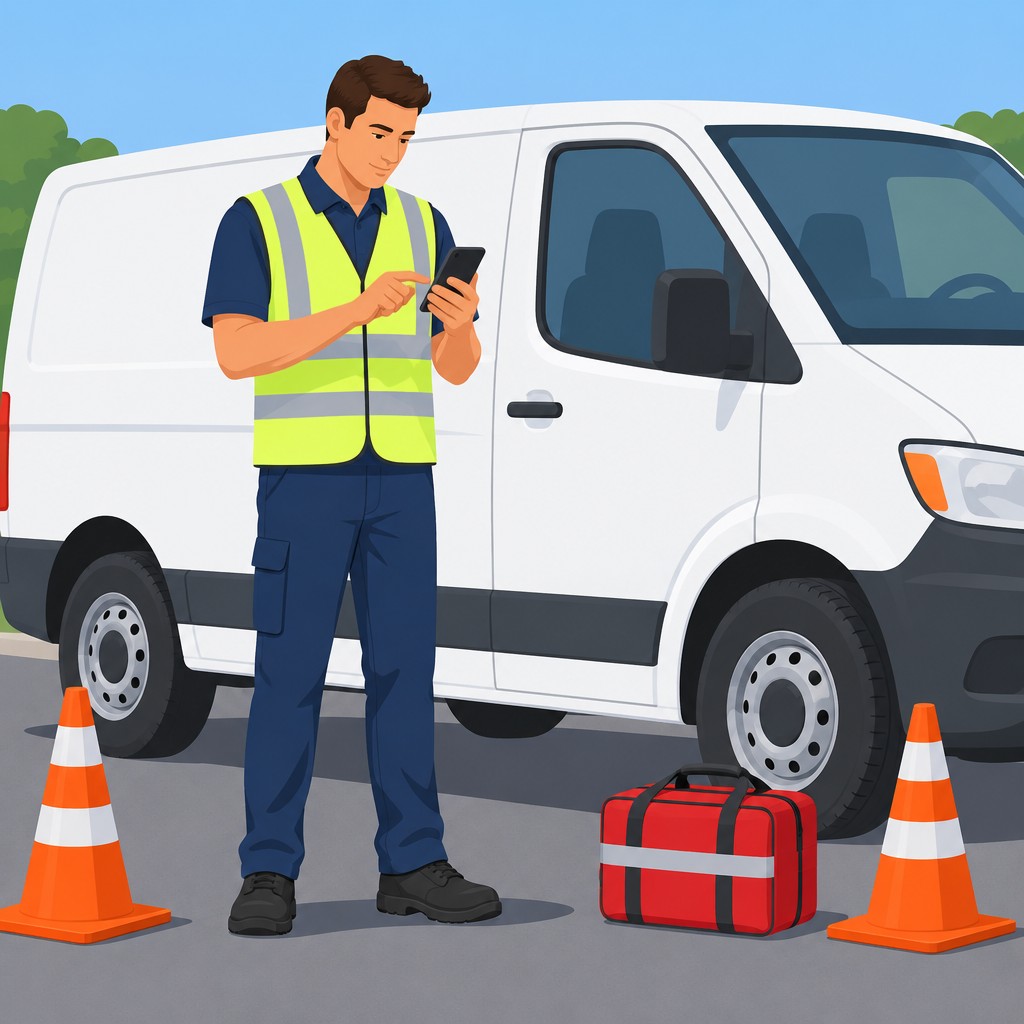
Vehicle problems can still occur during a delivery, despite regular inspections.
Drivers should prioritize safety while managing problems on the route.
They should communicate promptly with dispatch or the fleet manager.
- Pull over in a safe location without obstructing traffic.
- Contact the fleet manager or dispatch for guidance.
- Use hazard lights and warning triangles to alert nearby drivers.
- Remain calm and follow the instructions provided by dispatch.
- Wait for assistance if the vehicle cannot move, rather than attempting repairs.
Regular inspections help drivers support safer and more reliable deliveries.
Promptly addressing vehicle concerns can reduce accidents, delays, and roadside hazards.
Gain More Insights: Freight Broker vs. Freight Forwarder: Key Differences
Secure Packages Properly
Packages require secure handling during delivery.
Proper securing protects items during transit.
It also supports safety for drivers and other road users.
Importance of Securing Packages
Packages can shift inside a vehicle when drivers do not secure them correctly.
Such movement can damage items during transit.
Unsecured loads can also cause accidents or injuries.
Additionally, secure packages face less risk of becoming lost or stolen.
Transform Your Career Today
Unlock a personalized career strategy that drives real results. Get tailored advice and a roadmap designed just for you.
Start NowTherefore, careful preparation helps drivers provide reliable service.
Methods for Securing Different Packages
Different package types require suitable materials and careful placement.
Drivers should inspect each package before loading it.
They should also arrange packages to limit movement during transport.
- Use sturdy boxes or envelopes for each package type.
- Fill empty spaces with bubble wrap or packing peanuts.
- Seal every package edge with strong packing tape.
- Apply clear and accurate address labels to prevent confusion.
- Stack packages securely to prevent toppling or shifting.
- Use proper lifting techniques during loading and unloading.
Proper Lifting Techniques
Improper lifting causes many injuries among delivery drivers.
Drivers should bend their knees and keep their backs straight while lifting.
They should use their leg muscles instead of relying on their backs.
Furthermore, drivers should avoid twisting while carrying heavy items.
Twisting can strain the back and cause injuries.
Dollies and hand trucks can reduce physical strain when moving heavy packages.
Using these tools can make package delivery safer and easier.
Explore Further: Legal Considerations for Couriers: Know Your Rights
Safety should remain a delivery driver’s top priority.
Delivery drivers spend substantial time on the road, where they face various hazards.
Therefore, careful habits can support safer and more successful deliveries.
Managing Distractions While Driving
- Recognize how distractions create risks for delivery drivers and other road users.
- Minimize distractions by avoiding phone use and other electronic devices while driving.
- Stay focused on the road throughout every delivery trip.
Distraction creates serious risks for delivery drivers and other road users.
Checking orders or messages while driving can cause accidents, injuries, or fatalities.
Additionally, using a phone behind the wheel is illegal in many places.
Set clear boundaries by avoiding phones and other electronic devices while driving.
If you must answer a call or check a message, pull over somewhere safe first.
Meanwhile, keep your eyes on the road, hands on the wheel, and attention on driving.
Delivery work requires constant attention and quick reflexes, so stay alert throughout each trip.
By reducing distractions, you help protect yourself and everyone around you.
Gain More Insights: Common Myths and Misconceptions About Bus Drivers
Common Hazards for Delivery Drivers
Delivery drivers encounter hazards that can change quickly during routine stops.
Therefore, drivers should scan nearby streets, driveways, and yards before moving.
Early awareness gives drivers more time to choose a safer response.
- Loose pets can run through neighborhoods or yards and dart unexpectedly into a vehicle’s path.
- Aggressive drivers may tailgate or cut you off, so maintain a safe following distance.
- Rain can make roads slippery, while fog can reduce visibility and increase driving risks.
- Construction zones require attention to detour signs and instructions from traffic flaggers.
Safe Responses to Road Hazards
Drivers can manage hazards more safely by staying composed and communicating clearly.
Meanwhile, careful decisions help reduce sudden reactions when conditions change.
These habits support safer movement around vehicles, pedestrians, and road work.
- Stay calm when hazards appear so you can make sound decisions without panic.
- Use turn signals, the horn, and lights to communicate with drivers and pedestrians.
- Scan ahead, check blind spots, and anticipate possible hazards while driving.
- Follow speed limits, stop signs, and traffic signals to support safe driving.
Safety remains essential for delivery drivers throughout every trip.
By identifying hazards early and responding carefully, drivers can support safer deliveries.
Core Safety Protocols for Delivery Drivers
Delivery drivers must follow company safety guidelines to protect themselves and others.
These procedures promote safer travel and help prevent avoidable incidents.
Additionally, consistent safety habits support secure and successful deliveries.
- Always wear your seatbelt while driving to reduce injury risks during accidents.
- Obey traffic laws and signals to reduce collisions and traffic violations.
- Inspect your vehicle before each shift to confirm that it operates properly.
Safe Customer Interactions
Customer interactions form an important part of delivery work.
Drivers should communicate professionally while protecting their personal boundaries.
Furthermore, respectful conduct helps maintain positive customer relationships.
- Identify yourself as a delivery driver when approaching customers.
- Avoid personal conversations or sharing private information with customers.
- Remain courteous and respectful during every customer interaction.
Safety Before Delivery Speed
Timely deliveries matter, but drivers must place safety above speed.
Rushing can increase risks for drivers, customers, and other road users.
Transform Your Career Today
Unlock a personalized career strategy that drives real results. Get tailored advice and a roadmap designed just for you.
Start NowTherefore, drivers should manage their time without compromising careful decisions.
- Avoid speeding or rushing to complete deliveries more quickly.
- Plan routes in advance to reduce unnecessary risks during travel.
- Take breaks when needed to rest and refocus during tiring shifts.
Following these practices helps drivers create safer delivery experiences for themselves and their customers.
Practical Safety Habits for Delivery Drivers
Delivery drivers should apply these safety habits throughout every trip.
These choices help protect drivers, packages, and other road users.
Furthermore, consistent attention supports safer and more successful deliveries.
- Always wear your seatbelt while driving.
- Keep a safe following distance from vehicles ahead.
- Use your mirrors and check blind spots before changing lanes.
- Avoid distractions such as texting or phone calls.
- Consider weather conditions and adjust your driving accordingly.
Drivers should remain alert from departure until the final stop.
By following these practices, drivers can reduce preventable risks during delivery work.
Safety remains essential because careful decisions protect everyone sharing the road.
Additional Resources
Google search results for Safety Tips Every Delivery Driver Should Know Transportation and Logistics
Bing search results for Safety Tips Every Delivery Driver Should Know Transportation and Logistics


