




Introduction
An assembler in construction puts together components and materials for different structures.
This skilled worker helps construction teams complete projects efficiently and safely.
Therefore, assemblers support the organized progress of construction work.
Definition of an Assembler in Construction
An assembler is a key member of a construction team.
They assemble prefabricated items and materials according to plans and specifications.
By following those documents, assemblers help teams build structures as intended.
Importance of Assemblers in Construction Projects
Assemblers ensure that components fit together accurately during construction.
Consequently, their work helps create strong and durable structures.
They work with architects, engineers, and project managers to execute construction plans correctly.
Reading and Interpreting Construction Plans
Construction assemblers use blueprints to guide the assembly process.
These plans show how workers should construct the project.
Accurate blueprint reading helps assemblers avoid costly mistakes.
- Blueprints guide the assembly process.
- Understanding the plans supports proper project construction.
- Errors in blueprint interpretation can cause costly mistakes.
Following Instructions for Accurate Assembly
Assemblers follow specifications closely to produce quality work.
They apply precision to meet the project’s requirements.
Each blueprint detail must guide the assembly accurately.
- Following specifications closely supports quality work.
- Precision helps assemblers meet project requirements.
- Assemblers translate every blueprint detail into the finished assembly.
Organizing and Preparing Construction Materials
- Ensuring all necessary materials are on-site
- Sorting and arranging materials for efficient assembly
Assemblers in construction help projects progress efficiently and accurately.
One key responsibility involves organizing and preparing materials for construction tasks.
Assemblers must ensure all necessary materials are on-site before starting assembly work.
They coordinate with suppliers, project managers, and team members to guarantee a seamless workflow.
Additionally, assemblers sort and arrange materials for efficient assembly.
They categorize materials by size, type, and function to streamline construction.
Proper organization can significantly reduce assembly time and minimize errors.
Effective material management also supports a safe working environment.
Assemblers store materials securely and follow applicable safety regulations.
They label hazardous materials and keep work areas clean and clutter-free.
By organizing and preparing materials carefully, assemblers support construction project success.
Their attention to detail and proper handling enhance productivity and ensure high-quality results.
See Related Content: Warehouse Management Systems: Choosing the Right One
Using Hand and Power Tools Safely
As an assembler in construction, you must use hand and power tools effectively.
These tools support cutting, joining, and assembling materials during construction tasks.
Therefore, strong tool skills help you complete assembly work accurately and efficiently.
- Proficiency in using tools such as drills, saws, and hammers
- Following safety protocols while operating tools
Safety remains essential whenever you operate tools on a construction site.
Always wear suitable personal protective equipment, including gloves, safety goggles, and helmets.
Following safety procedures helps prevent workplace accidents and injuries.
Before using a tool, learn its operation and review its safety features.
Check that each tool works properly and has no defects or damage.
Also, maintain tools regularly to support their efficiency and longevity.
Follow the manufacturer’s instructions for tool use and maintenance.
Choose a drill bit that matches the material you need to drill.
Different bits suit wood, metal, or concrete.
Transform Your Career Today
Unlock a personalized career strategy that drives real results. Get tailored advice and a roadmap designed just for you.
Start NowUsing the wrong bit can damage the tool or material and cause construction delays.
Select a saw blade designed for the material you will cut.
Correct blade selection improves cutting precision and efficiency.
Consequently, accurate cuts can support better construction quality.
Hold hammers securely and strike targets with controlled precision.
Poor hammering technique can cause injuries or damage the workpiece.
Practice proper hammering skills to support accurate and efficient assembly.
By choosing suitable tools and following safe techniques, you can support successful construction projects.
See Related Content: Training Programs for Aspiring Power Line Workers
Assembling and Installing Construction Components
Assemblers put together prefabricated parts or construct items on site.
They follow project specifications while assembling components for buildings and infrastructure.
Moreover, precise assembly supports quality, safety, and structural integrity throughout construction projects.
- Putting together prefabricated parts or constructing items on site
- Ensuring precision and quality during assembly work
Following Safety Protocols During Assembly
Assemblers follow safety protocols and workplace guidelines during every construction task.
They wear appropriate personal protective equipment while handling tools and materials.
Additionally, they maintain a safe work environment to help prevent accidents.
Collaborating With Construction Team Members
Assemblers collaborate with carpenters, electricians, plumbers, and other construction workers.
They communicate about component placement, installation requirements, and project progress.
Consequently, effective teamwork helps workers install components correctly and maintain steady progress.
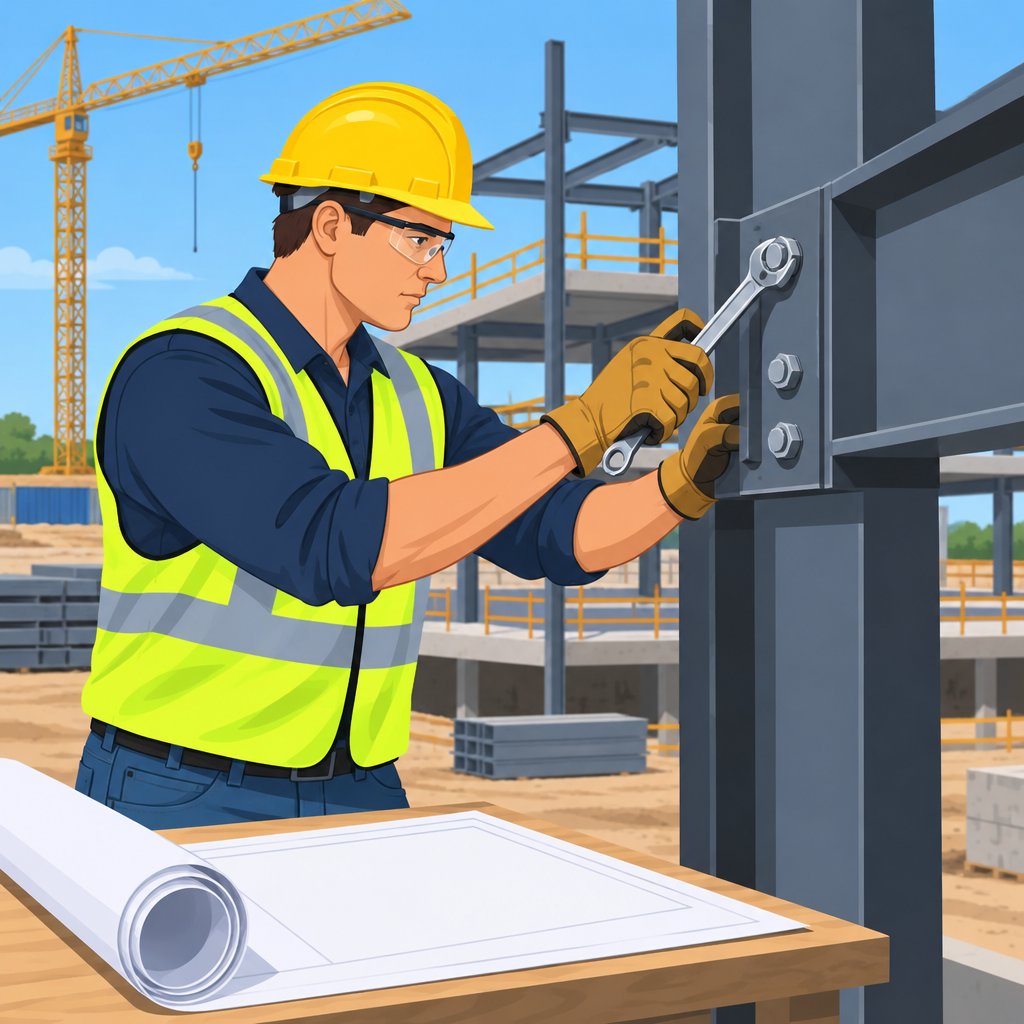
Inspecting Completed Assembly Work
Assemblers inspect completed installations after finishing the assembly process.
They compare the finished work with required standards and project specifications.
Finally, they identify defects or issues requiring correction before project completion.
Find Out More: Concrete Finisher vs. Mason: What's the Difference?
Collaborating With Construction Team Members
- Work closely with construction workers and contractors
- Communicate clearly throughout the assembly process
Assemblers collaborate with construction workers and contractors to keep assembly tasks organized.
Clear communication helps team members coordinate responsibilities and share important information.
Furthermore, effective communication helps workers address issues during the assembly process.
Assemblers build trust and mutual respect by maintaining positive working relationships.
These relationships support a productive environment for everyone involved.
Additionally, team members share responsibilities and support one another when tasks require assistance.
Assemblers contribute by joining discussions and participating in problem-solving activities.
Teamwork also encourages workers to exchange ideas, feedback, and effective practices.
By working together, assemblers can learn from colleagues and strengthen their skills.
Strong collaboration helps teams produce quality results and meet project deadlines.
Uncover the Details: The Future of Roofing: Trends and Innovations
- Following project schedules and meeting deadlines
- Working efficiently to stay on track with construction timelines
Adhering to Construction Timelines and Deadlines
Assemblers play an essential role in maintaining construction schedules and meeting project deadlines.
They follow assigned timelines while completing assembly tasks within the required periods.
Consequently, their timely work helps projects remain organized and supports completion within budget.
Following Project Schedules
Assemblers follow project schedules provided by project managers.
They review schedules regularly to understand upcoming milestones and required deadlines.
By tracking project requirements, assemblers can plan their work and maintain steady progress.
Working Efficiently Within Construction Timelines
Efficiency helps assemblers complete their tasks within specified timeframes.
Transform Your Career Today
Unlock a personalized career strategy that drives real results. Get tailored advice and a roadmap designed just for you.
Start NowTherefore, they work diligently and organize their activities to remain on track.
This proactive approach supports construction efficiency and helps projects reach successful delivery.
Inspecting Finished Work
As an essential part of construction, inspectors help ensure that assembled components meet required standards.
First, inspectors examine finished work to identify defects or discrepancies.
They compare assembled components with specifications in the construction plans.
- Inspectors conduct quality checks to verify proper assembly.
- They meticulously examine finished work for defects or discrepancies.
- Next, they compare assembled components with construction plan specifications.
- When they find issues, inspectors document them and notify the assembly team.
- Finally, inspectors make necessary adjustments or corrections to support regulatory compliance.
This inspection process helps maintain construction quality and safety standards.
Maintaining Clean and Safe Construction Work Areas
Assemblers in construction help maintain clean and safe work environments during assembly tasks.
This responsibility supports efficient work and protects everyone working on the site.
Therefore, careful housekeeping and consistent safety practices remain essential throughout each project.
Cleaning Completed Assembly Areas
After completing an assembly task, assemblers clean the surrounding work area.
They remove debris, unused tools, and materials that no longer serve the task.
Consequently, orderly areas improve site appearance and reduce risks of accidents or injuries.
Following Construction Safety Regulations
Assemblers also follow safety regulations to help prevent accidents on site.
They wear appropriate personal protective equipment and follow established procedures.
By doing so, they protect themselves and their colleagues while supporting project success.
Assembler Responsibilities in Construction
Assemblers support construction projects by completing several connected responsibilities.
They help teams build structural components accurately, safely, and efficiently.
Their work requires careful attention to project requirements and workplace procedures.
Quality and Safety Standards
Assemblers check their work to ensure structures meet the required specifications.
They follow safety procedures to reduce accidents and injuries on construction sites.
Furthermore, careful assembly helps teams produce reliable structural components.
Teamwork and Workplace Organization
Assemblers coordinate with other workers to keep construction activities organized.
They gather required materials and tools before beginning assigned assembly tasks.
Afterward, assemblers clean and maintain their work areas.
Value of Skilled Assembly Work
Skilled assemblers help construction teams complete projects successfully.
Their accuracy, preparation, cooperation, and safety awareness support steady project progress.
Reliable assembly work strengthens the overall effectiveness of construction operations.


