



Introduction
Maintaining cleanliness in large commercial spaces is crucial for creating a professional environment.
Keeping these areas clean poses unique challenges due to their size and high foot traffic.
Divide the Space into Zones
Categorize different areas for more efficient cleaning.
Assign specific tasks to housekeeping staff based on zones.
- Improved organization and efficiency in cleaning operations.
- Allows for better allocation of resources and manpower.
- Enhances overall cleanliness and maintenance of the commercial space.
Implement a Regular Cleaning Schedule
Set a cleaning schedule that suits the specific needs of the commercial space.
Include daily, weekly, and monthly tasks to ensure thorough cleaning.
Delegate responsibilities and hold staff accountable for their assigned tasks.
- Factor in peak hours and downtime to minimize disruptions.
- Consider the type of flooring, furniture, and fixtures in each zone.
- Update the schedule regularly to adapt to changing needs and occupancy levels.
Invest in the Right Cleaning Equipment and Products
Choose cleaning tools and products that are suitable for large commercial spaces.
Consider factors such as floor type, surface material, and level of foot traffic.
Provide proper training on the use of equipment and products to ensure safety and efficiency.
- Commercial-grade vacuum cleaners and floor scrubbers.
- Microfiber cloths and mop heads for effective dusting and mopping.
- Multi-surface cleaners, disinfectants, and odor neutralizers.
Focus on High-Traffic Areas and Touchpoints
Prioritize cleaning high-traffic areas such as lobbies, hallways, and restrooms.
Pay special attention to frequently touched surfaces like doorknobs, elevator buttons, and handrails.
Use disinfectants and sanitizers to reduce the spread of germs and bacteria.
- Reception desks, waiting areas, and conference rooms.
- Elevator interiors, staircase railings, and escalator handrails.
- Restroom facilities, kitchen areas, and communal spaces.
Train Housekeeping Staff on Best Practices
Provide comprehensive training on cleaning techniques, safety protocols, and customer service skills.
Emphasize the importance of attention to detail and consistent performance standards.
Encourage open communication and feedback to address any issues or concerns promptly.
- Proper use of cleaning equipment and products.
- Effective time management and task prioritization.
- Customer interaction and conflict resolution strategies.
Invest in Quality Cleaning Equipment
When it comes to maintaining cleanliness in large commercial spaces, investing in high-quality cleaning equipment is crucial.
Industrial-grade vacuums, mops, and scrubbers are essential tools.
They can make a significant difference in the efficiency and effectiveness of your cleaning routine.
- Use industrial-grade vacuums, mops, and scrubbers
- Ensure equipment is suitable for the size of the space
These tools are specifically designed to handle the demands of cleaning large commercial areas.
They have more power and durability compared to standard household cleaning equipment.
They are more efficient at removing dirt and grime.
It is important to choose cleaning equipment that is appropriate for the size of the commercial space you need to clean.
If you have a large warehouse or office building, you will need industrial-grade equipment with a wide cleaning path and long reach.
This equipment covers the area effectively.
By investing in quality cleaning equipment that is suitable for the size of your commercial space, you can ensure your cleaning routine is efficient.
Your routine will be thorough and hassle-free.
Gain More Insights: Top Fence Design Trends for Modern Homes in 2025
One of the key aspects of effective housekeeping in large commercial spaces is developing a cleaning schedule.
By creating a structured plan for cleaning tasks, you can ensure that all areas are consistently maintained and remain in top condition.
Here are some tips on how to develop a cleaning schedule for your commercial space.
Daily Cleaning Checklist
- Start each day with a quick walkthrough to assess the overall cleanliness of the space.
- Assign daily tasks such as emptying trash bins, wiping down surfaces, and vacuuming high-traffic areas.
- Focus on high-touch surfaces like doorknobs, light switches, and elevator buttons for frequent sanitization.
Weekly Cleaning Checklist
- Set aside time each week for more in-depth cleaning tasks such as mopping floors and dusting surfaces.
- Inspect restrooms and kitchen areas to ensure they are thoroughly cleaned and stocked with supplies.
- Rotate tasks within the week to cover all areas of the space effectively.
Monthly Cleaning Checklist
- Plan monthly deep cleaning sessions to tackle areas that may be overlooked in daily and weekly routines.
- Focus on tasks such as cleaning windows, shampooing carpets, and organizing storage areas.
- Use this time to address any maintenance issues or repairs that may arise during routine cleaning.
Following a structured cleaning schedule that includes daily, weekly, and monthly tasks ensures your commercial space remains clean.
This approach keeps your space organized and welcoming for employees, clients, and visitors.
Remember to adjust your schedule as needed to accommodate seasonal changes, special events, or extra cleaning requirements.
See Related Content: Seasonal Tips for Insulation Workers: Summer and Winter
Importance of Proper Waste Management in Commercial Spaces
Proper waste management is crucial for maintaining a clean and organized commercial space.
By implementing effective waste management procedures, you can reduce your environmental impact.
These procedures also improve the overall cleanliness and hygiene of your facility.
Here are some tips on how to manage waste effectively in large commercial spaces.
Set Up Proper Waste Disposal Bins in Strategic Locations
Ensure that waste disposal bins are conveniently located throughout your facility.
Transform Your Career Today
Unlock a personalized career strategy that drives real results. Get tailored advice and a roadmap designed just for you.
Start NowThis placement encourages proper disposal practices for staff and visitors.
It reduces littering and improper waste disposal significantly.
Label Waste Disposal Bins Clearly
Proper labeling helps staff and visitors identify the correct bins for different waste types.
Use clear and visible labels for general waste, recyclables, organic waste, and others.
This practice prevents contamination and ensures correct waste disposal.
Implement a Recycling Program
Promote waste management by implementing a recycling program in your facility.
Provide separate bins for recyclable materials like paper, plastic, glass, and metal.
Educate staff on recyclable items and make participation easy and accessible.
Train Staff on Recycling and Waste Segregation Practices
Proper training is essential for effective waste segregation and management.
Provide comprehensive training on recycling, waste segregation, and disposal equipment use.
Regularly remind and update staff to maintain consistency in waste management.
Monitor Waste Disposal Practices
Regular monitoring helps identify areas for improvement within your facility.
Track waste production, recycling rates, and contamination levels consistently.
Use this data to make informed decisions and adjust your waste management program as needed.
Implementing these waste management procedures improves cleanliness and sustainability.
Encouraging proper disposal, recycling, and segregation benefits both the environment and workplace.
A clean and hygienic environment creates a pleasant workplace for staff and visitors.
Make waste management a priority to promote a healthier and more sustainable commercial space.
- Set up proper waste disposal bins in strategic locations to encourage proper disposal practices.
- Train staff on recycling and proper waste segregation practices to minimize waste contamination.
See Related Content: How to Advance Your Career in Manufacturing
Train Staff on Safety Protocols
Provide proper safety gear to your staff.
Equip your staff with gloves and masks to protect them from harmful chemicals.
These precautions are vital when cleaning large commercial spaces.
Conduct regular training sessions for your staff.
Schedule frequent sessions to educate your staff on safe cleaning practices.
This helps minimize accidents and injuries in the workplace.
Emphasize the importance of safety to your staff.
Communicate the significance of following safety protocols clearly.
Create a culture of safety awareness and compliance within your team.
Demonstrate proper techniques for using cleaning equipment.
Show your staff how to use equipment correctly and safely.
This prevents accidents and ensures efficient cleaning of large commercial spaces.
Encourage open communication among your staff.
Foster an environment where staff report safety concerns or incidents comfortably.
Address any issues promptly to maintain a safe work environment.
Provide emergency response training to your staff.
Train them on how to respond to emergency situations like spills or accidents.
This helps mitigate risks and ensures a quick and effective response.
Regularly update your safety procedures.
Stay current with safety regulations and best practices.
Update safety protocols accordingly to ensure your staff’s safety.
Transform Your Career Today
Unlock a personalized career strategy that drives real results. Get tailored advice and a roadmap designed just for you.
Start NowMonitor compliance closely among your staff.
Supervise to ensure safety protocols are followed consistently.
Provide feedback or retraining as needed to maintain a safe working environment.
By prioritizing safety and providing proper training and equipment, your staff will clean large commercial spaces safely and effectively.
Find Out More: The Evolution of Construction Management Practices
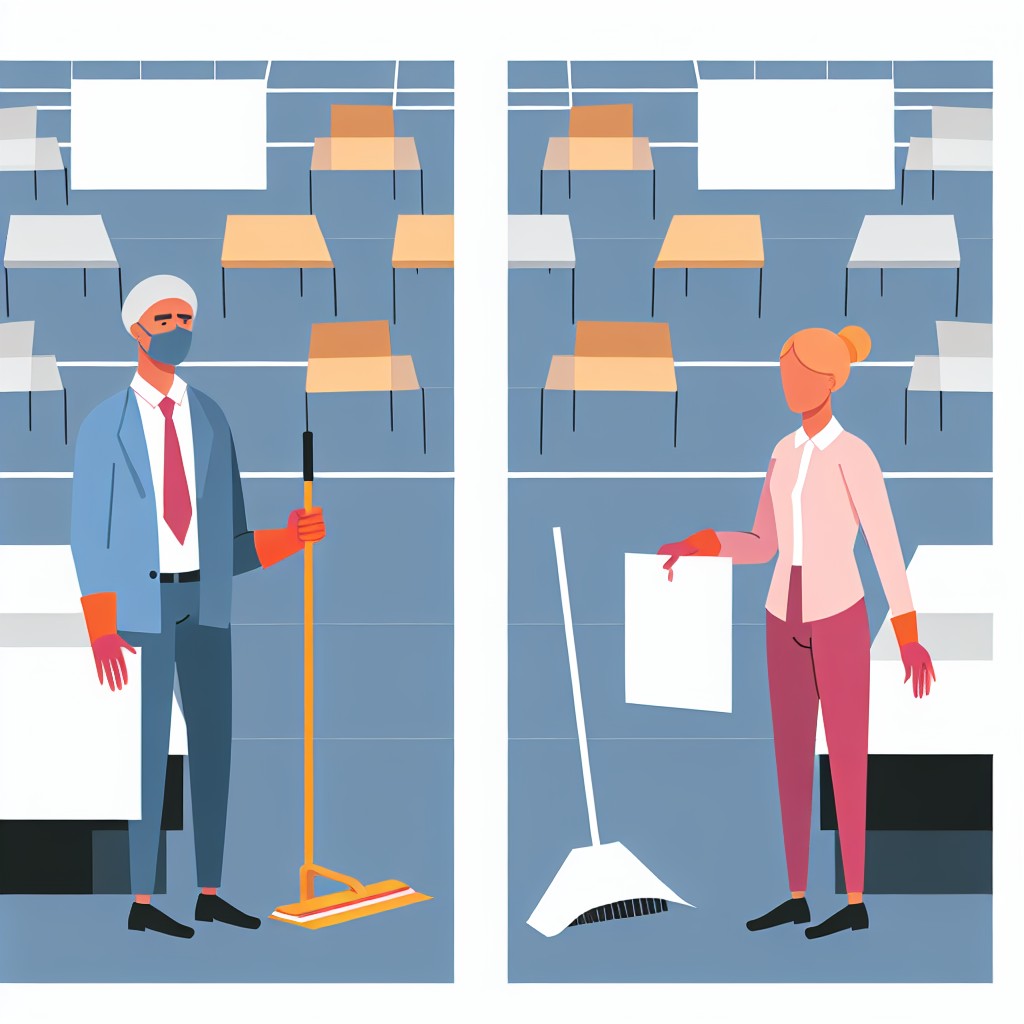
When it comes to maintaining cleanliness in large commercial spaces, technology can improve efficiency.
Utilizing technology increases productivity significantly.
Benefits of Cleaning Software for Task Management
- Consider investing in cleaning software that schedules and tracks cleaning tasks.
- These software programs streamline the process to maintain regular and efficient cleaning.
- They also manage inventory of supplies and equipment to avoid running out of essential items.
Advantages of Automated Cleaning Tools
- Automated cleaning tools like robotic vacuums speed up cleaning tasks.
- These tools cover large areas quickly, enabling staff to focus on detailed tasks.
- Investing in automated tools decreases time and manpower, enabling long-term cost savings.
Incorporating technology enhances cleanliness and maintenance in large commercial spaces.
Monitor cleanliness standards
- Perform regular inspections to ensure quality control.
- Address any issues or areas that need improvement promptly.
Monitoring cleanliness standards is a crucial aspect of maintaining a large commercial space.
By performing regular inspections, you can ensure the space is consistently clean and well-maintained.
Here are some tips on how to effectively monitor cleanliness standards in your commercial space.
Establish a cleaning checklist
Creating a detailed cleaning checklist is essential for monitoring cleanliness standards.
The checklist should outline specific tasks that need to be completed daily, weekly, and monthly.
This will help ensure that all areas of the commercial space are being properly maintained.
Implement quality control inspections
Regular quality control inspections should be conducted to evaluate the cleanliness of the commercial space.
This can include visual inspections, spot checks, and using tools such as ATP monitors to measure cleanliness levels.
By implementing these inspections, you can identify any areas that need improvement and address them promptly.
Provide training for cleaning staff
Proper training is essential for cleaning staff to ensure they follow established cleaning protocols.
By providing training on cleaning techniques, equipment usage, and health and safety standards, you can maintain consistent cleanliness standards in your commercial space.
Implement corrective actions
If any cleanliness issues are identified during inspections, it is important to address them promptly.
This may involve retraining cleaning staff, adjusting cleaning schedules, or implementing new procedures to prevent issues from recurring.
By taking corrective actions, you can maintain high cleanliness standards in your commercial space.
Use technology to monitor cleanliness
Technology can be a valuable tool for monitoring cleanliness standards in large commercial spaces.
There are various software programs and apps that can help track cleaning schedules, inspections, and maintenance tasks.
By utilizing technology, you can streamline the monitoring process and ensure cleanliness standards are consistently met.
By following these tips, you can effectively monitor cleanliness standards in your large commercial space.
You will maintain a clean and healthy environment for employees and visitors.
Importance of Maintaining Cleanliness and Organization in Commercial Spaces
Maintaining a clean and organized environment in large commercial spaces is crucial.
It promotes a positive image for the business.
It also ensures the safety and well-being of employees and visitors.
Implementing the housekeeping tips mentioned in this post can significantly improve cleanliness.
These tips also enhance the overall functionality of the workspace.
A well-maintained environment fosters productivity and efficiency among employees.
This improvement ultimately leads to successful business operations.
Regular cleaning schedules are essential in effective housekeeping.
Proper waste management contributes to maintaining cleanliness.
The use of appropriate cleaning equipment plays a key role.
Following these tips helps create a welcoming and safe work environment for everyone.
A clean and organized workspace reflects a company’s professionalism and credibility.
Encourage your team to prioritize cleanliness consistently.
Transform Your Career Today
Unlock a personalized career strategy that drives real results. Get tailored advice and a roadmap designed just for you.
Start NowStriving for excellence in maintaining cleanliness ensures a healthier workplace.
This leads to a more productive work environment for all employees.