




Top Skills Every Professional Housekeeper Should Have

Importance of Professional Housekeepers

Professional housekeepers play a crucial role in maintaining cleanliness.

They ensure organization and overall functionality of a home or establishment.

Their expertise makes living spaces hygienic and welcoming for residents and guests alike.

Setting Apart with Specific Skills

Certain skills set a housekeeper apart from the rest.

These skills make them more efficient, reliable, and effective in their role.

They enhance performance and contribute to professional growth and success in the industry.

Attention to Detail in Cleaning Tasks

Paying attention to small details is crucial in cleaning tasks.

It ensures a thorough job every time.

Overlooking small details impacts the overall cleanliness of a space.

Housekeepers can improve attention to detail by practicing mindfulness.

They should focus fully on each task performed.

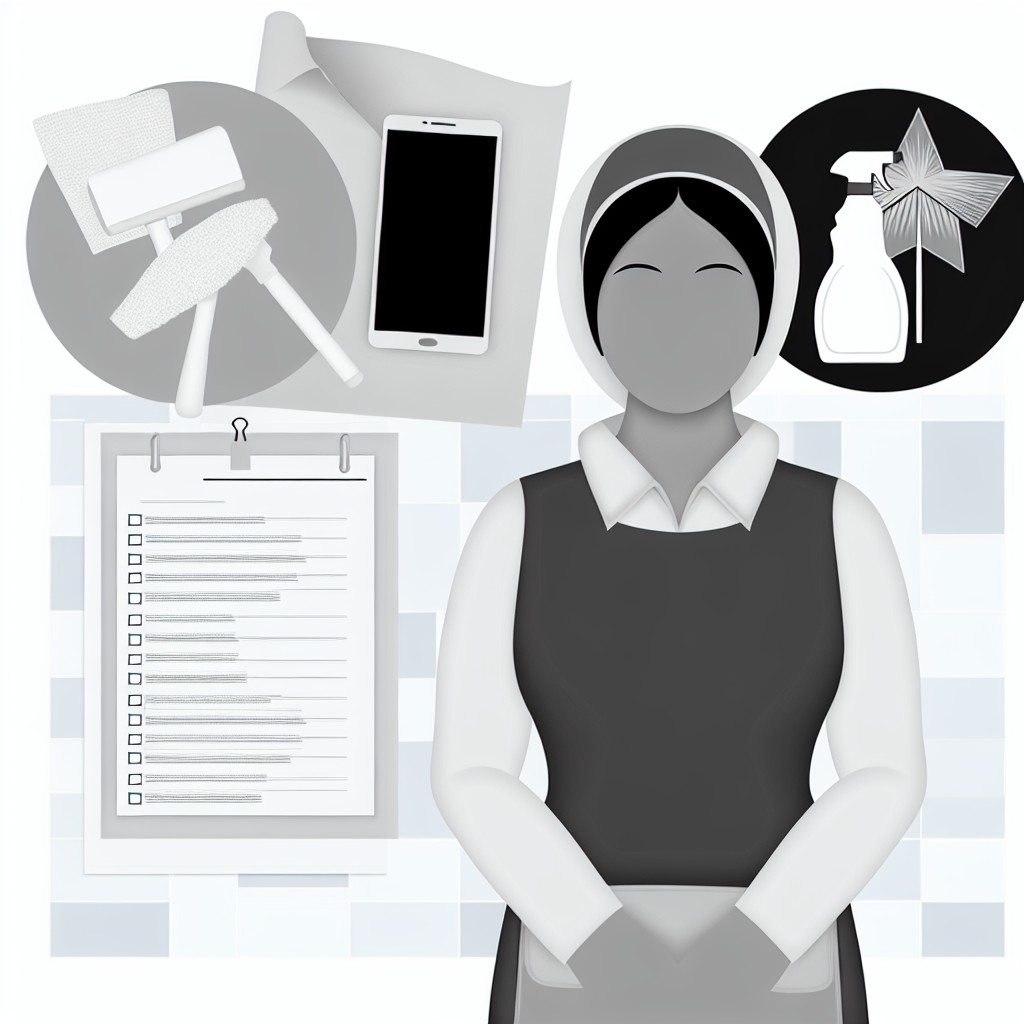
Developing a routine checklist helps cover all areas effectively.

This ensures no small detail is missed during cleaning.

Take time to inspect your work before considering a task complete.

Make necessary corrections if anything is overlooked.

Regular training sessions reinforce the importance of attention to detail.

These sessions help keep cleaning staff focused and skilled.

Encourage feedback from clients to find areas needing improvement.

Client input can highlight overlooked spots or tasks.

Use tools like magnifying glasses or black lights to spot hidden dirt or grime.

Set specific cleanliness standards for all housekeepers to meet.

Clear standards help maintain consistent quality across the team.

Recognize housekeepers who consistently demonstrate exceptional attention to detail.

Celebrate their work to motivate the entire team.
This approach helps avoid feeling overwhelmed with duties.

Set realistic timeframes for each task.

Ensure you allocate enough time for cleaning.

Consider breaking down larger tasks into smaller segments.

Smaller segments make tasks more manageable and prevent procrastination.

  • Efficient time management is crucial in housekeeping to ensure tasks are completed on time.

  • Creating a cleaning schedule can help you stay organized and focused on your daily tasks.

  • Start by listing all the cleaning tasks you need to accomplish on a regular basis.

  • Assign specific tasks to each day of the week to avoid feeling overwhelmed with cleaning duties.

  • Set realistic timeframes for each task to ensure you allocate enough time for cleaning.

  • Consider breaking down larger tasks into smaller, more manageable segments to prevent procrastination.

Tips for creating a cleaning schedule and sticking to it

Use a digital calendar or planner for scheduling your cleaning tasks.

Set reminders or alarms to keep you on track.

Reminders help you remember upcoming cleaning tasks.

Delegate tasks to family members or roommates.

Sharing the cleaning responsibilities makes it easier to manage.

Transform Your Career Today

Unlock a personalized career strategy that drives real results. Get tailored advice and a roadmap designed just for you.

Start Now

Establish a routine for cleaning specific house areas on certain days.

This helps maintain overall cleanliness effectively.

Include time for breaks and relaxation in your schedule.

Breaks prevent burnout during cleaning sessions.

Review and adjust your schedule regularly.

Adjustment accommodates changes in routine or cleaning needs.

  • Use a digital calendar or planner to schedule your cleaning tasks for each day.

  • Set reminders or alarms to keep you on track and remind you of upcoming cleaning tasks.

  • Delegate tasks to other family members or roommates to share the cleaning responsibilities.

  • Establish a routine for cleaning certain areas of the house on specific days to maintain cleanliness.

  • Include time for breaks and relaxation in your cleaning schedule to prevent burnout.

  • Review and adjust your cleaning schedule regularly to accommodate changes in your routine or cleaning needs.

Approaches to prioritizing tasks based on importance and urgency

Identify tasks that are both important and urgent.

Examples include cleaning spills or attending guest rooms.

Focus on tasks that greatly impact the cleanliness and appearance.

Prioritize tasks based on deadlines or upcoming events.

This might involve preparing for guests or hosting a party.

Consider consequences of not completing tasks on time.

Use to-do lists or task management apps to stay organized.

Learn to say no to additional tasks interfering with your priorities.

  • Identify tasks that are both important and urgent, such as cleaning up spills or attending to guest rooms.

  • Focus on completing tasks that have a high impact on the overall cleanliness and appearance of the house.

  • Prioritize tasks based on deadlines or upcoming events, such as preparing for guests or hosting a party.

  • Consider the consequences of not completing certain tasks on time and prioritize accordingly.

  • Use tools like to-do lists or task management apps to help you prioritize and stay organized.

  • Learn to say no to additional tasks or requests that can interfere with your cleaning schedule and priorities.

See Related Content: Best Techniques for Streak-Free Window Cleaning

Communication skills are essential for professional housekeepers to excel in their role.

Importance of Clear Communication

  • Clear communication with clients or employers ensures expectations are understood.

  • It helps in delivering high-quality service and meeting client needs effectively.

Effective Communication with Clients

  • Listen actively to understand preferences and concerns of clients.

  • Repeat instructions back to the client to ensure accuracy.

  • Use polite and respectful language when communicating with clients.

  • Provide updates on the progress of cleaning tasks and address any concerns promptly.

Strategies for Resolving Conflicts

  • Stay calm and composed when addressing conflicts with clients.

  • Listen carefully to the client's perspective and empathize with their concerns.

  • Apologize for any misunderstandings and work towards finding a resolution together.

  • Clarify any miscommunication by asking questions and seeking clarification.

By honing their communication skills, professional housekeepers can build strong relationships with clients and ensure a positive work environment.

Explore Further: How Groundskeepers Prepare for Natural Disasters

Organization is a crucial skill for professional housekeepers to possess.

Being organized helps to streamline daily tasks.

It also ensures efficiency and effectiveness in providing top-notch services to clients.

Benefits of Being Organized in a Housekeeping Role

  • Efficiency: Having a systematic approach to organizing tasks saves time and allows for more tasks to be completed within a given timeframe.

  • Client Satisfaction: A well-organized housekeeper can better meet the needs and expectations of clients, resulting in higher satisfaction levels.

  • Professionalism: When everything is in order, it reflects positively on the housekeeper's professionalism and attention to detail.

  • Stress Reduction: Working in a clutter-free and organized environment reduces stress and promotes a calm and focused mindset.

Benefits of Organizing Cleaning Supplies and Tools

  • Designate Specific Storage Areas: Assign each cleaning product and tool a designated spot to ensure easy access and prevent clutter.

  • Labeling: Use labels to identify the contents of containers or shelves, making it easier to locate items quickly.

  • Regular Inventory Checks: Conduct regular checks to assess the quantity and condition of supplies, restocking when necessary.

  • Proper Maintenance: Clean tools and equipment after use and store them properly to prolong their lifespan and functionality.

Strategies for Maintaining a Tidy and Organized Work Environment

  • Set Daily Goals: Establish a daily cleaning routine and set achievable goals to keep track of progress and maintain order.

  • Declutter Regularly: Remove unnecessary items and clutter to create a clean and organized workspace for optimal productivity.

  • Use Storage Solutions: Utilize storage containers, shelves, and organizers to keep supplies and tools neatly arranged and easily accessible.

  • Stay Consistent: Develop good habits by consistently following organizational strategies to ensure a tidy work environment at all times.

By incorporating these organization skills into their daily routine, professional housekeepers can enhance their performance.

They can impress clients and create a positive and productive work environment.

Delve into the Subject: Why Regular Roof Inspections Are Crucial

Top Skills Every Professional Housekeeper Should Have

Physical stamina

Housekeeping is a physically demanding job.

The work requires a lot of energy and strength.

Here are some key points to consider.

  • Housekeepers are constantly on their feet, moving around, lifting heavy objects, and performing repetitive tasks.

  • This can lead to muscle strain, fatigue, and potential injuries if not careful.

  • Regular exercise, such as strength training, cardio, and stretching, can improve endurance.

  • Proper nutrition, hydration, and adequate rest are crucial for maintaining energy levels.

  • It is essential for housekeepers to take short breaks throughout the day to rest and recharge.

  • Ignoring signs of fatigue or pain can lead to burnout and affect job performance.

  • By listening to their bodies and caring for their physical health, housekeepers can sustain stamina.

Physical stamina is a critical skill for every professional housekeeper.

By prioritizing self-care, exercise, and rest, housekeepers perform duties effectively.

They can sustain energy levels throughout their shifts.

You Might Also Like: Janitorial Services: What to Expect and How to Hire

Problem-solving skills

Problem-solving skills are essential for professional housekeepers.

They encounter various challenges during their daily tasks.

Being able to think quickly and creatively to address cleaning issues is crucial.

This helps maintain a clean and organized environment.

Importance of problem-solving skills

  • Quickly address issues to maintain the cleanliness of the space.

  • Provide efficient solutions to unexpected problems.

  • Enhance the overall quality of service provided.

Common problems housekeepers may encounter

  • Stains on carpets or furniture.

  • Mold or mildew in damp areas.

  • Broken appliances or cleaning equipment.

  • Lost or misplaced items.

These challenges require immediate attention and effective problem-solving techniques.

This ensures cleaning tasks are completed efficiently.

Strategies for brainstorming solutions and implementing them effectively

  1. Assess the situation: identify the root cause of the problem.

  2. Brainstorm solutions: think creatively to find different approaches.

  3. Consider resources: determine what tools or products are needed.

  4. Implement the solution: take action promptly to address the issue.

  5. Evaluate the outcome: assess whether the solution was effective or if adjustments are needed.

By following these strategies, professional housekeepers can solve cleaning challenges effectively.

This helps them maintain a high standard of cleanliness in the spaces they manage.

Essential Skills for Professional Housekeepers

Having the top skills discussed is crucial for professional housekeepers.

Transform Your Career Today

Unlock a personalized career strategy that drives real results. Get tailored advice and a roadmap designed just for you.

Start Now

These skills ensure efficiency and quality in their work.

They make housekeepers indispensable in the hospitality industry.

Continuous learning and improvement in these areas are highly encouraged.

Housekeepers who stay updated with the latest techniques and technologies will always be in demand.

Employers value professionals who consistently upgrade their knowledge.

Possessing these skills can lead to success and satisfaction in a housekeeping career.

Professionals who excel in communication have an advantage in their roles.

Time management and attention to detail are also key factors for advancement.

Housekeepers with essential skills are more likely to enjoy a fulfilling career.

Additional Resources

The Highest Paying Jobs in Hotels/Resorts

17 Manual Labor Jobs | Indeed.com

Leave a Reply

Your email address will not be published. Required fields are marked *