




Interior Painting Tools
The right tools help painters achieve professional results during interior painting projects.
Correct tools improve efficiency and precision throughout each painting step.
High-quality tools save time and effort while painters create a flawless finish.
Painter’s Tape for Clean Interior Painting
Painter’s tape ranks among the essential tools for interior painting projects.
This simple tool helps painters achieve clean lines during interior painting.
It also protects trim, edges, and ceilings from accidental paint splatters.
Importance of Using Painter’s Tape
Painter’s tape creates a barrier between painted surfaces and areas painters want to keep paint-free.
Additionally, painters can apply it along trim, edges, and ceilings.
This approach helps create sharp lines and prevents paint from bleeding onto unwanted surfaces.
- Protects trim from accidental paint splatters
- Creates clean lines for a professional finish
- Prevents paint from seeping onto ceilings and baseboards
Types of Painter’s Tape
Manufacturers offer different types of painter’s tape for specific painting needs.
Therefore, painters should choose tape based on the surface they are painting.
They should also consider the type of paint they plan to use.
- Standard painter’s tape suits most interior painting projects
- Delicate surface painter’s tape suits sensitive surfaces like wallpaper
- Multi-surface painter’s tape works on various surfaces
- High-adhesion painter’s tape works on rough or textured surfaces
Consequently, painter’s tape supports clean lines and protects surfaces during interior painting.
It also helps painters achieve a professional-looking finish.
Drop Cloths for Interior Painting Projects
Drop cloths protect floors and furniture during interior painting projects.
- Canvas drop cloths offer durability and reusability for long-term projects.
- Plastic drop cloths cost less and work well for short-term jobs.
- Paper drop cloths remain lightweight and easy to maneuver during quick touch-ups.
Additionally, drop cloths prevent paint splatters from damaging surfaces in your home.
Therefore, choosing the right drop cloth provides proper protection for your space.
Finally, careful preparation supports a successful painting project.
Gain More Insights: How to Paint with a Roller for Even Coverage
Paintbrushes
Every painter needs a reliable set of paintbrushes.
The brush type and size can significantly affect the painting results.
Therefore, select each brush according to the specific painting task.
Types of Paintbrushes
- Flat brushes cover large surfaces evenly and create straight edges in various sizes.
- Round brushes feature pointed tips that support precise details, corners, and curves.
- Angled brushes help painters cut around edges, corners, and other tight spaces.
- Foam brushes apply paint quickly across smooth surfaces and come in disposable widths.
Choosing the Right Paintbrush
- First, match the brush to your paint because oil-based and water-based paints need different brushes.
- Next, consider the surface because textured areas may require stiffer bristles for crevices.
- Choose smaller brushes for details and larger brushes for covering broad areas quickly.
- Additionally, quality brushes last longer and hold paint better than cheaper alternatives.
- Finally, test different brushes to identify the types and sizes that suit your preferences.
By selecting suitable brushes, painters can achieve professional-looking results on interior projects.
Delve into the Subject: Top Tools Used by Agricultural Workers on the Job
Roller Covers for Different Painting Surfaces
Rollers cover larger surface areas and help painters work faster.
- Foam roller covers suit smooth surfaces and create a smooth finish.
- Synthetic roller covers suit semi-smooth to rough surfaces and offer greater durability.
- Natural fiber roller covers suit oil-based paints and textured surfaces.
Therefore, keep several roller covers available for different surfaces.
Choose each roller cover according to the paint type and surface.
A good-quality roller and varied covers can improve interior painting results.
Clean and store them properly after each use to extend their lifespan.
Using the right roller and cover can significantly affect the final result.
See Related Content: Understanding the Miner's Role in Construction Projects
Paint Trays for Interior Painting
Paint trays hold paint while you work, helping you apply it evenly across each surface.
Pour a small amount of paint into the tray for quick access during painting.
Additionally, trays help you maintain a consistent application with rollers and brushes.
- Convenient paint storage
- Easy access for rollers and brushes
- Consistent paint application
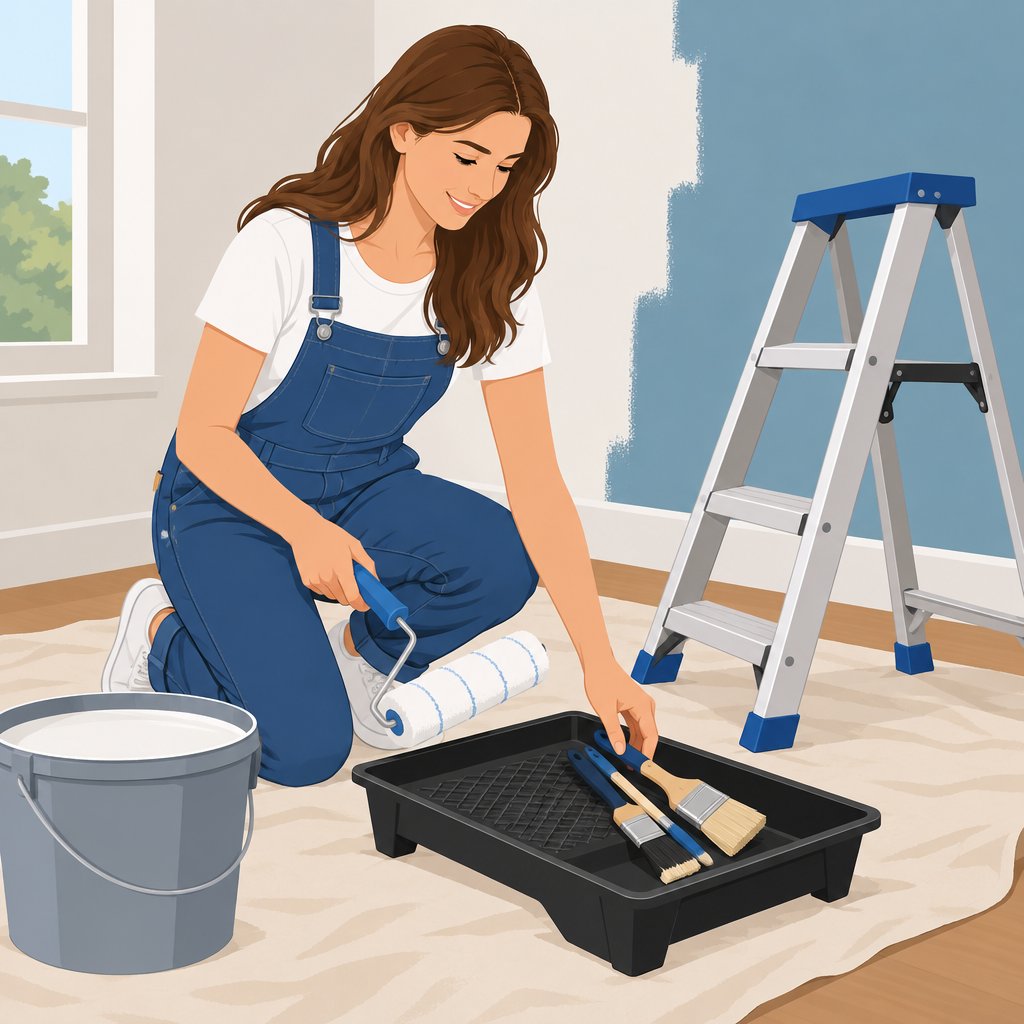
Disposable Liners for Easier Cleanup
Disposable liners simplify cleanup after you finish painting.
Instead of washing the tray, remove the liner and dispose of it.
Consequently, the tray remains clean and ready for your next project.
- Effortless cleanup
- Time-saving convenience
- Reduced risk of paint spills and stains
Paint trays and disposable liners streamline interior painting projects.
They help you access paint efficiently while reducing cleanup work.
Keep both tools available for your next interior painting project.
Transform Your Career Today
Unlock a personalized career strategy that drives real results. Get tailored advice and a roadmap designed just for you.
Start NowExplore Further: Daily Duties and Responsibilities of a Janitor/Custodian
Paint sprayers provide an alternative to brushes and rollers for interior painting.
These tools can streamline the painting process.
Proper use supports a smooth and even finish.
Advantages of Using a Paint Sprayer
- Paint sprayers cover large areas faster than traditional painting methods.
- Their fine mist helps create even coverage across nooks and crannies.
Effective use starts with selecting a suitable sprayer for the project.
Surface preparation helps create a smooth, professional-looking finish.
Consistent movement, thin coats, and careful cleaning support reliable results.
Effective Paint Sprayer Techniques
- Choose the right sprayer, including an HVLP or airless model, for your project.
- Prepare the surface by cleaning it and patching holes or imperfections.
- Maintain a consistent distance and keep the sprayer moving to prevent drips.
- Practice on a test surface before starting the project.
- Apply multiple thin coats to reduce drips and runs.
- Clean the sprayer thoroughly after every use to prevent clogs.
Following these practices can make interior painting projects more efficient.
They can also help you achieve professional-looking results.
Painters need sandpaper and sanding blocks for many interior projects.
These tools help painters create smooth surfaces before applying paint.
Importance of Sanding Surfaces Before Painting
Sanding removes rough patches, bumps, and other surface imperfections.
As a result, paint covers a smoother surface and creates a professional finish.
Furthermore, sanding improves adhesion between the surface and the paint.
The resulting texture helps paint grip the surface and resist peeling or flaking.
Sanding also removes old paint and finishes that could prevent proper bonding.
Choosing the Right Sandpaper Grit
Sandpaper comes in different grits for various levels of surface abrasion.
Coarse grits, such as 60-80, remove old paint and smooth rough surfaces.
Medium grits, ranging from 100-150, handle general sanding tasks.
Fine grits, such as 180-220, prepare surfaces for a smooth paint finish.
Extra fine grits, including 320-400, polish surfaces after sanding.
Types of Sanding Blocks for Interior Projects
Sanding blocks provide another practical option for preparing surfaces before painting.
These blocks come in different shapes and sizes for various applications.
Cork sanding blocks work well when painters hand sand flat surfaces.
Rubber sanding blocks flex easily and suit curved or irregular surfaces.
Foam sanding blocks follow contoured surfaces without leaving pronounced scratch marks.
For detailed work, sanding sponges offer another useful choice.
Painters can use these versatile tools either wet or dry.
They come in several grits and remain easy to grip and maneuver.
Choosing suitable sandpaper and sanding blocks helps painters achieve smooth, lasting results.
Cleaning Supplies
Proper cleaning supplies help painters maintain tools and handle spills effectively.
- Clean brushes after each use with water and mild soap to remove paint residue.
- Keep clean rags available for wiping surfaces, cleaning tools, and handling spills.
- Use solvents such as mineral spirits or paint thinner to clean brushes and remove dried paint.
Cleaning and Storing Painting Tools
Proper cleaning and storage extend tool lifespan and preserve performance.
Therefore, follow consistent care practices after every painting session.
Keep solvents and cleaning supplies in a safe, well-ventilated area.
- Clean brushes with soap and water after each use.
- Remove excess paint with a brush comb.
- Store brushes upright to prevent bending or shape loss.
- Use airtight containers or bags to keep rollers and trays from drying out.
- Keep solvents away from heat and open flames in a well-ventilated area.
- Dispose of used rags and solvent-soaked materials properly to prevent fire hazards.
These practices keep painting tools ready for the next interior painting project.
Essential Tools for Successful Interior Painting
Successful interior painting projects depend on selecting the right tools.
Quality tools improve the final result from preparation through the finishing touches.
Therefore, invest in high-quality brushes, rollers, drop cloths, painter’s tape, and a sturdy ladder.
These tools help you complete the project smoothly and efficiently.
Also, clean and maintain each tool properly to extend its lifespan and preserve performance.
Transform Your Career Today
Unlock a personalized career strategy that drives real results. Get tailored advice and a roadmap designed just for you.
Start NowBefore starting your next project, gather these essential tools for professional results.
Then, enjoy a smoother painting experience.


