




Janitorial Work Supports Facility Operations
Janitors and custodians maintain cleanliness and safety across many facilities.
Their daily work supports schools, office buildings, hospitals, and other establishments.
Although people may overlook their duties, these workers help facilities function smoothly.
Daily Cleaning Tasks
Janitors begin their day by emptying trash cans throughout the facility.
They replace liners to keep waste containers clean and ready for continued use.
As a result, regular waste removal keeps the facility tidy and free of waste.
Floor Care
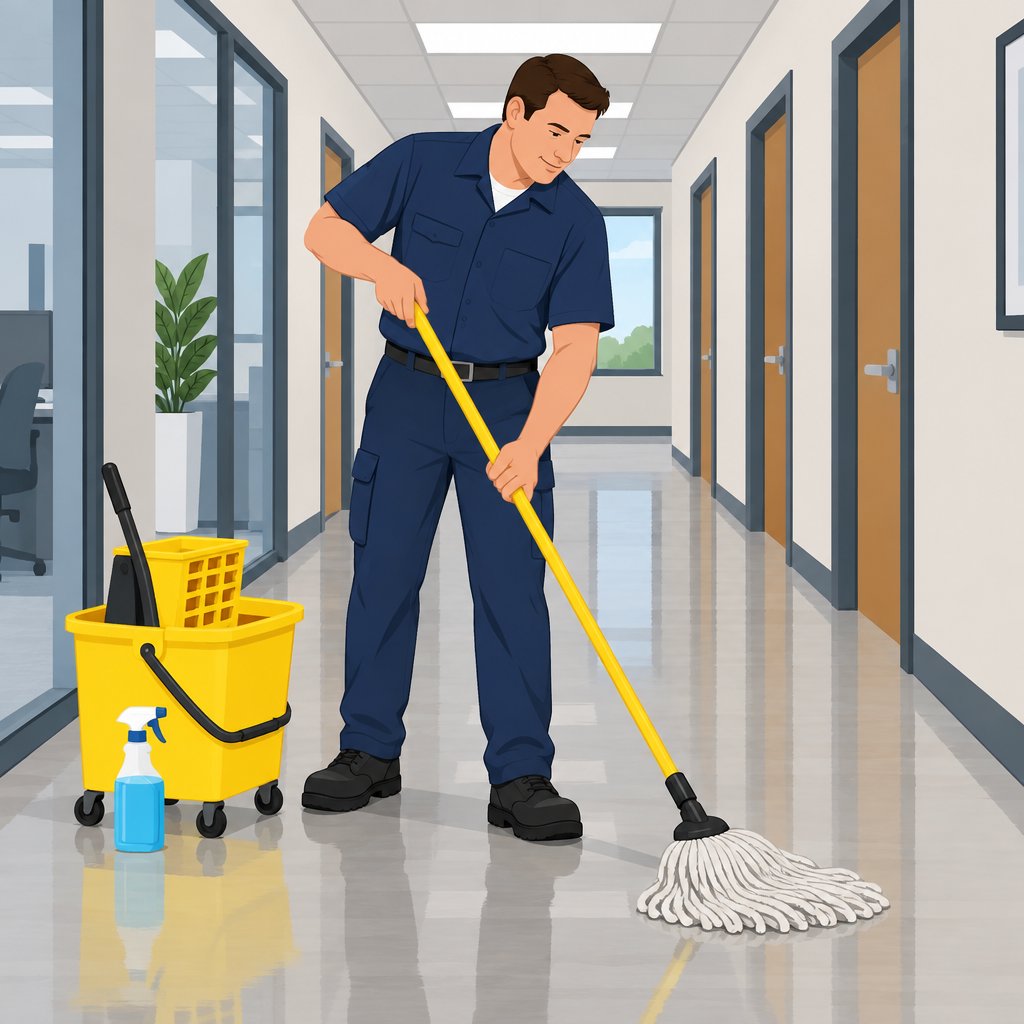
Janitors sweep floors regularly to remove dirt, dust, and debris.
They also mop and vacuum surfaces throughout the facility.
These tasks create clean and safe walking surfaces for everyone.
Restroom Maintenance
Janitors clean and disinfect restrooms to promote good hygiene.
They refill soap dispensers and restock toilet paper when supplies run low.
In addition, they replace paper towels to keep restrooms properly supplied.
Surface Cleaning
Janitors wipe desks, tables, counters, and windows throughout the facility.
These cleaning tasks remove germs, dust, and grime from shared surfaces.
Therefore, regular surface care helps create a healthier environment.
Equipment Maintenance
Janitors inspect cleaning equipment, including vacuum cleaners and floor buffers.
They maintain these tools so each machine functions properly.
Consequently, well-maintained equipment supports efficient cleaning work.
Trash Disposal
Janitors collect trash from designated areas throughout the facility.
They dispose of waste and recyclables in appropriate bins and dumpsters.
This process keeps the facility clean and organized.
Special Cleaning Projects
Janitors may handle projects that require additional cleaning attention.
For example, they may clean carpets, wax floors, or wash windows.
These projects improve the facility’s overall appearance.
Emergency Response
Janitors respond quickly when spills, leaks, or other accidents occur.
They clean affected areas and remove the resulting mess.
By acting promptly, they help prevent safety hazards for occupants.
Team Communication
Janitors communicate with supervisors, colleagues, and facility occupants.
They report issues and request supplies when necessary.
Clear communication helps coordinate cleaning operations effectively.
Through these responsibilities, janitors and custodians maintain clean, safe, and healthy environments.
Daily Janitorial Responsibilities
- Janitors and custodians complete varied daily tasks across different facilities.
- Their duties change according to each building’s needs.
- They keep shared spaces clean, orderly, and ready for occupants.
- They also help preserve functional conditions throughout the facility.
Cleaning and Sanitizing
- Janitors clean and sanitize various areas throughout the facility.
- They mop floors, vacuum carpets, and dust surfaces to remove dirt and debris.
- They disinfect bathrooms to maintain hygienic and pleasant spaces.
- They clean windows, mirrors, and glass surfaces for a polished appearance.
Trash Removal and Waste Management
- Janitors empty trash bins and dispose of waste properly.
- They separate recyclables from regular trash before disposal.
- Proper waste management helps maintain clean and organized surroundings.
- They handle hazardous materials carefully and follow safety regulations.
Minor Maintenance and Repairs
- Janitors perform minor maintenance and repair tasks within the facility.
- They fix leaky faucets, replace light bulbs, and repair small damages.
- Prompt repairs help prevent further damage and protect occupants’ safety.
- They report larger issues to personnel responsible for professional repairs.
Restocking Essential Supplies
- Janitors restock toilet paper, soap, paper towels, and cleaning products.
- They keep essential items available for building occupants.
- They monitor supply levels and order replacements promptly.
- Adequate supplies support clean and functional facilities.
Safety Compliance and Hazard Prevention
- Janitors follow safety regulations and guidelines to prevent accidents.
- They receive training in chemical handling, equipment use, and safety procedures.
- They maintain environments that limit hazards for themselves and others.
- They stay informed and alert to support building occupants’ well-being.
Communication and Team Collaboration
- Janitors communicate with occupants and staff about cleaning schedules and tasks.
- Clear communication helps everyone plan around maintenance activities.
- Team collaboration helps janitors manage workloads and address problems quickly.
- By supporting one another, janitors help maintain inviting shared spaces.
These responsibilities require consistent attention throughout each workday.
Janitors help keep facilities clean, safe, and functional for occupants, visitors, and employees.
Cleaning and Sanitizing Practices
Janitors maintain cleanliness and hygiene across various facilities and buildings.
They use cleaning supplies and equipment to remove dirt, control germs, and support safer surroundings.
These practices improve the health, safety, and appearance of occupied spaces.
Importance of Cleaning and Sanitizing Surfaces, Floors, and Restrooms
- Cleaning surfaces removes dirt, dust, and germs that can spread illness.
- Sanitizing surfaces kills bacteria and viruses, which reduces infection risks.
- Regular floor cleaning prevents slips and falls caused by dirt and spills.
- Thorough restroom cleaning addresses areas where germs can multiply.
Cleaning Supplies and Equipment Used by Janitors
- Janitors use disinfectants, detergents, and sanitizers for different cleaning tasks.
- Equipment such as mops, vacuum cleaners, and floor scrubbers supports efficient cleaning.
- Squeegees, brushes, and microfiber cloths help workers complete specific tasks.
- Proper training helps janitors use chemicals and equipment effectively.
Health and Safety Benefits of Clean Environments
- A clean environment reduces illness and infection risks among occupants.
- Regular cleaning promotes indoor air quality and supports better respiratory health.
- Sanitizing high-touch surfaces helps prevent viruses and bacteria from spreading.
- Clean floors and walkways prevent accidents and injuries caused by slips and falls.
With suitable tools, supplies, and knowledge, janitors create cleaner and healthier environments for everyone.
Discover More: Essential Tools for Pest Control Workers
Waste Management
Janitors play a crucial role in waste management within buildings and facilities.
Their responsibilities include collecting, separating, and properly disposing of waste.
Transform Your Career Today
Unlock a personalized career strategy that drives real results. Get tailored advice and a roadmap designed just for you.
Start Now- Janitors collect and segregate recyclables, organic waste, and general trash.
- They regularly empty trash bins throughout buildings to maintain cleanliness and hygiene.
- They follow proper disposal procedures to prevent environmental harm and reduce landfill waste.
Proper waste disposal and recycling practices help maintain a clean and sustainable environment.
These practices support environmental preservation, pollution reduction, and resource conservation.
- Recycling materials and reducing waste help janitors support environmental conservation and sustainability.
- Proper disposal reduces pollution affecting land, air, water, and public health.
- Recycling conserves valuable resources, including energy, water, and raw materials.
Janitors promote sustainability through several waste management practices.
They also identify opportunities to minimize waste and improve efficiency.
- Janitors establish and manage recycling programs that encourage proper waste separation.
- They choose environmentally friendly cleaning products and materials to reduce environmental impacts.
- They conduct regular waste audits to identify improvements and develop efficient strategies.
Uncover the Details: Eco-Friendly Cleaning Products for Housekeepers
Maintenance and Minor Repairs
- Janitors perform minor repairs and maintenance tasks.
- They change light bulbs, fix leaky faucets, and repair broken equipment.
- Proactive maintenance helps prevent larger issues from developing.
Janitors often manage minor maintenance and repairs within their assigned facilities.
These tasks help buildings remain functional and operate smoothly.
By addressing small problems promptly, janitors can help prevent more serious issues.
First, janitors regularly replace burnt-out light bulbs throughout the building.
Proper lighting supports a more comfortable environment for occupants.
They inspect fixtures and replace faulty bulbs when necessary.
Additionally, janitors repair leaky faucets before water damage develops.
A dripping faucet wastes water and may increase utility costs.
Prompt repairs also help protect nearby surfaces from further damage.
Janitors may also repair broken equipment within the facility.
For example, they can fix copy machines, door hinges, and damaged chairs.
These repairs help employees avoid disruptions caused by malfunctioning equipment.
Regular inspections allow janitors to identify potential problems early.
Consequently, they can address issues before those problems become larger.
This proactive approach can save time, money, and building resources.
It can also help extend the useful life of building infrastructure.
Through these responsibilities, janitors help maintain safe and comfortable facilities.
You Might Also Like: The Impact of Regulations on Construction
Restocking and Inventory Management
Janitors regularly restock essential supplies, including paper towels, toilet paper, and cleaning products.
They track inventory carefully to ensure timely orders and prevent shortages.
Additionally, janitors monitor supply levels throughout the facility.
This practice helps them anticipate changing needs and maintain daily functionality.
By managing inventory efficiently, they support smooth facility operations.
Well-stocked supplies also help janitors provide clean surroundings for occupants.
Regular checks prevent disruptions caused by missing essential items.
Moreover, organized records help janitors identify supplies that require replenishment.
Detail-oriented planning enables them to order materials before demand exceeds available stock.
Efficient inventory management keeps cleaning and maintenance supplies available when needed.
Proper stocking supports facility cleanliness and hygiene.
Conversely, inadequate supplies can delay cleaning tasks and affect the facility’s appearance and functionality.
Janitors should communicate shortages to supervisors or managers promptly.
Clear communication helps prevent interruptions in daily operations.
Gain More Insights: How to Create a Maintenance Schedule That Works
Janitors Support Facility Safety and Security
Janitors help maintain safe and secure environments within facilities.
Their responsibilities extend beyond cleaning and organizing spaces.
Transform Your Career Today
Unlock a personalized career strategy that drives real results. Get tailored advice and a roadmap designed just for you.
Start NowThey also help protect occupants by supporting building safety.
Locking Doors After Hours
Janitors lock doors after hours to restrict unauthorized facility access.
This action helps protect occupants and assets within the premises.
By securing the building, janitors reduce potential risks after operating hours.
- They lock facility doors after hours to prevent unauthorized entry.
- They help protect occupants and building assets from potential harm or theft.
Monitoring Security Systems
Janitors may monitor security systems, including CCTV cameras.
They watch for suspicious activity or possible security breaches.
They also help confirm that security infrastructure functions properly.
- They monitor CCTV cameras for suspicious activities or security breaches.
- They help ensure that the building’s security systems operate properly.
Responding to Emergencies
Janitors often reach emergencies quickly because they remain present in buildings.
They may respond to fires, medical emergencies, and security incidents.
Their response supports faster action during urgent situations.
- They may serve as first responders during emergencies inside the facility.
- They handle fires, medical emergencies, and security incidents according to their training.
Janitors’ Importance in Facility Safety
Janitors help identify security risks before they become more serious.
Their vigilance supports safer conditions for everyone inside the facility.
Quick responses can help protect occupant well-being.
Communication and Collaboration in Janitorial Work
Effective communication and collaboration are essential in janitorial roles.
Janitors work with staff, supervisors, and contractors to keep facilities clean and well-maintained.
Supervisors explain expectations, while janitors prioritize tasks and meet cleanliness standards.
- Team members coordinate schedules, share responsibilities, and address urgent cleaning needs promptly.
- This teamwork helps janitors cover all areas efficiently.
- Janitors communicate with contractors about specialized cleaning services and repairs.
- Clear instructions support timely work and a safe environment for everyone.
Clear communication and teamwork help janitors create clean, safe environments for occupants.
Daily Duties of Janitors and Custodians
At the start of each shift, a janitor or custodian organizes cleaning supplies.
First, the worker sweeps and mops floors to promote cleanliness and safety.
Next, the worker dusts and wipes desks, chairs, and tables to support hygienic shared spaces.
Meanwhile, the worker empties trash cans and replaces liners throughout the building.
The custodian cleans and sanitizes restrooms, including toilets, sinks, and mirrors.
Additionally, the worker restocks toilet paper, soap, and paper towels whenever supplies run low.
The worker also washes windows and glass doors to keep them clear and presentable.
During inspections, the custodian reports leaks or damage to supervisors.
Furthermore, the worker follows safety protocols when handling cleaning chemicals.
Finally, efficient work helps the custodian complete assigned tasks within designated timeframes.
Professional Care in Facility Service
These duties help janitors and custodians maintain clean, safe environments.
Their consistent effort deserves recognition and appreciation from everyone.
Therefore, people can thank janitors for their tireless efforts.


