




Physical Demands of Ironworking
Ironworkers lift heavy materials, bend frequently, climb structures, and work in challenging environments.
They often perform demanding tasks at great heights, requiring focus and careful movement.
Strong balance, coordination, and agility help ironworkers handle materials and equipment safely.
Physical Fitness for Ironworkers
Physical fitness helps ironworkers prevent injuries and perform their duties safely and effectively.
Regular exercise and strength training build the muscle strength and endurance required for demanding work.
Additionally, cardiovascular training supports stamina and energy throughout long workdays.
Flexibility and mobility exercises can reduce muscle imbalances and lower the risk of strains or sprains.
Proper nutrition and hydration also support physical fitness and overall health.
By prioritizing fitness, ironworkers can improve job performance and support longer careers.
Physical Fitness Requirements for Ironworkers
Ironworking requires strength, endurance, and flexibility to support consistent performance.
These abilities help workers manage demanding duties while maintaining controlled movement.
Physical preparation also supports safer responses when conditions change.
- Strength supports work with equipment, materials, and structural components.
- Endurance helps workers sustain effort during extended work periods.
- Flexibility allows workers to bend, twist, and reach effectively.
Health and Safety Benefits of Fitness
Additionally, physical fitness affects how workers handle demanding conditions.
Regular activity can help prevent injuries and reduce chronic disease risks.
Good conditioning may also improve general well-being.
- A prepared body can support safer task performance.
- Physical readiness helps workers make quick decisions during emergencies.
- Fitness supports effective reactions when safety concerns arise.
Habits That Support Job Readiness
Workers can maintain fitness through regular exercise, balanced nutrition, and adequate rest.
These habits help support the physical abilities that ironworking demands.
Therefore, a consistent routine can promote performance, health, and safety.
- Regular exercise helps maintain strength, endurance, and flexibility.
- Proper nutrition provides support for physical activity and recovery.
- Adequate rest gives the body time to recover from demanding work.
Creating a Tailored Workout Routine
A tailored routine should match your professional needs and personal goals.
First, assess your current fitness level to identify your starting point.
Then, set realistic goals and schedule consistent training sessions.
- Assess your current fitness level to determine where you are starting.
- Set achievable goals that align with your profession’s physical demands.
- Consult a fitness professional or personal trainer for guidance.
- Include varied exercises that target different muscle groups.
- Schedule workouts around your work commitments to support consistency.
Combining Strength Training and Cardiovascular Exercise
Strength training and cardiovascular exercise create a balanced fitness routine.
Compound movements can train several muscle groups during one exercise.
Meanwhile, cardiovascular activities can support heart health and endurance.
- Focus on compound movements, including squats, deadlifts, and bench presses.
- Use free weights, machines, and bodyweight exercises to vary training.
- Include running, cycling, or swimming to develop cardiovascular fitness.
- Balance strength sessions with cardio workouts for comprehensive training.
- Adjust workout intensity and duration to prevent plateaus.
Injury Prevention and Recovery Strategies
Injury prevention and recovery help maintain physical fitness during demanding work.
Proper preparation can ready your muscles and reduce unnecessary strain.
Additionally, hydration, nutrition, sleep, and rest support recovery processes.
- Warm up with dynamic stretches and movements before each workout.
- Use proper form and technique to reduce injury risks.
- Listen to your body and rest when necessary.
- Add mobility and flexibility exercises to support joint movement.
- Stay hydrated, eat a balanced diet, and get enough sleep.
Explore Further: How to Choose the Right Color Palette for Your Home
Nutrition and Hydration Tips
Maintaining proper nutrition and hydration supports strong performance as a professional ironworker.
Your body needs reliable fuel and fluids during demanding workdays.
Therefore, thoughtful eating and drinking habits can help you stay energized throughout each shift.
Fueling the Body for Strenuous Labor
Ironworking requires strength, stamina, and endurance throughout the workday.
Consequently, your body needs balanced nutrition to support sustained physical effort.
Choose meals that combine protein, carbohydrates, healthy fats, vitamins, and minerals.
Lean meats, fish, eggs, whole grains, fruits, vegetables, nuts, and seeds provide nutrient-dense options.
Meanwhile, limiting processed foods can help reduce energy crashes during work.
These choices can help you maintain muscle strength and endurance while staying focused.
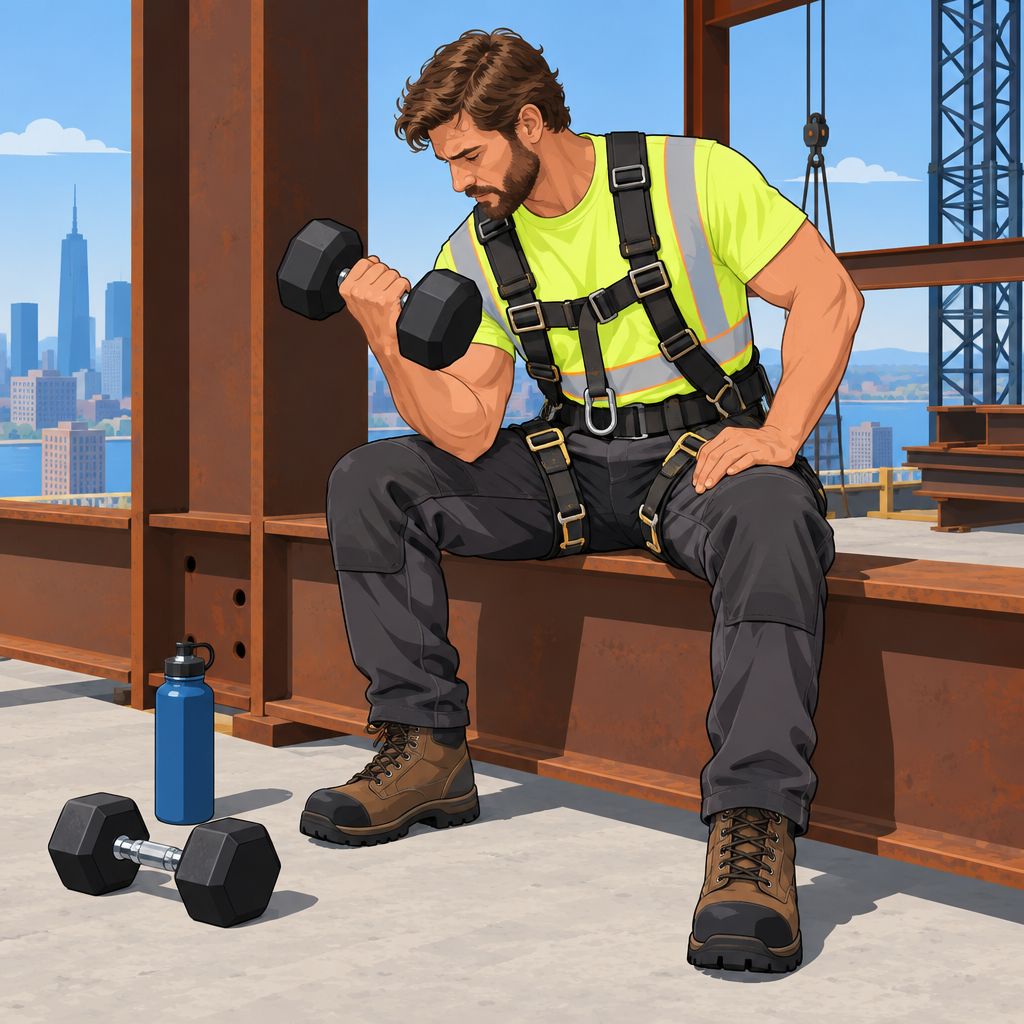
Hydration Strategies for Sustained Energy
Hydration remains essential when you work long hours in heat or demanding conditions.
Dehydration can reduce performance, cause muscle cramps, and contribute to heat exhaustion.
Drink water before, during, and after each shift to replace fluids lost through exertion.
Transform Your Career Today
Unlock a personalized career strategy that drives real results. Get tailored advice and a roadmap designed just for you.
Start NowAim for 8-10 glasses of water daily, adjusting intake during extreme heat or humidity.
Additionally, sports drinks or electrolyte-enhanced beverages can replace electrolytes lost through sweating.
Water-rich foods can also support hydration and help maintain energy during the day.
Watermelon, cucumbers, oranges, and celery offer convenient hydration-focused snack choices.
By caring for your nutrition and hydration, you support performance and overall well-being.
Proper daily habits can also help you remain strong and healthy throughout your career.
Uncover the Details: Groundskeeping with Native Plants: Benefits and Tips
Rest and Recovery Practices
Rest and recovery help professional ironworkers maintain fitness and manage training demands.
Therefore, consistent recovery habits support physical readiness and long-term performance.
Use several recovery practices to help your body repair, recharge, and prepare for future activity.
- Adequate sleep: Aim for 7-9 hours of quality sleep each night.
- Hydration: Drink water throughout the day to replace fluids lost during intense workouts.
- Nutrition: Eat balanced meals containing protein, carbohydrates, and healthy fats.
- Foam rolling: Use a foam roller after workouts to ease soreness and improve flexibility.
Importance of Adequate Sleep for Physical and Mental Well-Being
Sleep supports physical repair and mental recovery after demanding work or training.
Additionally, adequate rest helps ironworkers maintain focus, alertness, and sound decision-making.
Insufficient sleep can interfere with recovery, hormonal balance, immune function, and overall well-being.
- Muscle recovery: Sleep helps the body repair and rebuild tissues affected by workouts.
- Cognitive function: Rest supports memory, focus, alertness, and effective decision-making.
- Hormonal balance: Sleep helps regulate energy, appetite, and muscle growth processes.
- Immune function: Adequate sleep supports the immune system and overall health.
Incorporating Rest Days into the Workout Routine
Rest days give your body time to recover and adapt to training stress.
Meanwhile, active recovery can maintain movement without adding excessive physical strain.
Schedule rest consistently while adjusting your routine when fatigue or soreness increases.
- Listen to your body: Take a rest day when fatigue, soreness, or reduced performance appears.
- Choose active recovery: Try light stretching, yoga, or walking to encourage movement.
- Vary activities: Combine strength training, cardio, and flexibility exercises across your routine.
- Maintain consistency: Schedule at least one or two rest days each week.
Gain More Insights: Top Tools Every Factory Worker Should Know
Mental Health Considerations
Physical fitness matters for ironworkers, but mental health also deserves attention.
Strong mental well-being can support a steady approach to demanding work.
Therefore, workers should address stress and practice habits that support overall well-being.
Managing Stress in a High-Pressure Work Environment
- Recognize your stress triggers and develop effective coping mechanisms.
- Practice deep breathing or take short breaks to clear your mind.
- Additionally, communicate with coworkers or seek professional help when needed.
Mindfulness Practices for Overall Well-Being
- Start your day with a mindfulness exercise to establish a positive tone.
- Practice mindful eating to enjoy meals and remain present.
- Finally, take short mindfulness breaks to reset and refocus during the day.
Remember, mental health deserves the same care as physical fitness in ironworking.
Discover More: The Future of Factory Work in the United States
Seeking Professional Guidance
Ironworkers need reliable physical fitness to meet job demands safely.
Professional guidance helps them strengthen useful abilities and reduce injury risks.
Expert support also keeps fitness efforts aligned with their work responsibilities.
Consulting with a Personal Trainer or Physical Therapist
A personal trainer can design workouts for an ironworker’s strength, flexibility, and endurance needs.
That professional can also teach techniques that support injury prevention and recovery.
Similarly, a physical therapist can address existing injuries or chronic pain.
Therapists may prescribe exercises and stretches that ease symptoms and improve physical health.
Getting Regular Check-ups to Monitor Physical Health
Regular check-ups help ironworkers monitor their physical well-being.
Healthcare providers can identify underlying health issues during these visits.
Early detection allows workers to take appropriate action before problems worsen.
Ongoing monitoring supports continued readiness for demanding work.
Importance of Professional Guidance
Professional guidance helps ironworkers perform consistently and protect their long-term physical health.
Ignoring expert advice can increase injury risks and create setbacks.
Therefore, informed support helps workers pursue fitness goals with greater confidence.
Benefits of Consulting with Professionals
Professionals provide support that matches an ironworker’s specific needs and goals.
They also guide safe movement, recovery, and ongoing health monitoring.
These services help ironworkers respond proactively to physical challenges.
- Personal trainers and physical therapists can create customized workout plans for specific needs and goals.
- Professionals can teach proper techniques and form to help prevent work-related injuries.
- Rehabilitation programs can support faster recovery after an injury.
- Regular check-ups help identify potential health issues and encourage preventive action.
Ironworkers can protect their careers by combining consistent effort with qualified health and fitness guidance.
Transform Your Career Today
Unlock a personalized career strategy that drives real results. Get tailored advice and a roadmap designed just for you.
Start NowThey should monitor their physical health and follow professional recommendations throughout their careers.
A healthy body supports continued success in ironworking.
Physical Fitness and Ironworking Performance
As a professional ironworker, physical fitness supports safety and performance.
Moreover, maintaining fitness helps prevent injuries during demanding work.
It also improves endurance and enhances overall productivity on the job.
Health Practices for a Sustainable Ironworking Career
Therefore, make time for regular exercise, proper nutrition, and adequate rest.
These habits help you stay strong and healthy throughout your career.
Finally, caring for your body and mind supports success in the ironworking industry.


