




Choosing the right color palette helps your home reflect your personality and style.
Color influences a room’s mood, emotions, and overall appearance, so choose each shade carefully.
The right colors can transform a dull space into a vibrant one.
They can also create harmony and a cohesive look.
Color basics help you understand how different shades relate to one another.
The color wheel presents these relationships in a circular visual format.
These foundations make it easier to organize colors throughout your home.
Color Wheel and Color Relationships
- The color wheel displays colors arranged in a circle.
- Primary colors include red, blue, and yellow, which form the foundation of other colors.
- Secondary colors include orange, green, and purple, created by mixing primary colors.
- Tertiary colors result from mixing a primary color with a neighboring secondary color.
Importance of Warm and Cool Tones
- Warm tones, including reds, oranges, and yellows, create a cozy and inviting atmosphere.
- Cool tones, such as blues, greens, and purples, evoke calm and relaxation.
- Consider the desired mood in each room when selecting warm or cool tones.
Using Different Color Schemes
- Monochromatic schemes use varying shades of one color to create a harmonious appearance.
- Analogous colors sit beside each other on the color wheel and create a cohesive palette.
- Complementary colors sit opposite each other and provide dramatic contrast.
- Split-complementary schemes pair a base color with two colors beside its complement.
These color principles provide a practical foundation for selecting coordinated shades.
Additionally, warm and cool tones help establish different atmospheres within your home.
Finally, color schemes organize those choices into harmonious or contrasting combinations.
Lighting deserves careful attention when you select colors for your home.
Because light changes color appearance, evaluate each room before making your final choice.
How Lighting Changes Color Appearance
Natural light changes throughout the day, which can alter how colors appear.
Artificial lighting also influences a room’s atmosphere and affects the appearance of its colors.
Therefore, examine both lighting sources before you commit to a palette.
Color Choices for Different Lighting Conditions
First, match color choices to the amount and direction of light each room receives.
Then, consider how your light bulbs interact with the selected hues.
These steps help you create the desired atmosphere in every space.
- Rooms with abundant natural light can use cooler blues and greens for a calm, tranquil atmosphere.
- Rooms with limited natural light can use warmer yellows and oranges for added warmth and brightness.
- North-facing rooms usually receive cooler light, while south-facing rooms receive warmer light.
- Warm white bulbs can enhance warm tones, while cool white bulbs complement cooler hues.
Testing Colors Under Changing Light
Test your selected colors under different lighting conditions before finalizing your decision.
Observe each shade during the day and under artificial lighting.
Also, notice which colors create the atmosphere you want.
- Paint a small section of each wall and observe it as the lighting changes.
- Use color swatches to compare shades in natural and artificial light.
- Move peel-and-stick paint samples around the room to test different lighting situations.
- Note how each color makes you feel under different lighting conditions.
By evaluating lighting and testing samples, you can select colors that enhance each room’s appearance and atmosphere.
Find Out More: Groundskeeping with Native Plants: Benefits and Tips
Interior Design Styles and Color Preferences
Your personal taste strongly influences the colors you choose for each room.
Meanwhile, your preferred ambiance can guide the atmosphere you create throughout your home.
Therefore, identify your design style before selecting a complete color palette.
- Modern interiors feature clean lines, minimalism, neutral colors, and bold accents.
- Traditional interiors use rich colors, elegant furnishings, and classic patterns.
- Contemporary interiors combine sleek furniture, monochromatic schemes, and bright accents.
- Bohemian interiors mix patterns, vibrant colors, and global influences.
- Scandinavian interiors emphasize light spaces, white walls, minimalist furniture, and natural touches.
Color Palettes for Different Design Styles
Each interior style commonly connects with a distinctive group of colors.
Additionally, these palettes help you express the character of your chosen design direction.
Use the following combinations as visual guidance when developing your home palette.
- Modern palettes pair black, white, and gray with red, blue, or yellow accents.
- Traditional palettes include deep reds, blues, greens, golds, and earth tones.
- Contemporary palettes use white, gray, or beige with bright accent colors.
- Bohemian palettes feature jewel tones, purple, teal, orange, and pink.
- Scandinavian palettes combine white, light gray, pale wood, pastels, and black.
Personal Preferences and Room Atmosphere
Before finalizing colors, consider how you want each space to feel.
For example, decide whether warm or cool tones better match your preferences.
Similarly, determine whether bold colors or muted hues suit your desired atmosphere.
These reflections can guide your decisions and create a more personal color scheme.
Mood Boards for Visual Color Planning
A mood board helps you visualize your color palette and broader design scheme.
First, gather inspiration from magazines, websites, Pinterest, or nature.
Then, compile images, fabric swatches, paint chips, and other appealing elements.
This collection provides a clear visual representation of your intended home atmosphere.
As a result, you can choose colors that reflect your personality and design preferences.
Learn More: Top Tools Every Factory Worker Should Know
Color Coordination with Existing Elements
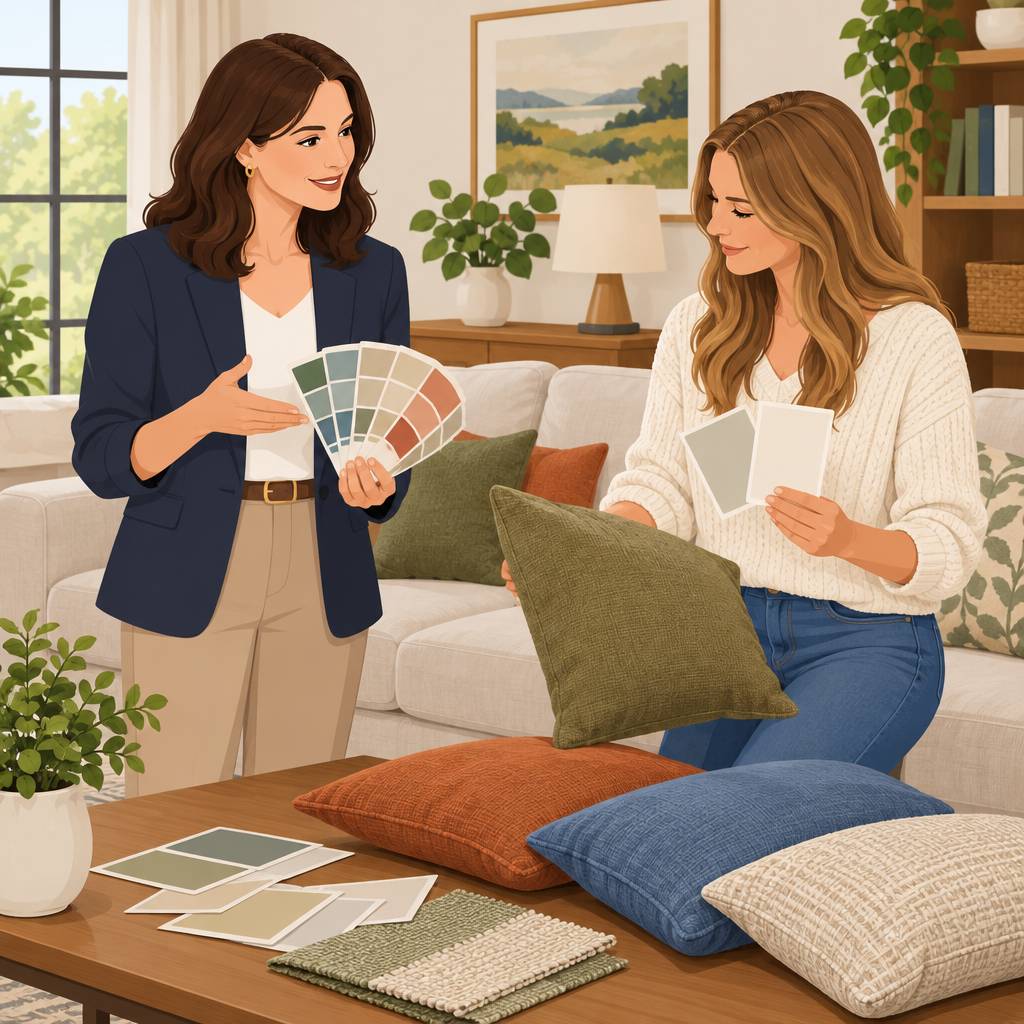
Existing furniture, flooring, and architectural features should guide your color selections.
Transform Your Career Today
Unlock a personalized career strategy that drives real results. Get tailored advice and a roadmap designed just for you.
Start NowThese elements influence how new colors appear throughout your home.
Therefore, review the room’s existing features before choosing a complete color palette.
- Note the colors in your furniture and flooring before selecting paint shades.
- Consider each element’s style and design to maintain a cohesive appearance.
- Compare color swatches or samples with your furnishings before making a final choice.
Undertones in Existing Materials
Undertones can significantly affect how paint colors look in a room.
For this reason, examine the subtle tones within your existing materials.
Matching undertones can help your furnishings, surfaces, and paint work together.
- Warm wood floors or furniture may pair well with warm paint colors.
- Cool stone or metal materials can complement cooler paint hues.
- Neutral undertones provide flexibility across many color schemes.
Creating a Harmonious Color Palette
A cohesive plan helps connect the different elements within your space.
Start by considering how walls, furniture, flooring, and decor interact.
Then, build visual consistency with related shades and carefully selected accents.
- Choose a main wall color that complements your existing elements.
- Select accent colors found in your furniture or decor pieces.
- Use several shades from one color family to add depth and interest.
Coordinating colors with existing elements can enhance your home’s overall appearance.
Meanwhile, thoughtful undertone matching supports a cohesive and harmonious space.
Your final palette can reflect your personal style while respecting the room’s existing features.
See Related Content: The Future of Factory Work in the United States
Choosing the right color palette for your home can feel overwhelming.
Many options exist, so you need a practical way to identify suitable colors.
Start Small and Experiment
- Start with a small space or accent wall to test different colors.
- Experiment with removable wallpaper or sample paint pots.
- Gradually introduce color without feeling overwhelmed.
Starting small lets you assess colors before making larger changes.
Experimenting also reveals which shades work best in your space.
Consequently, you can avoid committing to a color scheme you may dislike.
Consider the Mood You Want to Create
- Think about the mood you want to create in each room.
- Warm reds, oranges, and yellows can create a cozy, inviting atmosphere.
- Cool blues, greens, and purples can make a space feel calm and serene.
Consider each room’s purpose when selecting its color palette.
For example, bedrooms should feel relaxing and peaceful.
Meanwhile, home offices may benefit from energizing colors that promote productivity.
Take Inspiration from Your Environment
- Look to your surroundings for color inspiration.
- Consider nature’s colors, including the sky, trees, and flowers.
- Notice the colors in your existing furniture, artwork, and decor.
Your environment can offer useful inspiration for a home color palette.
Natural colors can help you develop a harmonious and cohesive appearance.
Existing decor can also guide choices that suit your home’s surroundings.
Use the 60-30-10 Rule
- Follow the 60-30-10 rule when selecting room colors.
- Use 60 percent for the dominant color, 30 percent for the secondary color, and 10 percent for accents.
- This approach creates a balanced and visually appealing color scheme.
The 60-30-10 rule helps distribute colors throughout a room.
It creates visual balance while keeping the overall design dynamic.
As a result, your home can feel harmonious, welcoming, and true to your tastes.
Delve into the Subject: The Importance of Janitors in Maintaining Clean Workspaces
Seek Inspiration from Nature and Art
Nature combines colors harmoniously, so it can guide your home color choices.
Natural hues can help you create a comfortable and visually appealing environment.
- Take a walk in the park or your garden and observe naturally occurring colors.
- Notice the lush greens, vibrant flowers, and earthy tones around you.
- Incorporate these natural hues through paint, furniture, and decor choices.
- Art and culture can also provide valuable color palette inspiration.
- Study paintings, photographs, and textiles for appealing color combinations.
- Choose colors from artwork or cultural motifs that reflect your personal taste.
- Textures can add depth and visual interest to your rooms.
- Patterns can create a dynamic and cohesive appearance.
- Mix smooth fabrics, rough wood finishes, and glossy surfaces.
- These combinations create a rich and layered color palette.
- Use wallpaper, upholstery, or rugs to introduce visual impact.
- Combine nature inspired colors, textures, and patterns for a balanced design.
- Let your selections reflect your personality and enhance your home’s design.
Ultimately, choose colors that resonate with you and make you feel comfortable.
Nature and art can help you discover unique combinations for a harmonious home.
Creating a Home Color Palette That Reflects Your Style
Selecting the right color palette for your home creates the desired atmosphere.
Trust your instincts and enjoy selecting colors that express your unique style.
Moreover, you can change paint colors later, so experiment with different shades.
A color palette that resonates with you creates a welcoming and harmonious living space.
Your home should reflect your personality and preferences, so embrace bold, creative choices.
Therefore, explore various color combinations and consult experts when you need guidance.
By following these tips, you can transform your home into a space that feels truly yours.
Start experimenting with colors to create a home that extends your personal style.
Additional Resources
Transform Your Career Today
Unlock a personalized career strategy that drives real results. Get tailored advice and a roadmap designed just for you.
Start Now


