



Introduction
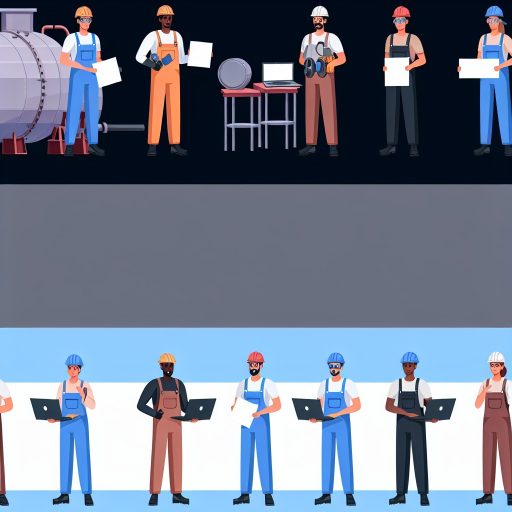
Weather plays a crucial role in the success of construction projects.
The impact of weather conditions on construction projects can be significant.
It can affect timelines, budgets, and overall project outcomes.
Therefore, construction planners and project managers must carefully consider weather conditions when planning and executing construction projects.
From extreme heat to heavy rain and strong winds, weather variations pose significant challenges to construction projects.
These challenges can lead to delays in project completion, increased costs, and safety risks for workers.
Ignoring the impact of weather can have detrimental effects on the overall success of a construction project.
By taking weather conditions into account during the planning phase, construction teams can better prepare for potential challenges and mitigate risks.
This includes adjusting construction schedules and implementing safety measures.
It also involves selecting appropriate construction materials that can withstand various weather conditions.
By proactively considering weather variables, construction projects can minimize disruptions and avoid costly setbacks.
Weather considerations should be integrated into every stage of the construction process to ensure project success.
Prioritizing weather forecasting and adapting construction plans accordingly enables project managers to optimize project outcomes.
Such strategies enhance overall efficiency on construction sites.
The Role of Weather in Construction Delays
- Adverse weather conditions can lead to significant delays in construction projects.
- Examples of weather events include heavy rain, snowstorms, high winds, and extreme temperatures.
- It is crucial for project managers to factor in potential weather delays when creating project timelines.
Impact of Heavy Rain
- Heavy rain can cause soil erosion, flooding, and delays in foundation work.
- Excessive moisture can weaken materials, leading to structural issues and safety concerns.
- Construction sites may become muddy and slippery, posing risks to workers and equipment.
Effects of Snowstorms
- Snowstorms can hinder transportation of materials and equipment to the construction site.
- Cold temperatures can slow down concrete curing and other construction processes.
- Heavy snow accumulation can make working conditions unsafe and increase the risk of accidents.
Challenges of High Winds
- High winds can affect crane operations, lift heavy objects, and cause structural damage.
- Wind gusts can lead to falls, topple scaffolding, and create hazardous work environments.
- Construction crews may have to halt work temporarily until wind speeds decrease to safe levels.
Extreme Temperatures Impact
- Extreme heat can cause materials to expand, affecting their performance and structural integrity.
- Workers may experience heat-related illnesses and reduced productivity during hot weather.
- Severe cold can delay concrete pouring, painting, and other construction activities.
Strategies for Minimizing Weather-Related Delays
- Project managers should monitor weather forecasts regularly and adjust schedules accordingly.
- Developing contingency plans for adverse weather events can help mitigate delays and unexpected costs.
- Communication with subcontractors, suppliers, and stakeholders is essential to coordinate response to weather disruptions.
Weather Impact on Project Timelines and Costs
- Weather plays a significant role in construction delays, impacting project timelines and costs.
- By understanding and planning for weather-related challenges, construction teams can minimize disruptions and optimize project outcomes.
Effects of Temperature on Materials
Extreme temperatures can cause materials to expand or contract.
These changes often lead to structural issues.
Concrete, for example, can crack under extreme heat.
It can also crack during freeze-thaw cycles in cold conditions.
Examples of Temperature-Sensitive Materials
Asphalt is a material that can become soft in high temperatures.
It may deform under such heat.
Steel can lose its strength in extreme cold conditions.
It may also become brittle in freezing temperatures.
Strategies for Managing Temperature-Related Issues
Use insulating materials to protect against temperature changes during construction.
Schedule work during optimal temperature conditions.
This approach minimizes the impact on materials.
Conduct regular inspections to detect any temperature-related damage early.
Address detected issues promptly to prevent further damage.
Implement proper ventilation and heating systems to control site temperatures.
Consider alternative materials that are less sensitive to temperature fluctuations.
Use these materials in certain project areas to improve durability.
Explore Further: Boilermaker Field Service: Essential Skills Needed
Impact of Rain and Snow on Construction Sites
Heavy rain can pose significant challenges during construction.
Snow can also create many obstacles on site.
Precipitation can delay project timelines.
It can increase safety risks for workers.
Materials and equipment may also suffer damage.
- Challenges posed by heavy rain and snow during construction:
- Difficulty in working conditions due to wet and slippery surfaces.
- Potential for erosion and soil movement, affecting site stability.
- Risk of flooding, which can damage structures and equipment.
- Increased likelihood of accidents and injuries for workers.
- Ways in which precipitation can affect the stability of structures:
- Excess moisture can weaken foundations of buildings and structures.
- Snow accumulation on roofs can cause structural damage and collapse.
- Water infiltration can cause corrosion of metal components.
- Changes in soil composition due to rain can affect foundation integrity.
- Tips for mitigating the effects of rain and snow on construction projects:
- Monitor weather forecasts and plan construction activities accordingly.
- Implement proper drainage systems to prevent water accumulation.
- Cover materials and equipment to protect from moisture damage.
- Use temporary shelters or enclosures to shield work areas.
- Provide safety training for workers to prevent accidents in wet conditions.
Construction project managers must anticipate the impact of rain and snow on sites.
Proactive measures help mitigate risks and protect structure integrity.
Such steps allow construction projects to proceed smoothly in bad weather.
Uncover the Details: Agricultural Workers: A Day in the Life on a Farm
Transform Your Career Today
Unlock a personalized career strategy that drives real results. Get tailored advice and a roadmap designed just for you.
Start NowWind and Its Influence on Construction
- Wind can pose a danger to workers and equipment on construction sites.
- Strong winds can impact the structural integrity of buildings.
- Best practices for managing wind-related risks in construction projects.
When it comes to construction projects, wind is a crucial factor that needs to be carefully considered.
Strong winds can pose a danger to workers and equipment on construction sites.
They also have a significant impact on the structural integrity of buildings.
The presence of wind can make working conditions hazardous for construction workers.
High-speed winds can knock down materials, tools, and equipment.
This may lead to potential injuries and accidents on site.
Workers may also be at risk of falling from heights or being hit by flying debris.
In addition to safety risks for workers, strong winds can affect building stability and safety.
Wind load is a critical consideration in structural design.
It exerts pressure on buildings, especially tall structures like high-rises and towers.
Failure to properly account for wind loads can result in structural failures and collapses.
To manage wind-related risks, several best practices can be implemented in construction projects.
- Conduct a thorough wind assessment before starting any construction activity.
- This includes determining average wind speed, prevailing direction, and gust frequency.
- An accurate wind assessment helps design structures to withstand wind forces.
- Use appropriate construction materials to ensure buildings are resilient to wind forces.
- High-quality and durable materials like concrete, steel, and reinforced masonry are recommended.
- Securing components such as roof trusses and windows helps prevent wind-induced damage.
- Implement wind-resistant design techniques to enhance building stability and performance.
- Features like aerodynamic shapes, tapered structures, and bracing systems are effective.
- Wind tunnel testing and computer simulations can optimize designs for wind load resistance.
- Regularly inspect and maintain structures to ensure continued wind resistance over time.
- Periodic maintenance includes checking roofs, facades, and connections for damage.
Taking proactive measures reduces the impact of adverse weather on workers and equipment.
Investment in wind-resistant construction practices ensures the safety and longevity of buildings.
These practices are essential in windy environments for sustainable construction success.
Discover More: Essential Skills Every Professional Tile Setter Must Have
Importance of Weather Forecasting in Construction Planning
Weather forecasting plays a crucial role in the construction industry.
It helps in anticipating potential weather-related disruptions that impact construction projects.
Construction professionals can leverage weather forecasts to plan ahead and mitigate risks linked to adverse weather conditions.
Benefits of Anticipating Weather-Related Disruptions
- Weather forecasts provide insights into upcoming weather patterns, such as rain, snow, wind, and temperature fluctuations.
- By tracking forecasts, construction teams can anticipate delays or schedule disruptions.
- Extreme weather events like hurricanes, tornadoes, or severe thunderstorms pose significant safety risks and can damage materials and equipment.
- Staying informed allows managers to take precautions to ensure worker safety and protect assets.
Effectively Planning Construction Activities with Weather Forecasts
- Professionals can schedule outdoor work during favorable weather conditions.
- If heavy rain is expected, teams may focus on indoor tasks or reschedule work to reduce weather impact.
- Forecasts help with resource allocation, such as ordering materials or equipment ahead to avoid delays.
- Incorporating forecasts into planning optimizes schedules and budgets to ensure success.
Resources for Accessing Reliable Weather Information in Construction
- Various forecasting tools exist, from traditional websites to specialized construction weather apps.
- Popular sites like The Weather Channel, AccuWeather, and Weather Underground offer detailed forecasts, radar maps, and alerts.
- Construction-specific apps such as PlanGrid Weather and WeatherBuild provide customized reports tailored to construction needs.
- Using these tools allows professionals to access accurate data for better planning and execution.
Weather forecasting is essential to construction planning and helps anticipate disruptions from weather conditions.
Professionals can plan activities effectively and access reliable forecasts to improve project outcomes.
By using available forecasting tools, teams can navigate challenging weather and optimize their projects for success.
Discover More: How to Maintain Your Tools as a Concrete Finisher

Strategies for Weatherproofing Construction Projects
Implementing techniques for weatherproofing buildings and structures during construction is crucial.
Using weather-resistant materials such as waterproof membranes, sealants, and durable roofing systems improves protection.
Employ construction methods that minimize exposure to harsh weather conditions, such as prefabrication.
Incorporate proper drainage systems to prevent water accumulation and damage to the structure.
Apply protective coatings to exterior surfaces to enhance resistance to moisture, UV rays, and other elements.
Regular inspections and maintenance of weatherproofing measures ensure their effectiveness over time.
Invest in quality materials and construction practices that prioritize weatherproofing for long-term durability.
Collaborate with architects, engineers, and contractors to develop comprehensive weatherproofing plans for each project.
Incorporate climate-specific design considerations to address unique weather challenges in different regions.
Educate construction teams on the importance of proper weatherproofing techniques and the impact on project timelines and budgets.
- Implementing techniques for weatherproofing buildings and structures during construction is crucial.
- Using weather-resistant materials such as waterproof membranes, sealants, and durable roofing systems.
- Employing construction methods that minimize exposure to harsh weather conditions, such as prefabrication.
- Incorporating proper drainage systems to prevent water accumulation and damage to the structure.
- Applying protective coatings to exterior surfaces to enhance resistance to moisture, UV rays, and other elements.
- Regular inspections and maintenance of weatherproofing measures to ensure their effectiveness over time.
- Investing in quality materials and construction practices that prioritize weatherproofing for long-term durability.
- Collaborating with architects, engineers, and contractors to develop comprehensive weatherproofing plans for each project.
- Incorporating climate-specific design considerations to address unique weather challenges in different regions.
- Educating construction teams on the importance of proper weatherproofing techniques and the impact on project timelines and budgets.
Weather-related delays in construction projects can have significant economic implications.
These delays can increase project costs due to extended labor hours and material expenses.
In addition, weather disruptions can lead to schedule overruns.
Schedule overruns affect the overall profitability of the project.
Examples of Ways to Mitigate Financial Risks
- Develop a detailed project schedule with built-in flexibility to account for weather-related delays.
- Utilize weather tracking technology to anticipate inclement weather and adjust construction plans accordingly.
- Implement contingency plans for unexpected weather events, such as securing alternative work locations or adjusting project timelines.
- Ensure clear communication between project stakeholders to address weather-related delays promptly and efficiently.
- Consider purchasing weather delay insurance to mitigate financial risks associated with prolonged weather disruptions.
By taking proactive measures to mitigate the financial risks associated with weather-related delays, construction companies can minimize the impact on overall project costs and profitability.
Weather Effects on Construction Project Timelines and Safety
Weather impacts construction projects significantly.
Delays in timelines often arise from adverse weather.
Transform Your Career Today
Unlock a personalized career strategy that drives real results. Get tailored advice and a roadmap designed just for you.
Start NowSafety hazards for workers increase during harsh weather conditions.
Key Factors of Weather Impacting Construction
- Weather causes project delays and safety concerns.
- Extreme conditions like heavy rain, snow, or high winds affect projects.
- Planning and monitoring weather help mitigate risks.
Strategies for Incorporating Weather Planning in Construction
Construction professionals must prioritize weather planning.
Effective weather planning helps avoid costly delays and safety risks.
Proactive management keeps projects on track and within budget.
Recommendations for Weather Preparedness in Projects
We urge construction teams to make weather planning a top priority.
Incorporate weather monitoring and contingency plans into schedules.
Such preparation ensures successful delivery despite unforeseen weather events.
Additional Resources
FAQs: Earned sick and safe time (ESST) | Minnesota Department of …
Extreme Heat Is More Dangerous for Workers Every Year – Center …