




Introduction
Waste management in construction involves handling construction waste.
It also includes storing and disposing of that waste.
Proper waste management supports environmental sustainability.
It also minimizes health hazards.
Effective Waste Management and Construction Cost Savings
Construction companies can reduce costs when they prioritize effective waste management.
These practices lower disposal fees, maximize available resources, and reduce purchases of new materials.
They also support a more sustainable construction industry.
Reusing and Recycling Construction Materials
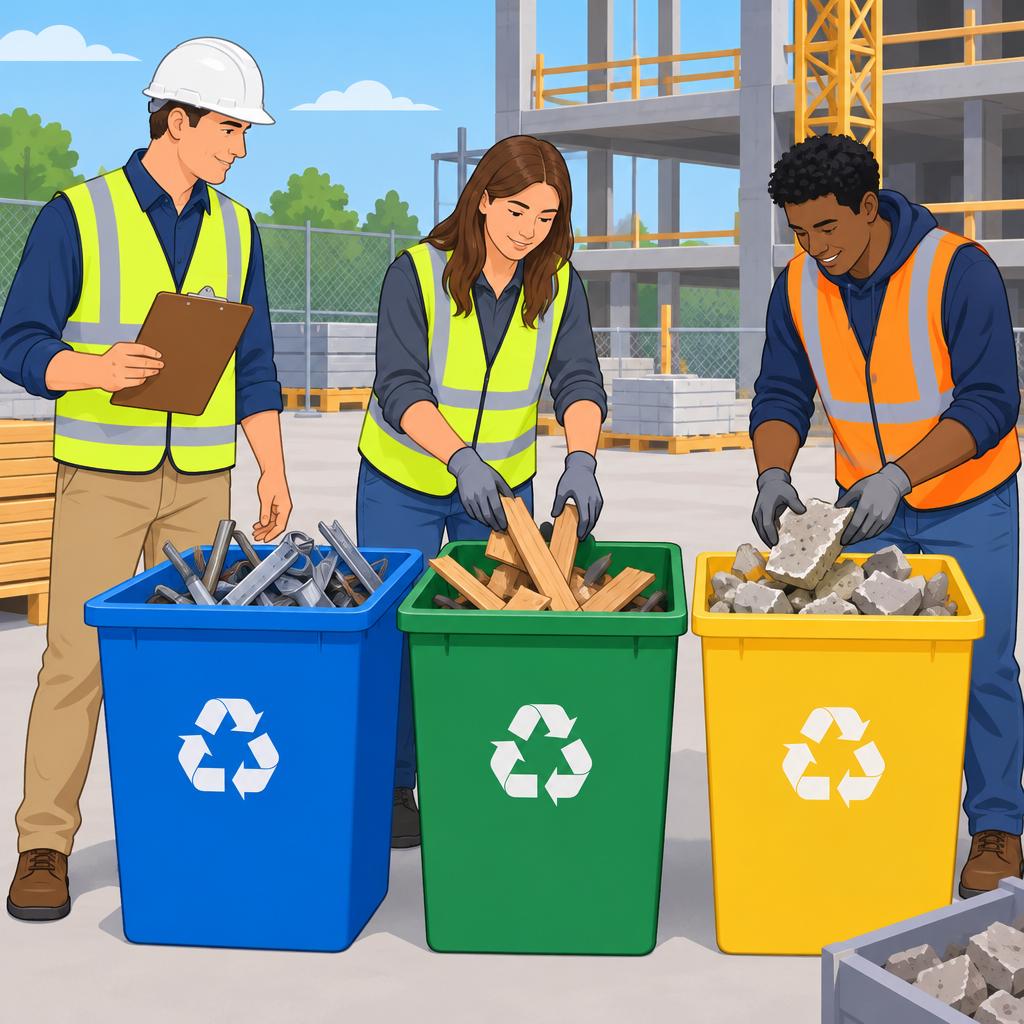
Companies can salvage wood, metal, and concrete for future construction projects.
Reusing these materials reduces purchases of new supplies and lowers project expenses.
Additionally, recycling reduces the environmental impact of construction activities.
Efficient Inventory Management
Accurate estimates help companies order only the materials each project requires.
Consequently, teams avoid over-ordering, reduce waste, and control material costs.
Proper inventory management also keeps construction sites clean and organized.
Strategies for Minimizing Material Waste
Careful planning helps teams minimize material waste during construction.
Workers should handle and store materials properly throughout each project.
Training workers in efficient waste practices further reduces landfill waste and disposal fees.
Proper Waste Disposal Management
Companies must follow regulations when disposing of hazardous materials.
They should sort non-hazardous waste and dispose of it responsibly.
Proper disposal practices help companies avoid fines and penalties over time.
Sustainable Cost Management
Together, these practices reduce costs and limit environmental impacts.
Construction companies can therefore improve resource use while supporting sustainability.
Consistent waste management creates a more efficient construction process.
Environmental Impact
Construction waste management directly affects environmental sustainability.
Responsible practices can reduce pollution and protect natural resources.
However, careless disposal can damage ecosystems and threaten public health.
Environmental Benefits
Effective waste management reduces the environmental pressure created by construction activities.
Furthermore, recycling and reuse help companies limit their dependence on new materials.
These practices also reduce energy use and prevent harmful pollution.
- Landfill waste reduction: Companies can send less construction waste to landfills.
- Resource conservation: Reusing materials reduces demand for timber, minerals, and other natural resources.
- Energy savings: Recycling and reuse generally require less energy than producing replacement materials.
- Pollution prevention: Responsible waste handling helps protect soil, air, water, and ecosystems.
Environmental Consequences
Poor waste management can create lasting environmental damage.
For example, hazardous materials can spread through soil, air, and water.
Illegal dumping can also destroy habitats and disrupt ecological balance.
- Soil contamination: Chemicals and paints can damage soil, plant growth, groundwater, and ecosystem health.
- Air pollution: Burning construction waste releases pollutants that harm people and the environment.
- Water pollution: Waste can release harmful chemicals into water sources and threaten aquatic life.
- Habitat destruction: Illegal dumping can destroy natural habitats and reduce biodiversity.
Sustainable Construction Waste Management
Construction companies can reduce environmental harm by managing waste responsibly.
They can prioritize recycling, reuse, and safe disposal throughout construction projects.
These actions support a healthier environment for present and future generations.
Find Out More: Effective Communication in Construction Management
Legal Compliance in Construction Waste Management
Construction companies must follow waste management regulations to protect workers, communities, and the environment.
Additionally, compliance supports safe operations and reduces risks linked to improper waste handling.
Following these requirements also encourages responsible resource use and limits unnecessary waste generation.
- Regulatory compliance helps maintain a safe and healthy work environment for workers and nearby communities.
- It also ensures proper waste handling, which reduces pollution and natural resource contamination.
- Moreover, companies can avoid fines, penalties, and legal issues by following applicable requirements.
Legal Consequences of Noncompliance
Construction companies may face legal action when they fail to follow waste management protocols.
Depending on the violation, authorities may impose fines, penalties, project delays, or shutdowns.
Transform Your Career Today
Unlock a personalized career strategy that drives real results. Get tailored advice and a roadmap designed just for you.
Start NowNoncompliance can also harm a company’s reputation and reduce future business opportunities.
- Severe violations may lead to lawsuits, injunctions, or criminal charges against responsible parties.
- Reputational damage can cause companies to lose contracts and business opportunities.
Therefore, legal compliance helps construction projects operate smoothly while reducing costly legal consequences.
Discover More: Essential Safety Tips for Heavy Equipment Operators
Health and Safety
Proper waste management reduces tripping hazards on construction sites.
Additionally, it minimizes workers’ contact with hazardous materials.
When workers dispose of waste improperly, contamination can affect soil and groundwater.
Moreover, substances like asbestos and lead can cause severe health issues.
Workers exposed to hazardous waste often develop respiratory problems, skin irritations, and other illnesses.
Inadequate waste management can also cause accidents and injuries at construction sites.
Furthermore, proper disposal methods eliminate fires caused by combustible waste materials.
Regular waste removal maintains a clean and safe working environment for everyone.
Health and safety regulations require construction companies to implement effective waste management practices.
Failure to comply with these regulations can result in fines and legal penalties.
Finally, proper waste management protects workers’ health and improves overall project efficiency.
Gain More Insights: Top Skills Every Heavy Equipment Operator Needs
Resource Conservation Through Construction Waste Recovery
Waste management in construction helps conserve valuable resources.
By reducing waste, construction teams use materials more efficiently and limit unnecessary resource consumption.
Furthermore, reuse and recycling keep usable materials in circulation and support more sustainable construction practices.
- Workers can crush concrete and use it as aggregate in new concrete mixes.
- Teams can salvage wood from demolition sites for furniture or structural elements in new buildings.
- Workers can clean bricks and masonry materials for landscaping or building restoration projects.
- Construction teams can collect scrap metal and recycle it into new metal products.
- Road crews can mill asphalt and reuse it in new pavement projects.
- Recycling facilities can process plastic waste into construction materials such as plastic lumber.
Gain More Insights: Essential Skills Every Agricultural Worker Must Have
Reputation Management
Effective waste management shapes a construction company’s reputation.
Sustainable practices can strengthen its image among clients and industry participants.
Moreover, consistent waste handling demonstrates responsibility throughout construction operations.
Building Trust
Proper waste management shows environmental responsibility and ethical conduct.
Clients may trust companies that reduce their environmental impact.
Furthermore, consistent practices can establish reliability and trustworthiness.
- Proper waste management demonstrates a company’s commitment to responsible practices.
- Clients often respect companies that value sustainability and environmental responsibility.
- Effective waste handling can strengthen a construction company’s reputation for reliability.
Client Relationships
Sustainable waste practices demonstrate concern for client priorities.
Clients often value companies that prioritize environmental stewardship.
As a result, shared principles can support lasting client relationships.
- Sustainable waste management reflects a company’s commitment to client well-being.
- Environmental stewardship can make collaboration more appealing to like-minded clients.
- Shared sustainability values can encourage long-term client relationships.
Brand Image
Excellent waste management can distinguish a construction company from competitors.
Customers increasingly notice brands that support sustainability and social responsibility.
Therefore, responsible practices can attract clients who value environmental stewardship.
- A strong waste management record can differentiate a construction company.
- Sustainable practices can strengthen a company’s public brand image.
- Environmental responsibility can appeal to eco-conscious clients.
Community Relations
- Proper construction waste management benefits the local community in several ways.
- It reduces pollution and health hazards for residents near construction sites.
- Additionally, it improves neighborhood cleanliness and appearance.
- It can increase property values and attract potential buyers or renters.
- Consequently, community members enjoy an improved quality of life.
Community Engagement
- Construction companies can engage communities through proactive communication and transparent practices.
- They can host community meetings to discuss waste management plans.
- These meetings also allow companies to address concerns and feedback.
- Companies can provide educational materials about responsible disposal and recycling.
- Furthermore, they can collaborate with local organizations or schools on cleanup events and workshops.
- They can offer residents opportunities to volunteer in sustainability initiatives.
Responsible Waste Practices
- Construction companies can encourage residents to separate and recycle waste.
- On-site waste segregation helps teams recycle materials and dispose of waste properly.
- Companies can partner with local facilities to handle construction debris correctly.
- They can provide incentives or rewards for active participation in waste programs.
- Regular communication channels allow residents to report issues and suggest improvements.
Trust and Community Relationships
- Open and transparent communication fosters trust and goodwill with the community.
- Construction companies demonstrate environmental stewardship through sustainable waste practices.
- They should listen actively and address community concerns promptly and respectfully.
- Ongoing engagement helps companies build lasting relationships with community members.
- Companies can show gratitude for community support and cooperation.
By prioritizing community relations, construction companies can create positive environmental and social impacts.
Effective waste management supports construction operations and community well-being.
Sustainable Waste Management Practices
Effective waste management helps construction projects reduce environmental impact and operate more efficiently.
Moreover, planning and recycling strategies can reduce material waste while supporting sustainable project practices.
By prioritizing these practices, construction companies help create a cleaner, healthier environment for future generations.
Furthermore, waste management represents both a legal requirement and a moral responsibility for construction projects.
Therefore, construction companies should apply waste reduction practices throughout their projects.
Additional Resources
Transform Your Career Today
Unlock a personalized career strategy that drives real results. Get tailored advice and a roadmap designed just for you.
Start Now


