




Heavy Equipment Safety Priorities
Heavy equipment work involves significant risks for operators and nearby coworkers.
Operating heavy machinery can cause serious accidents and injuries when workers ignore proper safety precautions.
Therefore, operators must prioritize safety during every task and equipment operation.
Equipment Readiness and Operator Training
Inspect each machine before use to confirm that it remains in good working condition.
Additionally, employers must provide proper training and certification before operators use heavy machinery.
Operators should also follow the safety guidelines and procedures supplied by equipment manufacturers.
Protective Practices and Clear Communication
Wear suitable personal protective equipment, including helmets, gloves, and safety shoes.
Meanwhile, establish clear communication with coworkers before coordinating movements or completing shared tasks.
Clear communication helps workers coordinate effectively and avoid preventable accidents.
Focus, Awareness, and Fatigue Control
Avoid distractions such as texting or using a phone while operating heavy equipment.
Stay focused and alert so you can respond quickly to potential hazards.
Regularly scan the work area and monitor nearby surroundings to prevent collisions.
Maintaining Safe Worksite Operations
Take regular breaks to prevent fatigue and maintain concentration during equipment operations.
By combining preparation, awareness, and communication, operators can reduce accident risks.
These practices support a safer work environment for operators and their colleagues.
Proper Training and Certification
Proper training prepares operators to control heavy equipment responsibly on job sites.
Before operating machinery, workers should complete comprehensive training programs.
- Operators need proper training before operating heavy equipment.
- Each operator must earn certification for every specific machinery type they operate.
These programs explain equipment controls, safety procedures, and emergency protocols.
Certification demonstrates that operators possess the knowledge and skills for safe, efficient equipment operation.
Therefore, employers should permit only certified operators to use heavy equipment.
Additionally, operators need regular training and certification renewal as regulations and equipment change.
Employers should provide continuing education that strengthens operator skills and knowledge.
Regular Equipment Inspection
Regular inspections help identify equipment issues before they create hazards.
This practice supports safer work areas for operators and nearby workers.
It also helps equipment perform reliably during daily operations.
Heavy Equipment Inspection Practices
A consistent inspection routine can reveal leaks, worn components, and other maintenance concerns.
Operators should complete these checks as part of their daily routine.
The following points identify important areas to review.
- Check for leaks or fluid drips underneath the equipment.
- Inspect the tires for wear and tear.
- Ensure the tires have proper inflation.
- Examine the brakes to confirm they function correctly.
- Look for loose or damaged parts requiring repair or replacement.
- Test all lights and signals to ensure they work properly.
- Inspect seat belts, rollover protection structures, and fire extinguishers.
- Check hydraulic systems for leaks and smooth operation.
- Review the operator’s manual for specific inspection and maintenance guidelines.
Following these checks helps maintain a safer work environment.
Therefore, operators can address equipment concerns before accidents or malfunctions occur.
Taking time to inspect machinery also supports optimal equipment performance.
Explore Further: Top Skills Every Heavy Equipment Operator Needs
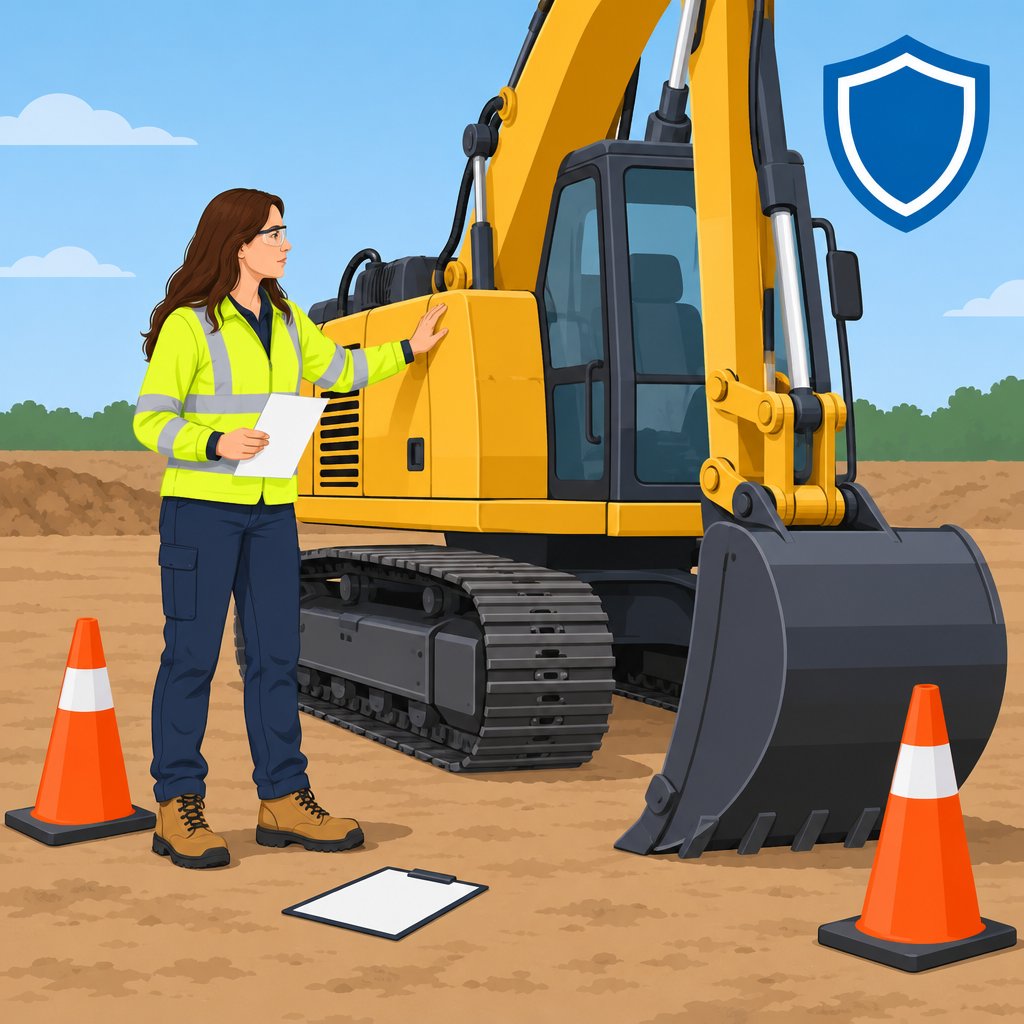
Use of Personal Protective Equipment (PPE)
Heavy equipment operators should prioritize safety by using proper personal protective equipment.
Appropriate PPE can significantly reduce injury and accident risks.
Operators should wear PPE while working.
Essential PPE Items
- Hard hats protect the head from falling objects and impact injuries.
- Gloves improve control grip and protect hands from cuts or abrasions.
- Safety glasses shield eyes from debris, dust, and other hazards.
- Steel-toed boots protect feet from heavy equipment and sharp objects.
- Ear protection reduces exposure to loud noise that can damage hearing.
- High-visibility clothing improves visibility and helps prevent collisions or accidents.
- Respirators or masks protect against dust, fumes, and harmful substances in the air.
Operators must ensure that PPE remains in good condition and fits properly.
Regular inspections and timely replacement of worn gear maintain safety standards.
Wearing correct PPE fulfills a requirement and demonstrates responsibility to others.
Proper gear helps prevent accidents and supports a secure work environment.
Delve into the Subject: Essential Skills Every Agricultural Worker Must Have
Transform Your Career Today
Unlock a personalized career strategy that drives real results. Get tailored advice and a roadmap designed just for you.
Start NowAdherence to Safety Protocols
Heavy equipment operators must follow established safety protocols during every work activity.
These procedures protect operators and everyone working nearby.
Therefore, operators must follow company safety guidelines consistently.
Importance of Following Safety Protocols
Safety protocols help prevent accidents and injuries during heavy equipment operations.
They also support efficient, smooth, and organized work.
Additionally, consistent compliance protects workers and reduces company liability risks.
- Prevent accidents and injuries
- Ensure efficient and smooth operations
- Maintain a safe working environment for everyone
- Reduce liability risks for the company
Ignoring safety protocols can cause injuries, equipment damage, or fatalities.
Consequently, every operator must place safety before operational convenience.
Common Safety Guidelines
Operators should follow clear procedures before, during, and after equipment use.
They must communicate with coworkers and remain attentive throughout each task.
Furthermore, operators should follow traffic requirements and avoid unsafe operating conditions.
- Wear required safety gear, including helmets, gloves, and steel-toed boots
- Inspect equipment before use and confirm proper working condition
- Follow operating procedures in the equipment manual
- Communicate effectively with team members
- Avoid distractions, including mobile phone use
- Stay alert and focused on the current task
- Obey traffic rules and signals on public roads
- Use defensive driving techniques to anticipate potential hazards
- Never operate equipment under the influence of drugs or alcohol
- Attend regular safety training sessions
Following these guidelines creates safer conditions for operators and nearby workers.
Safety should remain the top priority whenever workers use heavy machinery.
Uncover the Details: Warehouse Worker Job Satisfaction: Insights and Tips
Communication on the Work Site
Effective communication helps heavy equipment operators maintain safer work sites.
Clear exchanges between operators and other personnel help prevent accidents.
Therefore, every team member should communicate clearly during work activities.
Effective Communication Methods for Accident Prevention
Heavy equipment operation involves numerous risks that require dependable communication.
Miscommunication can create dangerous situations, injuries, or fatalities.
Operators should use consistent methods to communicate with their team members.
- Use clear and concise language, and avoid jargon that others may not understand.
- Establish standardized hand signals for noisy environments where verbal communication becomes difficult.
- Check in with team members regularly to address concerns and safety issues promptly.
- Use a buddy system to improve communication and provide additional safety support.
- Use radios on large work sites where distance makes verbal communication challenging.
By emphasizing clear communication, operators can reduce risks and support a safer work environment.
Gain More Insights: Essential Skills for Success in Manufacturing Jobs
Proper Positioning and Awareness
Heavy equipment operators must remain aware of their surroundings at all times.
They should stay alert while operating machinery to support a safer work environment.
Additionally, operators must position equipment carefully to help prevent accidents.
Maintaining Awareness During Operation
Operators should remain focused and observant throughout every equipment movement.
By monitoring nearby conditions, operators can identify hazards before they cause accidents.
Furthermore, consistent awareness helps protect operators and colleagues working nearby.
Guidelines for Proper Equipment Positioning
Proper positioning improves visibility and reduces blind spots around heavy equipment.
Operators should use available safety tools and communicate clearly during equipment movements.
The following practices support safer positioning and operation on the worksite.
- Ensure clear lines of sight before operating heavy equipment in any direction.
- Use a spotter when visibility remains limited or the equipment enters a tight space.
- Avoid distractions and stay focused on the task during equipment operation.
- Check blind spots with mirrors or cameras before moving the equipment.
- Communicate with colleagues to coordinate movements and avoid collisions.
Following these practices helps operators support their own safety and protect others on the worksite.
Operators should prioritize safety and take proactive steps to prevent workplace accidents and injuries.
Avoiding Distractions
Distractions pose significant risks for heavy equipment operators.
They can cause accidents, injuries, or fatalities during equipment operation.
Therefore, operators should minimize distractions and maintain focus while operating heavy machinery.
Dangers of Distractions During Equipment Operation
- Lack of focus can cause errors or miscalculations that lead to accidents.
- Distractions can cause operators to overlook important safety protocols or procedures.
- Loss of concentration can reduce reaction times during emergencies.
- Unexpected distractions can startle operators and cause sudden, unsafe maneuvers.
- Diverted attention may cause collisions with equipment, structures, or workers nearby.
Ways to Minimize Distractions and Maintain Focus
Operators can use several practical strategies to maintain concentration during equipment operation.
Additionally, regular breaks can help operators rest before returning to work.
Clear communication can also reduce confusion and support consistent attention.
- Reduce unnecessary noise: Loud environmental noise can distract operators and affect concentration.
- Avoid mobile phones: Operators should not use mobile phones while operating heavy equipment.
- Stay vigilant: Operators should watch their surroundings and anticipate potential hazards.
- Take regular breaks: Short breaks can help operators rest and recharge before resuming work.
- Communicate clearly: Operators should exchange clear information with colleagues and supervisors.
- Follow established procedures: Operators should follow procedures to prevent uncertainty and confusion.
By managing distractions, operators can protect themselves and others while working around heavy machinery.
Transform Your Career Today
Unlock a personalized career strategy that drives real results. Get tailored advice and a roadmap designed just for you.
Start NowEssential Practices for Safer Equipment Operation
Safety remains essential for heavy equipment operators.
Always conduct thorough inspections and wear appropriate personal protective equipment.
Never take shortcuts or risks that could compromise your well-being.
Furthermore, communication, awareness, and training help prevent accidents and support safer work environments.
By prioritizing safety, you can protect yourself and others during equipment operation.


