




Warehouse Compliance Overview
Warehouse compliance supports worker safety and efficient operations.
It requires warehouses to follow regulations established by governing bodies.
These standards help maintain safe and effective operational practices.
Applicable Warehouse Regulations
Warehouses must follow OSHA guidelines and fire safety codes.
They must also meet employee standards and environmental regulations.
Together, these requirements help create a safe working environment.
Best Practices for Warehouse Operations
Best practices improve warehouse efficiency and reduce operational risks.
They also help warehouses maintain compliance with applicable regulations.
Proper training, regular audits, and continuous improvement support these practices.
Understanding Warehouse Compliance Regulations
Warehouse compliance regulations establish rules and standards for legal and safe warehouse operations.
Warehouses must follow requirements from organizations such as OSHA, EPA, and other authorities.
These requirements address workplace safety, environmental protection, fire safety, construction, and land use.
Regulatory Areas Affecting Warehouses
OSHA establishes standards that protect employees from workplace hazards.
Meanwhile, the EPA regulates environmental matters, including hazardous waste disposal.
Warehouses may also follow fire safety codes, building codes, and zoning laws.
- OSHA establishes workplace safety standards.
- The EPA regulates hazardous waste disposal and other environmental concerns.
- Fire safety codes support protection against warehouse fire hazards.
- Building codes establish requirements for warehouse structures.
- Zoning laws regulate where warehouses may operate.
Maintaining Current Compliance Practices
Regulatory requirements can change, so warehouses must monitor relevant updates.
Regular reviews help warehouses identify outdated procedures and prevent potential violations.
Furthermore, updated practices help maintain a safer work environment.
- Review regulations regularly for relevant changes.
- Update compliance practices when requirements change.
- Train staff on new or revised regulations.
- Conduct regular audits to evaluate compliance.
Consequences of Non-Compliance
Failure to follow regulations can result in fines, penalties, or legal action.
Non-compliance can also contribute to accidents, injuries, or environmental harm.
Additionally, regulatory failures can damage reputation and reduce business opportunities.
- Fines can create significant financial consequences.
- Penalties may follow violations of applicable requirements.
- Legal action can result from serious compliance failures.
- Accidents and injuries can affect employees and operations.
- Environmental harm can create additional consequences.
Warehouses should prioritize regulatory compliance throughout their operations.
Consistent monitoring and staff training support safer and more responsible practices.
These efforts also help warehouses avoid costly penalties and protect their reputation.
Safety as a Foundation for Warehouse Operations
Warehouse safety protects employees and supports smooth, efficient operations.
Additionally, safety protocols reduce the likelihood of workplace accidents and injuries.
When employees feel safe, they often show stronger morale and greater productivity.
- Following safety guidelines helps minimize accidents and injuries.
- Safe workplaces can improve employee motivation and overall performance.
- Following regulations helps businesses avoid fines, penalties, and reputational damage.
- A strong safety culture encourages employees to prioritize safe practices daily.
Maintaining a Safe Working Environment
A safe warehouse environment supports employee well-being and business success.
Therefore, managers should provide training, maintain equipment, and prepare employees for emergencies.
Clear communication also helps employees understand safety guidelines and required procedures.
- Train every employee on relevant safety procedures and protocols.
- Inspect and maintain warehouse equipment regularly to prevent dangerous malfunctions.
- Develop emergency response plans for potential warehouse hazards and risks.
- Use clear communication channels to share safety information with employees.
Equipment Maintenance and Employee Training
Proper equipment maintenance helps warehouse systems perform reliably and safely.
Meanwhile, regular training keeps employees familiar with safe work practices.
Employees should also report hazards quickly so managers can address them.
- Schedule regular maintenance for every piece of warehouse equipment.
- Provide ongoing training and refresher courses on safety procedures.
- Teach employees how to use equipment and follow emergency procedures.
- Encourage employees to report hazards and safety concerns promptly.
- Provide high-quality personal protective equipment to reduce injury risks.
Regular Safety Audits and Inspections
Regular audits and inspections help identify warehouse hazards before they cause incidents.
Furthermore, employee participation can reveal practical concerns within daily warehouse activities.
Managers should document findings and correct deficiencies without unnecessary delay.
- Create a formal schedule for inspecting warehouses, equipment, and processes.
- Involve employees to gather feedback about workplace safety practices.
- Document audit findings and analyze recurring safety issues.
- Identify root causes and areas requiring improvement.
- Implement corrective actions to address deficiencies and prevent recurrence.
By prioritizing safety, businesses can protect employees and support reliable warehouse operations.
Explore Further: Health Risks for Pest Control Professionals
Best Practices for Inventory Management
Accurate inventory tracking helps businesses avoid stockouts and overstock situations.
Furthermore, real-time inventory data supports informed decisions and prevents revenue loss.
Transform Your Career Today
Unlock a personalized career strategy that drives real results. Get tailored advice and a roadmap designed just for you.
Start NowEfficient tracking reduces order errors and improves customer satisfaction.
Importance of Accurate Inventory Tracking
- Accurate inventory tracking helps businesses avoid stockouts and overstock situations.
- Real-time inventory data supports informed decisions and prevents revenue loss.
- Efficient tracking reduces order errors and enhances customer satisfaction.
Efficient Inventory Management Systems
- Inventory management software automates tracking and monitoring processes.
- Regular inventory audits identify discrepancies and support corrective actions.
- Barcode or RFID technology enables faster and more accurate inventory counting.
Warehouse Layout Optimization
- Organizing products by demand enables efficient picking and replenishment.
- A systematic labeling system helps workers locate items easily.
- Racks and shelving units use vertical space to maximize storage capacity.
Uncover the Details: Seasonal Window Cleaning Tips for Homeowners
Environmental Regulation Compliance in Warehouse Operations
Warehouses must address air quality, water pollution, and hazardous waste disposal requirements.
These regulations help warehouses limit environmental harm during daily operations.
Furthermore, compliance protects employees and nearby communities from avoidable health and safety risks.
Waste Disposal and Recycling Practices
Proper waste disposal helps warehouses meet environmental requirements and reduce their carbon footprint.
Effective recycling programs divert materials from landfills and conserve valuable resources.
Additionally, organized waste management can lower operating costs through more efficient resource use.
Ways to Reduce Environmental Impact
Warehouses can combine practical improvements with employee involvement to reduce environmental impacts.
Energy efficiency, responsible purchasing, and careful material handling support more sustainable operations.
Regular performance reviews also help managers identify improvements and respond to changing environmental requirements.
- Conduct regular audits to identify improvements in waste management and recycling practices.
- Create a waste management plan covering recycling and hazardous material disposal.
- Train employees to follow proper waste handling procedures.
- Invest in energy efficient lighting and equipment to reduce consumption and emissions.
- Collaborate with suppliers to reduce packaging waste throughout the supply chain.
- Consider solar panels or rainwater harvesting systems for additional environmental improvements.
- Monitor environmental performance metrics to measure progress and identify opportunities.
- Stay informed about regulatory changes and adjust warehouse practices accordingly.
- Encourage employees to support sustainability and environmental responsibility.
You Might Also Like: How to Handle Warehouse Staffing Challenges Effectively
Employee Training and Development
Employee training helps warehouses meet compliance requirements and apply workplace best practices.
Furthermore, development programs strengthen accountability, safety, professionalism, and operational performance.
Ongoing education also supports continuous improvement throughout warehouse operations.
- Importance of compliance training and best practices
- Ways to create a culture of compliance and continuous improvement
- Methods for providing ongoing education to warehouse staff
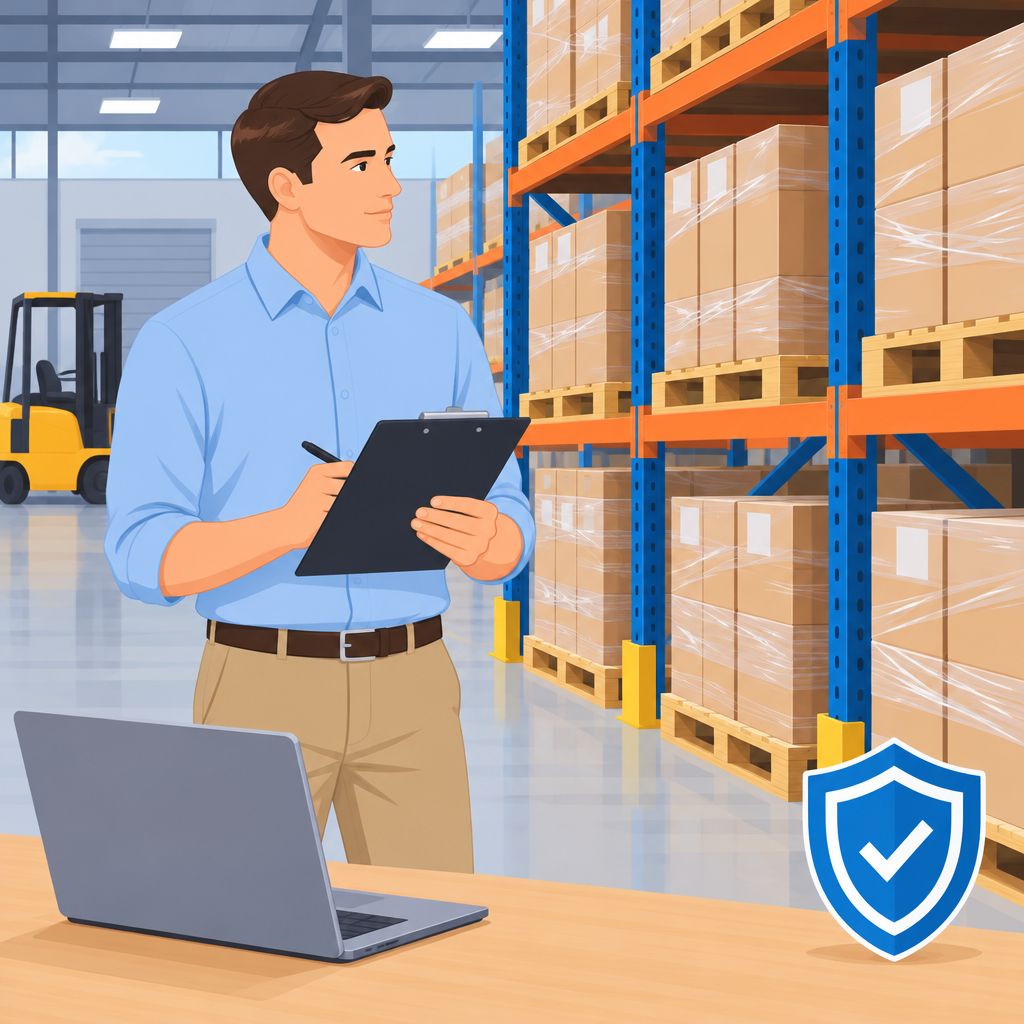
Importance of Compliance Training and Best Practices
Compliance training helps employees understand their workplace responsibilities.
It also explains the potential consequences of failing to follow applicable requirements.
Additionally, training promotes accountability and professionalism across the workplace.
Comprehensive instruction strengthens employee knowledge and improves workplace skills.
As a result, employees can perform their duties more effectively and efficiently.
Compliance education also reduces the risk of regulatory violations.
Moreover, it supports a safer working environment for everyone.
Creating a Culture of Compliance and Continuous Improvement
Managers and supervisors should demonstrate compliance through their own actions.
Open communication keeps employees informed about requirements, updates, and recommended practices.
Leaders should also welcome feedback about compliance concerns and workplace issues.
- Lead by example by following all applicable regulations.
- Communicate compliance requirements, updates, and best practices regularly.
- Encourage employees to report concerns without fear of retaliation.
- Recognize employees who consistently follow compliance requirements.
- Provide periodic training about new regulations and changing practices.
Ongoing Education Opportunities for Warehouse Staff
A structured training program should cover relevant compliance requirements and workplace practices.
Online resources can provide employees with flexible and accessible learning opportunities.
Mentorship programs allow experienced employees to share knowledge through practical workplace instruction.
Regular workshops can address emerging trends and developing workplace practices.
Meanwhile, continuous learning encourages employees to strengthen their knowledge and capabilities.
- Implement a structured training program for warehouse compliance.
- Use online courses and e-learning resources for flexible instruction.
- Pair new employees with experienced staff members for mentorship.
- Conduct workshops led by knowledgeable industry professionals.
- Support further education and relevant compliance certifications.
Learn More: Heavy Equipment Operator Certification Guide
Use of Technology in Ensuring Compliance
Technology gives warehouses tools that support compliance and streamline operational processes.
Inventory management software tracks inventory levels, verifies stock counts, and improves storage space utilization.
Safety monitoring systems identify workplace hazards, support OSHA compliance, and help prevent accidents.
Benefits of Automating Compliance Processes
Automation increases efficiency and accuracy across compliance activities.
It reduces human error and saves time on manual tasks.
Additionally, real-time compliance metrics support proactive decisions and faster responses to emerging issues.
Selecting Technology for Warehouse Operations
Warehouse leaders should first assess operations and identify areas needing technology support.
Next, they should compare features and capabilities against specific compliance goals.
They should evaluate integration, scalability, usability, support, and maintenance requirements.
Transform Your Career Today
Unlock a personalized career strategy that drives real results. Get tailored advice and a roadmap designed just for you.
Start NowFinally, managers should gather staff input because employees will use the selected tools.
Importance of Auditing and Monitoring Compliance
- Regular audits and inspections ensure adherence to regulations.
- Regular audits help identify potential compliance issues before they escalate.
- These practices increase transparency and accountability within the organization.
Tips for Spotting Compliance Issues
- Train employees to remain vigilant and report any irregularities.
- Review documentation and records regularly for accuracy and completeness.
- Maintain communication with regulatory agencies to receive updates.
Addressing Compliance Issues Promptly
- Develop a protocol for addressing non-compliance findings immediately.
- Assign designated staff responsibility for resolving compliance issues.
- Implement corrective actions promptly to prevent recurrence.
Creating a System for Continuous Monitoring
- Establish key performance indicators for compliance monitoring.
- Automate processes where possible to streamline monitoring efforts.
- Use technology tools to track and analyze compliance data efficiently.
Continuous Improvement in Warehouse Compliance
Warehouse compliance protects employees, safeguards inventory, and supports efficient operations.
Therefore, warehouses should prioritize regulations and best practices to avoid penalties and liabilities.
Moreover, continuous improvement can help create a safer and more efficient workplace.
Act now by applying these strategies and monitoring changing regulations.


