




Veterinary Technician Responsibilities
Veterinary technicians assist veterinarians in providing care for animals.
They help deliver treatment while supporting animal patients throughout their care.
Their work requires dedication across many demanding responsibilities.
Workplace Demands
Veterinary technicians often work long hours, including evenings and weekends.
They lift heavy animals, restrain patients, and remain standing for extended periods.
Additionally, sick or injured animals can create significant emotional stress.
Communication and Professional Growth
Veterinary technicians explain animal conditions and treatment plans to pet owners.
These conversations can challenge technicians, especially when owners feel concerned.
Furthermore, limited advancement opportunities can affect long-term professional growth.
Education and Workplace Collaboration
Technicians must pursue continuing education to learn new medical techniques.
They also collaborate with veterinarians, technicians, and support staff.
However, team dynamics can sometimes make workplace collaboration challenging.
Emotional Wellbeing in Veterinary Care
Constantly caring for sick animals can cause compassion fatigue.
Emotional exhaustion and burnout may develop when technicians face these demands repeatedly.
Despite these challenges, veterinary technicians remain dedicated to quality animal care.
Long Working Hours and Irregular Schedules
Working as a veterinary technician often involves long hours and irregular schedules.
These demanding schedules can affect physical and mental energy.
Veterinary technicians must manage demanding work hours alongside personal needs.
- Veterinary technician work hours can become especially demanding.
- Veterinary technicians may work shifts extending beyond eight hours.
- Long shifts can cause physical and mental fatigue, making peak performance challenging.
- Veterinary technicians may work shifts extending beyond eight hours.
- Evening, weekend, and holiday schedules create additional challenges.
- Veterinary clinics may operate during evenings, weekends, and holidays.
- These schedules can reduce personal time with family and friends.
- Veterinary clinics may operate during evenings, weekends, and holidays.
- Several strategies can help veterinary technicians maintain work-life balance.
- Veterinary technicians can prioritize self-care and establish clear boundaries.
- Regular breaks, colleague support, and stress-relief techniques can help prevent burnout.
- Veterinary technicians can prioritize self-care and establish clear boundaries.
Thoughtful time management and self-care can support a healthier work-life balance.
This approach helps veterinary technicians manage irregular schedules while protecting personal well-being.
Physical Demands of the Job
Veterinary technicians perform varied physical tasks that can affect their bodies.
These duties require strength, endurance, quick movement, and careful equipment handling.
Therefore, technicians should understand these demands and protect their physical well-being.
- Veterinary technicians lift and restrain animals during various procedures, which can strain their backs and muscles.
- They stand for long periods during surgeries, examinations, and other treatments, which can cause fatigue and discomfort.
- In fast-paced clinics, technicians move quickly and efficiently while assisting veterinarians and caring for animals.
- Technicians handle medical equipment, including X-ray machines, surgical tools, and laboratory instruments.
Risks of Injury from Physical Demands
These physical demands can also increase injury risks for veterinary technicians.
Moreover, repeated strain and demanding movements may affect muscles, joints, and energy.
Animal handling can create additional risks when frightened or aggressive animals react unexpectedly.
- Improperly lifting heavy animals or equipment can cause back strain and muscle sprains.
- Repeated restraint and laboratory work can strain muscles and joints over time.
- Long periods of standing and quick movement can contribute to physical and mental fatigue.
- Bites and scratches from frightened or aggressive animals can cause infections or other injuries.
Proper Body Mechanics and Self-Care
Veterinary technicians should prioritize physical health to help prevent injuries and support career longevity.
Regular self-care can reduce strain while supporting strength, flexibility, and overall physical health.
When discomfort persists, professional evaluation can help identify appropriate treatment.
- Bend your knees and use your leg muscles when lifting animals or heavy objects.
- Take regular breaks to rest your feet and back, and stretch to reduce stiffness.
- Wear comfortable, supportive shoes with good arch support to reduce foot and leg fatigue.
- Maintain good posture while standing, sitting, and moving to reduce back strain.
- Exercise regularly outside work to improve strength, flexibility, and physical health.
- Consult a healthcare provider or physical therapist about persistent pain or discomfort.
These strategies can help veterinary technicians protect themselves from injury and maintain a healthier, more sustainable career.
Learn More: How to Advocate for Conservation Policies
Emotional Toll of Working With Sick and Injured Animals
Veterinary technicians care for sick and injured animals during difficult moments.
They may witness animal suffering and face the reality of euthanasia.
These experiences can affect their mental health and emotional well-being.
Emotional Challenges in Veterinary Care
Constant exposure to suffering animals can create emotional exhaustion.
Empathy for animals in pain can sometimes feel overwhelming.
Additionally, witnessing animals and owners struggle can drain emotional energy.
- Technicians manage repeated exposure to animal suffering.
- Compassion can intensify the emotional impact of difficult cases.
- Owners’ distress can add another emotional challenge during care.
Self-Care and Mental Health Support
Veterinary technicians should prioritize their mental health and personal well-being.
Support from colleagues, friends, and mental health professionals can provide valuable assistance.
Regular self-care can help technicians maintain emotional resilience.
Transform Your Career Today
Unlock a personalized career strategy that drives real results. Get tailored advice and a roadmap designed just for you.
Start Now- Exercise can support emotional and physical well-being.
- Hobbies can provide healthy separation from workplace stress.
- Time with loved ones can strengthen personal support systems.
Resources for Compassion Fatigue and Burnout
Veterinary professionals can seek resources that address compassion fatigue and burnout.
Support groups and therapy sessions can offer guidance during difficult periods.
Stress management programs can teach practical coping strategies.
- Support groups can connect veterinary professionals with shared experiences.
- Therapy sessions can provide focused mental health support.
- Workshops and seminars can develop stress management skills.
- Online resources and hotlines can offer immediate assistance during distress.
By recognizing these challenges, technicians can respond to emotional strain more effectively.
Self-care and professional support can help them protect their mental well-being.
See Related Content: Volunteer Opportunities with Extension Agents
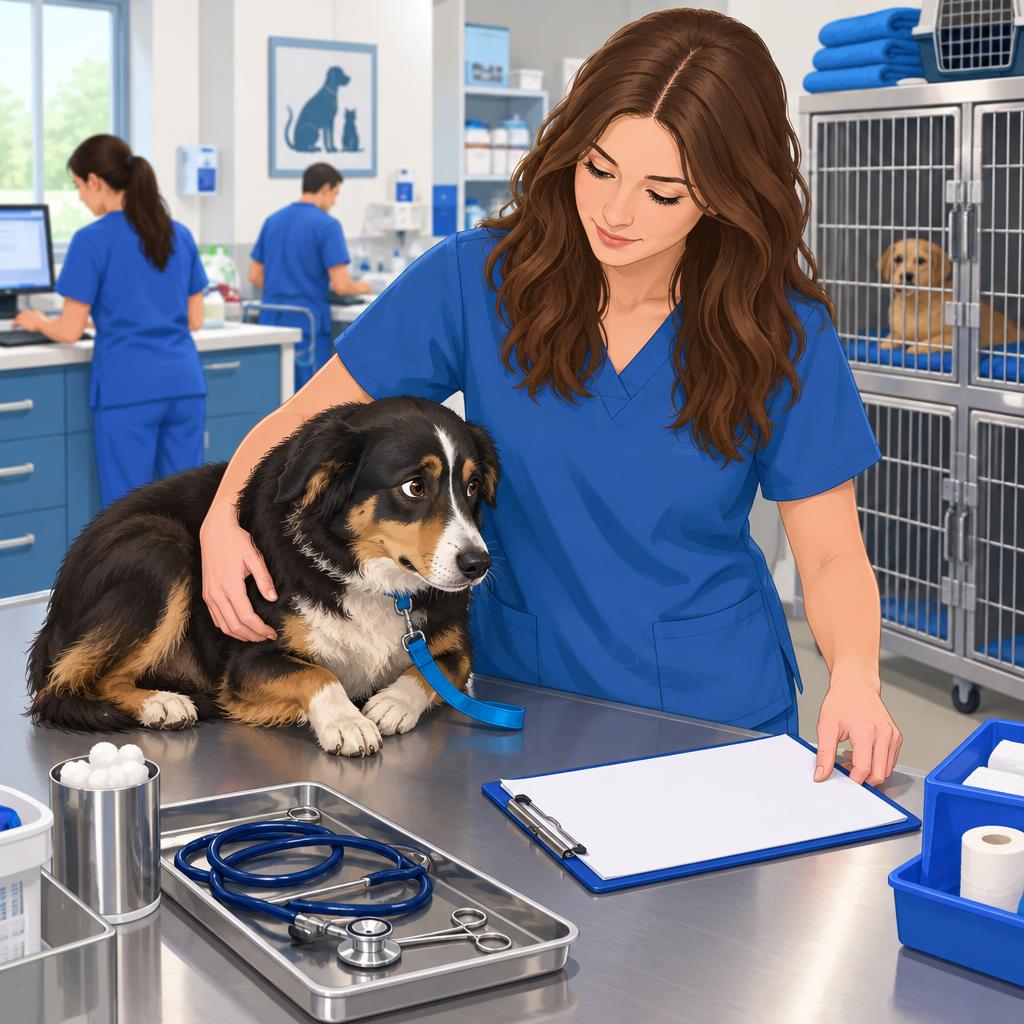
Dealing with Difficult Clients and Communication Challenges
Veterinary technicians often communicate with distressed pet owners and uncooperative clients.
These interactions can test patience, professionalism, and communication skills.
Emotional clients may feel anxious, frightened, or frustrated about their pets.
Therefore, technicians should recognize these emotions and respond with empathy.
Understanding Communication Difficulties
When clients worry about their pets, strong emotions can make conversations more difficult.
Consequently, misunderstandings may occur during discussions about treatment or behavior.
Uncooperative clients may resist recommendations or question the technician’s expertise.
Technicians can address these challenges by listening carefully and acknowledging client concerns.
Effective Communication and Conflict Resolution
Clear communication helps technicians manage difficult conversations and support appropriate pet care.
First, listen without interruption and demonstrate empathy for the client’s feelings.
Additionally, use calm nonverbal cues, including eye contact and attentive nodding.
Explain recommendations with simple language, and provide written instructions when necessary.
Also, discuss the pet’s condition, prognosis, and available treatment options honestly.
Finally, remain composed, patient, and respectful throughout the interaction.
- Listen actively to the client’s concerns.
- Use eye contact and a calm tone.
- Clarify recommendations with simple language.
- Manage expectations about care and prognosis.
- Maintain patience and professionalism.
Professionalism and Empathy During Challenging Interactions
Difficult conversations can make technicians feel frustrated or defensive.
However, professionalism and empathy should guide every response.
Before replying, take a deep breath and organize your thoughts.
If the situation feels overwhelming, seek guidance from a colleague or supervisor.
Moreover, establish clear boundaries that protect professional communication and proper pet care.
Regular self-care can also help technicians manage the emotional demands of client interactions.
- Pause and breathe before responding.
- Ask colleagues or supervisors for support.
- Set clear and respectful boundaries.
- Practice self-care after difficult interactions.
Find Out More: How Plant Pathologists Help Farmers
Financial Constraints and Job Insecurity
Veterinary technician salaries and benefits may remain limited because of industry norms.
Additionally, competitive conditions and ongoing changes can make job stability a concern.
Limited advancement opportunities may also create feelings of stagnation.
- Salary and benefits for veterinary technicians may be limited due to industry norms.
- Job stability can be a concern in a competitive and ever-changing field.
- Career advancement opportunities may be scarce, leading to feelings of stagnation.
Managing Finances
Financial planning can help veterinary technicians respond to income limitations.
Tracking income and expenses gives technicians a clearer view of their finances.
Meanwhile, additional training may create opportunities to increase earning potential.
- Create a budget to track income and expenses, allowing for better financial planning.
- Consider additional certifications or specializations to increase earning potential.
- Explore part-time or freelance opportunities to supplement income and gain new skills.
Maximizing Job Satisfaction
Professional growth can help veterinary technicians strengthen their skills and workplace satisfaction.
Mentorship can provide guidance, while industry awareness helps technicians remain competitive.
Continuing education can expand knowledge and improve job performance.
- Seek out mentorship opportunities to enhance professional growth and skills.
- Stay updated on industry trends and advancements to remain competitive in the field.
- Take advantage of continuing education courses to expand knowledge and improve job performance.
Financial constraints and job insecurity remain common challenges for veterinary technicians.
However, proactive financial planning and professional development can help them manage these challenges.
By seeking growth opportunities, veterinary technicians can pursue greater satisfaction in a competitive industry.
You Might Also Like: Government Policies Supporting Agricultural Environmental Science
Transform Your Career Today
Unlock a personalized career strategy that drives real results. Get tailored advice and a roadmap designed just for you.
Start NowContinuing Education Requirements and Staying Up-to-Date
Continuing education helps veterinary technicians remain current with advancements in animal healthcare.
Through training programs, technicians strengthen their skills, knowledge, and professional competencies.
Additionally, ongoing education introduces updated treatments, medications, and technologies used in veterinary care.
- Continuing education keeps veterinary technicians informed about advances in animal healthcare.
- Training programs help technicians improve their skills, knowledge, and professional competencies.
- Educational programs explain new treatment methods, medications, and technologies.
Balancing Work Responsibilities with Continuing Education
Finding time for continuing education can challenge veterinary technicians with demanding work schedules.
Fast-paced environments and long shifts often limit the time technicians can dedicate to additional learning.
Although this balance can feel stressful, education supports professional growth and advancement.
- Veterinary technicians often struggle to complete courses alongside their work responsibilities.
- Long hours can make it difficult to reserve time for professional education.
- Managing both commitments may feel overwhelming, yet continuing education remains important for career development.
Resources for Training and Certification Programs
Veterinary technician associations provide online and in-person programs that offer continuing education credits.
VetMedTeam and NAVTA provide courses and certifications designed for veterinary technicians.
Local clinics, colleges, and universities may also host workshops, seminars, and conferences.
- Professional associations offer training programs for earning continuing education credits.
- VetMedTeam and NAVTA provide relevant courses and certification opportunities.
- Local veterinary organizations and educational institutions may offer workshops, seminars, and conferences.
Strategies for Veterinary Technician Well-Being
Veterinary technicians can strengthen their careers by recognizing workplace obstacles and responding to them deliberately.
First, support from colleagues, supervisors, or mental health professionals can help technicians manage difficult situations.
Moreover, technicians can protect their well-being by prioritizing mental health, physical health, mindfulness, and activities outside work.
These practices can help technicians manage stress and reduce the risk of burnout.
Additionally, continued education, conferences, and professional networking can help technicians maintain current knowledge.
Consequently, updated knowledge can strengthen their skills and support effective veterinary care.
Veterinary technicians make an important contribution to animal healthcare despite the challenges of their profession.
By seeking support, practicing self-care, and developing their knowledge, they can pursue fulfilling careers.
Additional Resources
Google search results for Common Challenges for Veterinary Technicians Agricultural
Bing search results for Common Challenges for Veterinary Technicians Agricultural


