




Introduction
Plant pathologists help farmers diagnose plant diseases in their crops.
They also support effective disease management practices.
As a result, farmers can respond to crop health problems more effectively.
Role of Plant Pathologists
Plant pathologists study diseases caused by fungi, bacteria, viruses, and other organisms.
They identify diseases and conduct research to understand the responsible pathogens.
Additionally, they develop control strategies and educate farmers about disease management.
Importance in Agriculture
Plant pathologists help farmers protect their crops.
They also help increase yields and maintain food security.
Through accurate diagnosis and timely intervention, they help prevent crop losses.
Plant Pathologists and Crop Health
Plant pathologists help farmers combat plant diseases.
They use techniques to identify, diagnose, prevent, and control diseases.
Their work helps farmers protect crops and livelihoods.
Identifying and Diagnosing Plant Diseases
Plant pathologists recognize symptoms associated with various plant diseases.
They conduct field assessments and laboratory analyses to identify causes of decline or abnormal growth.
This diagnostic expertise helps farmers develop effective treatment strategies.
Developing Disease Prevention and Control Strategies
After diagnosing a disease, plant pathologists work with farmers on tailored prevention and control strategies.
Farmers may use cultural practices, including crop rotation and proper irrigation techniques.
They may also use biological control methods to manage pests and pathogens.
Researching Plant Diseases and Pathogens
Plant pathologists research disease mechanisms and pathogen behavior.
They study interactions among plants, pathogens, and the environment.
Their findings support innovative solutions that reduce disease impacts on crop production.
Supporting Sustainable Crop Production
Plant pathologists help farmers maintain healthy, productive crops.
Their expertise gives farmers effective strategies for managing plant health issues.
By working with these specialists, farmers can protect crops and optimize yields.
This partnership contributes to a sustainable and successful agricultural industry.
Working with Farmers
Plant pathologists work closely with farmers.
They provide expertise that supports crop health and productivity.
This collaboration helps farmers manage diseases that can reduce crop yields.
Guidance on Disease Management Practices
Plant pathologists guide farmers in managing diseases that affect their crops.
They identify responsible pathogens and assess the extent of crop damage.
Field surveys, laboratory analyses, and diagnostic tests support their assessments.
Based on their findings, they recommend suitable disease control measures.
These measures may include resistant crop varieties, crop rotation, or fungicide applications.
Recommendations for Disease Prevention
Plant pathologists also help farmers prevent future disease outbreaks.
This proactive guidance reduces disease risks and protects crops from potential threats.
They may recommend proper irrigation and fertilization practices.
These practices create conditions that discourage pathogens from thriving.
Additionally, integrated pest management combines biological, cultural, and chemical control methods.
Collaboration on Sustainable Solutions
Plant pathologists collaborate with farmers to develop sustainable solutions.
Together, they address complex challenges caused by plant diseases.
Transform Your Career Today
Unlock a personalized career strategy that drives real results. Get tailored advice and a roadmap designed just for you.
Start NowThis partnership can support long-term crop health and productivity.
Through ongoing communication, farmers can adopt more sustainable agricultural practices.
These practices reduce reliance on chemical inputs and encourage environmental stewardship.
By sharing knowledge, plant pathologists help farmers make informed decisions for crops and the environment.
See Related Content: Government Policies Supporting Agricultural Environmental Science
Impact on Crop Yield and Quality
Plant diseases can reduce crop yield and lower the quality farmers offer to markets.
Plant pathologists study pathogen and plant interactions to develop strategies that protect production and quality.
Early detection helps farmers limit disease effects and maintain marketable produce.
- Plant pathologists identify diseases that significantly reduce crop productivity.
- They develop management strategies that protect crops from quality losses.
- Farmers can preserve yield and produce quality through timely disease management.
Improving Crop Quality Through Disease Prevention
Plant pathologists help farmers prevent diseases instead of relying only on reactive treatments.
They promote agricultural practices that support consistent crop quality throughout the growing season.
Advanced diagnostic tools help experts recognize disease threats and design suitable prevention strategies.
- Integrated disease management emphasizes prevention and coordinated control practices.
- Disease-resistant crop varieties can help farmers maintain stronger crop quality.
- Quick diagnosis allows farmers to address potential threats before they spread.
Enhancing Overall Farm Profitability
Effective disease management reduces losses linked to damaged crops and unsalable produce.
Cost-effective strategies help farmers protect their investments and improve financial returns.
Current plant pathology research supports better decisions about crop protection and farm efficiency.
- Protecting yield and quality can increase farm profitability.
- Affordable management practices help farmers minimize financial losses.
- Updated knowledge helps farmers choose efficient approaches to disease management.
By protecting crops from disease, plant pathologists help farmers improve productivity, quality, and profitability.
Farmers who apply expert guidance can manage disease challenges more effectively during production.
Uncover the Details: How Entomologists Study Insect Behavior and Communication
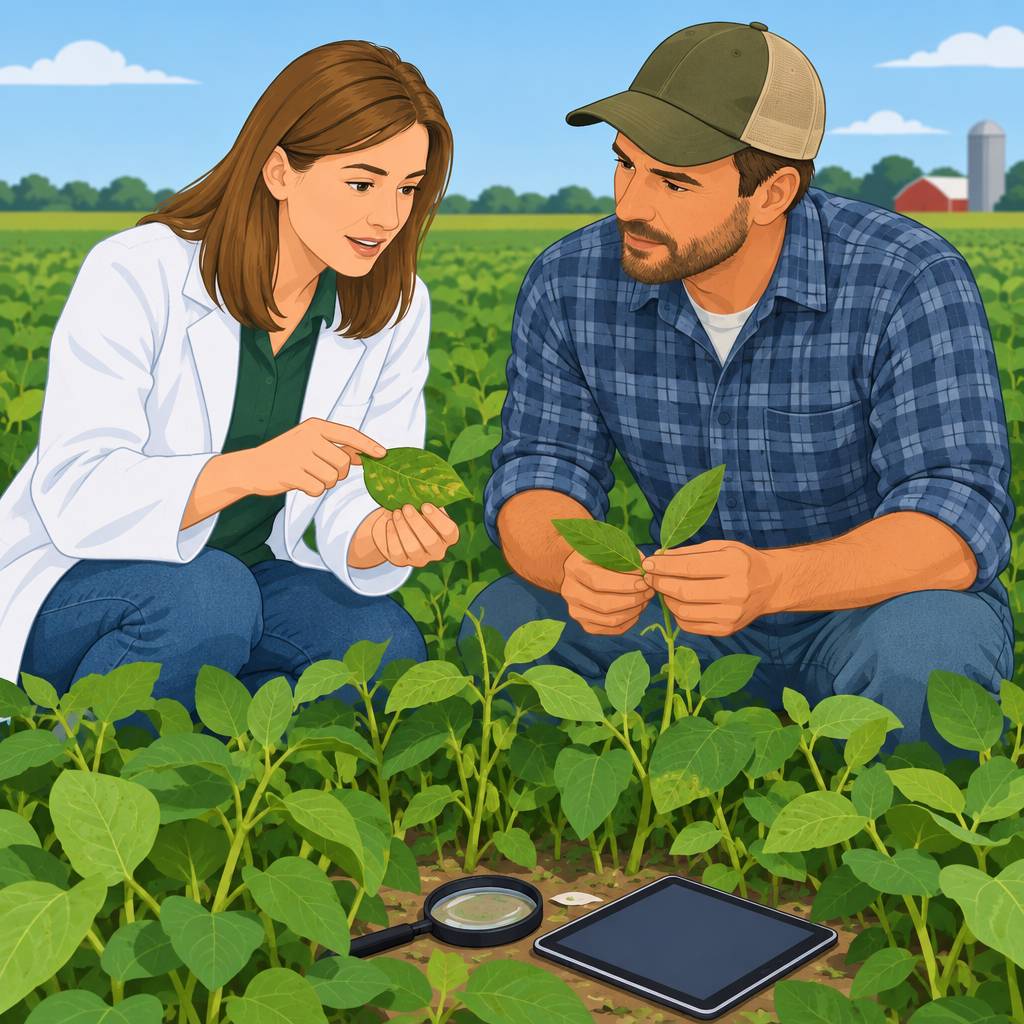
Advanced Technologies in Plant Disease Management
Plant pathologists use advanced technologies to help farmers manage crop diseases.
These tools improve disease diagnosis, management, and prevention.
They also support effective crop protection while reducing unnecessary environmental and economic costs.
Molecular Techniques for Disease Diagnosis
Plant pathologists use molecular techniques to identify pathogens affecting crops.
PCR and DNA sequencing reveal the specific organisms causing plant diseases.
Farmers can then choose targeted actions to address those diseases efficiently.
Precision Agriculture for Disease Management
Plant pathologists apply precision agriculture practices to manage diseases accurately.
GPS-guided machinery and sensors help them locate disease hotspots within fields.
Farmers can apply treatments precisely, which reduces pesticide use and management costs.
Big Data for Informed Disease Decisions
Plant pathologists analyze large volumes of information about crop health and disease outbreaks.
They also examine weather patterns and soil conditions to identify useful management insights.
Farmers use these recommendations to make informed disease management decisions.
Technology-Enabled Crop Protection
Molecular methods, precision tools, and data analysis strengthen disease management strategies.
These technologies help farmers protect crops while improving the efficiency of treatments.
Consequently, technology supports healthier crops, stronger productivity, and reduced disease-related losses.
Uncover the Details: How to Write a Marketing Plan for Agricultural Products
Extension Services
Plant pathologists provide extension services that help farmers learn about crop disease management.
Through training and workshops, they teach farmers to identify symptoms and manage diseases effectively.
These sessions also address pest control methods and disease prevention strategies.
Additionally, pathologists prepare fact sheets, manuals, and online resources for farmers.
These materials explain current disease trends and available control measures.
They also support agricultural extension programs at local and national levels.
For these programs, they collaborate with government agencies, universities, and agricultural organizations.
Transform Your Career Today
Unlock a personalized career strategy that drives real results. Get tailored advice and a roadmap designed just for you.
Start NowTogether, these partners develop programs that address farmers’ needs in different regions.
As a result, farmers strengthen their disease management knowledge and skills.
This support contributes to healthier crops, higher yields, and greater profitability.
Furthermore, collaboration promotes sustainable and resilient agricultural systems.
Those systems can better withstand challenges posed by plant diseases.
You Might Also Like: Rangeland Manager: Balancing Livestock and Wildlife
Future Challenges and Opportunities
Plant pathologists continue preparing for emerging challenges and opportunities in agricultural disease management.
Climate change creates new conditions that can influence plant diseases and agricultural production.
These efforts can help agricultural systems respond to changing disease pressures.
Addressing Emerging Plant Diseases Through Climate Research
Climate change can contribute to new plant diseases and changing disease patterns.
New pests and pathogens now appear in regions where they were previously uncommon.
Plant pathologists study these changes and develop strategies to reduce their effects.
Developing Disease Resistant Crop Varieties
Plant pathologists research crop varieties that resist diseases under changing environmental conditions.
They evaluate how climate change affects disease spread across agricultural systems.
Researchers use this knowledge to strengthen crop protection strategies.
Exploring Biotechnological Solutions for Disease Resistance
Biotechnology offers promising methods for developing disease resistant crops.
Plant pathologists identify genes that provide resistance to common plant diseases.
They incorporate those genes into crop plants through genetic engineering techniques.
Collaborating on Holistic Farm Management
Plant pathologists collaborate with agronomists and soil scientists on farm management practices.
These experts combine knowledge from several agricultural disciplines.
Consequently, they develop sustainable farming systems that better withstand plant diseases.
By addressing emerging diseases, advancing biotechnology, and strengthening collaboration, plant pathologists support resilient agricultural systems.
Their work helps protect the long term health and productivity of agriculture.
Plant Pathologists Support Sustainable Disease Management
Plant pathologists translate disease research into practical decisions that help farmers protect crops.
Through specialized expertise, they recommend effective methods for managing threats across agricultural production.
Meanwhile, diagnostic research gives farmers evidence for preventing avoidable yield losses.
They also design disease-control strategies that limit spread and support sustainable farming.
Furthermore, ongoing innovation helps researchers respond to plant diseases as they evolve.
These efforts strengthen disease management and contribute to long-term food security.
Sustained support for agricultural research keeps practical disease solutions available to farmers.
Collaborative efforts can improve disease management while preserving sustainable production goals.
Therefore, plant pathology remains essential for addressing emerging agricultural disease challenges.
Additional Resources
Google search results for How Plant Pathologists Help Farmers Agricultural
Bing search results for How Plant Pathologists Help Farmers Agricultural


