




Introduction
Therapeutic landscapes promote healing and well-being for individuals.
These environments can include gardens, parks, or outdoor areas designed to provide peace and relaxation.
Additionally, design techniques play a crucial role in creating therapeutic landscapes.
They incorporate elements that address physical, mental, and emotional needs.
Incorporating Biophilic Design
Biophilic design brings natural elements into built environments to support human well-being.
This approach recognizes that humans have a deep-seated need to connect with nature.
Therefore, therapeutic landscapes can use biophilic design to create peaceful and supportive experiences.
Benefits of Biophilic Design in Therapeutic Landscapes
Biophilic elements can reduce stress and anxiety for people using therapeutic landscapes.
They can also improve cognitive function, focus, mood, and feelings of relaxation.
Additionally, these elements may support creativity, productivity, and a stronger connection with the surrounding environment.
- Reduced stress and anxiety levels
- Improved cognitive function and focus
- Enhanced mood and well-being
- Increased relaxation and calmness
- Boosted creativity and productivity
Biophilic Elements for Therapeutic Landscapes
Designers can include several natural features when creating therapeutic landscapes.
For example, water, plants, natural materials, light, and outdoor views can strengthen connections with nature.
These features can help create environments that encourage healing, relaxation, and well-being.
- Water features, such as fountains or ponds, can encourage calm and relaxation.
- Plants and greenery can improve air quality and create a welcoming environment.
- Natural materials, including wood and stone, can add warmth and texture.
- Natural light can help regulate circadian rhythms and improve mood and energy levels.
- Views of trees, gardens, or natural landscapes can connect users with the outdoors.
Natural Elements in Therapeutic Landscapes
Natural elements help healthcare facilities create soothing spaces for patients.
These features can support healing, reduce stress, and improve patient well-being.
Furthermore, thoughtful landscape design connects patients with nature through sensory experiences.
The Calming Effect of Water Features
Water features can create a calm atmosphere within therapeutic landscapes.
Additionally, flowing water can reduce stress and encourage relaxation.
These features can also connect individuals with nature by attracting wildlife.
- Fountains, ponds, and streams can promote relaxation and reduce stress.
- The sound of flowing water can mask unwanted noise and create peaceful surroundings.
- Wildlife attracted to water features can strengthen connections with nature.
Benefits of Plants and Greenery
Plants and greenery can make therapeutic landscapes more inviting and visually appealing.
Moreover, they can support mental health by reducing anxiety and depression.
Greenery can also improve air quality for patients and staff.
- Plants can positively affect mental health and support emotional well-being.
- Greenery can improve air quality and create a healthier environment.
- Plantings can enhance aesthetics and promote a sense of well-being.
Importance of Natural Sunlight and Fresh Air
Natural sunlight supports both mental and physical well-being.
It promotes vitamin D and serotonin production, which can improve mood.
Meanwhile, fresh air circulation helps create a healthy and revitalizing environment.
- Sunlight can support vitamin D and serotonin production.
- Adequate sunlight exposure can improve mood and support health outcomes.
- Fresh air circulation can reduce indoor air pollutants.
See Related Content: Challenges Faced by Power Line Installers
Creating a Sense of Privacy and Seclusion
Therapeutic landscapes should provide private spaces where individuals can seek solace and relaxation.
These secluded areas help visitors escape external distractions and engage with the healing environment.
Strategic landscaping can create seclusion through tall trees, shrubs, and fences.
Furthermore, designers can select plants and structures that limit visibility from surrounding areas.
This approach creates a private oasis where individuals can unwind and rejuvenate.
A sense of security also helps visitors benefit fully from a therapeutic landscape.
Thoughtful lighting, pathways, and clear sightlines can make visitors feel comfortable while exploring the space.
Additionally, these features create a welcoming environment that supports calm and tranquility.
Consequently, visitors can experience the landscape as a secure setting for healing and relaxation.
Find Out More: Starting Your Own Mining Company: A Guide
Consideration of Accessibility
Accessible landscape design creates therapeutic environments that welcome people with diverse abilities.
Therefore, designers should include features that support comfort, independence, and participation.
- Designing for people with disabilities: Designers should add wheelchair ramps, handrails, and Braille signage for people with disabilities.
- Ensuring pathways are easy to navigate: Additionally, clear, wide pathways with smooth surfaces support mobility-impaired people and older adults.
- Importance of inclusive design in therapeutic landscapes: Moreover, inclusive design lets everyone enjoy and benefit from therapeutic landscape features.
By applying these considerations, designers can create landscapes that promote health and well-being for all individuals.
You Might Also Like: Warehouse Compliance: Regulations and Best Practices
Transform Your Career Today
Unlock a personalized career strategy that drives real results. Get tailored advice and a roadmap designed just for you.
Start NowUtilizing Healing Colors
Color choices can influence mood and emotions in therapeutic landscapes.
Different hues can support calm, balance, optimism, creativity, warmth, or stimulation.
Designers can combine color psychology with landscape goals to shape a balanced atmosphere.
Effects of Different Colors on Mood and Emotions
Blue can create calm and tranquility while reducing stress and promoting relaxation.
Green symbolizes nature and growth while providing balance and harmony.
Yellow connects with happiness and positivity while uplifting mood and encouraging optimism.
- Blue creates a sense of calm and tranquility.
- Green provides balance and harmony in the surroundings.
- Yellow promotes happiness, positivity, and optimism.
- Purple represents luxury and spirituality while encouraging creativity and inspiration.
- White signifies purity and cleanliness while creating a peaceful atmosphere.
- Orange stimulates energy and warmth while encouraging social interaction and creativity.
- Red symbolizes passion and vitality while creating excitement and stimulation.
Choosing Calming Colors for Therapeutic Environments
Therapeutic environments often benefit from carefully selected calming colors.
Soft blue and green shades can encourage relaxation and soothe the atmosphere.
Neutral and pastel tones can add tranquility, balance, serenity, and comfort.
- Soft blue and green shades can create a relaxed and soothing atmosphere.
- Beige and taupe can establish tranquility and balance within the space.
- Lavender and pale yellow can promote serenity and comfort.
Incorporating Color Psychology into Landscape Design
Landscape designers should consider the intended purpose of each space.
Color selections can reflect the emotions that designers want visitors to experience.
Testing different palettes can reveal how colors affect the landscape atmosphere.
- Consider the space’s purpose when choosing colors.
- Combine calming and uplifting colors for a dynamic, balanced environment.
- Experiment with palettes to assess their effect on mood and atmosphere.
Delve into the Subject: Health Risks for Pest Control Professionals
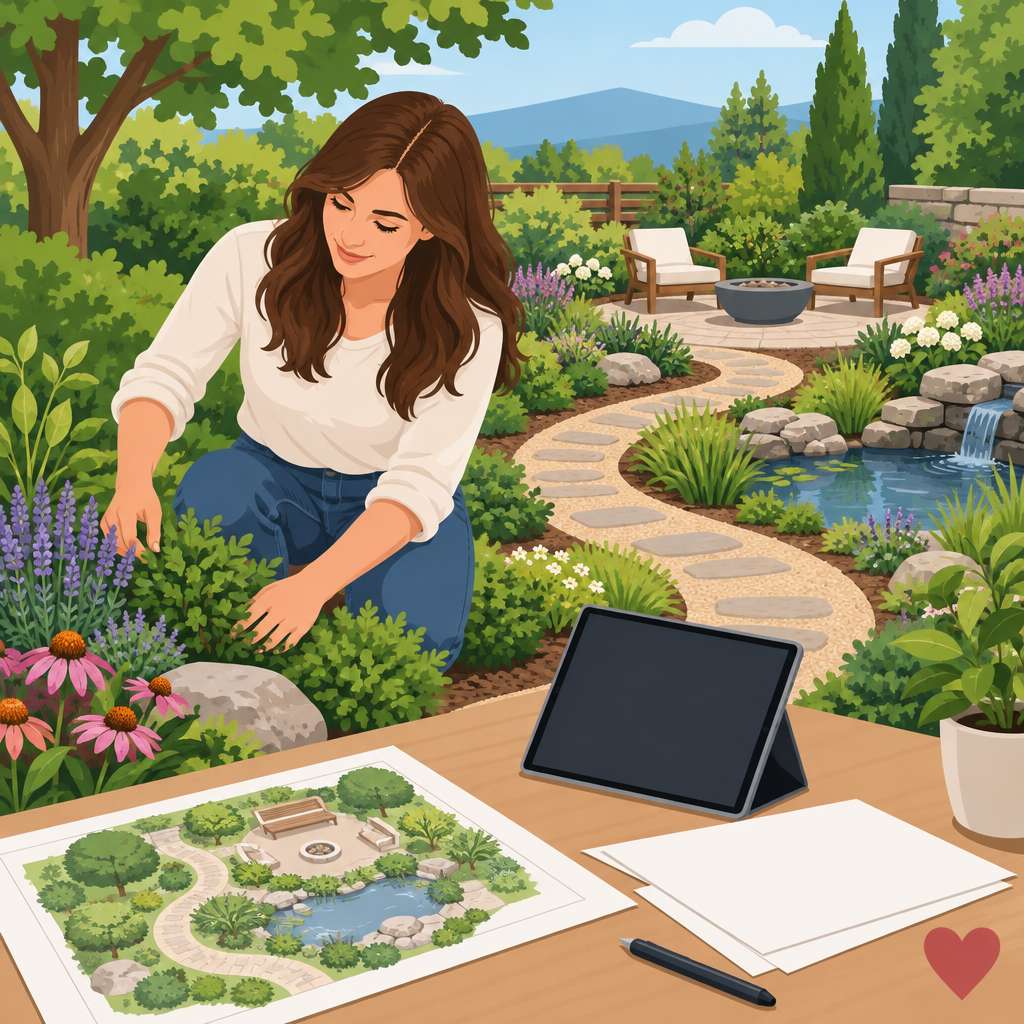
Interactive Elements in Therapeutic Landscapes
When designers add interactive elements, users engage more deeply with therapeutic landscapes.
These features provide aesthetic value while supporting healing and well-being.
Moreover, thoughtful interaction can stimulate the mind, body, and senses.
Benefits of Interactive Elements
Interactive elements can stimulate users mentally and physically.
They also promote physical activity while reducing stress and anxiety.
In addition, these features encourage social interaction, mindfulness, and relaxation.
- Stimulate the mind and body
- Promote physical activity
- Reduce stress and anxiety
- Enhance social interaction
- Encourage mindfulness and relaxation
Interactive Features to Consider
Designers can integrate interactive features to create dynamic and engaging therapeutic environments.
Water, plants, seating, art, and movement spaces can engage users in different ways.
Consequently, each feature can support contemplation, creativity, activity, or sensory engagement.
- Water features such as fountains or ponds
- Sensory gardens with fragrant plants
- Outdoor seating areas for contemplation
- Art installations that inspire creativity
- Movement-based activities like walking paths or yoga spaces
Engaging All Senses Through Landscape Design
Effective therapeutic landscapes engage users through multiple sensory experiences.
Each sensory input can contribute to healing, relaxation, and a more immersive environment.
Therefore, designers should consider visual, auditory, olfactory, tactile, and taste-based features.
- Sight: Use color and visual elements to create a harmonious environment
- Hearing: Incorporate soothing sounds like gentle water flow or wind chimes
- Smell: Integrate fragrant plants and flowers to stimulate the olfactory senses
- Touch: Provide tactile elements such as textured surfaces or interactive sculptures
- Taste: Consider edible plants or herbs for a holistic sensory experience
These strategies can strengthen therapeutic landscapes in healthcare facilities, rehabilitation centers, and public parks.
As a result, users can experience spaces that look beautiful and support personal well-being.
Creating Multi-Sensory Experiences
Therapeutic landscapes can engage multiple senses to create soothing and healing environments.
Sound, touch, and smell can enhance the therapeutic benefits of these spaces.
Multiple sensory experiences can support relaxation and stress reduction.
They also help individuals immerse themselves in the environment and support the healing process.
- Importance of engaging multiple senses: Engaging multiple senses can deepen relaxation and reduce stress.
A multi-sensory environment helps individuals immerse themselves in the therapeutic space. - Incorporating sound elements: Water features can provide soothing background sounds that resemble nature.
Wind chimes can add gentle, melodic sounds. - Using textures and materials: Designers can use varied textures and materials to engage touch.
Soft grass, smooth stones, and rough bark create tactile experiences.
Mindfulness spaces promote relaxation and stress relief within therapeutic landscapes.
Areas for Meditation and Reflection
Designers can designate areas specifically for meditation and personal reflection.
These areas should offer quiet, tranquil surroundings that support mindful practices.
As a result, individuals can practice mindfulness within a peaceful environment.
Mindfulness Practices in Landscape Design
Landscape designers can integrate mindfulness practices to support mental health and overall well-being.
Mindfulness can reduce stress, improve concentration, and promote relaxation.
Therefore, meditation spaces can help individuals develop calm and inner peace.
Tranquil Spaces for Relaxation and Stress Relief
Tranquil landscape spaces can encourage relaxation and provide relief from daily stress.
Small meditation gardens and larger contemplative areas can support rest and reflection.
Transform Your Career Today
Unlock a personalized career strategy that drives real results. Get tailored advice and a roadmap designed just for you.
Start NowAdditionally, comfortable seating, soothing water features, and lush greenery can enhance these experiences.
These spaces give individuals opportunities to connect with nature during everyday life.
Consequently, mindfulness-focused landscapes can support mental health and personal well-being.
Design Techniques That Strengthen Therapeutic Landscapes
Design techniques shape therapeutic landscapes that support healing and well-being.
They help create environments that encourage calm, rejuvenation, relaxation, and reflection.
Additionally, these approaches can improve outdoor spaces for people who use them.
Designers can incorporate water features, plant diversity, and sensory stimuli into landscape projects.
They can also create settings for contemplation and solitude.
Together, these choices produce landscapes that appeal visually while supporting therapeutic experiences.


