




Power Line Installation Challenges
Power line installers play a crucial role in electrical distribution systems.
Their work helps communities access reliable electricity for daily needs.
This discussion examines obstacles that installers encounter during their work.
Environmental and Physical Conditions
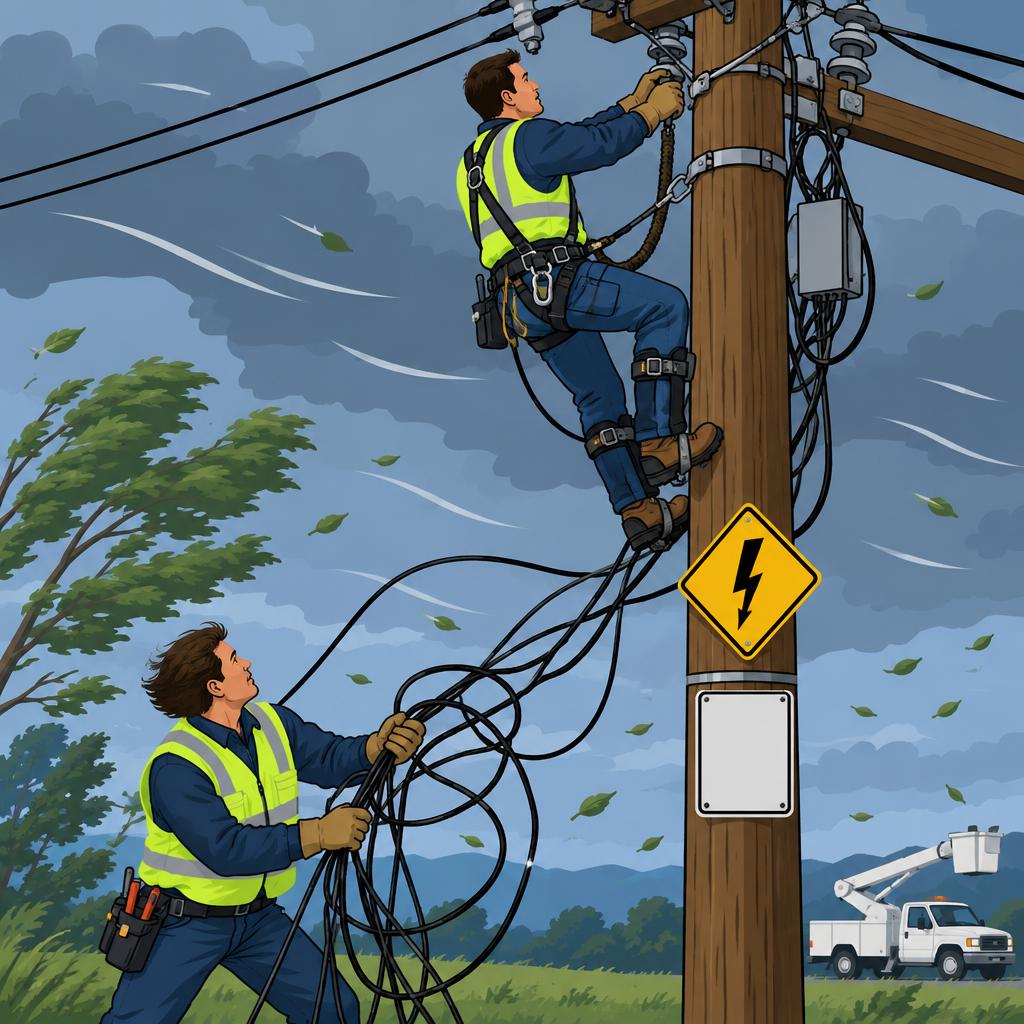
Installers often work in extreme weather and remote locations.
These conditions make their jobs more difficult and hazardous.
Therefore, crews must take extra precautions.
The work also requires installers to work at heights and handle heavy equipment.
This physical strain can cause injuries when workers neglect proper safety measures.
Technology, Safety, and Communication
Rapid technological advances require installers to update their skills and knowledge.
Learning new tools and techniques challenges many professionals in the field.
Additionally, installers must follow safety regulations to prevent accidents.
Strict guidelines add another challenge to their daily tasks.
Effective communication helps teams complete projects safely and successfully.
Installers must communicate clearly with team members and supervisors.
Finally, power line installers face challenges that require careful consideration and proactive solutions.
Challenges Faced by Power Line Installers
Power line installation demands physical strength, careful judgment, and consistent attention to safety.
Installers manage demanding conditions while completing essential installation and maintenance tasks.
They overcome daily obstacles through training, preparation, and coordinated fieldwork.
Physical Demands of the Work
Installers spend long hours standing and working in changing weather conditions.
They climb poles and handle heavy equipment during installation tasks.
Falls and electrical shocks create serious risks during fieldwork.
Rigorous training helps installers develop the strength and endurance their responsibilities require.
Problem-Solving Skills in the Field
Installers must think quickly when they troubleshoot problems during their assignments.
They develop practical solutions when field conditions create complex installation challenges.
Careful decisions help prevent accidents, errors, and unnecessary power outages.
Therefore, installers remain proactive whenever unexpected issues affect their work.
Safety While Working at Heights
Installers often work high above the ground while placing or repairing power lines.
They climb poles and towers, which increases the potential for serious falls.
Harnesses and other safety equipment help reduce hazards during elevated work.
Proper training also helps installers recognize risks and follow safe procedures.
Teamwork and Clear Communication
Installers frequently work in teams to complete projects efficiently.
Clear communication keeps each worker informed about assigned responsibilities.
Team members coordinate their actions to reduce mistakes and job-site hazards.
Strong cooperation supports safer and more effective power line installation.
Skilled Work That Supports Communities
Power line installers manage demanding conditions while performing work communities depend on.
Their preparation and teamwork help them address hazards throughout each assignment.
Their dedication supports access to reliable electricity for communities.
Safety Requirements for Power Line Installers
Power line installers face serious hazards while working on electrical infrastructure.
Therefore, they must follow strict safety protocols throughout every task.
These practices help protect installers and other people near the work site.
Transform Your Career Today
Unlock a personalized career strategy that drives real results. Get tailored advice and a roadmap designed just for you.
Start Now- Following safety protocols to prevent accidents
- Managing exposure to high-voltage electricity
- Completing proper training and using protective gear
Following Safety Protocols
Safety protocols help installers prevent accidents during electrical infrastructure work.
Ignoring these procedures can cause serious injury or death.
Moreover, unsafe actions can endanger people nearby.
Managing High-Voltage Exposure
Power line installers regularly work near extremely dangerous levels of electricity.
Even a small mistake can cause electrocution, burns, or other life-threatening injuries.
Consequently, installers must handle electrical equipment with constant care.
Using Training and Protective Gear
Rigorous training teaches installers to recognize hazards and respond safely.
Insulated gloves, helmets, and safety harnesses provide additional protection.
With proper preparation and equipment, installers can reduce workplace risks.
Find Out More: Starting Your Own Mining Company: A Guide
Job Hazards for Power Line Installers
Power line installers face hazards that can threaten their safety and well-being.
They must recognize potential dangers before and during each task.
Careful awareness helps them respond to changing conditions at work.
Unpredictable Weather Conditions
Power line installers work outdoors and encounter changing weather conditions.
Extreme heat, cold, rain, snow, and high winds can make tasks more difficult.
These conditions can also increase the risk of accidents and injuries.
Elevated Work and Confined Spaces
Installers often work at great heights while installing or repairing power lines.
Without proper precautions, workers could fall or suffer serious injuries.
Confined spaces, including manholes and underground tunnels, can increase the risk of trapping or injury.
Exposure to Hazardous Materials
Power line installers may encounter asbestos, lead, or chemicals used in power line coatings.
Exposure can cause respiratory problems, skin ailments, and long-term illnesses.
Workers should wear appropriate protective gear to reduce their exposure risks.
Therefore, installers must remain vigilant and take necessary precautions throughout their work.
Uncover the Details: Warehouse Compliance: Regulations and Best Practices
Work Environment
Power line installers often work in remote or rural areas.
These locations can restrict access to resources and complicate communication with team members.
Consequently, installers must manage travel, supplies, and coordination during field assignments.
- Remote or rural areas.
- Limited access to resources and facilities.
- Challenging communication and coordination with team members.
Remote or Rural Areas
Remote worksites can remain isolated and difficult to access.
Therefore, installers may travel long distances before reaching their assigned locations.
Those journeys can create physical and mental strain during demanding work periods.
Limited Access to Resources
Remote locations may limit access to equipment, tools, and other necessary facilities.
Installers sometimes must work with the resources available at the site.
Limited supplies can make it harder to complete tasks effectively.
Communication and Coordination
Remote worksites can make communication with supervisors and teammates more difficult.
As a result, teams may experience delays or misunderstandings during installation work.
Clear coordination helps installers maintain efficiency while managing changing field conditions.
These environmental conditions influence how installers organize travel, resources, and teamwork.
See Related Content: Health Risks for Pest Control Professionals
Technological Demands in Power Line Installation
Power line installers face several challenges in the fast-paced electrical infrastructure industry.
- Continuous training for new technologies
- Careful operation of complex installation equipment
- Compliance with changing industry standards
Technology evolves rapidly, so installers must learn current methods for efficient and effective work.
Transform Your Career Today
Unlock a personalized career strategy that drives real results. Get tailored advice and a roadmap designed just for you.
Start NowThis ongoing development keeps their skills aligned with new installation requirements.
Additionally, complex equipment and tools demand precise handling during power line installations.
Workers need strong technical ability to operate these tools effectively.
Even small mistakes can cause costly errors or create safety hazards.
Furthermore, industry standards continue to change as regulations and best practices develop.
Installers must adapt quickly to meet compliance requirements and deliver quality service.
By combining current training, equipment expertise, and standards awareness, installers can manage technological demands effectively.
Uncover the Details: Seasonal Window Cleaning Tips for Homeowners
Customer Interactions During Power Line Work
Power line installers often face challenges during customer interactions.
These situations require patience, clear communication, and practical problem-solving skills.
Additionally, installers must maintain positive relationships with the communities they serve.
- Dealing with irate customers during power outages
- Communicating effectively with residents and businesses
- Handling complaints and providing satisfactory solutions
One major challenge involves handling angry and frustrated customers during power outages.
Customers rely on electricity for various purposes, so service disruptions can make them agitated.
Therefore, installers must remain calm while addressing concerns and sharing restoration updates.
Effective communication also helps installers explain technical information to residents and business owners.
They must listen actively to customer needs and address questions promptly.
Furthermore, installers need to respond professionally when customers submit complaints.
Complaints may concern outage duration, service quality, or another customer issue.
Installers should show empathy toward customer frustrations and work toward satisfactory solutions.
By resolving concerns effectively, installers can support customer satisfaction and strengthen community relationships.
Time Pressure During Installations and Repairs
Power line installers often face deadlines for completing installations or repairs.
Complex projects can make those deadlines difficult to meet.
Adverse weather can further restrict the available working time.
Managing Regular Duties and Emergency Calls
Installers must balance their regular workload with responses to emergency calls.
This responsibility can create stress and fatigue during demanding work periods.
Consequently, installers need to manage competing duties without reducing their job performance.
Maintaining Efficiency Without Sacrificing Safety
Power line installers face pressure to work quickly and efficiently.
However, they must continue prioritizing safety throughout every task.
Cutting corners to save time can cause serious accidents or injuries.
Time Management Practices for Reliable Completion
Installers can address time constraints through careful planning and scheduling.
Effective communication helps teams coordinate tasks with clients and other team members.
Installers should prioritize tasks according to their urgency.
Setting realistic goals can help workers manage their available time.
Breaking larger duties into manageable tasks can also improve organization.
When necessary, installers can delegate responsibilities to manage their workload effectively.
Safety Priorities During Time-Sensitive Work
Meeting deadlines remains important, but installers must never choose speed over safety.
They should follow established safety protocols and procedures during time-sensitive situations.
These practices support successful project completion while protecting workers from avoidable harm.
Emotional Toll
- Witnessing accidents or injuries on the job
- Managing stress and anxiety from high-risk work
- Accessing mental health support and coping mechanisms
Power line installers experience a significant emotional toll because their work involves serious risks.
For example, witnessing accidents or injuries can create lasting emotional strain.
Transform Your Career Today
Unlock a personalized career strategy that drives real results. Get tailored advice and a roadmap designed just for you.
Start NowAdditionally, constant exposure to high-voltage lines can increase workplace stress and anxiety.
Therefore, companies should provide mental health support for affected workers.
Counseling services, peer support groups, and stress management techniques can help workers manage emotional challenges.
Furthermore, prioritizing mental health can improve morale, job satisfaction, and work performance.
By supporting emotional well-being, companies can promote a safer and healthier work environment.
Challenges Faced by Power Line Installers
Power line installers encounter numerous challenges during their work.
First, they work at great heights and often face extreme weather conditions.
High winds and ice can make elevated tasks especially difficult.
Additionally, heavy equipment and materials can create physical strain and injury risks.
Installers must also follow safety protocols diligently to prevent accidents and protect themselves.
Furthermore, they navigate complex electrical systems and power lines with constant precision.
Careful attention to detail helps them manage these demanding responsibilities.
Recognition and Support for Power Line Installers
These challenges require physical effort, careful judgment, and consistent attention.
Installers deserve appreciation for their hard work and dedication.
Greater awareness and support can strengthen recognition of this profession.
- These challenges require physical effort and careful attention.
- Installers deserve appreciation for their hard work and dedication.
- Greater awareness and support can strengthen recognition of this profession.
Additional Resources
Google search results for Challenges Faced by Power Line Installers Construction and Manual Labor
Bing search results for Challenges Faced by Power Line Installers Construction and Manual Labor


