




Manufacturing Jobs and Economic Growth
Manufacturing jobs play a crucial role in the American workforce.
They drive innovation, production, and economic growth.
Additionally, high demand for skilled workers makes manufacturing a lucrative career path.
Technical Skills for Manufacturing Jobs
Manufacturing roles require technical skills to operate machinery, maintain equipment, and protect product quality.
These abilities help workers perform tasks accurately and respond to production challenges.
The following skills support reliable work across manufacturing operations.
Machine Operation
Machine operation allows workers to control equipment and produce goods efficiently.
Operators read blueprints, adjust settings, and troubleshoot issues during production.
They also learn equipment types, including CNC machines, injection molding machines, and conveyor systems.
- Operators start, stop, and control machines according to production requirements.
- Workers read blueprints and adjust machine settings when necessary.
- Operators troubleshoot problems that arise during the production process.
- Knowledge of CNC machines, injection molding machines, and conveyor systems supports effective operation.
Quality Control
Quality control workers inspect products and compare them with established standards.
They identify defects and take corrective action to limit further problems.
Careful measurement and testing help verify product dimensions and performance.
- Workers use tools and techniques to measure product dimensions.
- Testing methods help assess performance and verify quality.
- Attention to detail supports accurate inspections and consistent decisions.
- Problem-solving skills help workers address defects under pressure.
Equipment Maintenance
Equipment maintenance keeps manufacturing operations running smoothly.
Technicians perform routine tasks and repair problems affecting production equipment.
Preventive maintenance reduces breakdown risks and helps minimize downtime.
- Technicians lubricate parts and replace worn components during routine maintenance.
- They troubleshoot mechanical issues and use diagnostic tools to identify problems.
- A solid understanding of machine operation supports effective equipment repairs.
- Preventive maintenance helps prevent costly breakdowns in manufacturing facilities.
Workers who develop these skills can contribute to efficient and productive manufacturing operations.
Problem-Solving Skills
Problem-solving skills help manufacturing workers identify and resolve process or machinery issues.
They also streamline operations, improve productivity, and support quality control.
Prompt solutions reduce downtime, waste, and costs.
- Workers identify problems in processes or machinery and develop effective solutions.
- Employees streamline processes to improve efficiency and increase productivity.
- Early issue detection helps prevent product defects and maintain quality.
- Timely solutions minimize downtime and waste, which helps reduce costs.
Critical Thinking in Manufacturing
Critical thinking helps workers troubleshoot issues and improve manufacturing processes.
Analytical approaches help employees examine complex situations and identify root causes.
Flexible thinking supports informed decisions and more effective solutions.
- Workers analyze complex situations and data to identify the root causes of problems.
- Creative thinking produces innovative solutions that can enhance processes and products.
- Informed decisions help prevent costly mistakes and improve outcomes.
- Adaptability encourages workers to consider new ideas and flexible problem-solving approaches.
These skills support operational efficiency, quality control, cost reduction, and innovation.
You Might Also Like: How to Excel as a Construction Manager
Attention to Detail in Manufacturing
Manufacturing depends on careful work to produce reliable and consistent products.
Precision and accuracy directly influence product quality throughout the production process.
Furthermore, detail-oriented work supports safe, efficient, and dependable manufacturing operations.
Importance of Attention to Detail
Careful work helps employees ensure that products meet established quality standards.
Additionally, precise manufacturing produces high-quality products that satisfy customer expectations.
Attention to detail also prevents costly mistakes and reduces safety risks.
- Attention to detail supports quality assurance by helping products meet required standards.
- Precision improves customer satisfaction by supporting consistently high-quality products.
- Careful work improves cost-effectiveness by reducing costly errors and corrections.
- Detailed work promotes safety by reducing accident risks in the workplace.
Effects of Precision and Accuracy on Product Quality
Precision creates uniform products and supports consistency across manufacturing work.
Moreover, accurate processes help companies meet regulatory standards and compliance requirements.
Efficient, accurate work reduces waste and strengthens the company’s market reputation.
- Precision promotes consistency by maintaining product uniformity and reliability.
- Accurate production processes help manufacturers meet regulatory and compliance requirements.
- Detailed processes improve efficiency by reducing waste and streamlining production.
- High-quality products enhance the company’s reputation in the market.
Methods for Improving Attention to Detail
Companies can strengthen detail-oriented work through training and practical process controls.
Checklists help employees follow each manufacturing step accurately and consistently.
Meanwhile, quality checks and employee feedback reveal opportunities for improvement.
- Training teaches employees why detail-oriented work matters in manufacturing.
- Checklists help employees complete every manufacturing step accurately.
- Quality control measures identify issues at different production stages.
- Feedback mechanisms help employees identify areas for improving attention to detail.
Results of Sustained Attention to Detail
Manufacturing employees who work carefully contribute to reliable product quality.
Companies can use precision-focused practices to meet customer expectations and industry standards.
These practices also support safer and more efficient working environments.
Explore Further: DIY Maintenance Tips for Homeowners and Beginners
Transform Your Career Today
Unlock a personalized career strategy that drives real results. Get tailored advice and a roadmap designed just for you.
Start NowEffective Communication in Manufacturing Teams
Effective communication helps manufacturing teams work safely, accurately, and efficiently.
- Team members should communicate clearly with one another.
- Clear communication helps prevent errors and misunderstandings.
- When everyone stays informed, productivity improves.
- Miscommunication can cause costly mistakes and production delays.
- Team members should ask questions and seek clarification when needed.
- Open communication creates a positive work environment.
- Team leaders should model effective communication for their teams.
- Regular meetings and updates keep everyone informed and aligned.
- Active listening remains an essential part of effective communication.
- Team members should pay attention and respond appropriately to information.
- Leaders should provide feedback constructively and promptly.
- Open communication builds trust and strengthens teamwork.
- Communication skills support collaboration within teams and across departments.
- Strong communication helps employees build better working relationships.
- Effective communication can improve morale and job satisfaction.
- Encouraging feedback shows team members that leaders value their input.
- Training programs can help employees improve their communication skills.
- Emails, phones, and messaging platforms support quick communication.
- Teams should continuously improve their communication skills for ongoing success.
Learn More: Sheet Metal Worker Salary and Job Outlook
Teamwork in Manufacturing
Teamwork plays a significant role in manufacturing environments.
Collaborating with colleagues can increase productivity and improve job contentment.
Efficient cooperation can accelerate problem-solving and decision-making.
- Teamwork fosters camaraderie among employees in manufacturing jobs.
- Sharing ideas and expertise can generate innovative team solutions.
- Assigning tasks according to individual strengths can optimize team performance.
- Working together promotes a positive culture and boosts employee morale.
- Open communication and trust strengthen collaboration among team members.
- Supporting shared goals creates a cohesive work environment.
- Recognizing each member’s contributions supports team success.
- Teamwork ensures seamless coordination and synchronization of manufacturing tasks.
- Strong workplace relationships can enhance overall job satisfaction.
- Effective teamwork improves resource use and minimizes waste.
- Collaboration builds unity and shared responsibility toward common objectives.
Learn More: Tile Setting in Commercial Spaces: Challenges and Tips
Time Management
Time management is a crucial skill in manufacturing jobs.
Every minute counts in this fast-paced industry.
Effective planning helps employees handle their responsibilities efficiently.
Value of Time Management Skills
- Time management helps employees stay organized and focused on their tasks.
- It enables workers to prioritize tasks based on deadlines and importance.
- Efficient time management leads to increased productivity and reduced waste of resources.
- Employees who manage their time effectively are more likely to meet project goals and expectations.
Prioritizing Tasks and Meeting Deadlines
Prioritizing tasks ensures that important assignments receive attention first.
This approach improves overall performance and supports steady workflow.
- Employees can categorize tasks based on urgency and importance to allocate time effectively.
- Meeting deadlines helps maintain workflow and avoid production schedule delays.
- Timely work builds accountability and responsibility among team members.
- On-time product delivery enhances customer satisfaction and strengthens the company’s reputation.
Mastering time management can improve efficiency, productivity, and performance in manufacturing jobs.
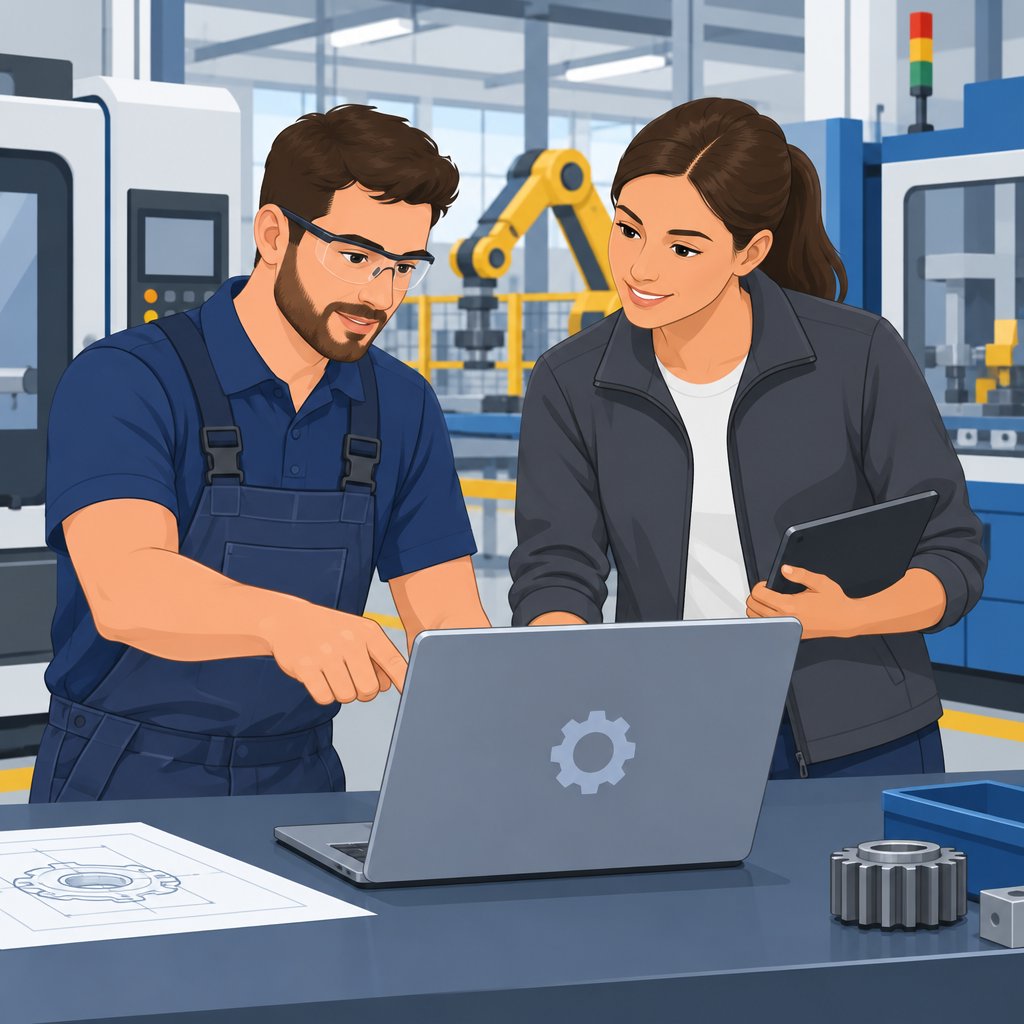
Adaptability in Manufacturing Careers
Adaptability helps manufacturing employees respond effectively when workplace conditions change.
Manufacturing environments continue evolving as production requirements, technologies, and customer expectations shift.
Workers who embrace change can remain effective while supporting consistent production standards.
Responding to Fast-Paced Conditions
Manufacturing employees often work under tight deadlines and changing operational requirements.
Adaptable workers remain composed when unexpected developments affect their regular duties.
As conditions shift, they adjust their priorities without losing focus on safe, accurate work.
Adjusting to Changing Responsibilities
Production schedules and workplace priorities can change rapidly during a shift.
Flexible employees transition between responsibilities while maintaining reliable performance.
Furthermore, adaptability helps workers accept new assignments without unnecessary disruption.
Modifying Work Processes
Employees may need to modify familiar processes when production requirements change.
Adaptable workers evaluate new instructions and apply them carefully to their responsibilities.
This willingness to adjust supports smoother operations when customer needs or production goals shift.
Finding Solutions During Change
Changing circumstances can create challenges that require practical and creative responses.
Workers with an adaptable mindset consider different approaches instead of relying on one routine.
Consequently, flexible thinking can support process improvements and more effective responses to workplace challenges.
Supporting Effective Workplace Collaboration
Adaptability helps employees work productively with people who have different responsibilities and working styles.
Workers can adjust their communication approach when circumstances or group needs change.
In addition, this flexibility helps employees contribute constructively while pursuing shared production goals.
Building Skills Through Continuous Learning
Manufacturing employees encounter evolving technologies, equipment, and workplace processes.
A willingness to learn helps workers develop the knowledge required for changing responsibilities.
Therefore, employees who pursue new skills can respond more confidently to future workplace demands.
Creating Opportunities for Career Growth
Employers value workers who remain effective when manufacturing conditions change.
Adaptable employees can demonstrate reliability while taking on unfamiliar responsibilities.
Over time, this flexible approach can support professional development and advancement within manufacturing careers.
Continuous Learning in Manufacturing Careers
- Ongoing education and training remain crucial in manufacturing careers.
- Additionally, professional development helps workers stay competitive.
- Workshops, seminars, and courses can strengthen professional skills.
- Meanwhile, industry updates help workers understand emerging trends and technologies.
- Industry publications and trade shows provide valuable information about new developments.
- Furthermore, networking with colleagues and industry experts can provide valuable insights.
- Certifications or advanced degrees can support career advancement.
- Finally, a growth mindset encourages workers to learn new things.
Essential Skills for Manufacturing Careers
Successful manufacturing careers rely on technical proficiency, problem-solving, teamwork, communication, adaptability, and a strong work ethic.
Developing these capabilities can help individuals pursue rewarding and fulfilling careers in the manufacturing industry.
Workers who continuously strengthen their abilities can improve their prospects in this competitive field.
Additional Resources
Transform Your Career Today
Unlock a personalized career strategy that drives real results. Get tailored advice and a roadmap designed just for you.
Start Now


