




Introduction
Embarking on DIY maintenance projects as a homeowner or beginner can be both rewarding and cost-effective.
Regular maintenance supports home improvement and helps people save money over time.
By taking on DIY projects, individuals can learn new skills and gain confidence in their abilities.
Creating a Home Maintenance Schedule
A home maintenance schedule helps you manage household tasks consistently.
It also helps you address minor issues before they become costly repairs.
By tracking responsibilities, you can keep household systems operating smoothly and efficiently.
Organizing Recurring Maintenance Tasks
Begin by listing every task that requires regular attention.
Include monthly work, such as cleaning gutters, and quarterly work, such as inspecting HVAC systems.
Next, assign each task a specific date or month to encourage consistent completion.
Organize tasks into indoor, outdoor, and seasonal categories for easier planning.
Additionally, use a calendar or digital reminder tool to track upcoming responsibilities.
Benefits of Consistent Home Maintenance
Check the schedule regularly and complete tasks on their assigned dates.
Consistent follow-through helps keep your home in good condition.
Regular maintenance can extend appliance lifespans, improve energy efficiency, and support comfort and safety.
Therefore, a schedule can help you save time, money, and stress over time.
Basic Tools for Home Maintenance
Homeowners can handle many routine tasks with a small collection of dependable tools.
These tools support repairs, measurements, assembly, and simple installation work.
Choosing versatile tools helps beginners approach household projects with greater confidence.
Essential Tools for Household Tasks
Start with tools that address common repairs and adjustment needs around the home.
A basic collection should include tools for fastening, measuring, aligning, and light demolition.
Keep each item accessible so you can work efficiently when maintenance needs arise.
- A hammer drives and removes nails while supporting light demolition work.
- A screwdriver set tightens or loosens screws in household items.
- Wrenches tighten or loosen nuts and bolts in plumbing, furniture, and fixtures.
- A tape measure accurately measures spaces for furniture and do-it-yourself projects.
- A level checks whether shelves, pictures, and mirrors remain straight and aligned.
Common Uses for Each Tool
Each tool serves a distinct purpose during routine maintenance and household projects.
Using the correct tool improves control and reduces the risk of damaging materials.
Match the tool to the task before beginning any repair or installation.
- Use a hammer to hang pictures, assemble furniture, or repair small items.
- Use screwdrivers to assemble furniture, fix loose screws, or open electronic devices.
- Use wrenches for plumbing repairs, loose bolts, and furniture assembly.
- Use a tape measure when placing furniture, planning projects, or hanging curtains.
- Use a level to align shelves, pictures, and mirrors on walls.
Safe Use and Organized Storage
Wear appropriate safety gear whenever a task creates potential hazards.
Keep tools away from children and handle each item with care.
Learn the correct technique for every tool before starting maintenance work.
Store tools in a designated toolbox or hanging system to prevent damage and loss.
Clean tools after use and lubricate them when necessary to maintain proper function.
Organized storage also makes it easier to locate the right tool for each task.
Building Confidence Through Preparation
A well-maintained tool collection supports many household maintenance activities.
Safe handling and careful storage help protect both the user and the property.
With suitable tools and proper preparation, homeowners can approach basic projects confidently.
Delve into the Subject: Sheet Metal Worker Salary and Job Outlook
DIY Maintenance Tips for Plumbing
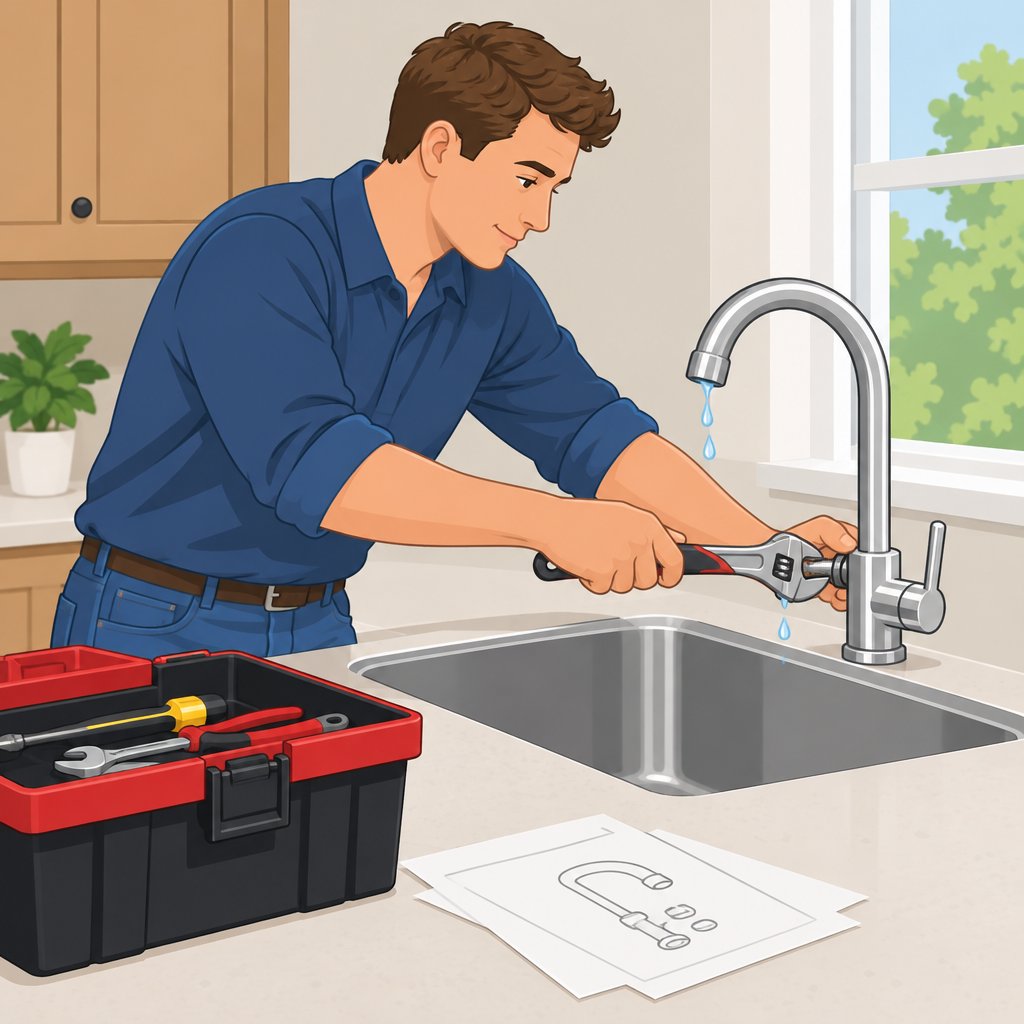
Plumbing issues can disrupt household routines, but basic checks help beginners address some problems.
Careful inspections can reveal leaks, clogs, and supply concerns before they worsen.
Use safe methods, and contact a professional plumber when a problem exceeds your skills.
Detecting and Fixing Common Plumbing Issues
Start by checking accessible plumbing fixtures and pipes for signs of trouble.
Next, address simple clogs with suitable tools and avoid forcing damaged components.
Early detection helps you respond before a minor plumbing concern becomes more difficult.
Transform Your Career Today
Unlock a personalized career strategy that drives real results. Get tailored advice and a roadmap designed just for you.
Start Now- Check all visible pipes for drips or puddles that may indicate leaks.
- Use a plunger or drain snake to unclog sinks, toilets, and showers.
- Invest in a leak detection kit to identify hidden leaks early.
Importance of Regular Plumbing Maintenance
Routine checks help you notice changes in your plumbing system sooner.
Addressing small concerns promptly can help prevent more expensive repairs later.
Consistent upkeep also helps your plumbing system operate smoothly.
- Regular maintenance can prevent small issues from becoming costly repairs.
- Address problems early to help save money over time.
- Perform routine checks to keep your plumbing system running smoothly.
Shutting Off the Main Water Supply
Learn the valve location before an emergency requires you to stop the water flow.
The main shut-off valve usually sits near the water meter or main line entrance.
Practice using the valve so you can respond quickly when necessary.
- Locate the main shut-off valve near the water meter or main line entrance.
- Turn the valve clockwise to shut off the water during emergencies.
- Practice shutting off the supply regularly to improve your response time.
These plumbing checks can help you manage common concerns with greater confidence.
They can also help you reduce unnecessary stress when problems appear.
When you feel uncertain, ask a professional plumber for assistance.
Discover More: Tile Setting in Commercial Spaces: Challenges and Tips
DIY Maintenance Tips for Electrical Systems
Electrical work requires careful attention because mistakes can cause serious hazards.
Therefore, always prioritize safety before inspecting or maintaining electrical components.
When a task feels unclear or uncomfortable, contact a professional electrician.
- Always turn off the power before working on electrical components.
- Avoid wet surfaces and wet hands to reduce the risk of electric shock.
- Use insulated tools to minimize the risk of accidents.
- Call a professional electrician if you feel unsure or uncomfortable.
Next, focus on common electrical issues that homeowners and beginners may encounter.
Troubleshooting Faulty Outlets
A faulty outlet may stop a lamp or another device from working.
First, check whether the outlet receives power by plugging in a lamp or device.
Then, examine the outlet for visible damage or signs of wear.
- Plug in a lamp or device to check whether the outlet receives power.
- Reset the associated circuit breaker or replace its fuse.
- Inspect the outlet for visible damage or signs of wear and tear.
- Call a professional if you suspect a wiring issue.
Troubleshooting Circuit Breakers
A circuit breaker may trip when connected devices overload the circuit.
Begin by unplugging devices that may contribute to the overload.
Afterward, reset the breaker by turning it off and back on.
- Unplug devices that may cause an overload on the circuit.
- Turn the circuit breaker off and then back on.
- Seek professional assistance if the problem continues.
When to Call a Professional Electrician
Some electrical tasks require skills and procedures beyond basic troubleshooting.
Moreover, persistent problems can indicate an issue that needs professional attention.
Always seek expert help when electrical conditions create potential hazards.
- Contact a professional for a major electrical overhaul or rewiring project.
- Ask an electrician for help when you feel unsure about safety procedures.
- Seek professional assistance for persistent electrical issues.
- Call an electrician if you notice sparking or burning smells.
Electrical systems can become dangerous when people handle them incorrectly.
Use these precautions to support a safer, well-maintained home electrical system.
Find Out More: Top Companies Hiring Pipelayers in the U.S.
Importance of Regular HVAC Maintenance
Regular maintenance helps your HVAC system operate efficiently.
It also supports a longer system lifespan and helps control energy consumption.
Therefore, routine care promotes reliable comfort throughout the year.
- Improve efficiency because clogged filters and dirty components make the system work harder.
- Enhance air quality by removing dirt, dust, and allergens from the system.
- Prevent breakdowns by identifying minor issues before they require costly repairs.
- Increase system lifespan through consistent maintenance and timely attention.
Cleaning or Replacing Filters
Homeowners can clean or replace HVAC filters as part of routine system care.
Clean filters support better airflow, energy efficiency, and indoor air quality.
Check the filter regularly and select a replacement with the same size and type.
- Check and change filters every one to three months, depending on household conditions.
- Clean filters improve airflow, energy efficiency, and air quality inside the home.
- Locate the filter, remove it, and clean or replace it correctly.
Checking for HVAC Leaks
Leak detection helps preserve HVAC efficiency and prevent damage around the system.
Visual checks can reveal water or refrigerant near the unit and connected pipes.
However, a qualified technician should diagnose and repair suspected leaks.
- Look for visible water or refrigerant leaks around the unit and pipes.
- Listen for hissing or gurgling sounds that may indicate ductwork or refrigerant leaks.
- Contact a professional HVAC technician when you suspect a leak.
Inspecting HVAC Ductwork
Regular ductwork inspections can reveal problems that reduce HVAC performance.
Removing obstructions helps air move through the system more effectively.
Additionally, sealing damaged joints can help limit airflow loss.
- Check ducts for debris, dust, or mold that may obstruct airflow.
- Seal leaking joints with foil tape or mastic sealant.
- Consider professional duct cleaning every few years to remove accumulated dirt.
When to Schedule Professional Maintenance
DIY care supports HVAC performance, but professional maintenance remains important.
Schedule a professional inspection at least once each year.
Transform Your Career Today
Unlock a personalized career strategy that drives real results. Get tailored advice and a roadmap designed just for you.
Start NowBefore each heating or cooling season, address potential problems through a pre-season check.
- Arrange an annual tune-up with a professional HVAC technician.
- Schedule pre-season maintenance before heating or cooling demands increase.
- Ask professionals to evaluate efficiency and recommend suitable improvements or upgrades.
Follow these maintenance practices to support efficient HVAC operation and a comfortable indoor environment.
Gain More Insights: The Importance of Teamwork in Power Line Work
Thoughtful landscaping care helps homeowners maintain attractive and functional outdoor areas.
Regular attention keeps lawns, trees, shrubs, and gutters in better condition.
These tasks can also create a welcoming outdoor space for family enjoyment.
Maintaining a Healthy Lawn
Consistent lawn care supports healthy grass growth and limits weed problems.
Proper watering, aeration, and fertilization help grass develop stronger roots.
Meanwhile, overseeding can improve bare patches and thin areas.
- Regular mowing promotes healthy grass growth and prevents weeds from taking over.
- Water your lawn deeply but infrequently to encourage deep root growth and drought resistance.
- Aerate your lawn once a year to reduce soil compaction and improve nutrient access.
- Fertilize your lawn in spring and fall to provide essential nutrients for healthy growth.
- Overseed bare patches to promote new grass growth and fill thin areas.
Pruning Trees and Shrubs
Pruning helps remove unhealthy growth and encourages new development.
Careful trimming also helps trees and shrubs maintain their intended shapes.
Using suitable tools and timing reduces plant stress during maintenance.
- Prune trees and shrubs regularly to remove dead or diseased branches.
- Trim overgrown branches to maintain the shape and size of plants.
- Use pruning shears or loppers to make clean cuts without damaging plants.
- Prune during the dormant season to minimize stress and encourage healthy regrowth.
- Consult a local nursery or garden center about techniques for specific plants.
Cleaning Gutters
Clean gutters help direct water away from the home’s foundation and roof.
Regular inspections can reveal obstructions, rust, sagging, or other damage.
Gutter guards may reduce debris buildup and decrease cleaning frequency.
- Clean gutters and downspouts regularly to prevent water damage.
- Remove leaves, debris, and obstructions to maintain proper water flow.
- Inspect gutters for rust or sagging, then repair or replace damaged sections.
- Consider installing gutter guards to reduce debris buildup.
- Schedule professional gutter cleaning at least once each year.
Importance of Regular Landscaping Maintenance
Regular landscaping maintenance preserves your home’s curb appeal.
It also helps protect your property investment by addressing problems early.
Consistent care keeps outdoor areas attractive and supports healthier plants.
When to Hire Professional Landscapers
Some outdoor projects require specialized equipment or professional expertise.
Professional landscapers can manage demanding work and provide practical guidance.
They can also provide ongoing maintenance throughout the year.
- Consider professional landscapers for extensive projects requiring specialized equipment.
- Landscapers can assist with tree removal, stump grinding, hardscaping, and design.
- Consult a professional when you are unsure how to approach a project.
- Professional maintenance services can keep outdoor spaces attractive year-round.
- Seek professional advice when a project requires additional expertise.
These maintenance practices help homeowners care for their landscaping with greater confidence.
They also support a welcoming outdoor environment for everyone to enjoy.
Ongoing attention helps landscaping remain attractive and healthy from year to year.
Practical Home Maintenance Habits
DIY maintenance tips for homeowners and beginners help keep a home in top shape.
Regular inspections, basic tools, and safety precautions support effective home care.
For example, check for leaks and clean gutters regularly.
Also, replace air filters and maintain the HVAC system on schedule.
These practices can reduce costly repairs and support your home’s longevity.
Start with manageable tasks, then gradually build your DIY maintenance skills.
Finally, share your experiences and tips in the comments to help others.


