



Introduction
A school resource officer is a certified law enforcement officer.
These officers provide security and crime prevention in schools.
They serve as a liaison between the school, law enforcement, and the community.
They ensure the safety of students and staff.
Roles and Responsibilities of School Resource Officers
School resource officers play a crucial role in maintaining a safe environment within schools.
They often conduct safety drills and investigate incidents.
They also educate students on topics such as drug awareness and cyberbullying.
Additionally, they build relationships with students.
These officers foster trust and serve as positive role models in the school community.
Community Engagement by School Resource Officers
Community involvement is an essential aspect of a school resource officer’s role.
These officers regularly participate in community events.
They engage with local organizations and collaborate with parents to address safety concerns.
By actively engaging in the community, school resource officers better understand the needs of the school.
They build strong partnerships to enhance safety and security measures.
Importance of Community Involvement
- School resource officers play a crucial role in fostering a sense of community within schools.
- By actively engaging with the community, officers can build trust and rapport with students.
- Community involvement strengthens relationships between officers and students.
- This creates a positive school environment.
- It allows officers to better understand the needs and concerns of students.
- As a result, officers can provide more effective support.
- When officers are visible and accessible in the community, students are more likely to seek their guidance.
- Building strong relationships can prevent conflicts and improve school safety.
- By being involved in the community, officers can identify potential risks and address them proactively.
Collaborating with Local Organizations
One way school resource officers can enhance their community involvement is by collaborating with local organizations.
By partnering with community groups, officers can make a positive impact on the school environment.
They can also foster stronger relationships with students, parents, and other members of the community.
Benefits of Partnerships:
- Improved communication and trust between officers and community members.
- Enhanced resources and support for addressing school-related issues.
- Increased community awareness and involvement in school safety initiatives.
Successful Collaborations:
- Collaborating with local youth centers to provide after-school programs.
- Partnering with mental health organizations to offer support for at-risk students.
- Working with community service groups to organize school beautification projects.
These examples demonstrate the diverse ways school resource officers collaborate with local organizations to benefit the school community.
By building strong partnerships, officers can enhance their effectiveness in promoting safety and security.
They also create a more supportive and inclusive school environment for all stakeholders.
Gain More Insights: Private Investigator Networking Tips and Resources
Engaging with Parents and Guardians
Engaging with parents and guardians is a crucial aspect of a school resource officer’s role.
By building connections with families, officers can create a supportive and collaborative environment.
This environment enhances school safety and student well-being.
Importance of Engaging with Parents and Guardians
- Parents and guardians are key partners in promoting a positive school climate and fostering a sense of community.
- Effective communication with families helps to address concerns, build trust, and prevent misunderstandings.
- Involving parents and guardians in school activities can lead to increased parental support and engagement in their child’s education.
- Collaborating with families allows officers to gain valuable insights into students’ home lives and potential issues they may be facing.
Building Trust with Families through Community Involvement
- Attend parent-teacher meetings and school events to demonstrate a commitment to supporting students and families.
- Participate in community outreach programs and initiatives that benefit parents and guardians in addition to students.
- Offer educational workshops or resources for parents on topics such as internet safety, bullying prevention, and substance abuse awareness.
- Provide avenues for parents to voice their concerns, ask questions, and share feedback about school safety and security.
Strategies for Effective Communication with Parents and Guardians
- Use clear and non-technical language when discussing school safety procedures and potential threats with parents.
- Establish open lines of communication through email, phone calls, and face-to-face meetings to keep parents informed and involved.
- Respect cultural differences and individual preferences when interacting with diverse families to build rapport and trust.
- Seek feedback from parents on ways to enhance school resource officer programs and services to better meet their needs.
School resource officers play a vital role in engaging with parents and guardians to create a safe and supportive school community.
By fostering strong relationships and effective communication with families, officers can enhance collaboration and build trust.
This approach ultimately improves overall student well-being.
Discover More: Campus Security Officer: Managing Lost and Found
School resource officers play a crucial role in conducting community outreach programs.
They foster positive relationships with students, parents, and the community at large.
Types of Community Outreach Programs
- Crime prevention workshops
- Drug and alcohol awareness campaigns
- Bullying prevention presentations
- Internet safety seminars
These programs aim to address key issues affecting students.
They educate the community on safety measures and prevention strategies.
Goals of Community Outreach Programs
- Educate the community on safety issues
- Build trust and rapport with students and families
- Promote a safe and secure school environment
- Reduce crime and delinquency rates among youth
By engaging in outreach initiatives, school resource officers can proactively address concerns.
They prevent potential safety threats within the school community.
Examples of Successful Community Outreach Initiatives
- Hosting a community safety fair with interactive booths on crime prevention, emergency preparedness, and self-defense.
- Collaborating with local organizations to provide free workshops on Internet safety and cyberbullying prevention for parents and students.
- Organizing a school-wide drug awareness campaign featuring guest speakers, poster contests, and informational sessions on substance abuse dangers.
- Partnering with mental health professionals to facilitate discussions on mental wellness and stress management for students struggling with academic and personal challenges.
These initiatives enhance community engagement.
They empower students to make informed decisions and lead safe, healthy lives.
Delve into the Subject: DEA Agent’s Role in Preventing Prescription Drug Abuse
Providing Mentoring and Support
- School resource officers serve as mentors and sources of support for students.
- Officers offering mentorship and guidance can benefit at-risk youth greatly.
- Stories of officers making a positive impact through mentoring programs are inspiring.
One of the key roles of school resource officers is to provide mentoring and support to students.
Transform Your Career Today
Unlock a personalized career strategy that drives real results. Get tailored advice and a roadmap designed just for you.
Start NowThese officers not only enforce the law but also act as positive role models.
They serve as sources of guidance for young individuals.
By offering mentorship and support, officers can make a significant impact on at-risk youth.
When school resource officers step into the role of mentors, they build meaningful relationships with students.
These relationships go beyond typical interactions.
Officers provide personalized guidance and support to those facing challenges or difficult situations.
One benefit of officers offering mentorship is the positive influence on students’ behavior and decision-making.
By forming strong bonds with young individuals, officers help steer them away from negative influences.
They guide students toward making better choices for their future.
Several stories highlight the success of school resource officers in mentoring students.
For example, Officer Daniels took special interest in a troubled student.
He provided guidance and support that helped the student turn his life around.
Mentoring programs led by school resource officers foster positive relationships between law enforcement and the community.
These programs benefit students and contribute to building trust and understanding between officers and youth.
School resource officers play a crucial role in providing mentoring and support to students.
By offering guidance, mentorship, and support, officers make a lasting impact on young individuals’ lives.
This support is especially important for youth who may be at risk or facing challenges.
Through mentorship programs, officers build positive relationships with students.
They contribute to creating a safer and more supportive school environment.
See Related Content: Strategies for Handling Stress as a CBP Officer
Addressing Social Issues in the Community
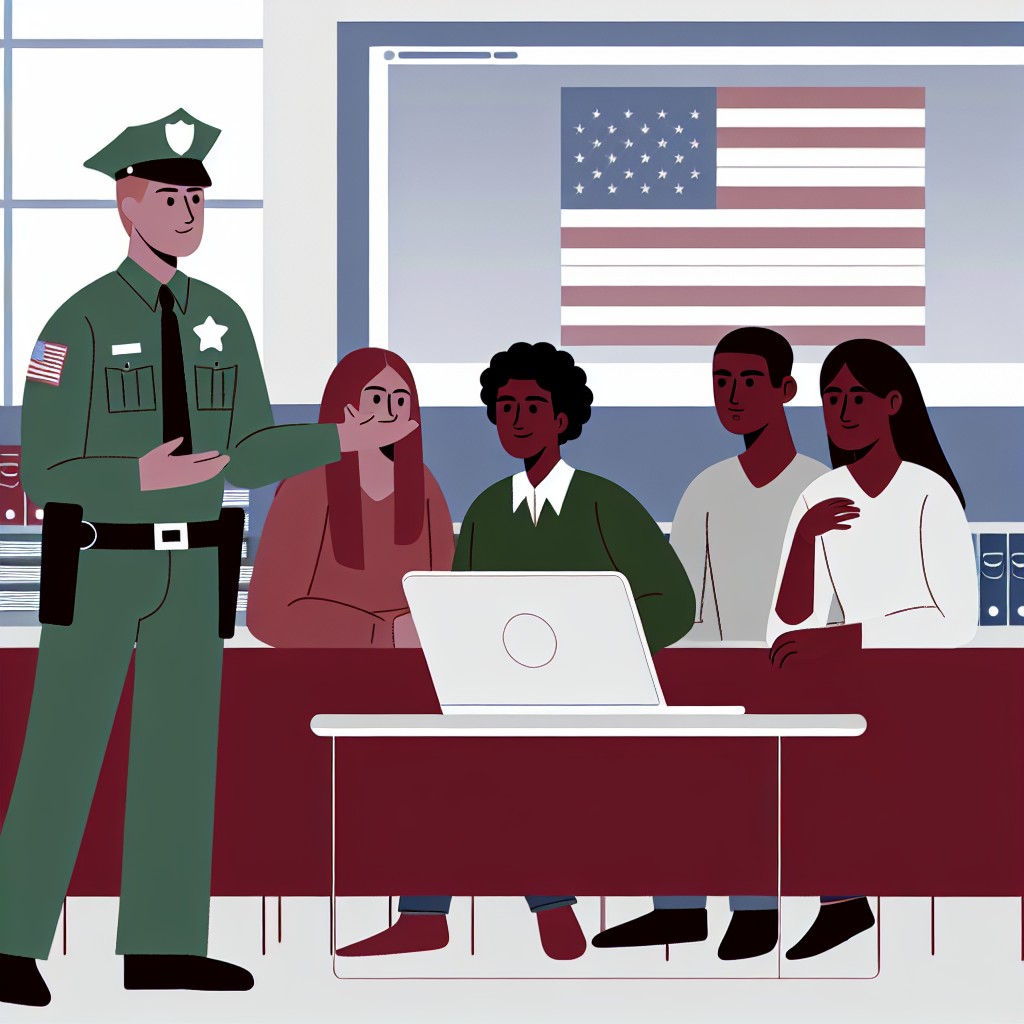
School resource officers play a crucial role in addressing social issues within the community.
They are not just law enforcement officers.
They are also key figures in promoting safety and well-being among students, staff, and residents in the surrounding area.
- Explore how school resource officers can address social issues within the community: School resource officers can connect with students and build trust, making it easier to address underlying social issues such as substance abuse, bullying, and mental health concerns.
- Discuss the importance of officers being aware of and responsive to community needs: By being proactive and engaging with community members, officers can gain a better understanding of the challenges they face. This knowledge helps them tailor their approach to better meet the needs of the community.
- Provide examples of how officers have helped address social issues in schools: School resource officers often collaborate with educators, counselors, and social workers to provide resources and support for students. For instance, they may lead anti-bullying campaigns, conduct drug awareness programs, or facilitate conflict resolution sessions.
School resource officers are uniquely positioned to contribute to the overall well-being of the community by addressing social issues in schools and beyond.
Building Positive Relationships with Students
Positive relationships between school resource officers and students are crucial.
Such relationships increase the effectiveness of officers in schools.
Here are some reasons why these relationships matter.
- Trust and Communication: When students feel comfortable and trust their SRO, they are more likely to communicate concerns.
- Prevention of Conflict: Positive relationships help prevent conflicts from escalating and promote peaceful school environments.
- Support for Students: SROs with good relationships can provide support and guidance when needed.
Tips for Building Trust and Rapport with Students
School resource officers can use several methods to build trust with students.
Building rapport supports a safer school environment.
- Be Approachable: Smile, greet students, and engage in friendly conversations.
- Listen: Take time to listen and show empathy towards students’ struggles.
- Participate in School Activities: Attend events and sports games to show support.
- Be Respectful: Treat students kindly regardless of their background or behavior.
- Build Personal Connections: Learn about students’ interests, hobbies, and goals.
Examples of Officers Fostering Positive Relationships
Several school resource officers have successfully built positive relationships through community involvement.
- Officer Mitchell: Officer Mitchell started a mentoring program for at-risk youth, providing guidance outside school hours.
- Officer Nguyen: Officer Nguyen organized a soccer tournament fostering teamwork and friendly competition.
- Officer Carter: Officer Carter led a campus cleanup project that encouraged pride and ownership among students.
These stories highlight the positive effects of strong relationships between officers and students.
Building trust, communication, and support creates a welcoming environment for all.
Role of School Resource Officers in Building Community Trust
School resource officers play a vital role in fostering community involvement within schools.
They actively engage with students, teachers, and parents to build trust.
Their presence creates a safer learning environment for all students.
Officers help deter crime and support early intervention for at-risk youth.
Community Engagement and Mentorship Provided by Officers
It is crucial for officers to be active members of the community.
They participate in school events and conduct educational presentations.
Offering mentorship to students strengthens positive relationships.
This involvement builds a sense of camaraderie among all stakeholders.
Transform Your Career Today
Unlock a personalized career strategy that drives real results. Get tailored advice and a roadmap designed just for you.
Start NowCollaboration and Ongoing Support for Safer Schools
Continued support for school resource officers is essential for safer schools.
These officers collaborate with law enforcement agencies, educators, and parents.
Through such cooperation, they address underlying issues effectively.
Their dedication and commitment enable positive change within communities.
Advocating for the Future of School Resource Officer Programs
We should continue advocating for the importance of school resource officers.
Their efforts contribute significantly to a conducive learning environment.
Together, communities can build stronger and safer schools for everyone.