




School Resource Officers and Training
School Resource Officers play a vital role in ensuring school safety and security.
They work as law enforcement officers within schools to maintain a safe learning environment.
Therefore, SRO training programs equip officers with skills and knowledge for various school situations.
These programs focus on student relationships, de-escalation techniques, conflict resolution, and emergency response.
Core Features of SRO Training Programs
- These programs prepare law enforcement officers for their roles within schools.
- Training emphasizes positive relationships with students and staff.
- Officers learn to manage situations unique to school environments effectively.
Purposes of SRO Training
- Training equips SROs to protect and serve the school community.
- It helps officers understand educational environments and student needs.
- It strengthens communication, de-escalates conflicts, and builds trust with students.
Training Areas for School Resource Officers
- Crisis intervention training prepares officers to handle emergencies and de-escalate dangerous situations.
- Conflict resolution and mediation training helps officers address issues peacefully.
- Legal training explains laws that affect schools and students.
Value of Ongoing SRO Training
- Ongoing training keeps officers updated on laws, policies, and best practices.
- It improves communication, de-escalation, and conflict resolution skills.
- It allows officers to share experiences and learn from one another.
Educational Background Needed
Candidates need a high school diploma or GED at minimum.
However, many agencies require some college education.
These requirements may include an associate or bachelor’s degree.
Experience in Law Enforcement
Prior law enforcement experience typically serves as a prerequisite.
Some agencies require candidates to complete several years in law enforcement.
Therefore, applicants must meet each agency’s experience requirements.
Physical Fitness and Mental Health Requirements
School Resource Officers perform physically and mentally demanding work.
Candidates must pass a fitness test and maintain good health.
Additionally, candidates must complete a mental health evaluation.
Gain More Insights: How to Build a Strong Client-Bodyguard Relationship
Key Modules in SRO Training Programs
SRO training programs address the distinct challenges officers may encounter within school settings.
These programs combine emergency preparation, communication skills, mentorship, and legal instruction.
Consequently, officers gain practical tools for serving the school community responsibly.
Crisis Intervention Training
Crisis intervention training prepares officers to respond effectively when urgent situations develop on school grounds.
Officers learn response strategies for fights, medical emergencies, and threats of violence.
This instruction helps them manage crises while addressing immediate safety concerns.
Conflict Resolution Techniques
Conflict resolution training helps officers address disagreements among students, teachers, and other school community members.
Rather than escalating disputes, officers use techniques that encourage peaceful and effective solutions.
These skills support calmer interactions during tense situations.
Student Engagement and Mentorship
Student engagement training helps officers build constructive relationships with students.
Mentorship instruction prepares officers to offer guidance and support when students need assistance.
Through these interactions, officers serve as mentors alongside their law enforcement responsibilities.
Legal Responsibilities in Schools
Legal training explains the responsibilities officers carry while working within school environments.
Topics include student rights, search and seizure laws, and school discipline procedures.
This knowledge helps officers understand their role in school-related legal matters.
Emergency Response Protocols
Emergency response instruction clarifies how officers should act during school emergencies.
Training addresses lockdowns, evacuations, and natural disasters.
Officers learn their responsibilities so they can respond in an organized manner.
Preparation for School Service
These training modules provide officers with knowledge and skills for school-based service.
They address both routine interactions and difficult incidents that may arise on campus.
By combining these areas, the programs prepare officers to support and protect the school community.
Delve into the Subject: Impact of TSA Officers on Airport Security and Safety
Collaboration With School Staff and Community Partners
Effective school resource officer training programs depend on collaboration with school staff and community partners.
Together, stakeholders support student safety and create a supportive learning environment.
Additionally, shared efforts connect safety planning with the needs of the school community.
- Working together ensures student safety.
- Building relationships strengthens cooperation with school personnel.
- Involving parents and community members supports school safety initiatives.
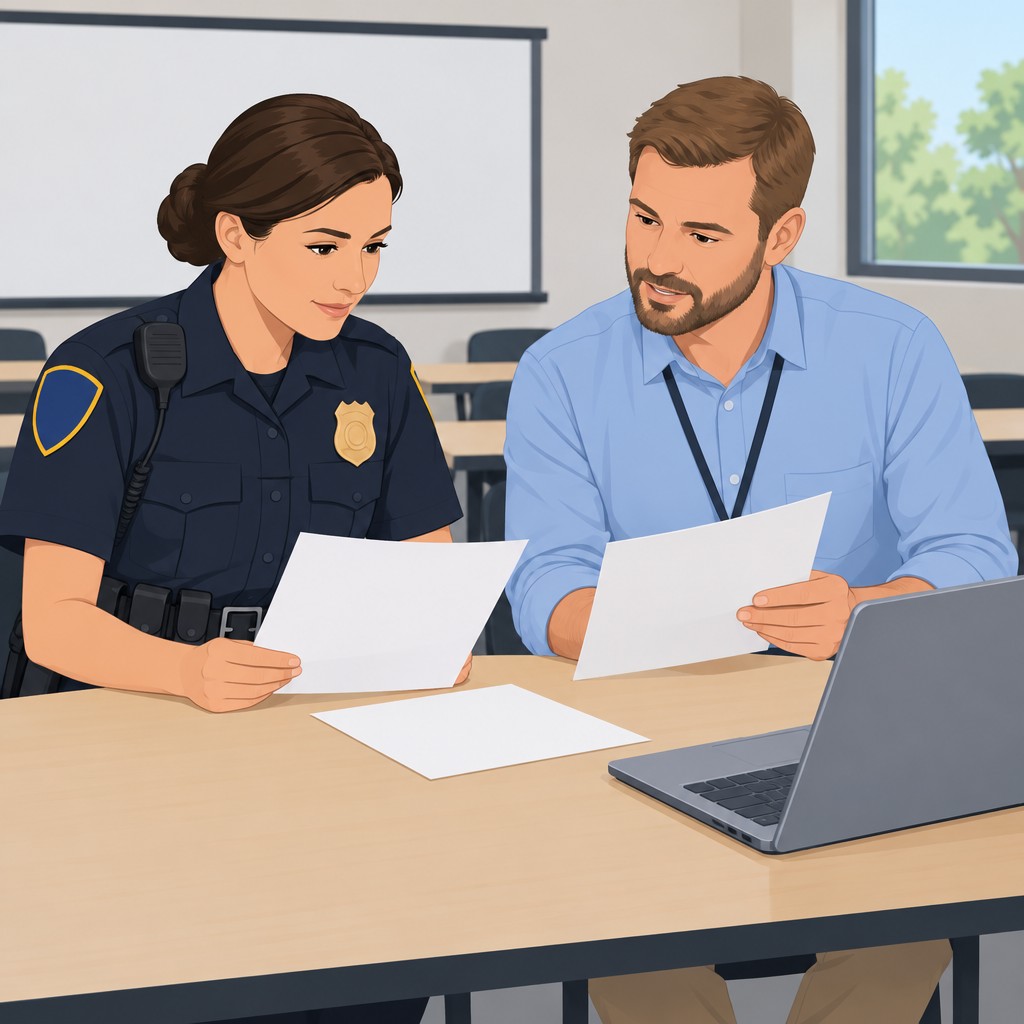
Coordinating Efforts to Support Student Safety
School resource officers can identify safety concerns more effectively when they collaborate with teachers, counselors, and administrators.
Transform Your Career Today
Unlock a personalized career strategy that drives real results. Get tailored advice and a roadmap designed just for you.
Start NowFurthermore, shared information and resources help stakeholders develop proactive strategies.
These coordinated efforts also support faster responses during emergencies.
Relationships With School Personnel
Strong relationships with teachers, counselors, and administrators support a safe and secure learning environment.
Through regular collaboration, officers gain valuable insights into the school community.
Consequently, officers can build trust with students and tailor their approaches to school needs.
Parent and Community Participation in School Safety
Parents and community members play important roles in supporting school safety initiatives.
School resource officers can collaborate with these partners to raise awareness about safety issues.
Moreover, community involvement can promote positive behavior and strengthen a culture of safety.
Including parents and community members in safety planning encourages shared decision-making.
This participation strengthens relationships, builds trust, and supports student well-being.
Ultimately, collaboration helps stakeholders create a safe and supportive learning environment for students.
Gain More Insights: Correctional Officer Work Environment
Challenges Faced by School Resource Officers
- Balancing law enforcement duties with mentorship and student support.
- Managing mental health crises and violence prevention concerns.
- Addressing cultural differences and biases within school settings.
SROs work within schools while managing responsibilities that require specialized judgment and communication.
Their duties include safety enforcement, student support, crisis response, and respectful engagement.
Several challenges require officers to adapt their approach while serving diverse school communities.
Balancing Enforcement with Student Support
SROs must balance law enforcement responsibilities with mentorship and student support.
Students may view officers primarily as authority figures, which can make open communication more difficult.
Therefore, officers need compassionate and empathetic approaches while still upholding applicable laws.
This balance helps officers support a safe and supportive school environment.
Managing Mental Health Crises and Violence Prevention
SROs often respond to mental health crises and violence prevention concerns.
These situations demand emotional intelligence, careful judgment, and effective crisis management.
Training addresses de-escalation, conflict resolution, and warning signs linked to potential behavioral problems.
With these tools, officers can respond with care and professionalism.
Addressing Cultural Differences and Biases
Schools include students with varied cultural backgrounds and experiences.
SROs must recognize personal biases and practice cultural sensitivity during interactions.
Cultural competency training helps officers understand the nuances of multicultural school environments.
As a result, respectful engagement can foster a more welcoming atmosphere.
Explore Further: Future of TSA Officer Roles in Aviation Security
Benefits of Well-Trained School Resource Officers
Well-trained School Resource Officers support secure and supportive learning environments.
They combine safety responsibilities with relationship-building and effective incident response.
These contributions help strengthen stability throughout the school community.
A Secure and Inclusive School Environment
SROs help create safe and welcoming schools through their regular presence on campus.
Consequently, their presence can deter potential threats and reassure students, staff, and parents.
Additionally, trained SROs can manage emergencies swiftly and effectively.
This proactive approach gives the school community greater security and stability.
Positive Relationships with Students
SROs can build trust by interacting with students in friendly and approachable ways.
Beyond enforcement duties, they can serve as mentors, role models, and confidants.
As a result, students may feel comfortable sharing safety, personal, or academic concerns.
These relationships help officers understand student needs and respond with greater awareness.
Effective Prevention and Incident Response
Specialized training helps SROs identify warning signs and address concerns before they escalate.
Transform Your Career Today
Unlock a personalized career strategy that drives real results. Get tailored advice and a roadmap designed just for you.
Start NowThey also learn to de-escalate tense situations and intervene when necessary.
Therefore, SROs can reduce potential harm by responding to emerging threats promptly.
During emergencies, they can take immediate action to protect students and staff.
SRO Training Supports Safe School Communities
SRO training programs prepare officers for situations within school environments.
Additionally, SROs help maintain safety while supporting positive relationships with students.
Through mentorship, they contribute to a safe and supportive school climate.
Additional Resources
Google search results for School Resource Officer Training Programs Explained Protective Services
Bing search results for School Resource Officer Training Programs Explained Protective Services


