




Correctional Officer Work Environment
Correctional officers play a crucial role in maintaining order and security within prisons.
Meanwhile, examining their work environment supports officer well-being and workplace safety.
Their duties require constant alertness, preparation, and effective responses to changing situations.
Conditions That Shape Daily Duties
The correctional officer work environment can become unpredictable and high-pressure.
Officers must remain prepared to handle potentially dangerous situations.
Additionally, facility type influences daily responsibilities and workplace conditions.
Maximum security prisons and juvenile detention centers can present different operational demands.
Overcrowding, understaffing, and limited resources can further complicate officers’ responsibilities.
Risks and Workplace Support
Correctional officers often face threats from inmates and exposure to violence.
These conditions can contribute to stress-related health issues and reduced job satisfaction.
Furthermore, demanding work environments can affect officers’ mental health.
Training and support systems help officers navigate these challenging conditions.
Positive relationships with colleagues and supervisors can create a more supportive workplace.
Communication, Safety, and Retention
Effective communication strategies can strengthen teamwork among correctional officers.
They can also promote safer working conditions throughout correctional facilities.
Ultimately, supportive workplaces help officers remain effective in demanding roles.
Safe and supportive conditions also help retain skilled and dedicated correctional officers.
Physical Environment for Correctional Officers
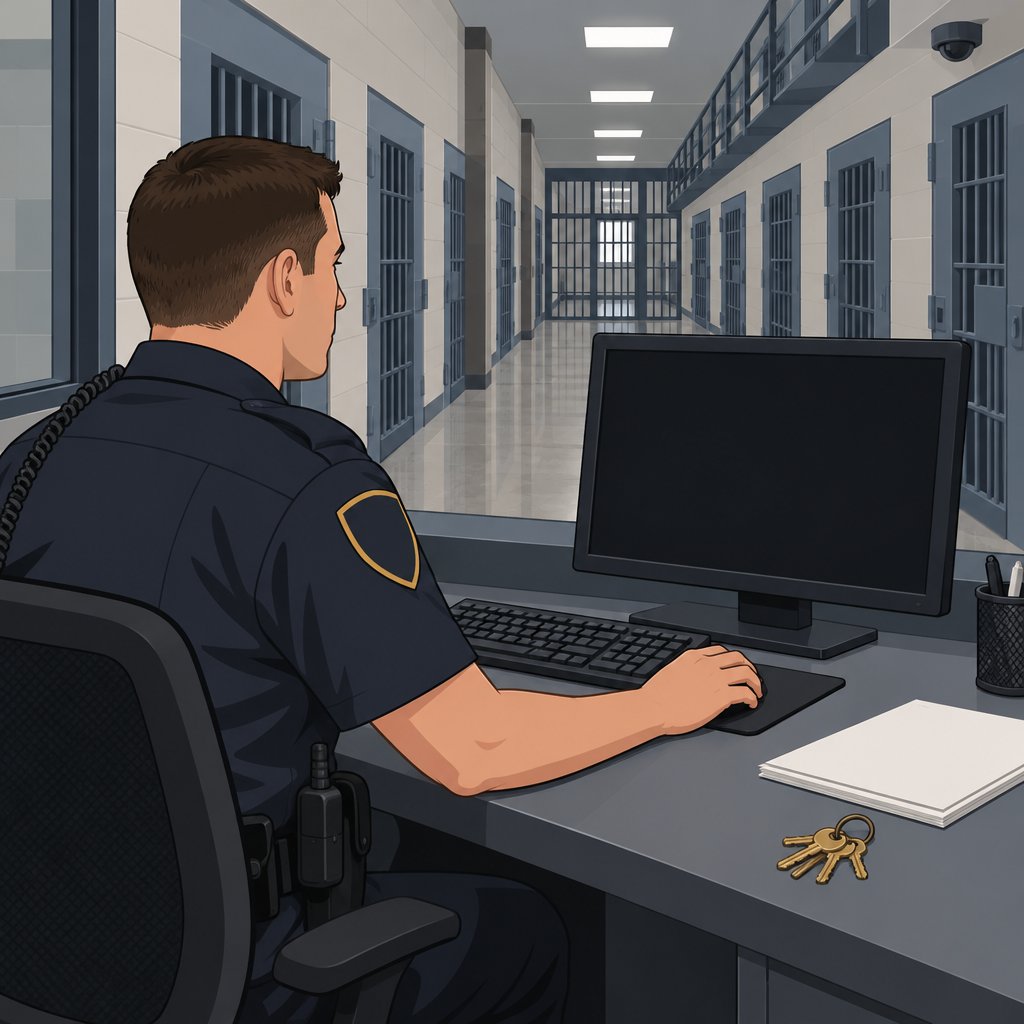
Correctional officers typically work in controlled, secure environments inside prisons or detention centers.
These facilities include housing units, observation posts, visitation areas, and control rooms.
Consequently, officers must monitor activities while maintaining security throughout the facility.
- Cell blocks or housing units where inmates live.
- Security towers or observation posts for monitoring inmate activities.
- Visitation areas for meetings between inmates and visitors.
- Control rooms where officers monitor cameras and manage access.
However, correctional officers may face several safety and security challenges during their duties.
These risks require alertness, preparation, and consistent adherence to security procedures.
- Physical confrontations with inmates during cell extractions or disturbances.
- Potential exposure to contagious diseases or biohazards within the facility.
- Risk of retaliation or violence from inmates.
- Contraband smuggling or attempts to breach security protocols.
Appropriate facilities and resources help officers perform their duties effectively.
They also support a safer workplace for staff and inmates.
- Secure perimeters and controlled access can prevent unauthorized entry or escape attempts.
- Surveillance equipment can help officers monitor activities and respond quickly to security breaches.
- Training facilities and simulation areas allow officers to practice emergency responses.
- Break rooms, fitness facilities, and counseling services can promote officer well-being.
Therefore, the physical environment strongly influences officer safety, security, and job performance.
Investing in suitable facilities and resources helps correctional facilities maintain secure operations.
Emotional Environment
- Correctional officers experience emotional strain while working in a correctional facility.
- Daily high-stress situations can gradually affect their mental well-being.
- Interactions with potentially dangerous individuals can increase their emotional burden.
Effects of Correctional Facility Work
- Officers face constant pressure to maintain order and security.
- They may witness violence, aggression, and volatile behavior.
- Such exposure can contribute to anxiety, PTSD, and other mental health issues.
Importance of Mental Health Support
- Facilities should provide mental health resources to support officer well-being.
- Counseling, debriefing sessions, and therapy can help officers cope.
- Leaders should encourage openness and help-seeking across the workplace.
Available Officer Resources
- Officers need confidential therapy or support groups for emotional release.
- Stress management and resilience training can strengthen coping skills.
- Work-life balance and self-care practices can support officer well-being.
Uncover the Details: Future of TSA Officer Roles in Aviation Security
Team Dynamics
Team dynamics shape how correctional facility staff coordinate daily responsibilities.
Because officers depend on one another, clear cooperation supports safer and more effective operations.
However, personality differences and varied work styles can challenge coordination.
- Teamwork in a correctional facility remains crucial for safety and effectiveness.
- Collaboration among officers and staff members supports smooth facility operations.
- Personality conflicts or differing work styles may create challenges.
- Effective communication helps resolve conflicts and promote teamwork.
- Trust and mutual respect strengthen relationships among team members.
Importance of Teamwork
Teamwork helps officers notice risks that individuals might miss.
Moreover, shared effort strengthens unity and camaraderie among staff members.
It also improves problem-solving while allowing colleagues to share skills and knowledge.
- Working together allows officers to cover each other’s blind spots.
- Teamwork promotes unity and camaraderie among staff.
- Collaborative efforts support better problem-solving and decision-making.
- Team members can share skills and knowledge to improve performance.
- Colleague support can help reduce stress and burnout among officers.
Challenges of Working with Others
Working with others can create friction when expectations or methods differ.
Miscommunication, competing priorities, and power struggles may weaken trust.
Therefore, resentment and limited cooperation can damage the workplace climate.
- Personality clashes or conflicting work methods can hinder teamwork.
- Miscommunication or limited communication can cause misunderstandings.
- Different priorities or goals may create friction among team members.
- Power struggles or limited trust can undermine team dynamics.
- Resentment or limited cooperation can create a toxic work environment.
Strategies for Promoting a Positive Team Environment
A positive team environment requires deliberate communication and shared expectations.
Clear responsibilities help team members coordinate their efforts.
Additionally, team activities and constructive conflict management can strengthen relationships.
- Encourage open communication and transparency among team members.
- Establish clear roles, responsibilities, and goals for each team member.
- Provide opportunities for team building and bonding outside work.
- Celebrate achievements and milestones to foster team camaraderie.
- Address conflicts promptly and constructively to prevent escalation.
Gain More Insights: Cultural Awareness in Personal Protection
Transform Your Career Today
Unlock a personalized career strategy that drives real results. Get tailored advice and a roadmap designed just for you.
Start NowSupervisor Support
Supervisors shape the work environment for correctional officers.
They manage facility operations and oversee officers under their command.
Effective supervision supports safety and security for staff and inmates.
Supervisory Roles
- Supervisors set workplace expectations and establish a clear tone for their officers.
- They demonstrate professionalism, integrity, and commitment to institutional values.
- They provide guidance, support, and mentorship to help officers succeed.
Communication and Leadership
- Clear communication helps officers understand their facility roles and responsibilities.
- Approachable supervisors invite feedback and address concerns as they arise.
- Strong leaders inspire officers to perform well and maintain professionalism.
Strategies for Stronger Supervisor Support
- Ongoing training helps supervisors strengthen their leadership skills.
- Open communication and collaboration create a more supportive workplace.
- Recognition and rewards can acknowledge exceptional leadership and officer support.
Supportive supervisors strengthen workplace safety and productivity within correctional facilities.
They achieve this through communication, leadership, and consistent support for officers.
See Related Content: Correctional Officer Continuing Education
Training and Development
Correctional officers maintain safety and security within correctional facilities.
Therefore, facilities need ongoing training and development opportunities to prepare officers for their duties.
Continuous learning helps officers update their techniques, technology knowledge, and procedural understanding.
This preparation can support performance and personal well-being.
- Ongoing training and development opportunities for correctional officers
- The impact of continuous learning on officer performance and well-being
- The importance of investing in professional growth and skill development
Improved Officer Performance
Continuous training helps officers strengthen the skills required for daily responsibilities.
Additionally, development opportunities expand their knowledge and support more effective decision-making.
These improvements can create safer and more efficient conditions for staff and inmates.
Officer Morale and Job Satisfaction
Training programs can show officers that employers value their contributions and professional development.
As a result, officers may experience stronger morale and greater satisfaction with their work.
Greater satisfaction can also support retention and encourage a more motivated workforce.
Enhanced Safety and Security
Well-trained officers can respond more effectively to challenging situations within correctional facilities.
They can also apply emergency procedures with greater confidence and consistency.
Consequently, professional development can strengthen safety measures for staff and inmates.
Reduced Staff Turnover
Development opportunities can encourage correctional officers to remain with their current employers.
When facilities support professional growth, officers may feel more connected to their organizations.
Stable staffing can help officers contribute consistently to facility operations.
Adaptation to Changing Correctional Needs
The correctional system continues to face new challenges, trends, and operational demands.
Ongoing education helps officers prepare for changing situations and emerging risks.
Therefore, facilities can respond more effectively when staff maintain current skills and knowledge.
Professional Growth Across the Correctional System
Training and development support correctional officers throughout their professional growth.
Facilities can improve performance, safety, morale, and workplace conditions through ongoing learning.
Investing in officer development benefits individuals, inmates, staff members, and the broader correctional system.
Learn More: Physical Fitness Tips for Wildland Firefighters
Work-Life Balance for Correctional Officers
Correctional officers face unique challenges when balancing professional responsibilities with personal needs.
Long hours and rotating shifts can disrupt sleep patterns and increase daily stress.
Therefore, officers need consistent self-care practices to sustain their well-being and perform duties effectively.
Importance of Maintaining a Healthy Work-Life Balance
Correctional officers help maintain safety and security inside prisons and correctional facilities.
A healthy balance helps them manage responsibilities without neglecting personal well-being.
Additionally, this balance can support sustained focus and a fulfilling career in corrections.
Challenges Associated with Long Hours and Rotating Shifts
Long hours can reduce time for rest, family activities, and personal interests.
Rotating shifts can make consistent sleep schedules difficult to maintain.
Consequently, irregular hours may strain social connections and create feelings of isolation.
High-stress duties can also contribute to burnout, fatigue, and reduced job satisfaction.
Strategies for Promoting Work-Life Balance and Self-Care
Officers can use several practical strategies to protect their well-being.
Transform Your Career Today
Unlock a personalized career strategy that drives real results. Get tailored advice and a roadmap designed just for you.
Start NowThese strategies can support healthier routines despite demanding schedules.
Furthermore, regular self-care can help officers manage stress and preserve personal energy.
- Establish a routine to create stability across work and personal responsibilities.
- Set clear boundaries so work-related stress does not dominate personal time.
- Use exercise, mindfulness, or hobbies to manage stress and support mental health.
- Seek support from colleagues, supervisors, or mental health professionals when needed.
- Take regular breaks during shifts to rest and restore focus.
- Prioritize sleep, nutritious meals, and time with loved ones.
By applying these strategies, officers can reduce stress and protect their quality of life.
Self-care supports effective duties and a more sustainable career in corrections.
Support Programs
Correctional officers face many challenges that can affect their mental and emotional well-being.
These demands may create stress, emotional strain, and difficulty managing daily responsibilities.
Support programs provide resources that help officers manage these challenges and strengthen personal resilience.
Available Support Programs
Support programs offer services that promote mental health and well-being among correctional officers.
These services may include counseling, peer support groups, and employee assistance programs.
Counseling gives officers a confidential space to discuss feelings, experiences, stress, and work-related trauma.
As a result, counseling can help officers manage stress, prevent burnout, and develop resilience.
Peer support groups connect officers with colleagues who understand similar experiences and workplace challenges.
Furthermore, these groups build community, solidarity, and mutual understanding among participating officers.
Employee assistance programs help officers address personal and professional challenges through confidential services.
These programs may provide counseling, financial assistance, legal guidance, and referrals to additional resources.
Importance of Resource Access
Accessible support programs help correctional officers protect their well-being and maintain mental health.
Their work can involve stress, trauma, and danger that affect emotional and psychological resilience.
Therefore, officers need practical resources that address these demands before they become overwhelming.
Counseling, peer groups, and employee assistance programs give officers tools for managing difficult experiences.
By using these resources, officers can address underlying concerns and reduce the risk of burnout.
Additionally, effective support can strengthen job satisfaction and promote broader workplace well-being.
Encouraging Program Participation
Agencies can encourage officers to use support programs by building a workplace culture focused on wellness.
They can also present help-seeking as a responsible step rather than a personal weakness.
Clear communication helps officers understand available services and the steps required to access them.
- Provide education about support programs and their benefits
- Normalize help-seeking and reduce mental health stigma
- Offer confidential and accessible support options
- Encourage peer support and cooperation among officers
- Communicate regularly about available resources and access procedures
When agencies promote these programs, officers may feel more comfortable prioritizing mental health.
Moreover, supportive workplace practices can help officers feel valued and cared for.
These efforts may also support job satisfaction and improve retention within correctional agencies.
A Supportive Correctional Work Environment
Correctional facilities must prioritize supportive work environments because these settings influence officer well-being and effectiveness.
Such environments can strengthen mental and physical health while helping employees perform their responsibilities.
Furthermore, safe and healthy conditions can improve job performance, satisfaction, and quality of life.
Facilities can strengthen these conditions through regular mental health check-ins and adequate operational resources.
Additionally, respectful workplace cultures can encourage officers to seek help and address concerns promptly.
These efforts can raise staff morale and reduce employee turnover.
Consequently, improved morale and performance can support safer, more efficient facilities for staff and inmates.
By taking proactive steps, correctional facilities can support both employees and the people housed there.
Additional Resources
Google search results for Correctional Officer Work Environment Protective Services
Bing search results for Correctional Officer Work Environment Protective Services


