




Rangeland Management and Ecological Balance
Rangeland managers oversee and maintain vast landscapes used for grazing livestock.
Their work supports ecological balance across these important landscapes.
Effective management requires attention to changing environmental and land use conditions.
Climate Change
Rangeland managers face increasingly unpredictable weather patterns.
These patterns can produce droughts, wildfires, and other extreme events.
As a result, managers must address conditions that challenge rangeland health.
Invasive Species
Non-native plant species can invade rangeland ecosystems.
These plants may outcompete native vegetation for available resources.
Consequently, invasive species can disrupt the delicate balance of rangeland ecosystems.
Overgrazing
Rangeland managers must manage livestock populations carefully.
Excessive grazing can damage rangeland health.
Therefore, managers continually address grazing levels to protect these landscapes.
Land Use Conflicts
Multiple stakeholders often share rangelands.
These stakeholders may support grazing, recreation, conservation, or development.
Accordingly, differing priorities can create conflicts over appropriate land use.
Urban Encroachment
Expanding urban areas increasingly threaten rangelands.
Development can fragment these landscapes and reduce their total area.
As a result, urban encroachment can contribute to the loss of critical habitat.
Water Availability
Water scarcity creates significant challenges for rangeland managers.
Competing demands can further limit access to water resources.
Thus, managers must consider water availability when maintaining healthy ecosystems.
Policy and Regulations
Rangeland managers navigate complex regulations related to land use.
They also address requirements involving water rights and environmental conservation.
Because regulations change, managers must continually respond to new requirements.
Collaboration, Innovation, and Adaptation
Rangeland managers address many challenges while conserving vital landscapes.
Collaboration can help stakeholders respond to competing land use needs.
Innovation and adaptation remain essential for managing these challenges effectively.
Ecological Challenges
- Droughts and other extreme weather events
- Invasive species that threaten native vegetation
- Balancing conservation with economic interests
Rangeland managers face many challenges that require innovative solutions and proactive management strategies.
Ecological pressures can affect the health and sustainability of rangeland ecosystems.
Managers must address these pressures while considering environmental and economic needs.
Droughts and Other Extreme Weather Events
Climate change has increased the frequency and intensity of droughts and other extreme weather events.
These conditions strain already fragile rangeland ecosystems.
They can reduce forage production, limit water supplies, and increase wildfire vulnerability.
Invasive Species That Threaten Native Vegetation
Invasive species threaten native vegetation and rangeland biodiversity.
They can outcompete native plants and alter ecosystem dynamics.
They can also reduce forage quality for livestock.
Managing these species requires coordinated efforts and ongoing monitoring.
Balancing Conservation With Economic Interests
Rangeland managers must balance conservation efforts with economic interests.
Sustainable practices can protect ecological integrity while supporting ranchers and other stakeholders.
Finding solutions that benefit the environment and economy remains complex.
Transform Your Career Today
Unlock a personalized career strategy that drives real results. Get tailored advice and a roadmap designed just for you.
Start NowThis balance continues to challenge rangeland managers.
Addressing these challenges requires a holistic approach integrating science, policy, and stakeholder collaboration.
Recognizing their connections can help managers preserve valuable ecosystems for future generations.
Social Challenges
- Conflicts involve ranchers, environmentalists, and government agencies.
- Public opinion influences perceptions of rangeland management practices.
- Local communities need meaningful opportunities to support conservation efforts.
Rangeland managers face numerous social challenges that affect ecosystem conservation.
These challenges require careful communication, cooperation, and consideration of competing interests.
Managers must address social concerns while supporting sustainable land management.
Conflicts with Multiple Stakeholders
Rangeland management involves ranchers, environmentalists, government agencies, and other interested groups.
These stakeholders may prioritize different goals for land use, resources, and conservation.
Consequently, disagreements can create disputes over management practices and resource allocation.
Managers must navigate these relationships and encourage cooperation among the participating groups.
They can also seek common ground through communication and collaborative planning.
Public Perceptions of Management Practices
Public perceptions can influence support and funding for rangeland conservation efforts.
Some people worry that grazing causes overgrazing, habitat destruction, or water pollution.
Such concerns may hinder effective management strategies and weaken public trust.
Therefore, managers should explain sustainable practices and address public misconceptions.
Clear communication can strengthen public understanding and support for conservation work.
Engaging Local Communities in Conservation
Successful rangeland management depends on active participation from local communities.
Community involvement can build partnerships and increase awareness of rangeland importance.
It can also encourage sustainable land use and strengthen local stewardship.
However, cultural differences, competing interests, and limited resources may restrict engagement.
Managers should use inclusive approaches that involve residents in decision-making processes.
These approaches can empower communities to support long-term ecosystem health and resilience.
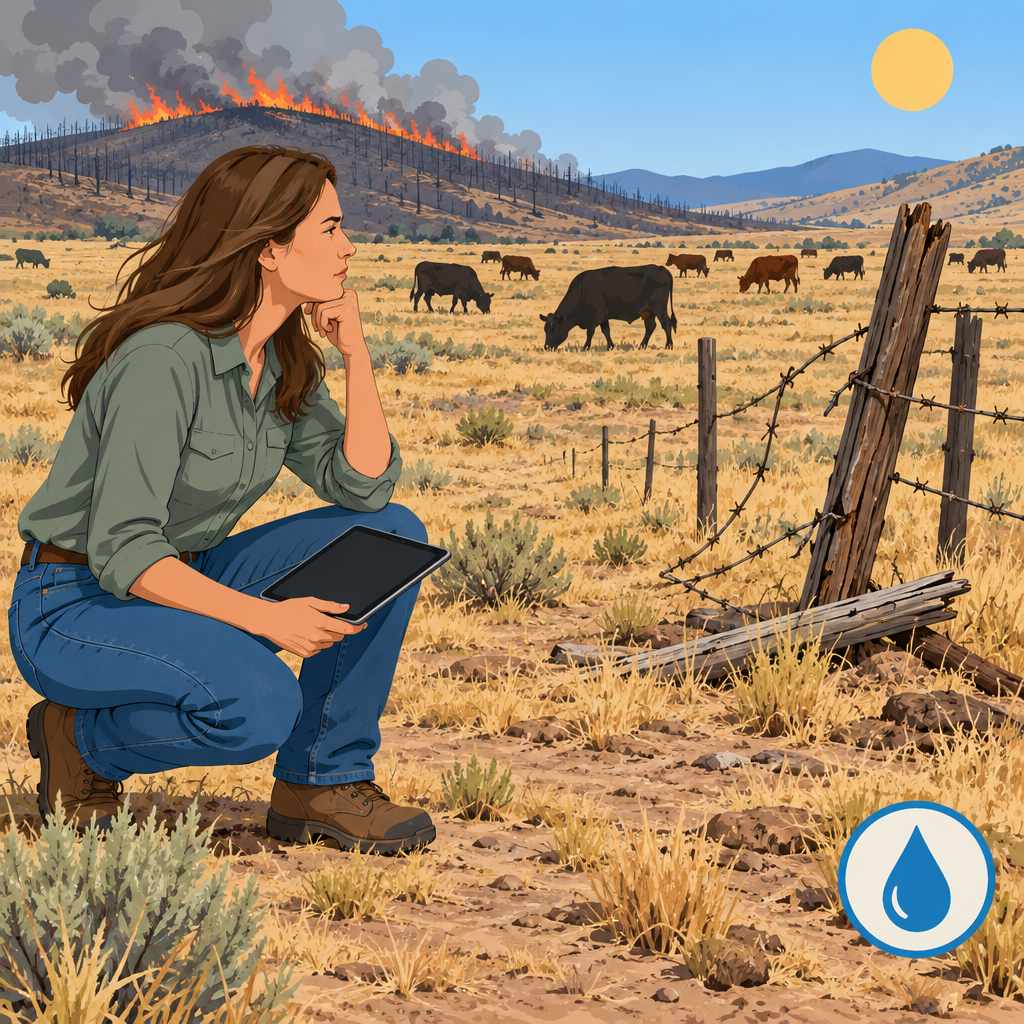
Collaborative Approaches to Rangeland Stewardship
Collaboration helps managers address conflicts and develop practical conservation strategies.
Strong communication can improve public perceptions and encourage broader support.
Meaningful community engagement can also strengthen stewardship and promote sustainable land use.
Gain More Insights: The Impact of Conservation Science on Ecosystems
Political Challenges
Rangeland managers face many challenges today.
These challenges make effective management and ecosystem maintenance increasingly difficult.
Political conditions can strongly affect their responsibilities.
- Shifting policies and regulations that impact land use
- Limited funding for conservation programs
- Pressure from lobbying groups with competing interests
Shifting Policies and Regulations
Managers must adapt to changing policies and regulations that govern land use.
These changes can create uncertainty for long-term planning.
Managers must stay informed and comply with various rules and restrictions.
Limited Conservation Funding
Limited funding creates another major political challenge for rangeland managers.
Managers often struggle to secure resources for necessary conservation measures.
Without sufficient funding, they may not effectively protect these fragile ecosystems.
Competing Lobbying Interests
Lobbying groups with competing interests can place pressure on rangeland managers.
Some groups may support policies that prioritize economic interests over conservation.
Managers must balance conservation efforts with financially viable land use practices.
By navigating these pressures, managers can support the long-term health of rangeland ecosystems.
Find Out More: Day in the Life of an Agricultural Policy Analyst
Transform Your Career Today
Unlock a personalized career strategy that drives real results. Get tailored advice and a roadmap designed just for you.
Start NowTechnological Challenges
Rangeland managers may have limited access to advanced monitoring and assessment tools.
Furthermore, managers often face complex data integration when making informed decisions.
They must also follow new technologies to support sustainable land management practices.
- Accessing advanced monitoring and assessment tools can be limited for rangeland managers.
- Integrating data from various sources can be complex for making informed decisions.
- Staying updated with new technologies is crucial for sustainable land management practices.
Discover More: Salary Expectations for Poultry Scientists
Economic Challenges
- Fluctuating market prices for livestock and agricultural products
- Costs associated with implementing conservation practices
- Balancing financial viability with conservation goals
Rangeland managers face economic challenges that require strategic planning and practical solutions.
These pressures affect decisions about production, conservation, and long-term land stewardship.
Therefore, managers must address financial risks while maintaining responsible resource use.
Fluctuating Market Prices
Unpredictable livestock and agricultural prices directly affect ranching profitability.
Managers monitor market trends to adjust production strategies and protect revenue.
Additionally, flexible planning helps them respond to changing financial conditions.
Costs of Implementing Conservation Practices
Conservation practices support sustainable natural resource use.
However, infrastructure, technology, and personnel can make implementation expensive.
Managers therefore weigh these investments against ranching operations’ financial limits.
Balancing Financial Viability with Conservation Goals
Many ranching operations work with thin profit margins.
Consequently, managers may struggle to fund conservation initiatives.
They must balance immediate financial viability with the land’s long-term sustainability.
Careful planning helps managers protect operations while supporting conservation.
Strategic decisions can connect financial needs with responsible land management.
These efforts support the land and future generations.
See Related Content: The Role of Horticulturists in Urban Gardening
Climate Change Challenges for Rangeland Managers
Climate change creates major challenges for rangeland managers.
It threatens rangeland ecosystems and complicates managers’ responsibilities.
Consequently, managers must address uncertainty, adaptation, and ecosystem resilience.
- Uncertainty about future climate patterns
- Adapting management strategies to reduce climate impacts
- Ensuring rangeland ecosystem resilience amid changing conditions
Future climate patterns remain uncertain.
This uncertainty complicates long-term planning and strategy implementation.
As conditions change, managers must adapt strategies to reduce climate impacts.
They may introduce new grazing techniques, restore degraded areas, and use technologies to monitor resources.
Meanwhile, managers must preserve ecosystem resilience under changing conditions.
Rangeland ecosystems remain complex and dynamic, which increases their vulnerability.
Therefore, managers must protect ecosystem health and productivity while responding to environmental change.
These actions can help sustain rangeland resources for future generations.
Education and Training Challenges
Rangeland managers face serious education and training gaps.
These gaps hinder people who want to enter or advance within the profession.
Consequently, managers may struggle to build the expertise required for sustainable rangeland stewardship.
Education and Training Priorities
Academic institutions can expand formal programs focused on rangeland management.
Practical instruction can connect classroom knowledge with the demands of fieldwork.
Professional organizations can also strengthen continuing education and development opportunities.
- Formal education: Limited programs make it harder for individuals to gain necessary knowledge and credentials.
- Practical skills: Hands-on training helps managers apply theoretical knowledge effectively in their roles.
- Professional development: Continuing education helps managers stay current with changing practices and environmental conditions.
These challenges affect individual careers and the broader management of rangeland ecosystems.
Without knowledgeable personnel, organizations may find complex ecological issues harder to address.
Effective strategies depend on managers who can apply relevant knowledge in practical settings.
Transform Your Career Today
Unlock a personalized career strategy that drives real results. Get tailored advice and a roadmap designed just for you.
Start NowCollaboration for Workforce Development
Academic institutions, government agencies, and professional organizations all have roles to play.
Together, these stakeholders can invest in training, share knowledge, and support professional development.
Such cooperation can equip managers with tools and resources for their responsibilities.
Stronger education systems can help create a more resilient rangeland management sector.
Better preparation can improve responses to complex challenges affecting rangeland ecosystems.
Continued investment can support sustainable management practices for the future.
Collaboration Challenges
Collaboration plays an important role in successful rangeland management.
However, managers must navigate several difficulties when they work with diverse stakeholders.
Strong communication, shared goals, and responsible leadership can help address these challenges.
Coordination Among Landowners and Agencies
Managers must coordinate efforts among different landowners and agencies.
Meanwhile, differing priorities and strategies can make coordination difficult.
Clear communication helps stakeholders find common ground and build consensus.
- Managers must align priorities and strategies across participating groups.
- Poor communication and conflicting interests can slow collaborative progress.
- Diverse stakeholders must identify shared priorities and workable agreements.
Partnerships for Shared Goals
Managers build partnerships to address shared goals and common challenges.
Trust and rapport provide a foundation for productive relationships.
Furthermore, partners need clear agreements that define their responsibilities.
- Partners must establish trust and rapport with one another.
- Collaborators need to negotiate agreements and define responsibilities clearly.
- Partners should foster a cooperative culture and shared mindset.
Cooperation and Information Sharing
Effective cooperation requires partners to share relevant information.
Nevertheless, confidentiality concerns can limit the information that collaborators disclose.
Transparent processes can reduce competition and encourage more constructive relationships.
- Confidentiality issues can create concerns about sharing data.
- Limited transparency can discourage partners from disclosing information.
- Competitive dynamics and power struggles can weaken cooperation.
These challenges highlight the value of effective communication and negotiation skills.
Strong leadership can help managers foster partnerships across varied stakeholder groups.
By addressing collaboration barriers, managers can support sustainable landscape outcomes.
Current Priorities for Rangeland Managers
Rangeland managers currently address several pressures that affect ecosystem sustainability and health.
Invasive species can outcompete native plants, reduce biodiversity, and degrade wildlife habitat.
Therefore, managers must detect and control these species while protecting native vegetation.
Managers also adjust grazing practices to prevent overgrazing, soil erosion, and vegetation loss.
These actions help prevent long-term damage across rangeland ecosystems.
Meanwhile, rising temperatures and shifting precipitation patterns alter ecosystem conditions.
Extreme weather events further challenge traditional management practices and planning.
Accordingly, managers need adaptive approaches that respond to changing conditions.
Limited funding and resources restrict sustainable practices, ecosystem monitoring, and timely responses to emerging threats.
Consequently, managers need adequate support to maintain effective programs.
Healthy rangelands provide carbon sequestration, water filtration, and wildlife habitat.
Thus, continued research, education, and collaboration can help develop innovative management solutions.
Managers, scientists, policymakers, and stakeholders must work together to strengthen adaptive strategies.
These priorities support the long-term sustainability and health of rangeland ecosystems.
Additional Resources
Google search results for Challenges Faced by Rangeland Managers Today Agricultural
Bing search results for Challenges Faced by Rangeland Managers Today Agricultural


