




Introduction
Public health social work internships and practicums provide hands-on experience in community health settings.
Practical experience helps students understand the complexities of public health social work.
This section covers internship benefits, placement strategies, and skills gained through practical experience.
The Role of Public Health Social Work Interns
- Interns assist with community outreach and education programs.
- They help conduct needs assessments and program evaluations.
- Interns may participate in developing and implementing interventions.
Responsibilities and Duties of Interns
- Interns collaborate with multidisciplinary teams on case management.
- They provide direct services to individuals and families in need.
- Interns advocate for social justice and healthcare equality.
Importance of Supervision by Experienced Professionals
- Interns receive guidance and mentorship in challenging situations.
- They learn best practices and ethical standards in the field.
- Supervisors offer feedback for personal and professional growth.
Opportunities for Skill Development and Hands-On Experience
- Interns gain practical experience in a real-world setting.
- They develop communication, assessment, and intervention skills.
- Internships provide opportunities to apply classroom knowledge in practice.
Finding the Right Internship or Practicum Placement
Finding a suitable placement helps students gain valuable experience in public health social work.
Careful planning can connect students with organizations that match their interests and career goals.
The process includes researching agencies, networking with professionals, and submitting focused applications.
- Research potential organizations and agencies.
- Network with professionals in the field.
- Apply for internships and practicums.
Researching Potential Organizations and Agencies
Begin by identifying organizations that support your interests and career goals.
Next, examine opportunities that offer experience in community health, mental health, or public policy.
Alumni and professors can recommend reputable organizations for potential placements.
- Research organizations and agencies related to public health social work.
- Seek opportunities involving community health, mental health, or public policy.
- Ask alumni or professors about reputable organizations.
Networking with Professionals in the Field
Attend events, conferences, and workshops related to public health social work.
Professional organizations and online forums can reveal potential internship opportunities.
Informational interviews can clarify career paths and possible placement options.
- Attend networking events, conferences, or workshops.
- Join professional organizations or online forums.
- Request informational interviews with professionals.
Applying for Internships and Practicums
Review each opportunity’s requirements before preparing an application.
Tailor your resume and cover letter to emphasize relevant skills, experiences, and motivations.
After applying, follow up to show continued interest and ask about the selection timeline.
- Confirm that you meet each opportunity’s qualifications.
- Prepare a tailored resume and cover letter.
- Follow up after submitting your application.
Proactive research, networking, and focused applications can strengthen your placement search.
These steps can help you identify placements that support your professional goals.
A well-matched placement can support your development in public health social work.
Find Out More: Importance of Self-Care for Community Health Workers
Benefits of Completing an Internship or Practicum in Public Health Social Work
Completing an internship or practicum in public health social work offers numerous benefits.
These experiences provide real-world opportunities for professional and personal development.
They also help students prepare for successful careers in public health social work.
- Hands-on experience working with diverse populations
- Building professional relationships and networks
- Developing real-world problem-solving skills
Hands-on Experience with Diverse Populations
An internship or practicum provides direct experience working with diverse populations.
This experience helps students understand unique needs across different backgrounds, cultures, and communities.
Working with clients also reveals how social and environmental factors influence health outcomes.
Interns gain valuable insights into the social determinants of health through direct client interactions.
These experiences strengthen empathy, cultural competency, and communication skills.
Professional Relationships and Networks
Internships and practicums help students build professional relationships within public health social work.
Students connect with experienced professionals, mentors, and potential employers during these experiences.
These connections can provide guidance, support, and future career opportunities.
A strong professional network can support advancement in public health social work.
Meaningful relationships may lead to employment, research collaborations, and continuing professional development.
Real-world Problem-solving Skills
Internships and practicums help students develop practical problem-solving skills.
Fast-paced environments expose interns to complex challenges requiring creative and innovative solutions.
Interdisciplinary collaboration gives students experience addressing public health issues.
Interns conduct assessments, develop interventions, and evaluate outcomes with professional teams.
These responsibilities strengthen critical thinking, decision-making, and problem-solving abilities.
Such preparation helps students address complex health and social challenges affecting individuals, families, and communities.
These experiences support personal growth and professional development in public health social work.
Gain More Insights: Certifications for Disability Services Coordinators
Transform Your Career Today
Unlock a personalized career strategy that drives real results. Get tailored advice and a roadmap designed just for you.
Start NowChallenges Faced During Internships and Practicums
- Balancing academic coursework with fieldwork
- Dealing with challenging situations in a professional setting
- Coping with emotional and mental stress from working with vulnerable populations
Public health social work internships and practicums present challenges that test students’ skills, resilience, and emotional well-being.
Students should prepare for these obstacles and approach them with a proactive mindset.
These challenges require students to manage responsibilities while protecting their well-being.
Balancing Academic Coursework with Fieldwork
Students must balance academic coursework with fieldwork responsibilities.
They often juggle assignments, readings, and exams alongside practical training in public health settings.
Therefore, effective time management and organization help them manage these competing demands.
Dealing with Challenging Situations in Professional Settings
Public health settings expose interns to challenging situations they may not have encountered before.
For example, clients may experience crises, team members may disagree, and social issues may involve complex factors.
Consequently, interns should remain composed under pressure and seek supervisory guidance when necessary.
Coping with Emotional and Mental Stress
Work with vulnerable populations can create emotional and mental stress for interns.
Distressing stories and visible social inequalities may affect their well-being.
Therefore, interns should use debriefing, mindfulness, and support from colleagues or mental health professionals.
Public health social work internships and practicums remain challenging.
However, they provide valuable opportunities for learning, growth, and professional development.
By addressing obstacles proactively, students can strengthen their skills, resilience, and understanding of public health social work.
Delve into the Subject: How to Excel in a Human Services Assistant Role
Making the Most of the Internship or Practicum Experience
- Take initiative in your work and seek opportunities to learn and grow.
- Build relationships with colleagues and supervisors to gain valuable insights and feedback.
- Additionally, participate in trainings, workshops, and meetings to expand your knowledge and skills.
- Keep a journal or log to track your progress and reflect on your growth.
Setting Personal and Professional Goals
- Identify areas for improvement and set specific, achievable goals.
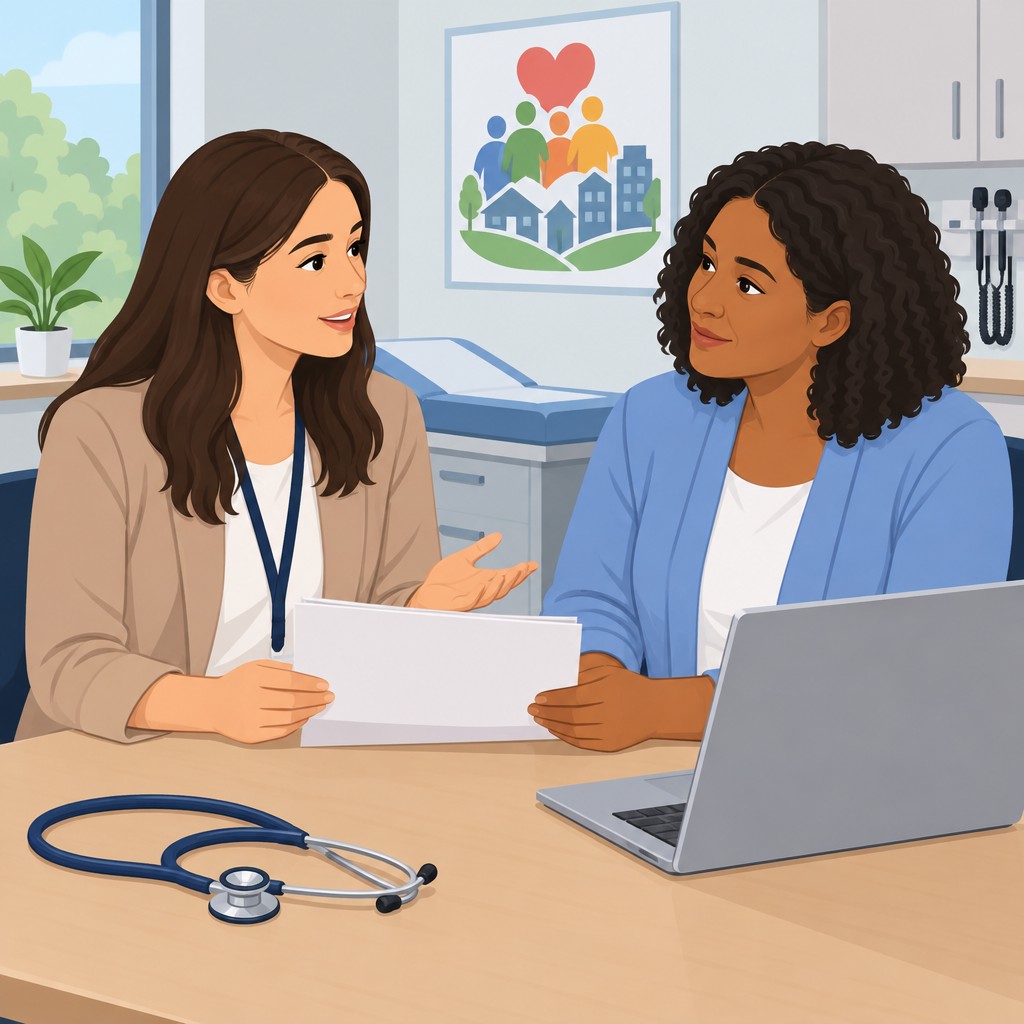
- Discuss your goals with your supervisor to align them with internship objectives.
- Next, break your goals into smaller tasks that remain manageable and trackable.
- Regularly assess your progress and adjust your plans as needed.
Seeking Feedback and Guidance from Supervisors
- Remain open to feedback and treat it as an opportunity to learn and improve.
- Schedule regular check-ins with your supervisor to discuss performance and receive feedback.
- Ask specific questions about areas requiring guidance or clarification.
- Finally, listen actively and take concrete steps to address areas for improvement.
Reflecting on Experiences to Enhance Learning
- Set aside time each week to reflect on your experiences and learning.
- Consider what went well and what you could handle differently.
- Identify key takeaways to apply to future projects.
- Share your reflections with a supervisor or mentor for additional perspective.
These practices can help you make the most of your public health social work internship or practicum.
They can also help you gain skills and experience that support your future career.
Discover More: Legal and Ethical Considerations for Case Managers
Practical Experience in Public Health Social Work
Internships and practicums help shape future careers in public health social work.
They give students opportunities to apply knowledge in real-world professional settings.
Additionally, practical experience strengthens understanding of public health social work.
Learning Through Professional Guidance
Interns work closely with professionals during their placements.
Through observation and participation, students gain insight into professional practices.
They also encounter innovative approaches that can inform their future work.
Professional Networks and Career Connections
Internships allow students to establish meaningful connections within the field.
These relationships can provide mentorship and guidance during career development.
Furthermore, professional connections may lead to future employment opportunities.
Skills Strengthened Through Field Experience
Practicums help students develop critical thinking skills.
They also strengthen problem-solving and communication abilities.
Consequently, students become better prepared for professional responsibilities.
Early Preparation for Career Success
Students benefit from seeking internships and practicums early in their education.
Early participation gives them more time to develop relevant skills.
As a result, practical experience can provide a competitive advantage in the job market.
Career Readiness Through Applied Learning
Internships and practicums prepare students for future careers in public health social work.
They combine professional learning, skill development, and relationship building.
Therefore, students should actively pursue these experiences as they plan their careers.


