




The Importance of Self-Care for Community Health Workers
Self-care helps community health workers maintain well-being and effectiveness in demanding healthcare roles.
Although workers often overlook personal care, they need it to provide quality care to others.
This section examines self-care strategies, planning methods, burnout prevention, and job satisfaction.
The Meaning of Self-Care for Community Health Workers
- Self-care involves deliberate actions that maintain physical, mental, and emotional well-being.
- These practices help individuals manage stress and promote health and wellness.
- Additionally, self-care supports personal well-being during demanding community health work.
Why Self-Care Supports Sustained Community Health Work
- Community health workers often face challenging and emotionally draining situations.
- Without proper self-care, workers may experience burnout and compassion fatigue.
- Consequently, reduced well-being can decrease their effectiveness when helping others.
- Prioritizing self-care lets workers recharge and stay motivated.
- It also helps prevent physical and mental health issues caused by prolonged stress.
Self-Care Activities That Support Community Health Workers
- Regular exercise, such as walking, jogging, or yoga, can relieve stress and improve physical health.
- Meanwhile, hobbies like painting, gardening, or reading can provide relaxation.
- Practicing mindfulness and meditation can help workers remain present, calm, and focused.
- Finally, colleagues, friends, and family can provide emotional support during challenging times.
Self-Care and Job Performance
Self-care directly supports effective job performance among community health workers.
These workers often manage stressful responsibilities while serving people with varied health needs.
Consistent personal care helps workers maintain the energy, focus, and emotional balance required during demanding workdays.
How Self-Care Supports Daily Performance
Community health workers often manage stressful responsibilities that can affect concentration and productivity.
Regular exercise can improve energy and help workers manage pressure during challenging assignments.
Healthy eating and adequate sleep help workers maintain physical energy throughout the workday.
Mindfulness practices may reduce stress and sharpen attention during demanding interactions.
Together, these habits can support reliable decision-making, effective communication, and consistent service delivery.
Self-Care and Job Satisfaction
Self-care also influences how workers experience their professional roles.
When workers feel physically and emotionally well, they can handle workplace challenges more effectively.
That greater readiness can strengthen motivation and commitment to community service.
Self-care gives workers opportunities to recover after emotionally demanding interactions.
As workers recharge, they may approach responsibilities with renewed purpose and greater satisfaction.
Research Findings on Workplace Performance
A National Institute for Occupational Safety and Health study examined wellness programs involving self-care activities.
Employees who participated reported higher job satisfaction and lower stress levels.
Research published in the Journal of Occupational Health Psychology connected exercise and mindfulness meditation with improved job performance.
The same research linked these practices to reduced absenteeism among employees in high-stress professions.
These findings support self-care as a practical contributor to performance and workplace well-being.
You Might Also Like: Certifications for Disability Services Coordinators
Consequences of Neglecting Self-Care
Neglecting self-care can expose community health workers to serious personal and professional consequences.
These effects may develop gradually while workers continue serving demanding community needs.
Therefore, recognizing warning signs can help workers seek support before their health or care quality declines.
- Increased stress and burnout
- Decreased job satisfaction
- Impaired physical health
- Emotional exhaustion
- Compassion fatigue
- Poor quality of care for patients
Signs of Burnout and Compassion Fatigue
Burnout and compassion fatigue can affect workers who face persistent stress and emotional demands.
Several warning signs may signal that a worker needs support or recovery time.
Moreover, noticing these changes early can help protect personal well-being and client relationships.
- Feelings of helplessness or hopelessness
- Irritability or anger toward colleagues or clients
- Physical symptoms such as headaches or stomach problems
- Difficulty concentrating or making decisions
- Withdrawal from social activities or work-related events
- Lack of energy or motivation
Real-Life Scenarios of Neglecting Self-Care
Real-life situations show how neglected self-care can affect workers and the communities they serve.
These examples describe escalating effects linked to long hours, emotional strain, and unaddressed needs.
They also show why workers should respond when stress begins affecting health or care.
- A worker worked long hours without breaks, developed burnout, and took medical leave.
- Another worker neglected mental and emotional health, felt disconnected from clients, and provided lower-quality care.
- In extreme cases, some workers developed substance abuse issues while coping with work-related stress and emotional strain.
- Unaddressed self-care needs can affect the worker and the entire community.
Consequently, community health workers need to prioritize well-being and seek support when necessary.
Prompt attention can help them avoid these negative outcomes and continue serving clients effectively.
Learn More: How to Excel in a Human Services Assistant Role
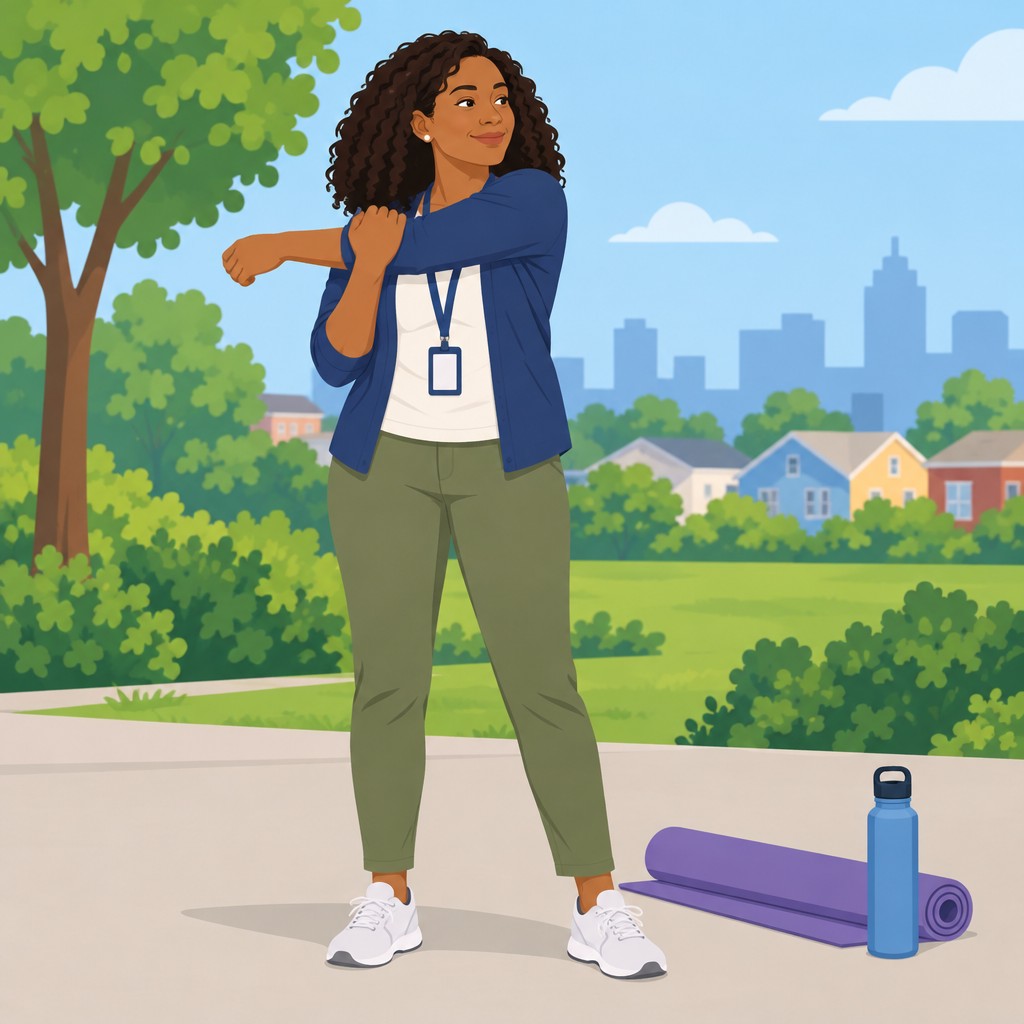
Integrating Self-Care into Daily Routines
Community health workers can build self-care into daily routines through small, consistent actions.
These actions can support relaxation while fitting around demanding responsibilities.
Furthermore, practical planning can make personal well-being easier to maintain.
Practical Self-Care Techniques
First, identify activities that bring you joy, relaxation, or a sense of renewal.
Next, schedule brief periods for those activities, even when time remains limited.
For example, a few minutes of intentional care can help you reset during busy days.
Transform Your Career Today
Unlock a personalized career strategy that drives real results. Get tailored advice and a roadmap designed just for you.
Start Now- Take a walk in nature.
- Practice meditation for a few minutes.
- Read a book or spend time with loved ones.
Resources Supporting Personal Well-Being
Additionally, digital tools can support mindfulness and relaxation during daily routines.
Mindfulness apps such as Headspace or Calm can help you include meditation regularly.
Online support groups can connect community health workers facing similar challenges.
Self-Care as a Work Responsibility
Although serving others matters, community health workers also need to protect their own well-being.
Therefore, treat self-care as an essential responsibility rather than an optional activity.
By caring for yourself consistently, you can remain compassionate and resilient while supporting your community.
Find Out More: Legal and Ethical Considerations for Case Managers
Importance of Setting Boundaries
Setting boundaries supports emotional and physical well-being for community health workers.
These limits protect workers from burnout and compassion fatigue.
Additionally, clear boundaries promote self-care, balance, professionalism, and trust.
- Protects against burnout and compassion fatigue
- Promotes self-care and work-life balance
- Establishes clear expectations and limits
- Enhances professionalism and builds trust
Boundaries with Clients, Colleagues, and Supervisors
Community health workers should communicate expectations and limitations clearly.
They can also say no when necessary and respect other people’s privacy.
When challenges arise, workers should seek appropriate support from supervisors.
- Communicate expectations and limitations clearly
- Learn to say ‘no’ when necessary
- Respect others’ boundaries and privacy
- Seek support from supervisors when needed
Communicating Personal Needs and Limitations
Assertive communication helps workers express personal needs and limitations effectively.
Using I statements allows workers to describe feelings and needs directly.
Furthermore, realistic goals and priorities help workers communicate their capacity clearly.
- Practice assertive communication
- Use ‘I’ statements to express feelings and needs
- Set realistic goals and priorities
- Seek feedback and guidance from mentors
By setting clear limits, workers can maintain balance and provide quality care.
They can also strengthen their effectiveness by seeking feedback and guidance when needed.
Gain More Insights: How to Become a Certified Domestic Violence Counselor
Self-Care Strategies for Preventing Occupational Hazards
Self-care practices help community health workers prevent occupational hazards and reduce burnout.
Moreover, self-care supports a healthy work-life balance in this demanding field.
Mindfulness, exercise, and support from others can help workers cope with challenges.
- Mindfulness can help workers manage challenges during demanding workdays.
- Regular exercise can support physical well-being and reduce occupational risks.
- Seeking support can help workers address difficulties before they affect well-being.
Sustaining Community Health Worker Well-Being
Self-care helps community health workers maintain well-being and provide quality care to their communities.
It supports their mental, physical, and emotional well-being.
Additionally, self-care helps prevent burnout, compassion fatigue, and stress-related illnesses.
As a result, workers can continue serving their communities effectively.
Workers can prioritize self-care by setting boundaries, practicing mindfulness, and seeking support.
They should also take regular breaks to protect their well-being.
Ultimately, consistent self-care strengthens personal wellness and supports better community care.


