




The Role of Juvenile Probation Officers
Juvenile probation officers supervise, guide, and monitor young people placed on probation.
They help these youth follow court orders and complete rehabilitation programs.
Additionally, officers serve as mentors and advocates during each young person’s rehabilitation.
They provide support and connect youth with resources that encourage positive changes.
Officers also work with youth and families to address issues linked to delinquent behavior.
Through regular engagement, they identify risks that may contribute to further offenses.
They then develop strategies that help young people avoid future criminal behavior.
Meanwhile, regular check-ins allow officers to monitor progress and reinforce better choices.
Probation officers collaborate with social workers, counselors, and court officials.
This teamwork supports a comprehensive approach to juvenile rehabilitation.
They also advocate for each young person’s needs within the justice system.
Furthermore, officers connect young people with necessary support services.
These responsibilities help youth navigate the justice system more successfully.
Probation officers support young people as they work toward positive changes.
Their guidance can help youth reintegrate into society and avoid further justice involvement.
Responsibilities of a Probation Officer in the Juvenile Justice System
- Supervise and monitor juvenile offenders
- Develop and implement rehabilitation plans
- Ensure compliance with court orders
Probation officers regularly assess each juvenile’s progress, conduct, and behavior during supervision.
They use these observations to identify concerns and address areas needing improvement.
Additionally, consistent monitoring helps officers respond to changing needs throughout probation.
Officers create individualized rehabilitation plans that reflect each juvenile’s needs and circumstances.
These plans may include education, counseling, or community service, depending on each juvenile’s needs.
Through these activities, officers encourage juveniles to learn from their mistakes and pursue constructive choices.
Meanwhile, officers track court-ordered conditions, including counseling attendance and completed community service hours.
They document compliance and address missed requirements through continued supervision.
This process reinforces accountability and responsibility while supporting juveniles as they navigate the legal system.
Building Relationships With Juveniles and Their Families
Strong relationships help juveniles engage more effectively with rehabilitation and reintegration efforts.
Trust encourages young people to communicate openly about their experiences and concerns.
Family involvement can reinforce positive changes and provide important support during rehabilitation.
Trust and Communication With Juveniles
Probation officers can listen carefully and invite young people to discuss their concerns.
Clear communication helps juveniles understand expectations and participate in rehabilitation.
Moreover, consistent and respectful interactions can strengthen confidence in the rehabilitation process.
Family Involvement in Rehabilitation
Families often influence a juvenile’s development, behavior, and ability to change.
Officers should engage relatives to understand family dynamics and identify underlying concerns.
This collaboration can help families support positive changes at home.
Support and Guidance for Families
Officers can connect juveniles and families with resources and counseling services.
They can also offer guidance about parenting and healthy communication techniques.
Together, these forms of support can strengthen rehabilitation and reintegration efforts.
These relationships help young people address challenges during their rehabilitation.
Family support can encourage juveniles to pursue more positive choices.
Through sustained communication, officers can help juveniles work toward a brighter future.
Find Out More: Techniques for Motivational Interviewing
Transform Your Career Today
Unlock a personalized career strategy that drives real results. Get tailored advice and a roadmap designed just for you.
Start NowCollaboration with Agencies and Professionals
Collaboration with other agencies and professionals strengthens support for juveniles in the justice system.
Probation officers work with social workers, therapists, and educators to provide comprehensive support.
These professionals combine their expertise to address the needs of juveniles.
- Work with social workers, therapists, and educators to support juveniles.
- Coordinate services and resources for juvenile offenders.
- Attend court hearings and provide updates about juvenile progress.
Probation officers also coordinate services and resources for juvenile offenders.
For example, they may arrange counseling, educational programs, or vocational training opportunities.
Consequently, juveniles can access resources that support their development and progress.
Probation officers also attend court hearings concerning the juveniles they supervise.
During these hearings, officers provide information about each juvenile’s progress.
This information helps judges and court officials make decisions about juvenile cases.
Through this collaboration, probation officers help juveniles receive appropriate support throughout the legal process.
Delve into the Subject: Victim Advocacy in Rural vs. Urban Areas
Assessing the Needs of Juvenile Offenders
Assessing juvenile offenders helps probation officers identify underlying issues and challenges.
First, officers conduct thorough assessments to understand each juvenile’s circumstances.
They use this information to develop individualized treatment plans for each juvenile.
These plans address mental health issues, substance abuse problems, educational gaps, and family dynamics.
Moreover, officers tailor interventions to each juvenile’s specific needs and challenges.
Regular check-ins allow officers to monitor progress and evaluate treatment effectiveness.
When necessary, officers revise goals, introduce interventions, or provide additional resources.
Consequently, ongoing assessment supports rehabilitation and successful reintegration into society.
- Conduct assessments to identify underlying issues and challenges.
- Develop individualized treatment plans based on each juvenile’s needs.
- Monitor progress and adjust treatment plans when necessary.
Gain More Insights: Community Health Workers in Minority Health Initiatives
Enforcing Rules and Supporting Positive Change
Probation officers enforce rules within the juvenile justice system.
They clarify expectations and respond when juveniles violate probation conditions.
At the same time, officers encourage choices that support rehabilitation.
Setting Clear Expectations
Probation officers explain the rules that juveniles must follow during probation.
Clear instructions help juveniles understand the requirements placed on them.
Consequently, juveniles can make informed decisions about their behavior.
Enforcing Consequences
When juveniles violate probation terms, officers enforce appropriate consequences.
Consequences may include community service or extended probation periods.
In some cases, authorities may place juveniles in detention facilities.
Encouraging Positive Behavior
Probation officers encourage positive behavior through support and guidance.
They also provide resources that can help juveniles succeed during probation.
Furthermore, officers reinforce the benefits of responsible choices.
Discouraging Negative Behavior
Probation officers address negative behavior promptly when problems arise.
They apply appropriate consequences to discourage repeated violations.
This response helps juveniles recognize the effects of undesirable actions.
Promoting Rehabilitation Through Accountability
Rule enforcement helps maintain order within the juvenile justice system.
It also supports rehabilitation by connecting behavior with clear consequences.
Through accountability, probation officers guide juveniles toward positive change.
Guiding Juveniles Toward Positive Change
Probation officers serve as mentors and role models during enforcement.
They help juveniles avoid further involvement in the legal system.
Transform Your Career Today
Unlock a personalized career strategy that drives real results. Get tailored advice and a roadmap designed just for you.
Start NowUltimately, balanced enforcement combines accountability with encouragement and support.
Discover More: Day in the Life of an Employment Specialist
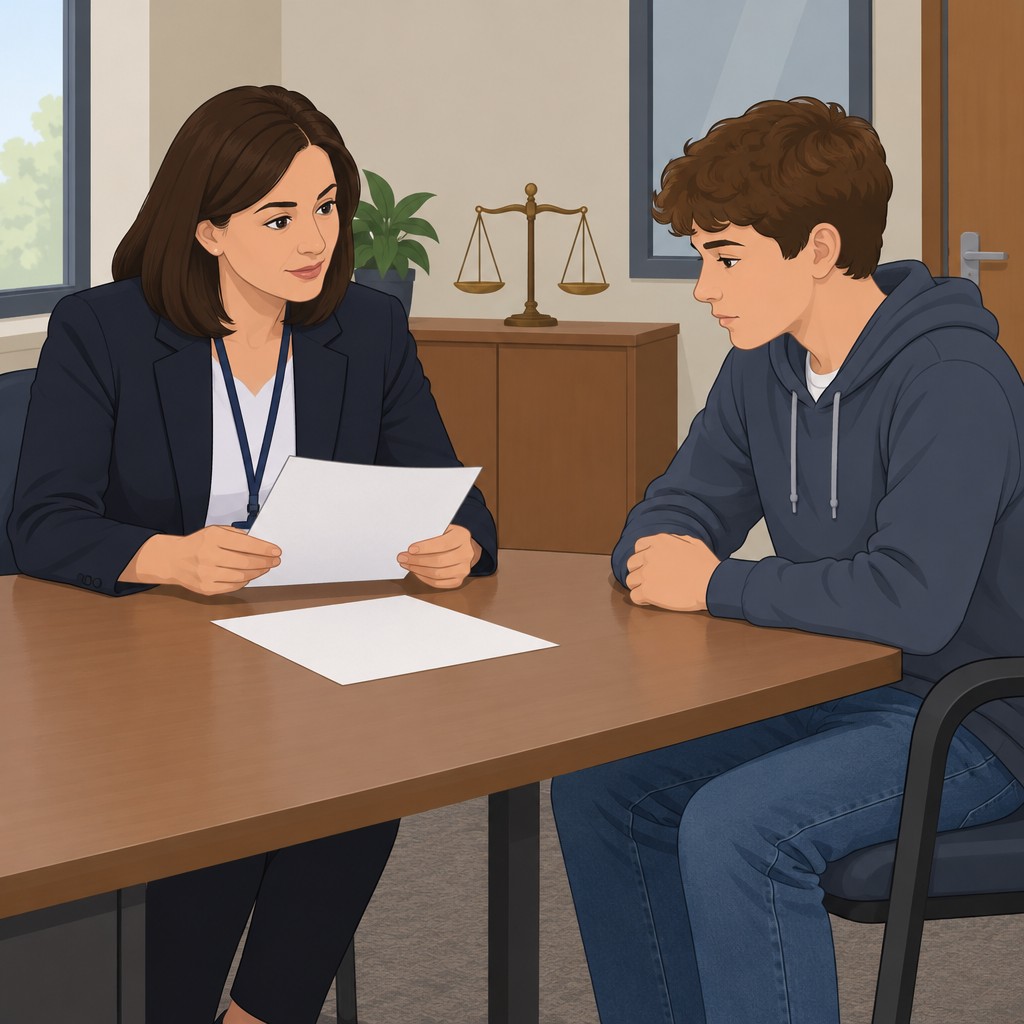
Resources and Support for Juvenile Rehabilitation
Probation officers provide resources that support juvenile rehabilitation and successful reintegration into society.
They help young offenders address practical challenges while pursuing positive changes.
These efforts can help juveniles build stable futures and avoid returning to crime.
- Connect juveniles with educational and vocational opportunities
- Offer counseling and therapy services as needed
- Assist in finding housing and other basic necessities
Educational and Vocational Opportunities
Probation officers connect juveniles with educational and vocational opportunities.
They may help young people enroll in school programs or vocational training courses.
They can also connect juveniles with job placement services.
Education and job skills can empower young offenders to build better futures.
Counseling and Therapy Services
Many juveniles in the justice system have experienced trauma or mental health challenges.
Counseling and therapy can address issues that contribute to delinquent behavior.
These services give young offenders support as they heal and make positive changes.
Professional guidance can also help juveniles develop healthier coping mechanisms.
Housing and Basic Necessities
Many young offenders struggle to find stable housing and meet basic needs.
Probation officers help juveniles explore housing options and financial assistance programs.
They also connect young people with community resources for food and clothing.
Safe and stable living conditions create a foundation for rehabilitation.
These resources can also reduce challenges that contribute to repeated offending.
Through practical support, probation officers help juveniles pursue healthier and more stable lives.
Responding to Crises and Emergencies
Juvenile probation officers must remain ready to address urgent situations involving young people under their supervision.
Swift action can protect juveniles and others when behavior escalates or immediate risks emerge.
Effective responses combine assessment, support, communication, and coordination with appropriate agencies.
- Officers respond to emergencies and critical situations involving juveniles.
- They provide crisis intervention and support during difficult moments.
- They coordinate with law enforcement and other agencies to protect juveniles.
Officers stay available for emergencies and critical situations involving juveniles on their caseloads.
They respond promptly when a juvenile threatens personal safety or the safety of others.
During each incident, officers assess circumstances and choose appropriate immediate actions.
During a crisis, probation officers provide intervention and emotional support.
They de-escalate conflicts and help juveniles manage challenging situations.
They also connect juveniles with resources that address immediate needs.
Probation officers coordinate with law enforcement and other agencies during emergencies.
They share relevant information and organize responses that prioritize juvenile safety.
Through collaboration, they help protect the well-being of juveniles in their care.
Prepared, proactive, and collaborative responses help officers address emergencies effectively.
Juvenile Probation Officers’ Lasting Impact
Juvenile probation officers remain vital to the juvenile justice system.
They balance mentorship, advocacy, accountability, and rehabilitation while helping young people pursue constructive futures.
Their work connects court expectations with opportunities for personal growth and community reintegration.
Rehabilitation and support help juvenile offenders address challenges and develop more positive behaviors.
Individualized treatment and restorative justice can help prevent recidivism and encourage lasting progress.
Despite high caseloads, limited resources, and complex family dynamics, officers continue serving youth with persistence.
Seeing young people change their behavior can make this work deeply rewarding.
Officers also gain fulfillment by empowering juveniles to make better choices and pursue redemption.
Transform Your Career Today
Unlock a personalized career strategy that drives real results. Get tailored advice and a roadmap designed just for you.
Start Now


