




Legal Boundaries for Private Investigators
Private investigators gather information for many purposes.
They must respect legal limits while performing surveillance and other investigative tasks.
Following those limits protects credibility, clients, and investigative integrity.
Privacy Rights During Investigations
Private investigators must respect individual privacy rights during surveillance and investigations.
They cannot trespass on private property to obtain information.
They must also avoid invasive methods that violate lawful privacy protections.
Restrictions on Impersonation
Private investigators cannot impersonate law enforcement officers or government officials.
They also cannot pretend to be other individuals while gathering information.
Such conduct can create serious legal consequences for the investigator.
Prohibited Investigative Methods
Private investigators must not engage in illegal activities during their work.
They cannot hack electronic devices, conduct illegal wiretapping, or bribe individuals.
These actions can violate privacy laws and expose investigators to criminal charges.
Confidentiality Responsibilities
Private investigators must protect client confidentiality throughout every investigation.
They must also safeguard the information gathered during their work.
Disclosing sensitive information without consent can create legal consequences.
Licensing and Regulatory Compliance
Private investigators must obtain licenses before practicing in their state.
They must follow the regulations established by licensing authorities.
Operating without proper licensing can result in fines and legal penalties.
Lawful Evidence Collection
Private investigators must gather evidence ethically and legally.
They must follow proper procedures when collecting and handling evidence.
These procedures help ensure that evidence remains admissible in court.
Professional Integrity in Investigative Work
Private investigators can support legal proceedings when they follow applicable restrictions.
They protect their clients by conducting investigations within legal boundaries.
Ethical compliance enables investigators to work effectively while upholding the law.
Private investigators must follow legal limitations that support ethical practices and protect everyone involved.
Licensing requirements represent one important safeguard within the investigative profession.
Licensing Requirements for Private Investigators
Many states require private investigators to obtain licenses before offering investigative services.
The licensing process commonly includes background checks, professional training, and a state examination.
These requirements help confirm that investigators understand relevant laws and professional regulations.
- Explanation of the licensing process for private investigators
- Discussion of the importance of operating with a valid license
- Examples of states with strict licensing requirements
Why Licenses Matter
A license indicates that an investigator has satisfied required qualifications.
It also demonstrates knowledge needed to conduct investigations ethically and within legal boundaries.
Additionally, licensing can strengthen credibility with clients and support professional relationships with law enforcement agencies.
Operating without a license may result in fines, penalties, or criminal charges.
States with Strict Licensing Standards
California, Texas, New York, and Florida maintain strict licensing standards for private investigators.
In California, applicants must satisfy education and experience criteria, pass a state examination, and complete a background check.
Texas requires training, fingerprinting, and thorough vetting before investigators receive approval.
Licensed Texas investigators must also follow high ethical standards and strict investigative guidelines.
New York and Florida use rigorous background checks, education requirements, and continuing training to maintain licensure.
These standards support consumer protection by limiting investigative work to qualified professionals.
Privacy Laws
Privacy laws guide how private investigators conduct their work.
Transform Your Career Today
Unlock a personalized career strategy that drives real results. Get tailored advice and a roadmap designed just for you.
Start NowThese rules shape investigative methods and protect individual privacy.
Violations can create serious legal consequences for investigators.
Key Privacy Laws for Private Investigators
Private investigators must follow strict guidelines during their investigations.
The Fourth Amendment protects people from unreasonable government searches and seizures.
Therefore, investigators must respect privacy rights while performing their duties.
Impact of Privacy Laws on Investigative Methods
Privacy laws directly influence the methods investigators may use.
For example, investigators cannot trespass on private property.
Furthermore, they cannot access personal information without consent.
These limits require legal and ethical information-gathering methods.
Examples of Privacy Law Violations
Some investigators have crossed legal boundaries while seeking information.
Illegal wiretapping and unauthorized surveillance can violate privacy laws.
Such conduct may lead to criminal charges and legal penalties.
Accordingly, investigators should stay informed and act lawfully.
Discover More: Real-life Stories of K-9 Officers and Their Dogs
Legal Requirements for Surveillance
Private investigators must understand legal requirements before beginning surveillance.
They should obtain consent or authorization from the person being observed.
Additionally, investigators should conduct surveillance only in public places without a reasonable expectation of privacy.
Restrooms, locker rooms, and private residences generally fall outside those appropriate locations.
Therefore, investigators must collect evidence lawfully and ethically.
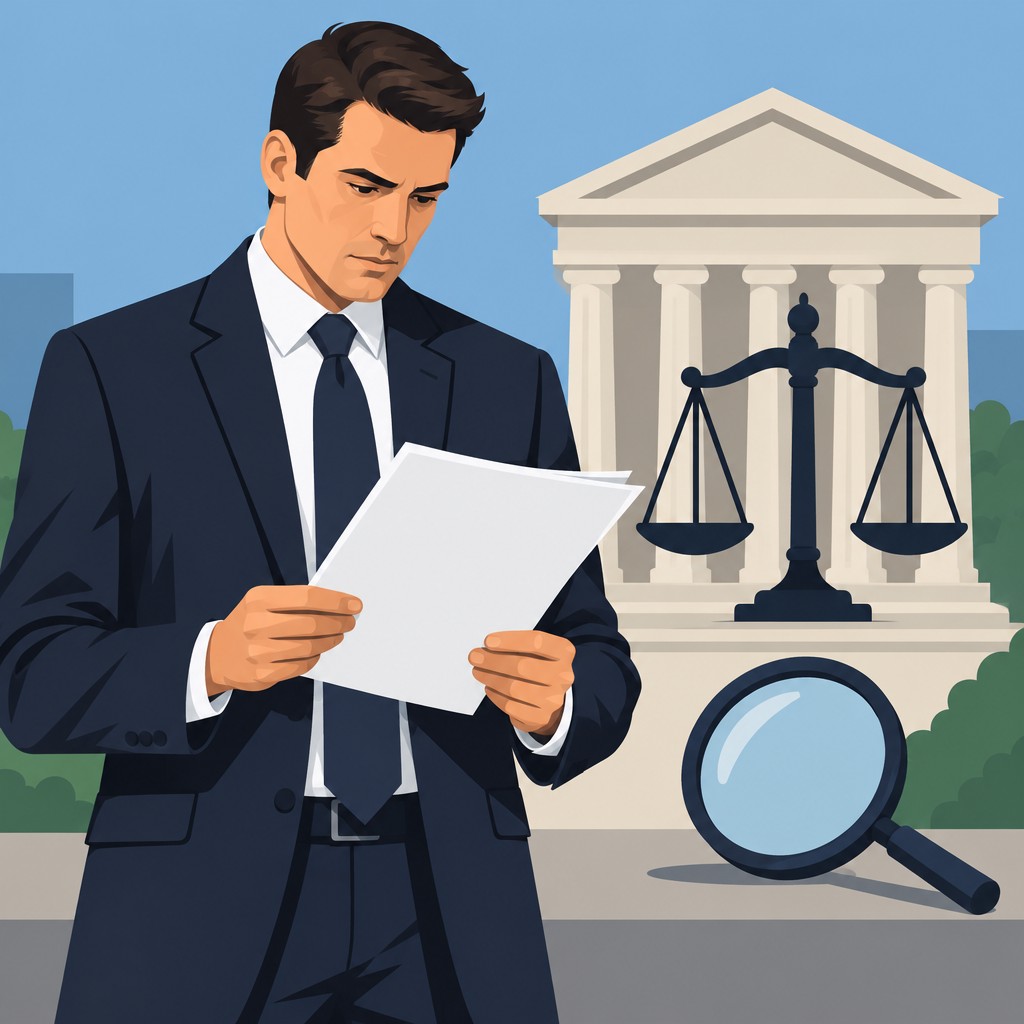
Boundaries and Prohibited Conduct
Surveillance must remain within legal boundaries and respect each person’s rights.
Investigators should avoid invading privacy or harassing the person under observation.
They must also avoid stalking, intimidation, and threatening behavior.
Instead, professionals should work discreetly and maintain appropriate conduct.
Furthermore, investigators must not use wiretapping, hacking, or trespassing to obtain information.
These methods can violate the law and undermine ethical investigative practices.
Legal Consequences of Improper Surveillance
Improper surveillance can expose private investigators to legal action.
For example, one investigator faced a lawsuit after conducting surveillance without consent.
The case also involved an alleged invasion of the observed person’s privacy.
In another example, an investigator faced conviction for wiretapping and hacking private communications.
Those actions produced severe legal consequences for the investigator.
Consequently, investigators should follow applicable limitations during every surveillance assignment.
Explore Further: Impact of Regulations on Nuclear Security Officers
Accessing Personal Information
Private investigators may access personal information while gathering evidence or serving clients.
They must follow legal requirements when collecting, using, and protecting personal data.
Ethical conduct also protects individual privacy, investigative credibility, and professional integrity.
- Federal laws regulate access to personal information.
- Ethical standards guide responsible data use.
- Illegal access can create serious professional consequences.
Fair Credit Reporting Act Requirements
The Fair Credit Reporting Act regulates consumer information, including credit reports.
The law governs how organizations collect, share, and use consumer information.
Investigators need a permissible purpose before accessing credit reports.
A legitimate business need or legal proceeding may provide that permissible purpose.
Investigators must also verify that collected information remains accurate and current.
Transform Your Career Today
Unlock a personalized career strategy that drives real results. Get tailored advice and a roadmap designed just for you.
Start NowThey should protect accessed information against improper disclosure or security failures.
Ethical Standards for Personal Data
Investigators should obtain information through lawful and ethical methods.
They must respect the privacy and rights of people involved in investigations.
When necessary, investigators should obtain consent before collecting personal information.
They should use collected information only for its intended investigative purpose.
For example, investigators should avoid pretexting and false pretenses.
These practices can undermine trust and compromise investigative credibility.
Consequences of Illegal Information Access
Investigators who illegally obtain personal information may face criminal charges.
They may also encounter civil penalties, lawsuits, and professional damage.
Licensing authorities may suspend or revoke an investigator’s license.
Fraudulent methods, hacking, or false identities can support identity theft or fraud charges.
Courts may exclude illegally obtained information from related proceedings.
Such conduct may also lead to case dismissal or sanctions against the investigator.
Delve into the Subject: Understanding the DEA's Role in the War on Drugs
Deceptive Practices
Private investigators face strict legal limits when they gather information for clients.
Deceptive practices can undermine evidence, professional integrity, and compliance with applicable laws.
Therefore, investigators should use lawful and ethical methods throughout every investigation.
Legal Restrictions on Deceptive Practices
Investigators must not misrepresent themselves or lie to obtain information.
False pretenses, fake identities, and misleading statements can create serious legal problems.
Furthermore, investigators must conduct undercover operations ethically and within legal boundaries.
- Investigators cannot use deceptive practices to gather evidence unlawfully.
- False pretenses may compromise the reliability and admissibility of collected evidence.
- Ethical undercover work requires investigators to respect applicable legal restrictions.
- Deceitful methods can damage an investigation’s integrity and courtroom value.
Consequences of Deceitful Investigative Methods
Deceitful methods can weaken evidence and expose investigators to serious legal consequences.
Additionally, affected individuals may pursue civil remedies for harm caused by deceptive tactics.
Such conduct can also reduce an investigator’s credibility and harm future professional opportunities.
- Investigators may face fines, license suspension, or criminal charges.
- Individuals subjected to deceptive tactics may file civil lawsuits for damages.
- Deceptive conduct can damage an investigator’s professional reputation.
Examples of Legal Action Against Investigators
Several examples demonstrate how deceptive practices can lead to legal action against private investigators.
These examples involve impersonation, unlawful surveillance, trespassing, and invasion of privacy.
They also show why investigators must protect professional integrity while following legal standards.
- One investigator posed as a law enforcement officer and faced impersonation charges.
- Another investigator used illegal surveillance during a divorce case, causing the court to reject the evidence.
- A third investigator misrepresented their identity to enter private property and faced related civil claims.
Learn More: Physical Fitness for Campus Security Officers
Reporting Requirements
Private investigators must report their findings to clients or appropriate authorities.
They must present accurate information throughout the reporting process.
Failure to follow reporting requirements can create serious legal consequences.
- Private investigators must report their findings to clients or authorities.
- Accurate and truthful reporting protects investigative integrity.
- Failure to comply with reporting requirements can create serious legal consequences.
Regulations for Reporting Findings
Private investigators must follow specific guidelines when reporting findings to clients or authorities.
These regulations promote transparency, accuracy, and accountability during investigations.
Investigators should provide clients with detailed and factual information about investigative results.
Reports should document collected evidence, recorded observations, and conclusions drawn from the investigation.
When authorities require reports, investigators must follow applicable procedures and submission deadlines.
Some investigations require testimony or written reports for use during legal proceedings.
Following reporting regulations helps preserve the admissibility and credibility of investigative findings.
Importance of Accurate and Truthful Reporting
Accurate reporting establishes the validity and reliability of information gathered during investigations.
Clients rely on investigative findings when making decisions, pursuing legal action, or protecting their interests.
Accurate reports also strengthen an investigator’s professional reputation and credibility.
Transform Your Career Today
Unlock a personalized career strategy that drives real results. Get tailored advice and a roadmap designed just for you.
Start NowInaccurate or misleading information can damage the investigator’s reputation and undermine professional integrity.
Opposing parties may challenge investigative reports during legal proceedings.
Inconsistencies can weaken evidence and reduce confidence in the presented case.
Investigators should document every finding accurately to maintain trust with clients and authorities.
Consequences of Reporting Failures
Some private investigators have faced legal and ethical consequences after violating reporting requirements.
One investigator withheld crucial evidence from a client.
That omission led to a lawsuit alleging negligence and breach of contract.
The failure also damaged the investigator’s relationship with the client.
Another investigator falsified reports to exaggerate investigative results.
Legal proceedings exposed the deception and prompted disciplinary action.
The investigator also faced potential criminal charges.
Incomplete documentation can create challenges concerning evidence admissibility.
Investigators must therefore report findings accurately, completely, and ethically.
Collaboration with Law Enforcement
Private investigators often work closely with law enforcement agencies to gather information and evidence for cases.
This collaboration can benefit both parties by supporting more comprehensive investigations.
However, private investigators must follow legal limitations when working with law enforcement.
Guidelines for Collaborating with Law Enforcement Agencies
Private investigators should follow clear guidelines when collaborating with law enforcement agencies.
These guidelines help investigators act lawfully and ethically during joint investigative efforts.
They also support cooperation while protecting sensitive information and jurisdictional authority.
- Private investigators must obtain proper authorization before working with law enforcement agencies on a case.
- They must respect the jurisdictional boundaries of law enforcement agencies.
- They must follow applicable rules and regulations during their collaboration.
- Private investigators must protect confidential information from unauthorized disclosure.
Legal Boundaries for Private Investigators
Private investigators must understand the legal boundaries that apply during cooperation with law enforcement agencies.
They must gather evidence lawfully and avoid actions that could obstruct justice.
Following these boundaries protects investigations, professional integrity, and the rights of everyone involved.
- Private investigators cannot impersonate law enforcement officers.
- They cannot use tactics that mislead others about their identity or authority.
- They must not obtain evidence through illegal activities.
- They must not interfere with ongoing police investigations.
- They must not obstruct justice in any way.
Examples of Successful Collaboration
Private investigators and law enforcement agencies have collaborated successfully in several types of investigations.
These collaborations can combine specialized investigative skills with law enforcement resources.
When investigators follow legal boundaries, their work can support accurate and effective investigations.
- Private investigators have assisted law enforcement with missing persons cases.
- They have used specialized skills and resources to help locate missing persons.
- They have gathered evidence for criminal cases.
- That evidence has contributed to successful prosecutions.
- Private investigators have supported surveillance operations for law enforcement agencies.
- Their surveillance work has provided valuable information for investigations.
Lawful collaboration can strengthen investigations while preserving ethical standards and legal protections.
Legal Limits on Private Investigations
Private investigators play a crucial role in various investigations.
They must follow strict legal limitations during their work.
These limits help them maintain ethical standards and avoid legal consequences.
Confidentiality: Investigators must protect client information and keep it confidential.
Permissible Methods: Investigators must use only legal and ethical methods to gather information.
Respect for Privacy: They cannot invade an individual’s privacy rights during an investigation.
Impersonation: Private investigators cannot pose as law enforcement officers or other officials.
Obtaining Information: Investigators cannot obtain information through illegal methods, including hacking or wiretapping.
Documentation: Investigators must accurately document every piece of evidence and information they gather.
Testifying in Court: Investigators must prepare to testify in court and present evidence legally.
Use of Resources: Investigators must use resources ethically and within legal boundaries.
By following these limits, investigators uphold ethical standards.
This conduct helps them avoid legal consequences.
Additional Resources
Google search results for Legal Limitations Private Investigators Must Follow Protective Services
Transform Your Career Today
Unlock a personalized career strategy that drives real results. Get tailored advice and a roadmap designed just for you.
Start NowBing search results for Legal Limitations Private Investigators Must Follow Protective Services


