




Press Secretary Responsibilities
A press secretary manages communication between an organization and the public.
This professional manages information flow and influences media narratives.
Therefore, press secretaries help organizations maintain credibility and a positive public image.
Who Is a Press Secretary?
A press secretary serves as an organization’s spokesperson.
They connect journalists with public figures and organizational leaders.
Additionally, they answer media questions and monitor press coverage.
They also provide clear, accurate information during important events.
Core Duties and Communication Strategies
Press secretaries primarily create press releases for their organizations.
They ensure every statement supports the organization’s goals.
Consequently, their communication shapes the public narrative surrounding the organization.
They also organize press conferences and other public events.
Furthermore, press secretaries prepare employers for interviews and speaking engagements.
This preparation includes developing key messages and anticipating journalists’ questions.
Press secretaries also train organizational representatives in effective communication.
They promote clarity, openness, and engagement during public discussions.
Media Relationships and Crisis Communication
Press secretaries regularly communicate with journalists and build professional relationships.
These relationships can encourage constructive media coverage.
Moreover, strong professional networks support trust between organizations and journalists.
This trust becomes especially valuable during crises or sensitive situations.
Press secretaries often work long hours in demanding environments.
They make quick decisions while responding to changing circumstances.
Unexpected events may require immediate and carefully prepared responses.
Therefore, successful press secretaries remain calm, focused, and adaptable.
Work Environment and Essential Skills
Press secretaries often work in busy offices with constant activity.
They manage colleagues, reports, phone calls, and incoming information.
As a result, they need strong organization and multitasking abilities.
Successful press secretaries demonstrate excellent communication and strategic thinking.
They also apply crisis management skills when difficult issues arise.
Ultimately, press secretaries must stay informed and prepared.
Their ability to manage communication influences how the public views their organizations.
The role of a press secretary involves several key responsibilities.
These responsibilities form the foundation of daily activities.
A press secretary connects an organization with the public.
They manage media relations, prepare press releases, and handle inquiries.
Responsibilities of a Press Secretary
- Drafting Press Releases: A press secretary regularly writes and distributes press releases.
- Media Relations: They build and maintain positive relationships with journalists.
- Spokesperson Duties: They frequently serve as the organization’s spokesperson.
- Managing Inquiries: They handle media inquiries efficiently and respond quickly.
- Strategic Communication: They develop communication plans that support organizational goals and public expectations.
- Monitoring Coverage: They track media coverage to understand public perception.
- Working with Other Departments: They collaborate with marketing, legal, and executive teams.
- Crisis Management: They prepare statements and manage communication during crises.
- Speechwriting: They may write speeches for executives and reflect organizational values.
- Event Coordination: They organize press events and conferences, including logistics and follow-up.
Effective communication skills remain critical for a press secretary.
Leaders in this role need strong verbal and written abilities.
They must convey complex information clearly.
Their effectiveness can significantly influence public perception.
Importance of Effective Communication Skills
- Clarity of Message: Press secretaries must deliver clear and precise messages.
- Building Trust: Effective communication fosters trust between organizations and the media.
- Audience Awareness: Understanding the audience helps press secretaries tailor their messages.
- Empathy: Press secretaries demonstrate empathy when addressing concerns.
- Active Listening: Active listening helps them address questions accurately.
- Conflict Resolution: Strong communication skills support constructive conflict resolution.
- Creative Storytelling: Engaging narratives can capture media attention and public interest.
- Adaptability: Press secretaries adjust communication styles for different situations.
- Persuasion: Persuasive communication can influence opinions and support organizational viewpoints.
- Non-verbal Communication: Body language and tone can strengthen or weaken verbal messages.
The work environment of a press secretary remains dynamic and unpredictable.
They work in fast-paced settings where information changes quickly.
Transform Your Career Today
Unlock a personalized career strategy that drives real results. Get tailored advice and a roadmap designed just for you.
Start NowDaily tasks may shift according to current events and organizational needs.
The role requires initiative and quick thinking.
Characteristics of a Press Secretary’s Work Environment
- Fast-Paced: Press secretaries respond quickly and stay ahead of emerging stories.
- Collaborative: They work closely with executives and media relations teams.
- High-Pressure: Tight deadlines and high stakes require composure under stress.
- Public Interaction: They regularly engage with the public and media.
- Technology Utilization: Digital and social media tools support outreach and engagement.
- Continuous Learning: Staying updated on news and industry trends supports effective communication.
- Crisis Readiness: Established protocols guide prompt responses during crises.
- Detail-Oriented: Attention to detail helps ensure accurate communications.
- Ethical Standards: Ethical communication supports lasting trust with the media and public.
- Feedback Reception: Accepting feedback helps press secretaries improve their skills.
This environment challenges press secretaries to manage varied duties effectively.
They must combine communication skills with adaptability.
Their daily work requires accuracy, preparation, and composure.
The Press Secretary Work Environment
A press secretary’s work environment changes rapidly and demands sustained attention.
News developments can redirect communication priorities within moments.
This setting requires adaptable planning, careful organization, and calm responses.
The Fast-Paced Nature of the Job
The fast-paced nature of this job keeps press secretaries constantly prepared.
Meanwhile, ongoing developments demand immediate attention and flexible communication.
Consequently, press secretaries must manage competing priorities without losing accuracy.
- Constant news cycles bring important developments at every hour.
- Real-time responses require press secretaries to issue clear statements quickly.
- Daily briefings require thorough preparation and spontaneous responses.
- Changing situations can alter communication strategies without warning.
- Multitasking requires attention to reporters, releases, and public communications.
To manage this pace, press secretaries rely on strong organizational skills.
A structured plan helps them handle numerous tasks efficiently.
They keep essential documents and information organized for quick access.
Additionally, technology accelerates how information reaches the public.
Social media monitoring helps press secretaries track discussions across multiple platforms.
Proactive preparation also helps them anticipate questions and rehearse possible answers.
High-Pressure Situations in Public Communication
Press secretaries regularly face situations that demand quick thinking and resilience.
Crisis conditions can intensify rapidly and require immediate public communication.
Under pressure, accurate messaging must remain clear, measured, and timely.
- Crisis communication requires an immediate response when events escalate.
- Breaking news demands swift clarification of the government’s position.
- Negative coverage requires responses that address criticism and protect the organization.
- Public scrutiny places every statement under close examination.
- Internal conflicts can produce contradictory messages between departments.
During crises, press secretaries coordinate closely with senior officials.
They develop public messaging strategies that clarify misunderstandings and reduce potential damage.
When breaking news appears, they assess events and explain relevant effects accurately.
Careful reporting helps communicate facts without creating unnecessary panic.
When negative coverage emerges, press secretaries correct misinformation and clarify confusion.
Open communication can help rebuild public trust during difficult periods.
Furthermore, press secretaries mediate internal discussions to maintain consistent messages.
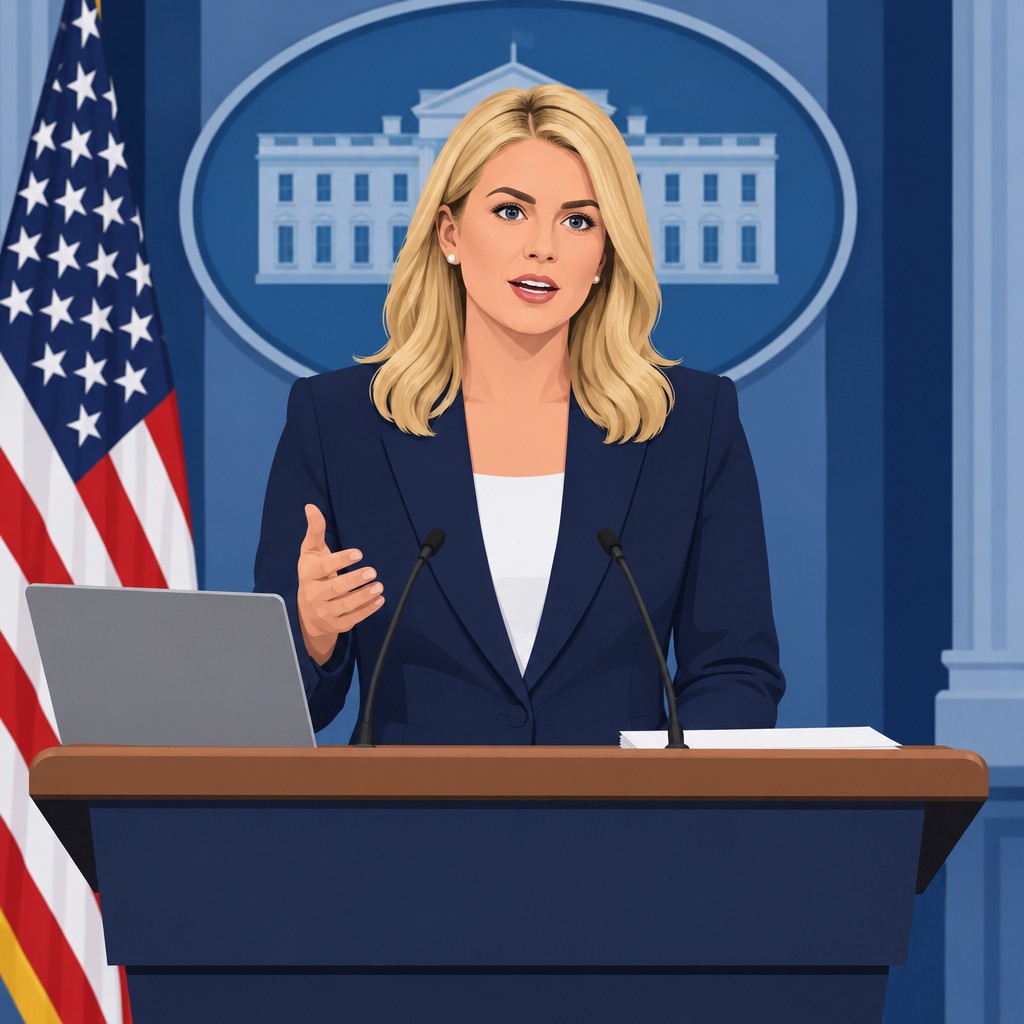
Skills Required for Sustained Performance
This work environment demands agility, resilience, and disciplined communication.
Each day can bring different developments, questions, and public concerns.
Successful press secretaries respond under pressure while preserving accuracy and consistency.
Their communication, organization, and crisis management skills support effective performance.
Explore Further: Web Content Manager: The Importance of Content Diversity
Press secretaries work in dynamic environments.
They manage media relationships as part of their daily communications.
Strong relationships can shape public perception of an organization or leader.
This section presents strategies for creating lasting media connections.
Building Relationships with Journalists and Reporters
Press secretaries can build rapport with journalists through intentional and consistent effort.
They should identify reporters who cover relevant issues, trends, and stories.
Personal communication helps press secretaries develop meaningful professional connections.
- Understand the Media Landscape: Identify journalists who cover relevant issues, trends, and stories.
- Use Personal Outreach: Reach out personally through a brief email or phone call.
- Attend Media Events: Attend conferences, panel discussions, and networking events to meet journalists directly.
- Offer Exclusive Content: Provide exclusive interviews, insights, or behind-the-scenes content.
- Stay Responsive: Respond promptly to media inquiries to demonstrate professionalism and build trust.
- Maintain Open Communication: Continue dialogue and remain available before deadlines.
- Practice Transparency: Discuss challenges or issues honestly to strengthen credibility.
- Show Appreciation: Thank journalists for important contributions or coverage.
These approaches emphasize direct interaction with journalists.
Transform Your Career Today
Unlock a personalized career strategy that drives real results. Get tailored advice and a roadmap designed just for you.
Start NowBy understanding coverage areas, press secretaries can tailor communications effectively.
Consistent contact also helps both sides exchange useful information.
Strategies for Managing Media Relations Effectively
Effective media management requires careful planning and strategic execution.
Press secretaries can use several practices to support successful communication.
These practices help organizations respond clearly across changing media situations.
- Develop a Media Contact List: Record journalists’ contact details, specialties, and previous interactions.
- Craft Clear Messaging: Prepare concise messages that align with organizational goals and values.
- Use Social Media: Share relevant articles and engage with journalists’ content online.
- Host Media Briefings: Arrange briefings that provide journalists with timely access to key personnel.
- Prepare for Crises: Create a communication plan for addressing potential issues quickly.
- Monitor Media Coverage: Review coverage to understand how journalists portray organizational work.
- Build a Story Bank: Organize success stories, data, and case studies for reporters.
- Encourage Two-Way Feedback: Ask journalists about their experiences and improve practices accordingly.
Together, these practices create a systematic approach to media relations.
They also support a professional reputation and more effective communication.
Press secretaries can strengthen their approach by reviewing journalist feedback.
Media relationships require time, commitment, and adaptability.
Each connection can provide valuable insights and opportunities for coverage.
Therefore, press secretaries should assess their strategies regularly.
The relationship should evolve through mutual respect and understanding.
Effective media relations extend beyond press releases.
They shape public perception and influence narrative creation.
Gain More Insights: Finding Your Unique Voice as a Content Creator
Technology and Software Used by Press Secretaries
Press secretaries rely on technology to manage communications and organize demanding workflows.
These tools support content creation, collaboration, media monitoring, and public engagement.
They also help press secretaries coordinate information across multiple communication channels.
- Content management systems organize press releases, speeches, and other communications.
- Media monitoring tools such as Meltwater and Cision track coverage across news outlets.
- Social media software such as Hootsuite manages multiple accounts and scheduled posts.
- Email platforms such as Microsoft Outlook and Gmail support stakeholder correspondence.
- Video conferencing platforms such as Zoom and Microsoft Teams support virtual press briefings.
- Google Docs and Microsoft Word support document drafting and real-time collaboration.
- Analytics tools such as Google Analytics measure website traffic and message engagement.
- Canva and Adobe Creative Suite help create visual materials for public communications.
- Trello and Asana help organize projects, track tasks, and meet deadlines.
Why Current Events Matter in Press Secretary Work
Technology alone cannot support effective communication without timely awareness of current events.
Press secretaries monitor news developments so they can respond accurately and maintain message relevance.
This awareness helps them prepare responses, address crises, and engage journalists with confidence.
- Current events help press secretaries anticipate questions and prepare timely responses.
- News context helps them tailor messages to ongoing public discussions.
- Accurate references to current events strengthen credibility with journalists.
- Awareness of developing crises supports fast responses and helps limit misinformation.
- News developments help press secretaries create strategic and relevant messages.
- Knowledgeable discussions about news can strengthen relationships with journalists.
- Awareness of public trends helps shape favorable organizational narratives.
- Current news guides timely social media engagement and online responses.
- Informed press secretaries can prepare for policy changes affecting their organizations.
Technology streamlines daily tasks while current awareness strengthens communication decisions.
Together, these resources help press secretaries provide clear, timely, and trustworthy information.
Effective tool use and news awareness support stronger communication between government and the public.
Gain More Insights: Print Production Manager: Job Outlook and Demand
Challenges Faced by Press Secretaries
Press secretaries navigate a complex professional landscape.
They manage officials’ public images while responding to changing communication demands.
Two major challenges involve privacy concerns, crises, and negative publicity.
Balancing Transparency with Privacy Concerns
Transparency remains an important principle in public service.
Citizens deserve information about government activities.
However, press secretaries must protect sensitive information while maintaining public accountability.
They must also communicate clearly when privacy limits disclosure.
- Understanding the Law: Public records laws determine which information officials must disclose.
- Determining Relevance: Press secretaries evaluate information before sharing it publicly.
- Managing Expectations: Clear communication helps manage public and media expectations.
- Balancing Act: Press secretaries protect confidential matters while supporting government transparency.
- Internal Communication: Open internal communication clarifies which information teams can share.
Press Secretaries and Information Control
Press secretaries decide which details officials should disclose or withhold.
They prioritize the public’s right to know while safeguarding sensitive information.
Therefore, a poor decision can create public or media backlash.
Dealing with Crises and Negative Publicity
Crisis management represents another core responsibility for press secretaries.
They often address situations that could damage public trust.
A swift, accurate response can limit confusion during difficult moments.
- Immediate Response: Press secretaries act quickly to reduce potential damage.
- Gathering Facts: They coordinate with departments to obtain accurate information.
- Crafting Statements: Clear statements convey important messages in a calm tone.
- Media Relations: Press secretaries engage journalists throughout the crisis.
- Long-Term Strategy: Consistent communication helps rebuild trust after a crisis.
The Press Secretary’s Role in Crisis Navigation
Effective crisis management requires strong communication skills and quick thinking.
Press secretaries use their responses to shape public perception.
Transform Your Career Today
Unlock a personalized career strategy that drives real results. Get tailored advice and a roadmap designed just for you.
Start NowThey also coordinate information before addressing the media.
For example, a timely briefing can influence the narrative surrounding a scandal.
Strategies for Managing Communication Challenges
Press secretaries can adopt practical strategies to improve their effectiveness.
These strategies support preparation, accuracy, and public confidence.
They also help teams respond consistently during demanding situations.
- Stay Informed: Regularly review current events and applicable regulations.
- Build Relationships: Maintain professional connections with media personnel.
- Create a Crisis Plan: Prepare responses for potential communication problems.
- Practice Transparency: Share information openly whenever circumstances permit.
- Invest in Training: Provide instruction in media relations and crisis management.
The Impact of Digital Communication
Digital communication has changed how press secretaries manage public messages.
Social media accelerates information sharing and complicates crisis management.
Consequently, press secretaries must monitor conversations and respond quickly.
- Rapid Information Spread: Social media can trigger immediate public reactions.
- Direct Public Engagement: These platforms allow direct interaction with audiences.
- Monitor Narratives: Tracking online stories reveals public sentiment.
- Combat Misinformation: Swift responses can address inaccurate claims.
- Leverage Platforms: Strategic social media use can support transparency.
Maintaining Public Trust Through Communication
Press secretaries must manage privacy concerns while supporting government accountability.
They must also address crises before negative publicity expands.
Prepared communication strategies help them maintain public trust during turbulent periods.
By staying informed and prepared, press secretaries can engage the public effectively.
Uncover the Details: Camera Operator: Role in Post-Production
Impact of the Demanding Nature of the Job on Personal Life
The role of a press secretary demands extensive time and attention.
Press secretaries often prioritize urgent work over personal commitments.
Their communication responsibilities can create substantial stress outside the workplace.
- Long Hours: Press secretaries regularly work beyond traditional schedules, especially during crises.
- High Stress: Constant media scrutiny pressures them to provide accurate information quickly.
- Limited Availability: Unpredictable duties can disrupt family events and social gatherings.
- Travel Requirements: Frequent travel can separate press secretaries from friends and family.
- Burnout Risk: Relentless demands can affect mental health and personal well-being.
Strong professional commitment can cause press secretaries to neglect personal interests and relationships.
Strategies for Maintaining a Healthy Work-Life Balance
Press secretaries need practical strategies to protect personal well-being.
A balanced routine can support sustained productivity and job satisfaction.
Intentional planning helps professionals manage demanding responsibilities without abandoning personal priorities.
- Set Clear Boundaries: Define work hours to limit professional demands during personal time.
- Prioritize Self-Care: Use exercise, meditation, or hobbies to relieve stress regularly.
- Schedule Family Time: Reserve time for family and friends to strengthen important relationships.
- Use Technology Wisely: Apply digital tools productively, then disconnect after work hours.
- Practice Time Management: Organize tasks efficiently to create more personal time.
- Communicate Needs: Discuss workload concerns with colleagues and supervisors to reduce pressure.
- Take Breaks: Step away from screens regularly to restore focus and energy.
- Seek Professional Development: Improve skills to strengthen work practices and reduce overwhelm.
- Build a Support Network: Connect with supportive colleagues and friends who understand the demands.
- Reflect and Adjust: Review personal routines regularly and change ineffective strategies.
Press secretaries can protect personal relationships by applying strategies consistently.
They can also improve job satisfaction by staying connected to personal interests.
Effective time management can support both a fulfilling career and a richer personal life.
Press Secretary Communication Under Pressure
The press secretary’s environment remains dynamic and fast-paced.
They often manage multiple tasks that demand quick decisions and adaptability.
Strong communication skills help them convey messages effectively.
Understanding this role helps the public appreciate political communication’s complexities.
Meanwhile, relationships with journalists influence public perception and news narratives.
Intense scrutiny also requires resilience and strategic thinking.
Press secretaries balance transparency with protecting their administration’s interests.
During crises, they often work long hours under significant pressure.
Clear, concise statements become especially important during these situations.
Public Value of Press Secretary Work
Understanding this environment highlights the press secretary’s importance in modern governance.
The press secretary navigates media relations alongside intense public scrutiny.
Consequently, their work influences how people present and perceive information.
A well-informed public can engage more meaningfully with political discourse.
Recognizing these challenges encourages greater appreciation for their often-unseen efforts.
It also supports healthier dialogue between journalists and the public.
Ultimately, effective press secretaries influence conversations beyond their administrations.
Their work shapes discussions about government accountability and media integrity.
Transform Your Career Today
Unlock a personalized career strategy that drives real results. Get tailored advice and a roadmap designed just for you.
Start NowTherefore, understanding their environment enriches our view of democratic processes.
Additional Resources
Bing search results for Understanding the Press Secretary's Work Environment Media and Communication


