




Introduction
Poultry scientists play a crucial role in reducing antibiotic use in the poultry industry.
Additionally, their work addresses concerns related to antibiotic resistance.
Moreover, they promote sustainable practices in poultry production.
Overview of Antibiotic Use in Poultry Industry
- Antibiotics commonly support disease prevention and growth promotion in poultry farming.
- Farmers use them to improve feed conversion, prevent disease, and increase growth rates.
- However, this practice can encourage antibiotic resistance in bacteria.
- Antibiotic resistance can cause treatment failures in animals and humans.
- Overuse and misuse can contribute to the development of drug-resistant bacteria.
- Resistant bacteria can reach humans through direct contact, environmental contamination, or food consumption.
- Consequently, global efforts now seek to reduce antibiotic use in poultry farming.
Research on Antibiotic Use
Poultry scientists study and analyze antibiotic use in poultry production.
They research how antibiotics affect poultry health.
They assess resistance patterns and identify potential risks to human health.
Alternative Strategies for Disease Prevention
Poultry scientists develop alternative strategies that can reduce antibiotic use.
They promote good farm hygiene to help prevent disease outbreaks.
They also explore probiotics to support poultry immunity and reduce antibiotic needs.
Collaboration with Industry Stakeholders
Poultry scientists collaborate with farmers, veterinarians, and policymakers.
They educate industry stakeholders about responsible antibiotic use.
This collaboration supports practices that promote responsible use in poultry production.
Support for Health and Sustainable Production
Their efforts help safeguard animal and human health.
They also support sustainable poultry production practices.
Research and collaboration therefore strengthen antibiotic reduction efforts.
Explore Further: Best Irrigation Practices for Sustainable Farming
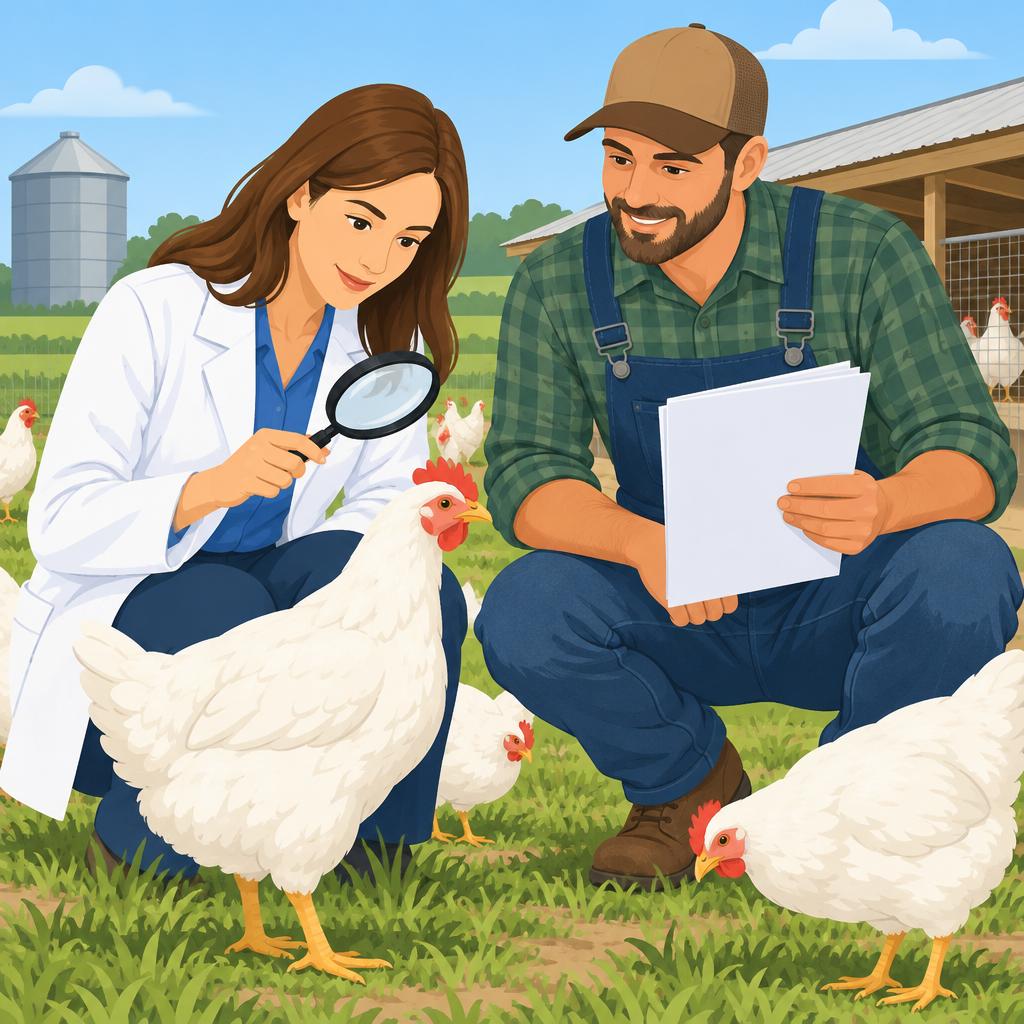
Research and Innovation in Antibiotic Reduction
Research findings help poultry scientists evaluate antibiotic effectiveness, side effects, and resistance risks in poultry production.
Consequently, scientists use collected data and observed trends to refine treatment decisions and reduce unnecessary antibiotic use.
Meanwhile, researchers develop techniques that support flock health without relying primarily on antibiotics.
Probiotics and prebiotics encourage beneficial gut bacteria, which can reduce antibiotic requirements.
Vaccination programs, stronger hygiene practices, and improved nutrition also support healthier poultry flocks.
These measures can strengthen animal welfare and food safety standards across poultry production.
Specific studies have produced measurable reductions in antibiotic use on poultry farms.
One large-scale farm reduced antibiotic use by 30 percent after implementing a biosecurity protocol.
Another project developed alternative feed additives that strengthened poultry immunity and reduced antibiotic use by 25 percent.
Together, these findings demonstrate how innovation can support sustainable, antibiotic-free poultry production practices.
Uncover the Details: Finding Agricultural Labor Jobs: Tips and Resources
Education and Outreach for Responsible Antibiotic Use
Poultry scientists educate farmers, veterinarians, and industry professionals about antibiotic use risks.
They provide valuable information that helps stakeholders make informed decisions.
As a result, stakeholders can support responsible poultry farming practices.
Outreach Programs and Industry Initiatives
Poultry scientists lead outreach programs that address antibiotic resistance issues.
These programs promote practical farming practices that support antibiotic reduction.
Furthermore, scientists encourage farmers, veterinarians, and policymakers to collaborate on solutions.
- Poultry scientists lead programs focused on antibiotic resistance and responsible farming practices.
- These initiatives engage farmers, veterinarians, and policymakers in addressing antibiotic misuse.
- Seminars, webinars, and conferences create opportunities for knowledge sharing and dialogue.
Educational Resources and Practical Workshops
Poultry scientists develop educational resources that support antibiotic reduction efforts.
They also provide practical guidance through workshops for poultry farmers.
These activities emphasize hygiene, vaccination, and biosecurity measures.
- Scientists create brochures, fact sheets, and online tools for antibiotic reduction efforts.
- Workshops provide hands-on training in antibiotic stewardship practices.
- Resources emphasize hygiene, vaccination, and biosecurity measures that help prevent antibiotic use.
Through education and outreach, poultry scientists support positive change across the poultry industry.
They empower stakeholders to adopt informed and responsible farming practices.
Consequently, their efforts contribute to sustainable approaches for poultry production.
Delve into the Subject: Creating Engaging Content for Farm Product Marketing
Transform Your Career Today
Unlock a personalized career strategy that drives real results. Get tailored advice and a roadmap designed just for you.
Start NowRegulatory Compliance in Poultry Production
- Poultry scientists help farms comply with regulations governing antibiotic use.
- They work closely with farmers to explain proper antibiotic use and regulatory requirements.
- Additionally, they conduct farm audits and inspections to monitor antibiotic usage.
- Regular assessments help scientists identify issues and improve antibiotic management practices.
- These audits track usage patterns and encourage responsible compliance with regulations.
- When regulations change, poultry scientists quickly adapt guidelines and help farmers make necessary adjustments.
- They provide guidance that helps farms follow updated requirements and support responsible antibiotic use.
- Moreover, poultry scientists collaborate with regulatory agencies to evaluate industry practices and develop antibiotic policies.
- Their work with government officials and industry stakeholders helps create effective antibiotic stewardship regulations.
- This compliance work helps reduce unnecessary antibiotic use and protect public health.
Gain More Insights: How to Apply for an Agricultural Loan
Success Stories in Antibiotic Reduction
- Poultry scientists, including Dr. John Smith, have researched alternative treatments to reduce antibiotic use.
- Dr. Smith’s research has produced new vaccines and probiotics that support poultry health.
- Companies such as XYZ Farms have partnered with poultry scientists to implement these alternative treatments.
- Through this partnership, XYZ Farms reduced its antibiotic use by 50 percent within one year.
- Consequently, the farm improved animal welfare and reduced cases of antibiotic-resistant bacteria.
- Consumer trust in XYZ Farms’ antibiotic-free poultry products also increased, leading to higher sales.
Long-Term Benefits for Poultry Production
Poultry scientists help reduce antibiotic use in poultry production.
Through research and collaboration, they develop alternative treatments and strategies for healthier poultry products.
Moreover, these efforts support antibiotic-free production and improve animal welfare.
They also reduce antibiotic resistance and strengthen consumer trust in poultry products.
Therefore, poultry scientists support safer and more sustainable poultry production for future generations.
Sustainable Outcomes From Antibiotic Reduction
Poultry scientists help reduce antibiotic use across the poultry industry.
They develop alternative solutions through research and promote responsible practices among stakeholders.
Their guidance helps producers follow regulations and make informed decisions.
Ongoing research can identify sustainable methods that reduce dependence on antibiotics.
Education helps producers understand why antibiotic reduction matters.
These efforts support healthier farming, improved animal welfare, and safer food for consumers.
They can also contribute to a healthier environment.
Additional Resources
Google search results for Poultry Scientist's Role in Reducing Antibiotic Use Agricultural
Bing search results for Poultry Scientist's Role in Reducing Antibiotic Use Agricultural


