




Introduction
Multimedia artists and animators play crucial roles in various creative industries.
They bring visual stories to life through artistic and technical skills.
Their work spans films, video games, advertisements, and digital platforms.
These professionals engage audiences through innovative visual experiences.
Aspiring professionals must understand these responsibilities to succeed in this competitive field.
This blog post outlines key responsibilities and tasks for multimedia artists and animators.
These insights help beginners prepare for careers in animation and multimedia art.
Creative Development
Multimedia artists and animators first develop concepts and storyboards for projects.
They brainstorm innovative ideas and visualize them in a structured format.
Excellent communication with clients and team members supports the creative process.
Artists translate client feedback into actionable design changes.
Technical Skills
Proficiency in software tools remains essential for multimedia artists and animators.
They regularly use programs like Adobe Creative Suite, Maya, and Blender.
These tools help them create and edit animations, graphics, and visual effects efficiently.
Staying updated with new technologies and industry trends keeps their skills relevant.
Animation Production
The animation production process represents a key responsibility for these professionals.
They create animated sequences frame by frame or use motion graphics techniques.
Attention to detail enhances their work and makes it visually captivating.
Artists also collaborate with sound designers to integrate audio effectively.
Quality Control
Quality control plays a significant role in a multimedia artist’s workflow.
Artists review their work and make adjustments to improve the final product.
Peer feedback helps refine their creations and preserve artistic integrity.
Meeting deadlines remains crucial for maintaining workflow in fast-paced environments.
Client Relations
Maintaining positive relationships with clients remains vital for success.
Artists must understand client visions and interpret them accurately.
Regular updates and open communication build trust and satisfaction.
Ultimately, these professionals bring clients’ ideas to life through artistic talent.
Multimedia Artistry and Animation
Multimedia artistry combines digital tools to create visual content.
Artists combine images, text, sound, and video to communicate stories and messages.
Animation creates moving images through hand-drawn, three-dimensional, or stop-motion techniques.
Employment Sectors for Multimedia Artists
Multimedia artists work across several industries with different creative requirements.
Their skills support entertainment, communication, education, and interactive experiences.
Each sector uses multimedia artistry to strengthen visual communication and audience engagement.
- Film: Artists create visual effects, character animations, and three-dimensional models for films.
- Video games: Artists design characters, environments, and interactive assets for game developers.
- Advertising: Marketing agencies use multimedia content for engaging advertisements across multiple platforms.
- Education: Educational institutions use multimedia tools to make learning materials more engaging.
- Television: Television productions integrate animations and graphics to enrich storytelling.
- Web design: Artists create functional and visually appealing websites that improve user experience.
- Virtual reality: Artists create immersive experiences for virtual reality technologies.
Types of Multimedia Artists
Multimedia artists develop different specializations based on their creative and technical skills.
Some artists focus on visual development, while others emphasize movement or interaction.
These roles often support one another during multimedia production.
- Two-dimensional artists: These artists create illustrations, graphics, and two-dimensional animations.
- Three-dimensional artists: These artists build models, characters, environments, and objects.
- Animators: Animators bring visual elements to life through motion sequences.
- Graphic designers: Graphic designers create branding, print materials, and digital products.
- Interactive artists: Interactive artists design experiences for websites, games, and installations.
- Concept artists: Concept artists develop preliminary visuals that guide productions.
Responsibilities in Multimedia Production
Multimedia artists and animators manage creative, technical, and organizational responsibilities.
Their duties vary according to specialization, project goals, and production requirements.
However, successful projects depend on planning, communication, revision, and reliable delivery.
Creative Planning and Design
Artists begin projects by developing ideas, sketches, and storyboards.
Transform Your Career Today
Unlock a personalized career strategy that drives real results. Get tailored advice and a roadmap designed just for you.
Start NowThis planning establishes the project’s visual direction before production begins.
Afterward, artists create detailed illustrations, character designs, backgrounds, and other visual elements.
Animation and Production
Animators bring designs to life through two-dimensional or three-dimensional techniques.
They create keyframes and develop transitions that produce continuous motion.
Artists also use software tools to produce high-quality visuals that support project goals.
Collaboration and Revision
Multimedia artists communicate regularly with directors, writers, and sound designers.
This collaboration helps align visual, written, and audio elements.
Artists revise their work after receiving feedback from clients or team members.
Professional Development and Delivery
Artists monitor new technologies, software tools, and trends within multimedia production.
Continuous learning helps them remain competitive in a changing industry.
They also build portfolios that showcase strong work to potential clients and employers.
Client Communication and Time Management
Artists listen carefully to clients and understand each project’s intended vision.
Clear communication helps artists tailor their work to project goals.
Organized artists manage tight schedules and deliver quality work on time.
Freelance artists also promote their services through websites and social media accounts.
Teamwork in Multimedia Project Development
Collaboration supports successful creative projects.
When artists share ideas, they inspire one another and expand creative possibilities.
Moreover, diverse perspectives help teams solve problems and improve project outcomes.
Teamwork provides several important benefits for multimedia projects.
- Enhanced Creativity: Diverse viewpoints stimulate fresh ideas.
- Problem-Solving: Teams address complex challenges more effectively.
- Resource Sharing: Members apply one another’s skills and knowledge.
- Increased Efficiency: Collaboration can shorten production timelines.
- Emotional Support: Positive team dynamics create encouragement during production.
Additionally, open collaboration encourages ideas to move freely between team members.
This exchange can reduce creative barriers and strengthen the final media experience.
Cross-Functional Roles in Creative Teams
Multimedia artists and animators contribute specialized abilities within cross-functional teams.
Their visual expertise complements the work of other departments.
As a result, teams can pursue cohesive creative and technical goals.
These professionals commonly support projects through several connected roles.
- Creative Visionary: Artists transform concepts into compelling visuals.
- Technical Specialist: They use software and production tools effectively.
- Collaboration Facilitator: Artists connect departments and maintain alignment.
- Quality Control: They review artistic outputs for consistency and quality.
- Storyteller: Multimedia artists help shape narratives and visual meaning.
Furthermore, artists communicate visual intentions while accepting feedback from collaborators.
This balance helps teams coordinate decisions and refine creative work.
Collaborative Multimedia Projects and Their Outcomes
Many multimedia productions demonstrate the value of coordinated teamwork.
Each project combines different talents to achieve a shared creative purpose.
Consequently, collaboration can strengthen both visual quality and audience engagement.
Common examples include films, games, advertising, virtual reality, and short films.
- Epic Animated Films: Directors, animators, and sound designers create narratives together.
- Video Game Development: Artists, coders, and designers build immersive player experiences.
- Advertising Campaigns: Artists and marketers develop compelling content through shared planning.
- Virtual Reality Experiences: Artists, programmers, and user experience designers create interactive environments.
- Short Films: Animators, writers, and sound mixers unite around impactful stories.
These examples show how individual strengths can support a unified production process.
They also demonstrate how teamwork can produce memorable visuals and narratives.
Building Strong Collaborative Relationships
Successful teams depend on trust, respect, and clear communication.
Multimedia artists can strengthen relationships by listening carefully and sharing information openly.
These habits create conditions that support creativity and productive cooperation.
Artists can develop stronger teams by practicing the following strategies.
- Active Listening: Pay attention to colleagues’ ideas and feedback.
- Open Communication: Encourage transparent discussion throughout production.
- Respect Diverse Perspectives: Value each member’s distinct contribution.
- Set Clear Goals: Establish shared objectives and align individual efforts.
- Encourage Constructive Feedback: Treat feedback as an opportunity for learning.
In addition, respectful relationships increase trust across departments.
Greater trust encourages experimentation and supports higher-quality creative work.
Teamwork’s Lasting Value in Multimedia Production
Multimedia artists and animators shape creative outcomes through meaningful collaboration.
Transform Your Career Today
Unlock a personalized career strategy that drives real results. Get tailored advice and a roadmap designed just for you.
Start NowTheir visual, technical, and storytelling contributions strengthen shared production goals.
By working together, teams transform creative visions into engaging experiences.
As multimedia continues to evolve, teamwork will remain central to successful project development.
See Related Content: Key Differences Between Traditional and Digital Media Buying
Multimedia artists and animators begin projects with two vital tasks: concept development and storyboarding.
These initial phases establish the foundation for the entire production.
A clear vision emerges during this stage and guides the project’s direction.
Understanding the Initial Project Phases
The early stages of a project strongly influence its success.
Artists and animators begin by gathering information about the project requirements.
They consult clients to understand their vision, purpose, and expectations.
Effective communication helps clarify these objectives.
During this phase, artists create initial sketches and mood boards.
These visual tools communicate the project’s overall aesthetic and tone.
They also provide references for maintaining style consistency throughout production.
Furthermore, artists consider the target audience.
Understanding the intended viewers influences the creative process.
Artists consider age, interests, and cultural backgrounds when developing concepts.
This audience-focused approach helps the final piece resonate with viewers.
Aligning Concepts with Client Objectives
Artists must develop concepts that support client objectives.
They study the client’s brand identity and messaging.
Then, they explore effective visual representations for those elements.
This understanding helps artists communicate the desired message through design.
Collaboration also plays an important role in this process.
Artists regularly present concepts to clients and gather feedback.
This iterative exchange allows artists to adjust their work.
It also strengthens the partnership between clients and artists.
Moreover, artists monitor industry trends and developing techniques.
This knowledge supports innovation and encourages fresh ideas.
Current trends can also improve relevance and audience appeal.
Using Storyboards for Visual Storytelling
Storyboarding represents a critical step in the animation process.
Artists create sequences of drawings that outline key scenes.
This visual representation becomes a blueprint for the animation.
Each storyboard frame presents the narrative’s progression.
Artists illustrate characters, actions, and environments within those frames.
This clarity supports visual storytelling and maintains alignment with the script.
Additionally, storyboarding helps artists examine pacing and timing.
They experiment with scene flow to maintain viewer engagement.
This analytical process leads to more effective storytelling.
Planning Animations with Precision
Effective planning supports every animation project.
The storyboard provides a comprehensive production overview.
Transform Your Career Today
Unlock a personalized career strategy that drives real results. Get tailored advice and a roadmap designed just for you.
Start NowArtists identify the necessary assets and materials before production begins.
This preparation helps them meet the project timeline.
Technological considerations also influence the planning process.
Artists select software and tools that fit project requirements.
They also evaluate animation styles, including 2D and 3D approaches.
This decision affects the overall production process.
Furthermore, artists plan voice-over and sound design elements.
Sound enhances storytelling and can evoke emotions.
Integrating these factors early improves the final output.
Managing Collaboration and Feedback
Feedback remains a continuous part of the creation process.
After completing the storyboard, artists present it to clients and team members.
This collaborative review encourages constructive criticism and further refinement.
Artists record feedback and make necessary revisions.
This adaptability demonstrates their commitment to client expectations.
Continuous communication keeps everyone aligned as the project evolves.
Improving Concepts Through Iteration
Concept development and storyboarding require repeated refinement.
Artists improve ideas through exploration and feedback.
This process often produces innovative solutions and stronger designs.
Artists also embrace change when they encounter new challenges.
They protect the project’s vision while incorporating useful feedback.
This flexibility helps create a stronger final product.
As a result, the work can resonate more effectively with its audience.
Finalizing Concepts and Storyboards
Artists finalize concepts and storyboards after receiving client approval.
They focus on details and ensure that every element flows cohesively.
Final storyboards then guide the production team.
Artists also prepare for the next production phases.
They coordinate with animators, sound designers, and other team members.
Clear communication prepares everyone for the project’s next steps.
Throughout the process, artists remain attentive to project requirements.
They regularly revisit the project’s objectives and audience needs.
This ongoing commitment supports high-quality project results.
Building Strong Multimedia Projects
Concept development and storyboarding provide foundations for multimedia projects.
They give teams clarity, direction, and a shared vision.
By dedicating time to these phases, artists strengthen animation planning.
Artists ultimately create compelling narratives through effective concept development and storyboarding.
They transform ideas into engaging visual experiences for audiences.
This dedication helps artists deliver high-quality final products.
Artists who excel in these phases improve their potential for success.
They craft stories that captivate and inspire viewers.
Strong preparation can help those stories leave lasting impressions.
Transform Your Career Today
Unlock a personalized career strategy that drives real results. Get tailored advice and a roadmap designed just for you.
Start NowDiscover More: Working with Vendors as a Print Production Manager
Character Design and Its Significance in Animation
Character design forms the backbone of animated productions.
Characters serve as the primary means through which animated stories unfold.
Engaging characters attract audiences and draw them into the narrative.
High-quality character design strengthens emotional engagement and audience connection.
Additionally, character design defines a project’s visual identity.
It establishes the story’s mood and tone through visual choices.
Well-designed characters convey personality, backgrounds, and motivations without extensive dialogue.
This visual storytelling approach remains vital in animation.
Techniques for Creating Compelling and Relatable Characters
Multimedia artists and animators use several techniques to create characters audiences remember.
These methods combine creative exploration with deliberate visual decisions.
- Research and Inspiration: Artists gather inspiration from experiences, art, and literature to develop original, relatable characters.
- Sketching Ideas: Initial sketches help artists explore concepts quickly and refine character features.
- Defining Traits: Artists use facial expressions and body language to communicate specific emotions.
- Color Theory: Artists select palettes that reflect personality, mood, and narrative tone.
- Silhouette Design: Distinctive shapes and outlines make characters recognizable and memorable.
- Backstory Development: Character histories inform personalities, behavior, and choices throughout the story.
- Feedback and Iteration: Peer and audience feedback helps artists refine and finalize designs.
Relatable characters require both creativity and technical skill.
Moreover, artists can craft authentic figures by combining these design techniques.
As a result, audiences can connect with characters on emotional levels.
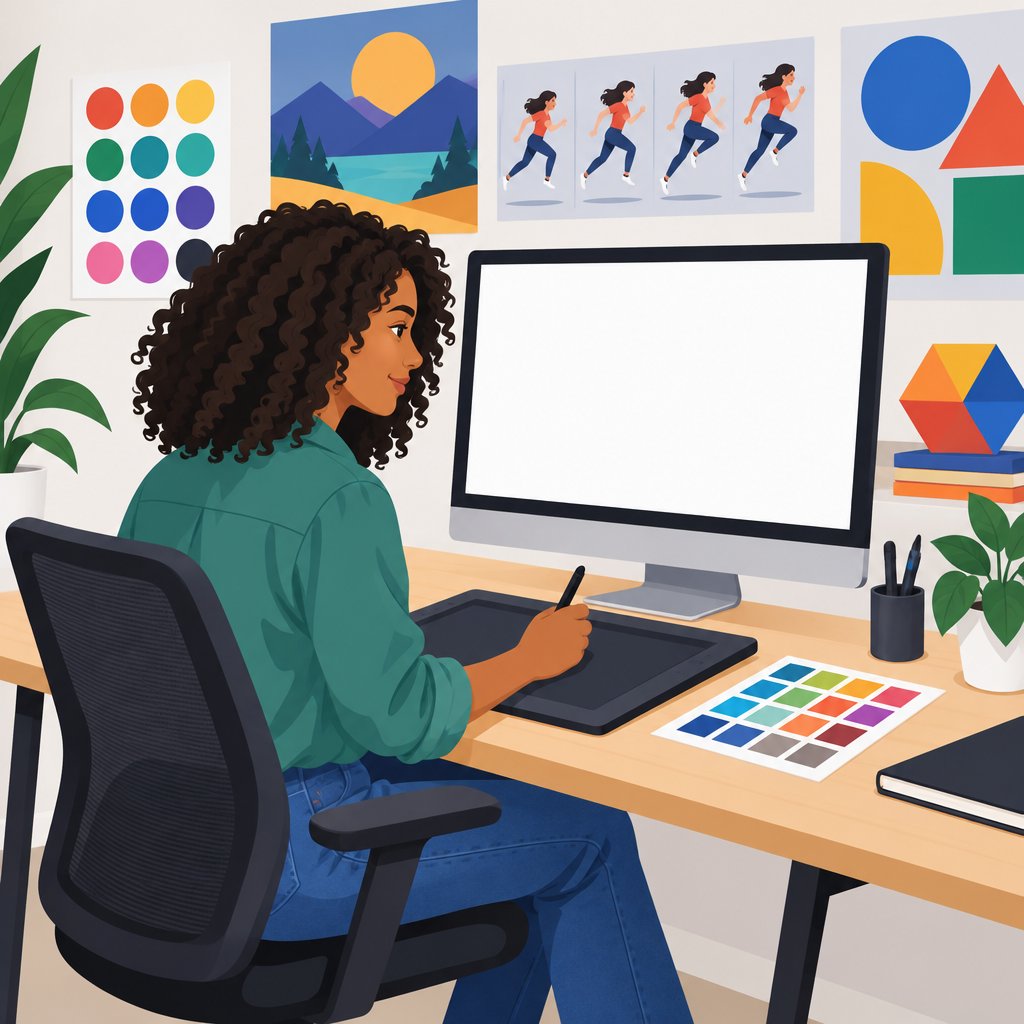
Immersive Environments That Enhance Storytelling
Environment design provides the visual canvas for an animated narrative.
Engaging settings support the story and strengthen the audience’s immersion.
Furthermore, environments help establish the emotional mood of each scene.
Colors, textures, and design elements can evoke happiness, tension, or other feelings.
The right setting draws viewers deeper into the narrative.
Environments should align with both the characters and the plot.
When settings feel believable, audiences invest more deeply in character journeys.
Techniques for Designing Immersive Environments
Artists apply several methods when they develop compelling animated environments.
Each method contributes visual depth, atmosphere, or narrative meaning.
- Concept Art: Artists visualize different styles and settings before establishing the intended atmosphere.
- 3D Modeling: Software enables artists to build detailed environments with realistic perspectives.
- Texturing: Artists map images onto surfaces to add depth and lifelike appearances.
- Lighting Effects: Artists use lighting to establish time, emotion, and scene atmosphere.
- Environmental Storytelling: Objects, colors, and layouts communicate information about the narrative.
- Scale and Proportion: Artists manipulate size to evoke wonder or claustrophobia.
Artists must ensure that environments support the story without overwhelming it.
Meanwhile, carefully designed spaces maintain visual interest as the narrative unfolds.
The interaction between characters and environments can elevate animated storytelling.
The Combined Impact of Characters and Environments
Character and environment design together create a complete animated experience.
Strong characters encourage empathy, while immersive settings transport audiences into new worlds.
Ultimately, these artistic choices shape how viewers perceive and connect with animated stories.
Artists’ dedication to relatable characters and immersive environments influences animation quality.
Gain More Insights: Screenwriting Agents and Managers: What You Need to Know
Animation Techniques
Animators create moving images through several artistic and technical methods.
Each method offers distinct visual qualities and supports different project goals.
Therefore, artists select techniques that match the desired style and audience experience.
- Traditional Animation: Artists draw each frame by hand to create sequential 2D images.
- Digital Animation: Animators use software to create scenes and revise movement efficiently.
- Stop-Motion Animation: Artists photograph physical objects after making small adjustments between shots.
Building Movement Through Animation
Animators follow a systematic process to create convincing movement.
They establish important moments before refining the transitions between those moments.
Meanwhile, careful timing helps audiences understand each action and reaction.
- Keyframes: Keyframes mark important starting and ending points within an action.
- Timing: Timing controls how long each movement lasts and affects its overall feeling.
- Movement: Movement connects keyframes and reflects the principles of physics and motion.
Animation Technologies and Software
Modern software gives animators precise control over images, motion, effects, and three-dimensional scenes.
In addition, digital tools can streamline production and support detailed revisions.
Each application provides functions that serve particular animation workflows.
Transform Your Career Today
Unlock a personalized career strategy that drives real results. Get tailored advice and a roadmap designed just for you.
Start Now- Adobe After Effects: Artists use this tool for motion graphics and visual effects.
- Blender: This open-source application supports modeling, sculpting, rendering, and 3D animation.
- Maya: Animators use Maya to develop complex 3D characters and environments.
- Toon Boom Harmony: This software supports traditional and paperless 2D animation workflows.
- Cinema 4D: Artists use this application for motion graphics and 3D animation.
Collaboration and Feedback in Animation
Animators coordinate with directors, writers, and other artists throughout production.
Clear communication helps the team maintain a shared creative direction.
Furthermore, regular feedback allows artists to strengthen scenes and correct problems.
Review sessions help the finished animation match the project’s creative goals.
Storytelling Through Animated Movement
Storytelling gives animation purpose beyond visual movement.
Animators use expressions, actions, and pacing to communicate narrative ideas.
As a result, viewers can connect with the story and its emotional moments.
- Character Development: Artists express character qualities through visual design and movement.
- Pacing: Animators arrange scene timing to maintain audience interest.
- Emotional Engagement: Skilled movement can create moments that resonate with viewers.
Continuous Learning in Animation
The animation field continues to develop as new tools and techniques emerge.
Consequently, multimedia artists must update their skills throughout their careers.
Ongoing learning helps artists respond to changing creative and technical demands.
- Emerging Software: Artists explore new applications to improve efficiency and access new functions.
- Animation Trends: Animators study current styles and adapt their creative approaches.
- Workshops and Training: Educational activities help artists develop techniques and connect with the animation community.
Through creative skill and technical knowledge, animators create engaging experiences for audiences.
Their work combines animation techniques, software, storytelling, collaboration, and continual development.
Discover More: Essential Skills for Aspiring Camera Operators
Editing is a critical phase in multimedia projects.
It transforms raw footage into a cohesive and visually appealing narrative.
A strong editing process significantly improves the final product.
Editing’s Importance for Polished Multimedia Products
Editing connects creation with completion.
It allows artists to refine their work carefully.
Additionally, a polished product demonstrates professionalism and attention to detail.
- Visual Storytelling: Editing shapes story flow, rhythm, and pacing.
- Quality Control: It helps artists identify inconsistencies and improve color grading and sound quality.
- Seamless Transitions: Editors create smooth scene transitions that maintain audience engagement.
- Focused Footage: Artists remove unwanted clips to preserve clarity and focus.
- Refined Effects: Editors refine animation and visual effects to strengthen viewer engagement.
Collaboration with Post-Production Professionals
Editing requires cooperation rather than isolation.
Artists and animators work with several post-production professionals.
Their combined expertise supports a successful final output.
- Video Editors: They assemble footage into a coherent final narrative.
- Sound Designers: They create audio elements and synchronize sound with action.
- Color Graders: They adjust clip tones to establish mood and aesthetic.
- Visual Effects Artists: They add visual elements that integrate with the narrative.
- Producers: They oversee schedules and keep artistic goals aligned with production requirements.
Essential Editing Tasks for Multimedia Projects
Editing includes diverse tasks that strengthen multimedia projects.
Each responsibility contributes to the project’s overall quality.
Therefore, editors combine technical skills with creative judgment.
- Special Effects: Editors integrate visual effects so they support rather than overpower the narrative.
- Audio Synchronization: They synchronize dialogue, animation, and action accurately.
- Background Music: Editors choose music that matches the emotional intent.
- Final Polishing: They review pacing, transitions, effects, and consistency during final polishing.
- Titles and Credits: Editors communicate information and acknowledge contributors through designed sequences.
Artists and animators need comprehensive editing software knowledge.
They should understand tools such as Adobe Premiere Pro, Final Cut Pro, and After Effects.
Feedback That Strengthens the Editing Process
Feedback strengthens the editing process.
Artists present projects to peers and stakeholders for review.
This review cycle reveals opportunities for meaningful improvement.
- Identifying Flaws: Fresh perspectives can reveal mistakes that creators overlook.
- Enhancing Creativity: Different viewpoints can inspire innovative improvements.
- Understanding Audience Reactions: Feedback shows how audiences may perceive the narrative.
- Tuning Emotional Impact: Reviewers help artists adjust pacing and music for desired emotional effects.
- Applying Adjustments: Artists make necessary changes after feedback to polish the final product.
How Editing Elevates Multimedia Results
Editing and post-production maximize the potential of creative work.
Collaboration with specialists helps produce high-quality multimedia results.
Careful revisions also help the finished project connect with audiences.
Continuous Learning Supports Professional Growth
Multimedia artists and animators work in an industry that changes rapidly.
Therefore, continuous learning helps them adapt to new methods and techniques.
Artists who ignore industry changes risk losing relevance in a competitive field.
Furthermore, learning new skills can improve an artist’s marketability.
Ongoing education also encourages creativity and supports fresh artistic ideas.
As artists expand their knowledge, they can explore possibilities beyond familiar approaches.
Emerging Technologies Expand Creative Possibilities
Emerging technologies continue to reshape multimedia and animation practices.
Transform Your Career Today
Unlock a personalized career strategy that drives real results. Get tailored advice and a roadmap designed just for you.
Start NowVirtual reality, augmented reality, and artificial intelligence offer new creative opportunities.
Consequently, artists who understand these tools can develop more innovative experiences.
These technologies also support collaborations and projects that once seemed impossible.
However, each tool requires focused learning and thoughtful creative application.
Virtual and Augmented Reality Skills
Virtual reality places users inside fully digital environments.
Artists can design interactive three-dimensional spaces for users to explore.
Learning virtual reality design can help artists compete in this growing field.
- Virtual reality immerses users in fully virtual environments.
- Artists can create interactive experiences within three-dimensional spaces.
- Augmented reality combines digital content with the physical world.
- Artists can use augmented reality tools to strengthen storytelling and engagement.
Artificial Intelligence in Creative Workflows
Artificial intelligence can automate several parts of the creative process.
It also enables artists to generate creative content more quickly.
Understanding artificial intelligence tools can improve workflows and increase productivity.
Artists should therefore learn how these tools support their existing creative practices.
Used thoughtfully, artificial intelligence can help artists explore more ideas within limited time.
Resources for Skill Development
Artists can choose from many resources when developing their technical and creative abilities.
Online courses provide flexible opportunities for structured learning.
Workshops offer practical instruction and direct engagement with experienced professionals.
Conferences introduce participants to new technologies, techniques, and professional connections.
- Coursera offers comprehensive courses in animation and multimedia arts.
- Udemy provides affordable courses for different experience levels.
- Skillshare offers hands-on learning and peer feedback.
- Local arts centers frequently host workshops led by skilled professionals.
- Industry conferences often include workshops about current technologies.
- Online webinars provide accessible instruction about specific technical skills.
Conferences and Professional Connections
Conferences help artists discover current practices and connect with industry professionals.
Siggraph focuses on computer graphics and interactive techniques.
Adobe MAX presents new Adobe software features and related techniques.
Animation festivals showcase innovative work and provide networking opportunities.
Moreover, workshops and conferences encourage artists to exchange ideas.
These conversations can lead to collaborations and improve professional visibility.
Networking Strengthens Industry Awareness
Networking gives artists access to valuable information and professional resources.
By speaking with peers, artists can learn from other people’s experiences.
They can also recognize mistakes before repeating them in their own work.
Attending professional events creates opportunities to share ideas and establish collaborations.
In addition, strong connections can increase an artist’s visibility.
Regular industry engagement helps artists remain aware of changing expectations.
Creative Inspiration Encourages Innovation
Continuous learning also involves protecting and renewing creative inspiration.
Artists can study many forms of creative work to discover fresh ideas.
Viewing films, animations, and interactive media can broaden their artistic perspective.
- Artists can view films, animations, and interactive media.
- Exploring photography and visual arts can stimulate new ideas.
- Following creative industry thought leaders can reveal different perspectives.
Exposure to diverse art forms can spark experimentation and creative growth.
Consequently, artists may develop innovative projects and distinctive stylistic approaches.
Regular inspiration helps artists maintain curiosity throughout their professional development.
Lifelong Learning Sustains Professional Relevance
Multimedia artists and animators must continually adapt to an evolving professional landscape.
Learning resources help them strengthen technical abilities and creative confidence.
Emerging technologies provide new challenges as well as new opportunities.
Meanwhile, networking keeps artists connected to useful knowledge and professional possibilities.
Creative exploration also helps them maintain originality and enthusiasm.
By embracing lifelong learning, artists can remain adaptable, relevant, and competitive.
Transform Your Career Today
Unlock a personalized career strategy that drives real results. Get tailored advice and a roadmap designed just for you.
Start NowProfessional Growth and Career Opportunities
Multimedia artists and animators create captivating visual content that engages audiences.
Their work combines artistic talent with technical skill.
They develop storyboards, illustrations, and animations that support each project’s creative vision.
Furthermore, they use software to design and animate characters and environments.
Client feedback guides revisions and helps artists adapt their work.
Meanwhile, industry awareness helps professionals adopt emerging tools and techniques.
Technology continues to expand opportunities for artists to improve their creative output.
Consequently, these professionals must pursue continuous learning and skill development.
They can find opportunities in film, gaming, advertising, and education.
Those who enjoy visual storytelling may find this career rewarding.
Dedicated artists can achieve personal and professional growth through this work.
By strengthening their artistic and technical abilities, they can make meaningful contributions.
The field rewards creativity, persistence, and a willingness to embrace change.
Therefore, aspiring artists can use these responsibilities to guide their career development.


