




Team Collaboration in Mental Health Care
Mental Health Technicians provide direct care and support to individuals with mental health conditions.
MHTs need team collaboration to provide holistic care.
This approach addresses symptoms and underlying causes of mental health issues.
This blog post explores how team collaboration enhances care quality for Mental Health Technicians.
It also explains how collaboration contributes to positive patient outcomes.
Mental Health Technician Responsibilities
As a Mental Health Technician (MHT), you provide direct care and support to people with mental health conditions.
You also help create a therapeutic environment that supports safety, dignity, and personal growth.
Additionally, your observations help mental health professionals understand each patient’s needs and progress.
- MHTs assist patients with grooming, eating, and personal hygiene.
- MHTs observe behavior, symptoms, and progress, then document their findings accurately.
- Additionally, MHTs follow treatment plans by carrying out assigned interventions and therapies.
MHTs also provide emotional support while patients manage the challenges of mental illness.
During difficult moments, MHTs offer guidance and help patients maintain their treatment goals.
Through consistent care, MHTs help patients feel understood, supported, and empowered.
How MHTs Support Mental Health Recovery
MHTs interact directly with patients and influence their daily experience of mental health care.
By building trust, you encourage patients to communicate openly about their needs and concerns.
You also promote patient participation by offering empathy, encouragement, and respectful support.
- MHTs build rapport by creating safe spaces for communication and therapeutic interaction.
- MHTs provide compassionate, empathetic, and nonjudgmental support during mental health challenges.
- MHTs advocate for patients’ needs and rights throughout their care.
- MHTs motivate patients to participate actively in treatment and recovery.
These responsibilities allow MHTs to address patients’ physical, emotional, and psychological needs.
Your dedication and compassion can make a meaningful difference in patients’ recovery experiences.
Team Collaboration in Mental Health Care
Team collaboration brings multiple professionals together to address the varied needs of people receiving mental health care.
It supports care that considers physical, mental, and emotional well-being.
Professionals coordinate their contributions to create individualized treatment plans.
Significance of Team Collaboration
Collaboration connects professional expertise during assessment, planning, and treatment.
It also helps teams communicate clearly while coordinating patient care.
Consequently, patients can receive comprehensive support and experience greater satisfaction.
- Enhanced Patient Care: Teams create comprehensive, individualized treatment plans for patients.
- Improved Outcomes: Combined expertise can improve treatment outcomes and patient satisfaction.
- Efficient Communication: Team communication reduces errors and strengthens care coordination.
- Mutual Support: Professionals support one another, which can reduce burnout and improve job satisfaction.
- Increased Knowledge Sharing: Collaboration helps professionals learn about mental health issues and treatment strategies.
Role of Mental Health Technicians in Team Collaboration
Mental health technicians contribute observations and practical assistance within the wider care team.
They connect daily patient interactions with team discussions and treatment decisions.
Their input helps other professionals understand changing patient needs.
- Assessment: MHTs gather patient information and assist with initial assessments.
- Supportive Care: MHTs provide direct care, emotional support, and therapeutic activities.
- Observation and Reporting: MHTs monitor behavior and report significant changes to the team.
- Collaborative Planning: MHTs discuss patient progress and suggest treatment plan changes during team meetings.
Collaboration with Other Healthcare Professionals
MHTs coordinate their work with several professional disciplines.
Each partnership supports a different part of patient assessment, treatment, or daily care.
Clear cooperation helps the team respond to patient needs through a coordinated plan.
- Psychiatrists: MHTs implement medication plans, monitor compliance, and report side effects or concerns.
- Psychologists: MHTs support therapeutic interventions, behavior modification, and cognitive behavioral therapy sessions.
- Social Workers: MHTs address social determinants, connect patients with resources, and support housing and financial needs.
- Occupational Therapists: MHTs implement adaptive techniques, support vocational training, and promote independent living skills.
- Nurses: MHTs support patient care, medication administration, vital-sign monitoring, and medical emergencies alongside nurses.
Explore Further: Volunteer Coordinator: Technology and Trends
Communication Skills for Effective Collaboration
Communication skills help Mental Health Technicians collaborate with healthcare professionals.
Clear exchanges help the team provide comprehensive patient care and support.
Strong communication also helps staff coordinate information, responsibilities, and treatment plans.
Importance of Strong Communication Skills
MHTs share critical information about patient conditions and treatment plans.
This exchange improves team understanding and can support better patient outcomes.
Respectful communication builds trust, reduces misunderstandings, and strengthens care coordination.
- Clear communication helps team members share critical patient information.
- Shared information helps professionals understand patient needs more fully.
- Team members can use this understanding to support better patient outcomes.
- Trust grows when professionals communicate respectfully with one another.
- Care coordination improves when everyone understands current responsibilities.
Tips for Effective Communication
MHTs should communicate clearly and concisely to prevent confusion.
Active listening helps staff understand different perspectives and concerns.
Regular updates, respectful language, and clarifying questions support accurate communication.
- Use clear, concise language when sharing information.
- Listen actively before responding to colleagues.
- Choose an appropriate tone for each professional conversation.
- Provide regular updates so team members remain informed.
- Ask clarifying questions when information seems unclear.
Seamless Coordination of Patient Care
Effective communication helps healthcare professionals coordinate patient care smoothly.
MHTs can contribute by sharing relevant information promptly and participating in care discussions.
Transform Your Career Today
Unlock a personalized career strategy that drives real results. Get tailored advice and a roadmap designed just for you.
Start NowFollowing up on responsibilities helps the team maintain continuity of care.
- Attend team meetings and contribute to patient care discussions.
- Share relevant information with team members promptly.
- Seek feedback from colleagues to gain different perspectives.
- Collaborate with professionals when developing comprehensive patient care plans.
- Follow up on assigned tasks to support continuity of care.
By strengthening communication, MHTs support holistic care and positive patient outcomes.
See Related Content: How to Become a Community Outreach Coordinator
Building Relationships Within the Team
Building positive relationships with colleagues supports effective mental health care.
These relationships strengthen teamwork and improve the patient care experience.
They also contribute to the overall well-being of patients and team members.
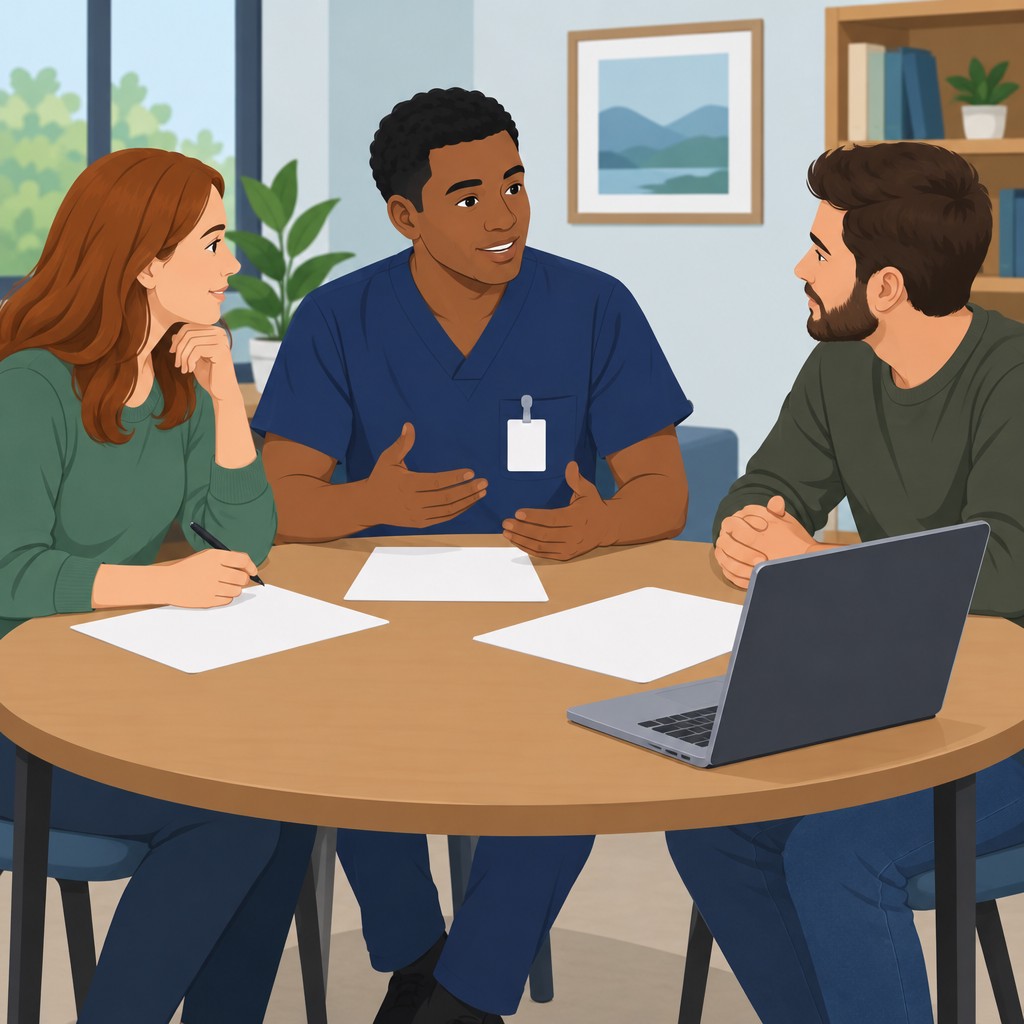
Benefits of Positive Team Relationships
Positive relationships create a supportive environment where team members feel valued and respected.
Trust encourages colleagues to share information, ideas, and concerns openly.
Furthermore, collaboration helps team members provide consistent support to patients.
Strong relationships encourage colleagues to work together harmoniously.
They also help team members support one another during demanding situations.
Additionally, positive connections reduce conflicts, misunderstandings, and workplace stress.
A respectful team environment allows colleagues to focus more effectively on patient needs.
Strategies for a Collaborative Work Environment
Mental Health Technicians can strengthen relationships through consistent, respectful actions.
Each team member can help create a workplace built on trust and cooperation.
These strategies support teamwork while encouraging a positive environment for everyone.
Effective communication supports positive relationships among team members.
Mental Health Technicians should listen carefully, share information, and provide constructive feedback.
Timely exchanges help colleagues understand responsibilities and respond appropriately to changing needs.
Mutual respect strengthens cooperation across the mental health care team.
Team members should value different opinions, expertise, and contributions.
They should also appreciate diverse perspectives and treat colleagues with kindness.
Team-building activities can strengthen relationships and improve morale.
Group outings and problem-solving challenges can build trust among colleagues.
Such activities encourage camaraderie and help team members work together more effectively.
Recognition and appreciation help maintain positive relationships within the team.
Mental Health Technicians can express gratitude for their colleagues’ efforts and accomplishments.
Specific feedback shows team members that others value their contributions.
Constructive conflict resolution protects relationships and supports continued cooperation.
Team members should address disagreements promptly and approach them with empathy.
Listening to every perspective can help colleagues find amicable solutions.
Professional development can strengthen relationships and improve teamwork.
Mental Health Technicians should encourage learning opportunities, mentorship, and skill development.
Supportive colleagues can help one another reach their professional potential.
Celebrating successes can strengthen relationships and raise team morale.
Team members should acknowledge accomplishments and share important milestones.
Celebrations can reinforce a supportive and encouraging work environment.
Supporting Patient Care Through Team Relationships
Positive team relationships support the delivery of quality mental health care.
When colleagues cooperate, patients benefit from a more supportive care environment.
By building trust and respect, Mental Health Technicians can promote team well-being and stronger patient outcomes.
Transform Your Career Today
Unlock a personalized career strategy that drives real results. Get tailored advice and a roadmap designed just for you.
Start NowLearn More: How to Align Volunteers with Organizational Goals
Resolving Conflict in Team Settings
Team settings can provide rewarding experiences, yet they can also create challenges.
Addressing conflict early helps teams maintain a positive work environment.
MHTs can support cooperation by encouraging respectful problem solving.
Addressing Potential Challenges
Several challenges can create tension within a team.
These issues may also hinder productivity and cooperation.
MHTs should address concerns proactively before conflicts escalate.
- Communication breakdowns
- Differences in opinions and perspectives
- Personality clashes
- Unequal distribution of workload
- Lack of clarity on roles and responsibilities
Recognizing these challenges allows team members to respond before tension affects their work.
Strategies for Conflict Resolution
Effective conflict resolution requires patience, respect, and shared responsibility.
MHTs can help team members discuss concerns constructively.
They can also guide participants toward solutions that support everyone.
- Encourage open communication
- Listen actively to all team members
- Seek to understand different perspectives
- Collaborate on finding mutually beneficial solutions
- Establish clear expectations and boundaries
These strategies help team members feel heard and valued.
Role of MHTs in Promoting Teamwork
MHTs play an important role in supporting teamwork and addressing team conflicts.
They can foster an environment where team members participate and share responsibility.
They can also help the team pursue shared goals and deliver quality patient care.
- Facilitate team meetings
- Encourage participation from all team members
- Provide support and guidance
- Mediate conflicts and facilitate discussions
- Empower team members to take ownership of their roles
Through these actions, MHTs can strengthen team cohesion and support effective collaboration.
Clear cooperation helps teams pursue common goals and provide quality care to patients.
Respectful conflict resolution can therefore support a successful team dynamic.
You Might Also Like: Mental Health Technician Certification Guide
Continuing Education and Professional Development
- MHTs should pursue ongoing education to remain current with best practices in mental health care.
- Organizations should provide resources and opportunities that strengthen MHTs’ knowledge and teamwork skills.
Continuing education helps MHTs provide quality care and support positive patient outcomes.
Ongoing training keeps MHTs informed about new treatment modalities, therapeutic techniques, and useful interventions.
Because mental health care continues evolving, MHTs must update their knowledge and skills regularly.
Training sessions, workshops, and seminars can strengthen teamwork and professional development.
These opportunities can improve communication, support conflict resolution, and encourage cohesive team environments.
Additionally, professional development helps MHTs understand complex mental health conditions and diverse patient needs.
Expanded knowledge allows MHTs to tailor care approaches for each individual.
Personalized approaches can support more effective treatment plans and improved patient care.
Continuous learning can also increase MHTs’ confidence, job satisfaction, and opportunities for professional growth.
Organizations can support development through online courses, conferences, and peer-reviewed journals.
These resources help MHTs review current research and apply evidence-based practices.
Furthermore, education empowers MHTs to contribute effectively within interdisciplinary mental health teams.
By prioritizing learning, MHTs can strengthen their professional effectiveness and support better patient outcomes.
Collaborative Practices That Strengthen Mental Health Care
Collaboration supports holistic mental health care.
Moreover, clear communication, strong relationships, and continuous learning support effective teamwork.
Mental Health Technicians should prioritize these practices to improve patient outcomes.
Therefore, cohesive healthcare teams help MHTs make a significant impact in mental health care.
Additional Resources
Google search results for Mental Health Technician and Team Collaboration Social and Human Services
Bing search results for Mental Health Technician and Team Collaboration Social and Human Services


