




Introduction
Workplace culture in logistics comprises the shared values, beliefs, and behaviors that shape dock workers’ environment.
It plays a crucial role in creating positive workplaces, strengthening employee morale, and increasing productivity.
Furthermore, strong culture promotes teamwork, collaboration, and safety among dock workers.
It can also reduce turnover rates and improve overall job satisfaction.
Several factors influence workplace culture for dock workers in logistics.
These factors include management style, communication practices, training and development opportunities, recognition programs, and work-life balance initiatives.
Together, these elements create a supportive and inclusive environment.
As a result, employees feel valued and motivated to perform at their best.
Understanding the Nature of Work for Dock Workers
Dock workers manage important activities throughout the logistics process.
They handle shipments, organize goods, and support accurate transport operations.
Furthermore, their work requires physical effort, teamwork, and clear communication.
- Typical tasks and responsibilities of dock workers in logistics
- Physical demands and challenges faced by dock workers
- Importance of teamwork and communication in dock worker roles
Typical Tasks and Responsibilities in Logistics
Dock workers load shipments onto trucks and unload incoming goods.
They organize shipments for storage or continued transport.
Additionally, workers inspect goods for damage and identify shipment discrepancies.
They also support accurate inventory management during handling activities.
Moreover, dock workers package, label, and prepare goods for shipping.
Physical Demands and Challenges
Dock workers lift heavy items and repeatedly bend or stoop during daily tasks.
They also work in various weather conditions while completing demanding duties.
Without proper safety measures, these activities can contribute to musculoskeletal injuries.
Furthermore, long hours and limited breaks can cause fatigue.
Fatigue may reduce productivity during physically demanding work.
Teamwork and Communication in Dock Worker Roles
Teamwork helps dock workers coordinate loading and unloading activities efficiently.
Clear communication helps workers complete tasks accurately and safely.
By cooperating, dock workers can prevent errors during shipment handling.
They can also improve efficiency through effective coordination.
Finally, collaboration supports a positive work environment for dock workers.
Importance of Safety and Regulations in Workplace Culture
Safety protocols protect dock workers and support a secure work environment.
They also help companies maintain productivity while supporting employee well-being.
Furthermore, regulatory compliance strengthens workplace standards and organizational credibility.
Significance of Safety Protocols for Dock Workers
Effective safety protocols help prevent workplace accidents and injuries.
They also reduce downtime and help workers maintain consistent productivity.
Additionally, clear safety practices can improve morale and strengthen company credibility.
- Prevent workplace accidents and injuries
- Reduce downtime and productivity losses
- Boost employee morale and satisfaction
- Enhance company reputation and credibility
- Support legal compliance and help avoid penalties
OSHA Regulations and Guidelines for Dock Workers
The Occupational Safety and Health Administration sets and enforces standards that protect workers.
These requirements guide training, material handling, equipment use, and emergency preparation.
Moreover, OSHA guidelines encourage workers to report safety concerns promptly.
- Mandate regular safety training for workers
- Require proper handling of hazardous materials
- Specify equipment maintenance and operation guidelines
- Establish emergency preparedness protocols
- Promote reporting of safety concerns
Strategies for a Safety-First Dock Workplace
Companies can promote safety by making worker well-being a consistent priority.
They should provide practical training and appropriate protective equipment for dock workers.
Regular inspections, open communication, and recognition can reinforce safe workplace behaviors.
- Provide comprehensive safety training programs
- Equip workers with proper personal protective equipment
- Conduct regular safety inspections and audits
- Encourage open communication about safety concerns
- Recognize employees who prioritize safety
By following safety protocols and regulations, companies can create a workplace culture that values dock worker safety.
Discover More: Designing Urban Spaces for Efficient Transportation
Transform Your Career Today
Unlock a personalized career strategy that drives real results. Get tailored advice and a roadmap designed just for you.
Start NowImportance of Effective Communication Among Dock Workers and Supervisors
Effective communication keeps dock operations accurate and efficient.
However, miscommunication can cause delays, errors, and supply chain disruptions.
Dock workers should report incoming shipments, distribution schedules, and loading or unloading concerns to supervisors.
Supervisors should provide clear instructions, useful feedback, and timely support.
Moreover, communication coordinates departments and helps employees pursue shared goals.
Teams can resolve misunderstandings promptly and improve productivity and customer satisfaction.
Role of Leadership in Fostering a Positive Workplace Culture
Leadership shapes workplace culture for dock workers in logistics.
Strong leaders inspire, motivate, and guide teams toward excellence.
They also model positive actions, sound decisions, and respectful communication.
Furthermore, leaders promote transparency and open communication.
They create supportive environments where employees feel valued and empowered.
Workers can then share ideas and concerns more freely.
Leadership also provides training, coaching, and development opportunities.
These opportunities help dock workers strengthen their skills and capabilities.
By investing in professional growth, leaders demonstrate concern for team well-being and success.
This support can boost morale and improve employee retention.
Strategies for Improving Communication and Leadership Skills
Organizations can improve communication and leadership through consistent workplace practices.
These practices should keep employees informed, prepared, and engaged.
They should also reinforce collaboration, accountability, and employee development.
- Use regular team meetings, updates, and feedback sessions to keep everyone informed and engaged.
- Provide training in communication, conflict resolution, and leadership development.
- Encourage open-door policies so employees can approach supervisors with questions, ideas, or concerns.
- Build a collaborative culture where employees pursue shared goals and support one another.
- Recognize employees who demonstrate effective communication, leadership, and teamwork.
- Seek employee feedback about communication channels, leadership practices, and workplace culture.
Explore Further: Understanding the Hierarchy in Dock Worker Teams
Diversity and inclusion help shape workplace culture for dock workers in the logistics industry.
Companies can build respectful environments by embracing differences among their dock workers.
As a result, inclusive workplaces can support productivity and employee satisfaction.
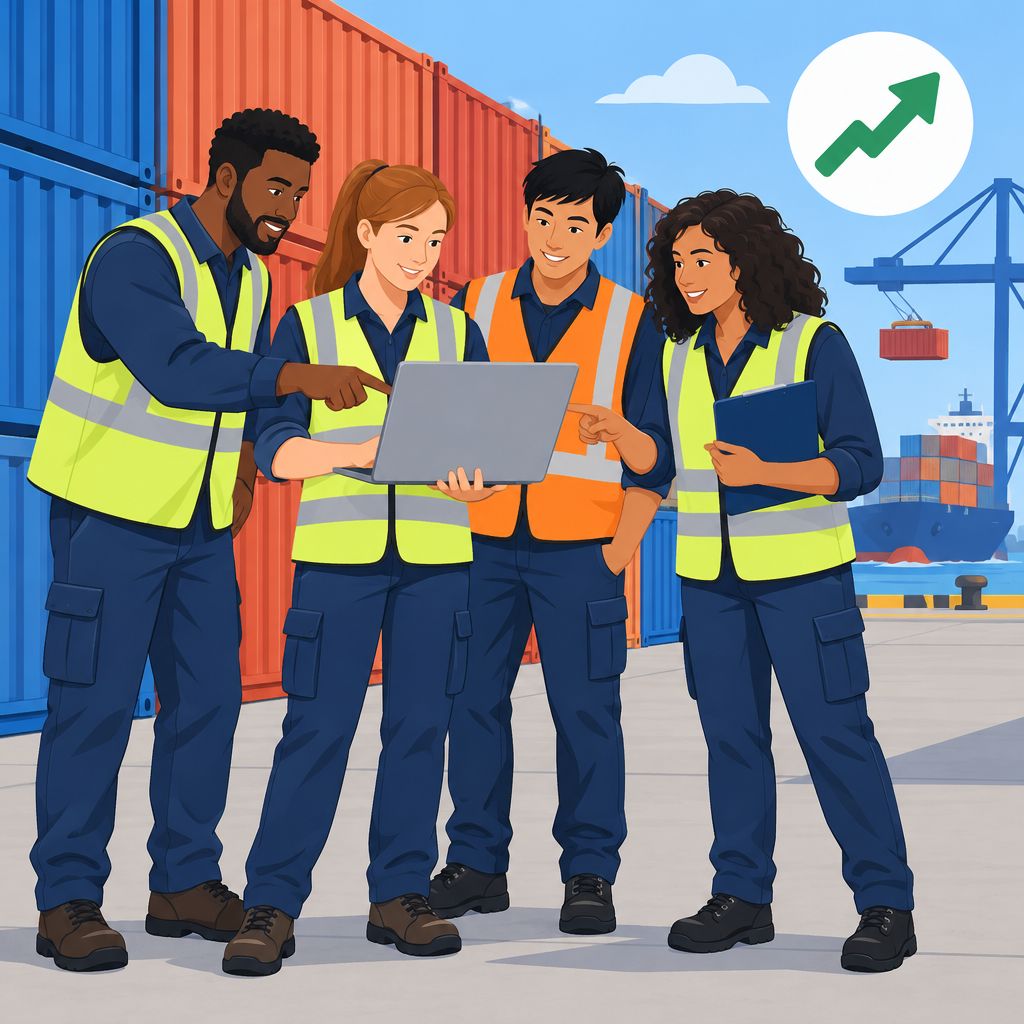
Impact of Diversity Among Dock Workers on Workplace Culture
Diverse perspectives help dock workers develop innovative solutions for complex logistical challenges.
Additionally, employees from different backgrounds can strengthen creativity and problem-solving skills.
Moreover, diverse teams can improve communication, teamwork, adaptability, and resilience.
- Diverse perspectives lead to innovative solutions for complex logistical challenges.
- Dock workers from different backgrounds can enhance creativity and problem-solving skills.
- A diverse group of employees can improve communication and teamwork.
- Diversity can increase adaptability during change and resilience during workplace challenges.
Importance of Promoting Inclusivity and Respect
Inclusive practices can create belonging and acceptance among all dock workers.
Furthermore, respectful workplaces can reduce conflicts and misunderstandings.
These conditions can improve morale, motivation, and the company’s reputation.
- Inclusivity creates a sense of belonging and acceptance among all dock workers.
- Respectful workplaces reduce the likelihood of conflicts and misunderstandings.
- Inclusive cultures boost employee morale and motivation to excel.
- Companies can strengthen their reputation by valuing diversity and inclusion.
Ways to Create an Inclusive Workplace Culture
Companies can provide diversity training to build awareness and understanding.
They can also encourage open communication and feedback about inclusion concerns.
Finally, equal opportunities and cultural recognition can help every dock worker contribute.
- Provide diversity training to raise awareness and promote understanding.
- Encourage open communication and feedback about diversity and inclusion issues.
- Implement policies that promote equal opportunities for all dock workers.
- Celebrate cultural diversity through events, workshops, and recognition programs.
Ultimately, diversity and inclusion benefit dock workers and support organizational success.
Inclusive companies create positive environments where dock workers feel valued and respected.
Consequently, every dock worker can feel empowered to contribute their best.
Gain More Insights: Freight Agent Strategies for Peak Season
Work-Life Balance and Employee Well-Being
Dock workers face significant challenges when they try to maintain balance between work and personal life.
Long hours, irregular schedules, and physically demanding duties can increase these challenges.
Therefore, logistics companies must support employee well-being to maintain a healthy, productive workforce.
When employees experience stress or overwork, job satisfaction may decline and turnover may increase.
Transform Your Career Today
Unlock a personalized career strategy that drives real results. Get tailored advice and a roadmap designed just for you.
Start NowChallenges Affecting Dock Workers’ Work-Life Balance
Dock workers often work nights and weekends while meeting tight operational deadlines.
Consequently, demanding schedules can limit family time and reduce opportunities for personal activities.
Furthermore, physically demanding duties can reduce energy levels and affect overall well-being.
Without suitable support and resources, workers may struggle to balance employment and personal responsibilities.
Why Employee Well-Being Matters in Logistics
Employee well-being helps companies maintain positive workplace cultures and support productivity.
By investing in worker well-being, companies can reduce absenteeism and employee turnover.
Additionally, well-being support can strengthen job satisfaction and improve morale among workers.
When companies value their employees, workers may perform strongly and contribute to organizational success.
Strategies for Supporting Balance and Mental Health
Flexible scheduling options can help dock workers manage employment demands alongside personal responsibilities.
Moreover, counseling services can provide mental health support during difficult periods.
Managers should encourage regular breaks and self-care practices to help prevent burnout.
Finally, wellness programs and healthy behavior incentives can promote well-being across the workplace.
Uncover the Details: Rail Yard Engineer Job Growth Predictions
Training and Professional Development Opportunities
Continuous training helps dock workers stay current with industry trends and effective workplace practices.
It also strengthens job skills, supports safer work, and improves operational performance.
Furthermore, professional development helps workers adapt to changing technologies, processes, and regulations.
- Enhanced Skills: Ongoing training gives dock workers the skills needed to perform their duties efficiently.
- Improved Safety: Training promotes safer practices, reduces accidents, and supports a secure workplace.
- Increased Productivity: Well-trained dock workers improve operational efficiency and support stronger workplace performance.
- Adaptability: Continuous learning prepares dock workers to respond to changes across the logistics industry.
Companies also benefit when they prioritize employee development.
Training shows dock workers that the organization values their growth and contributions.
As a result, development opportunities can strengthen satisfaction, loyalty, collaboration, and service quality.
Company Support for Dock Worker Growth
Companies can create practical opportunities that help dock workers build skills and pursue advancement.
These efforts encourage continuous learning while supporting stronger teamwork and employee engagement.
Moreover, clear development support can benefit both individual workers and the organization.
- Structured Training Programs: Companies can provide formal training that addresses dock workers’ specific needs.
- Mentorship and Coaching: Experienced employees can guide newer workers and support their professional development.
- Career Path Planning: Clear career paths can explain advancement opportunities and required skills.
- Financial Support: Organizations can help fund education, certifications, and relevant training courses.
- Recognition and Rewards: Companies can recognize workers who pursue training and demonstrate professional commitment.
These initiatives can establish a workplace culture that supports learning, growth, and advancement.
They can also help logistics organizations strengthen their workforce and sustain effective operations.
Workplace Culture Supports Sustainable Logistics Success
Workplace culture helps dock workers thrive and supports productivity, satisfaction, and organizational success.
Therefore, logistics companies should build environments that value teamwork, communication, and safety.
They must also invest in employee well-being to strengthen daily operations.
Additionally, supportive and inclusive workplaces can improve retention, performance, and morale.
Companies should embrace diversity, encourage open communication, and provide opportunities for growth and development.
These actions can support long-term success and sustainability across the logistics industry.
Now, logistics companies should prioritize positive workplace culture and empower dock workers.
Together, they can create a stronger future for everyone working in logistics.
Additional Resources
Bing search results for Workplace Culture for Dock Workers in Logistics Transportation and Logistics


