




Hierarchy in Dock Worker Teams
Efficiency and safety in dock worker teams depend on a clear hierarchy.
A structured team promotes better operations and safety in the dock environment.
Clear roles support coordinated work during dock operations.
Definition of Roles Within Dock Worker Teams
Dock worker teams support the smooth operation of ports and warehouses.
They help load and unload goods efficiently during dock operations.
Each team member performs specific duties that support safe cargo handling.
Positions Within a Dock Worker Team
The foreman coordinates team activities and manages daily dock operations.
Dock workers handle cargo directly while following safety procedures.
Forklift operators move heavy goods and store pallets securely.
- The foreman oversees the team, delegates tasks, and coordinates loading and unloading activities.
- Dock workers load and unload goods from trucks, ships, or trains.
- Forklift operators transport cargo, stack pallets, and move goods within the dock area.
Responsibilities Assigned to Each Role
Clear responsibilities help each team member understand their assigned duties.
The foreman guides the team and addresses operational issues.
Meanwhile, dock workers and forklift operators complete specialized cargo-handling tasks.
- Foreman: Oversees and coordinates dock worker team activities.
- Delegates tasks and ensures that deadlines receive proper attention.
- Ensures compliance with applicable safety regulations.
- Dock worker: Loads and unloads cargo from trucks, ships, or trains.
- Follows safety protocols and uses equipment properly.
- Communicates effectively with other team members.
- Forklift operator: Operates forklifts to move cargo within the dock area.
- Stacks and stores pallets safely.
- Maintains forklift equipment and reports any issues.
Communication Benefits During Dock Operations
Clear communication keeps dock workers informed about tasks, deadlines, and operational objectives.
Consequently, team members can coordinate their efforts and respond to changing work demands.
Additionally, workers can discuss challenges together and resolve problems before they disrupt operations.
Practices That Improve Team Communication
Team members should listen carefully when supervisors provide instructions or share important information.
Supervisors can reduce confusion by giving concise, specific, and understandable directions.
Furthermore, regular feedback helps workers identify concerns and improve communication within the team.
Operational Risks Caused by Miscommunication
Miscommunication about task sequences or cargo types can delay loading and unloading activities.
Incorrect counts or labels can also create inventory discrepancies and financial losses.
Finally, unclear safety information can expose workers to accidents, injuries, or fatalities.
Discover More: Freight Agent Strategies for Peak Season
Training and Skills Development for Different Hierarchy Levels
Different dock worker positions require specialized training.
Each role involves distinct responsibilities and skill requirements.
This preparation helps employees perform duties effectively while supporting workplace safety.
Role-Specific Training Needs
Dock supervisors need leadership and problem-solving skills.
Forklift operators require technical proficiency with heavy machinery.
Therefore, role-specific training equips employees to manage their assigned responsibilities competently.
Skills Development and Certification Pathways
Companies can provide on-the-job training, workshops, and seminars.
These programs can develop communication, problem-solving, and teamwork abilities.
Meanwhile, certifications can support employee progression within the dock worker hierarchy.
- Certified Cargo Security Professional (CCSP)
- OSHA Safety Training
- Forklift Operator Certification
- Leadership and Supervisory Skills Workshop
- Hazardous Materials Handling Certification
Workforce Development Outcomes
Employees with cargo handling, safety, and equipment certifications may qualify for higher responsibilities.
In addition, professional development can improve organizational efficiency.
Organizations also benefit by reducing turnover and maintaining industry competitiveness.
See Related Content: Rail Yard Engineer Job Growth Predictions
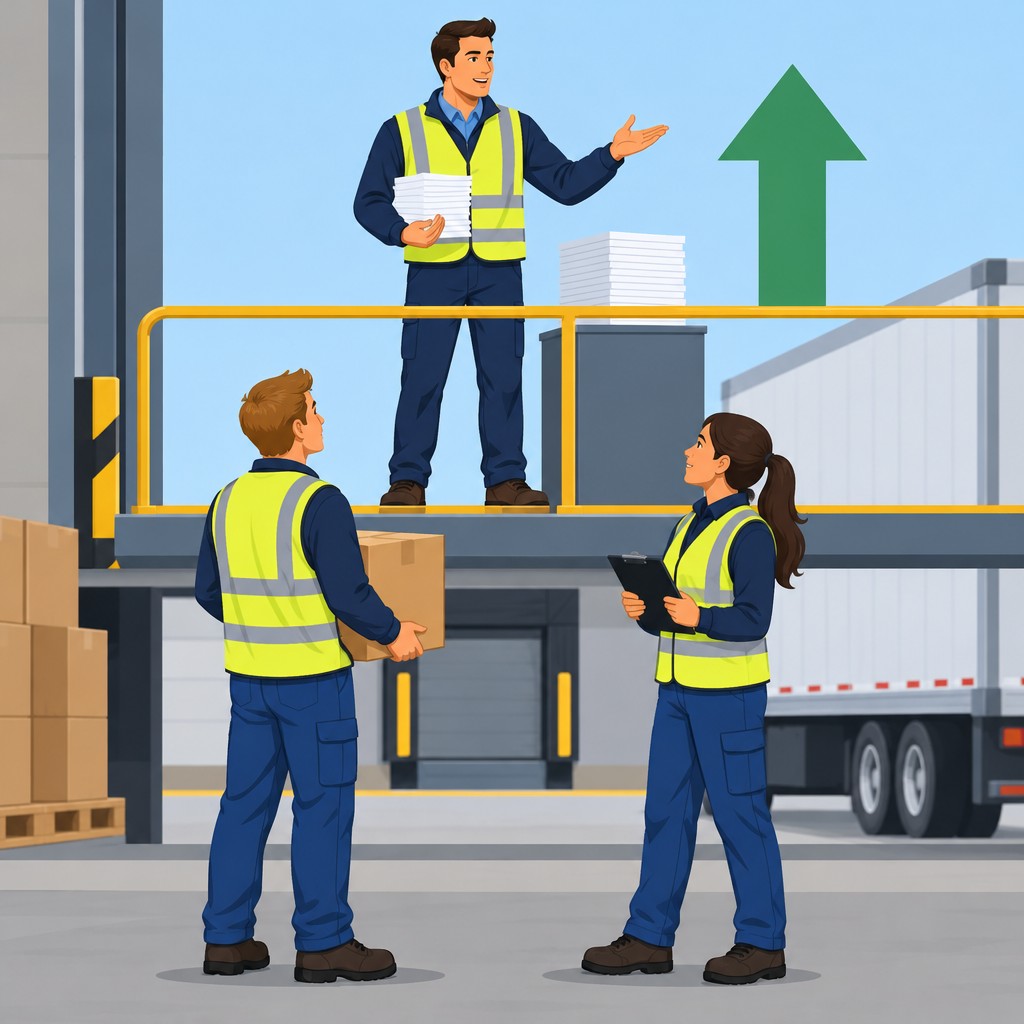
Teamwork and Collaboration Among Different Levels of the Hierarchy
Dock worker teams rely on teamwork to complete daily tasks smoothly.
Every member contributes to shared results, regardless of position.
Therefore, collaboration supports coordinated work across different levels.
Building a Culture of Teamwork
A collaborative culture creates a positive environment for dock worker teams.
When workers pursue a common goal, they can address challenges more effectively.
Transform Your Career Today
Unlock a personalized career strategy that drives real results. Get tailored advice and a roadmap designed just for you.
Start NowMoreover, shared effort can strengthen productivity during daily operations.
Collaboration Between Different Roles
Different roles can combine their skills to improve dock operations.
Additionally, cooperation helps teams organize tasks and reduce avoidable delays.
These partnerships allow workers to support efficient cargo handling.
- Dock workers and supervisors can coordinate tasks during cargo loading and unloading.
- Forklift operators and packers can streamline packing while reducing errors.
- Administrative staff and operations managers can improve scheduling and resource allocation.
Explore Further: Tips for Managing International Logistics Consulting
Recognition and Rewards for Team Members at All Levels of the Hierarchy
Recognizing team members at every level helps create a positive work environment.
Additionally, appreciation can strengthen morale, encourage productivity, and support shared team success.
By valuing each contribution, leaders can promote collaboration throughout the dock worker team.
Benefits of Acknowledging Contributions at Every Level
Recognition shows employees that leaders notice and value their efforts.
Furthermore, meaningful rewards can encourage team members to maintain strong performance.
When appreciation reaches every level, employees can feel more engaged and supported.
- Enhanced Morale: Recognizing employees at every level can boost morale and create appreciation within the team.
- Increased Motivation: Rewarding hard work can motivate team members to continue performing well.
- Improved Team Dynamics: Acknowledging everyone’s efforts can strengthen team dynamics and encourage support.
- Higher Productivity: Appreciated employees may remain more engaged and productive in their roles.
- Talent Retention: Recognizing contributions can help the organization retain valuable team members.
Ways to Reward and Motivate Dock Worker Team Members
Leaders can combine formal rewards with everyday appreciation to motivate team members.
Moreover, different reward options can address varied contributions and employee needs.
These approaches can help create a motivating workplace for the entire dock worker team.
- Employee of the Month: Recognize outstanding performance and contributions through a monthly program.
- Peer Recognition: Encourage team members to acknowledge and appreciate one another’s efforts.
- Monetary Rewards: Provide bonuses, incentives, or raises for hard work and dedication.
- Professional Development Opportunities: Offer training, mentorship, or advancement opportunities that support employee growth.
- Flexible Work Arrangements: Offer schedule flexibility or remote work options as rewards for contributions.
By combining these recognition and reward strategies, leaders can create a positive work environment.
Additionally, acknowledging every employee can support a strong and cohesive dock worker team.
Learn More: How to Build a Successful Freight Brokerage Firm
Challenges Within Dock Worker Team Hierarchies
Dock worker teams may face internal challenges that affect cooperation and daily performance.
These problems can emerge when authority, workload, priorities, or personal styles create tension.
Therefore, supervisors and team members should identify concerns early and address them constructively.
- Power struggles can cause employees to compete for control or authority within the team.
- Communication breakdowns can create misunderstandings and increase workplace conflict.
- Unequal workloads may leave some team members overburdened while others contribute less.
- Competing priorities can create tension when team members pursue conflicting objectives.
- Personality clashes may cause friction when employees have different work styles.
Strategies for Resolving Team Conflicts
Teams can reduce conflict by creating conditions that support respectful discussion and shared understanding.
Moreover, clear expectations help members address disagreements before they disrupt work.
Regular attention to team concerns also supports productive relationships across the hierarchy.
- Open communication encourages team members to discuss concerns honestly and transparently.
- Conflict resolution training teaches employees how to manage disagreements effectively.
- Clear roles and responsibilities reduce misunderstandings about duties and expectations.
- Regular team meetings allow members to address issues and maintain shared understanding.
- Conflict mediation can guide discussions and help participants develop practical solutions.
By addressing challenges proactively, dock worker teams can protect productivity and maintain a harmonious working environment.
Sustaining Dock Worker Team Development
Companies should prioritize team structure, communication, training, and teamwork to optimize operations.
Moreover, a supportive and collaborative environment can promote dock worker well-being.
Respect and cooperation help companies pursue their goals while protecting every team member’s safety.
Therefore, companies should invest in developing their dock worker teams.
Such investment can strengthen productivity and safety.
These efforts can create a positive work environment that benefits employees and the company alike.


