




Introduction
A magazine designer creates engaging layouts and visuals for printed publications.
They combine text, images, and graphics to tell compelling stories.
Their work transforms raw content into an aesthetic experience.
This process significantly impacts how readers perceive and enjoy the material.
Additionally, magazine design serves as a crucial element of visual communication.
It enhances storytelling by guiding readers through an engaging flow.
Good design captures attention and evokes emotions, making the content memorable.
Designers play a key role in bridging the gap between art and information.
They give life to words, creating a visual narrative that resonates with the audience.
This post explores a typical day in the life of a magazine designer.
By examining their daily routines, you will gain insight into magazine production processes.
Finally, let us examine how a designer transforms ideas into visual art.
Morning Routine
The sun peeks through the curtains as the magazine designer starts another day.
The atmosphere remains calm, yet it holds plenty of creative potential.
Each morning, the designer follows a routine that guides the creative process.
This structured beginning supports productivity and prepares the designer for demanding work.
Let's explore how a typical morning unfolds.
Early Wake-up
The designer rises early, typically around 6:30 AM.
This early start creates a quiet moment before the world awakens.
Mornings offer untouched energy without the usual distractions.
The designer enjoys this serene atmosphere while preparing mentally for the day.
The Importance of Breakfast
Breakfast plays a significant role in the designer's daily routine.
It fuels the body and provides essential nutrients.
The designer chooses breakfast options that support focus and stamina.
- Oatmeal with fresh fruit: A warm bowl provides comfort and energy.
- Smoothie: Greens, fruits, and protein help the designer stay energized.
- Avocado toast: This nutrient-dense option remains easy to prepare.
Each choice supports the designer's focus and stamina.
Breakfast also creates a quiet moment for reflection.
While sipping coffee, the designer reviews the day's goals.
Mental Preparation
Mental preparation proves equally crucial to the designer's routine.
The designer visualizes the day's tasks and imagines creative solutions.
This mental exercise encourages innovation throughout the day.
The morning provides valuable time to establish a focused mindset.
- Mindfulness meditation: Five minutes helps clear the mind.
- Journaling: Writing organizes ideas and intentions.
- Planning: Listing priorities keeps important tasks visible.
These activities cultivate a focused mindset.
That clarity reduces stress as deadlines approach.
Clarity and calm create a strong foundation for creativity.
Checking Emails
After breakfast, the designer checks emails.
The designer logs in and opens the inbox.
Responses connect the designer with team members and clients.
These quick communications establish a foundation for collaboration.
- Sort emails: The designer separates urgent messages from non-urgent ones.
- Scan for updates: Project updates help the designer plan effectively.
- Respond promptly: The designer addresses pressing matters first.
Early communication promotes teamwork throughout the day.
It also helps prevent misunderstandings during later discussions.
Transform Your Career Today
Unlock a personalized career strategy that drives real results. Get tailored advice and a roadmap designed just for you.
Start NowPrompt responses allow the designer to notice new projects.
Setting Daily Goals
After handling emails, the designer outlines a to-do list.
This list becomes the roadmap for the day.
It includes key tasks and upcoming deadlines.
- Sketch initial designs: The designer explores layouts and visual features.
- Client meetings: Discussions address feedback and new project briefs.
- Collaboration: The designer brainstorms concepts with writers and photographers.
- Reviewing print proofs: The designer checks how layouts appear on printed pages.
A short break follows the planning session.
The designer uses breaks to sustain energy.
A ten-minute walk or stretching session refreshes the body and mind.
During this time, the designer seeks fresh creative inspiration.
Final Preparation Before Leaving Home
As morning progresses, the designer prepares to leave for the studio.
The designer gathers essential tools for the day ahead.
Having the right materials supports productivity and creative flow.
The designer often packs a tablet and sketchbook.
- Tablet: It supports digital designs and quick edits while traveling.
- Sketchbook: It captures spontaneous ideas whenever they appear.
- Reference materials: Books and magazines inspire current projects.
This preparation gives the designer flexibility throughout the day.
Adaptability matters in a fast-paced creative environment.
Before leaving, the designer pauses to center themselves.
This small practice encourages gratitude for the day ahead.
Journey to the Studio
The designer begins the commute to the studio.
Travel by bike, car, or public transport creates a transition into creative work.
The city's sights and sounds provide ongoing inspiration.
The designer may listen to music or a podcast during the journey.
Informative or entertaining content can spark new ideas.
Finally, the designer arrives at the studio ready to begin the workload.
The morning routine fuels the designer's passion for creative work.
Thoughtful preparation strengthens both creativity and productivity.
Each morning becomes a recharging ritual that supports a fulfilling day.
Daily Team Meetings
Daily team meetings support collaboration in a magazine’s design department.
Designers, editors, writers, and photographers gather to synchronize their efforts.
These sessions keep everyone aligned with shared goals and current priorities.
Regular communication strengthens relationships and improves creative outcomes.
Team dynamics influence the magazine’s overall success.
Overview of Team Dynamics
Each team member holds a specific role that supports the entire publication.
Designers develop visual aesthetics, while writers deliver compelling narratives.
Editors improve clarity and coherence throughout the magazine.
Photographers capture images that strengthen the publication’s visual appeal.
This range of skills creates a rich exchange of ideas.
Mutual respect encourages members to communicate openly.
An open atmosphere supports creativity and innovation.
Team members share insights, critique designs, and offer constructive feedback.
These exchanges encourage fresh ideas and practical solutions.
Brainstorming sessions help the team explore themes, layouts, and features.
Transform Your Career Today
Unlock a personalized career strategy that drives real results. Get tailored advice and a roadmap designed just for you.
Start NowMembers use their expertise to strengthen the magazine’s content.
They welcome contributions and value each participant’s perspective.
Collaboration with Editors, Writers, and Photographers
Designers collaborate closely with editors and other creative professionals.
Regular discussions help designers align layouts with the editorial vision.
Designers review articles with editors to understand their context.
That understanding helps them create layouts that complement the text.
Designers also work with writers to understand each article’s narrative.
They use those insights to make informed design decisions.
Photographers contribute another important perspective during team meetings.
They share their visual ideas and explain their creative approach.
This exchange helps designers integrate photographs smoothly into layouts.
Close collaboration also supports consistently high-quality visuals.
When everyone understands each other’s processes, the team creates a cohesive magazine.
Brainstorming Sessions and Creative Development
Morning meetings often begin the team’s brainstorming process.
The group discusses ideas and concepts in a relaxed setting.
Members review previous issues and identify successful elements.
They also examine areas that future editions could improve.
These conversations spark inspiration and encourage lively discussions.
Everyone can express thoughts and propose unconventional ideas.
The team often uses mood boards and design mock-ups during brainstorming.
Visual aids make concepts easier to understand and discuss.
They help team members visualize possibilities and provide useful feedback.
Each participant contributes a perspective that enriches the process.
Free-flowing ideas keep the atmosphere lively and engaging.
Typical Meeting Agendas
Each meeting covers several points that guide the team’s work.
- Review Previous Issue – Discuss successes and setbacks to guide future changes.
- Upcoming Themes – Brainstorm ideas for upcoming editions and their focus.
- Content Alignment – Ensure the design supports the editorial plans.
- Visual Inspirations – Share trends, colors, and styles that could influence designs.
- Resource Allocation – Assign designers to specific projects or tasks.
- Deadlines and Milestones – Review timelines for layouts and related challenges.
- Feedback Loop – Discuss reader feedback to improve future editions.
These agenda items keep meetings focused and productive.
Each topic gives members space for detailed discussion.
Open exchanges can lead to creative breakthroughs.
Shared involvement helps the magazine develop a unified identity.
Collaboration also shapes the publication’s visual narrative.
End-of-Meeting Reflections and Accountability
At the meeting’s end, team members review the main takeaways.
Participants express excitement about the ideas taking shape.
They discuss responsibilities and confirm upcoming tasks.
Each participant leaves with renewed energy and inspiration.
This structure creates a consistent creative rhythm.
Meetings encourage accountability and help colleagues meet expectations.
Sharing daily challenges strengthens the team’s sense of camaraderie.
Clear agendas and structured dialogue keep the creative process moving.
As designers engage with the team, new possibilities emerge.
See Related Content: Key Responsibilities of a Broadcast Technician
Transform Your Career Today
Unlock a personalized career strategy that drives real results. Get tailored advice and a roadmap designed just for you.
Start NowResearch and Inspiration
Successful magazine designers rely on research and inspiration to develop strong visual concepts.
They explore many sources that stimulate imagination and support fresh creative decisions.
Magazines, online platforms, and nature can all influence a designer’s approach.
Gathering Inspiration
Designers dedicate time each day to exploring different creative platforms.
They study magazines from fashion, lifestyle, travel, and other genres.
This research reveals layouts and typography choices that may engage specific audiences.
Meanwhile, Pinterest and Behance provide extensive collections of visual ideas.
Designers save compelling images and revisit them during later planning stages.
Instagram also supplies visual references that can spark new concepts quickly.
Additionally, nature offers colors, textures, and shapes that support organic design thinking.
A simple walk can inspire an entire project or suggest a distinctive visual direction.
For example, sunset colors can guide the development of a fresh palette.
Mood Boards and Style Guides
After gathering references, designers organize their strongest ideas into mood boards.
A mood board combines colors, images, and textures that express a project’s tone.
Designers select each element carefully to support the intended theme.
They usually begin by defining the project’s theme and objectives.
- Define the project’s theme and objectives before collecting references.
- Collect images that represent different aspects of the chosen theme.
- Select a color palette that complements the project’s intended direction.
- Include typography samples that support the desired mood.
- Arrange every element cohesively to visualize the proposed result.
Furthermore, a strong mood board helps designers communicate ideas to their colleagues.
It gives everyone a shared visual direction before production begins.
Style guides also preserve consistency by documenting fonts, colors, and recurring design elements.
As a result, designers can make informed choices throughout the project.
Current Design Trends
The design field changes continually as new visual trends emerge.
Therefore, magazine designers monitor industry news, blogs, and creative discussions.
This habit helps them adapt their work while maintaining a distinct perspective.
Design newsletters and magazines provide curated insights into changing practices.
Webinars, workshops, and conferences also connect designers with knowledgeable peers.
Moreover, online design communities encourage discussion and expose members to varied approaches.
Influential designers and studios can demonstrate techniques that expand a designer’s toolkit.
- Subscribe to design newsletters and magazines for curated insights.
- Attend webinars, workshops, and conferences to exchange ideas with peers.
- Engage with design communities across social media platforms.
- Follow influential designers and studios to study their work.
- Visit design-focused websites regularly to discover emerging trends.
By using these strategies, designers introduce fresh ideas into their magazine projects.
Consequently, ongoing research strengthens skills and expands creative possibilities.
Applying Inspiration to Design Work
Once designers complete their research, they begin translating references into design decisions.
They use mood boards and style guides to guide layouts, images, and typography.
Each element should support the visual direction established during the research phase.
Designers revisit their mood boards whenever they need to evaluate a choice.
This practice keeps the project cohesive from early concepts through final production.
Additionally, combining references from different mediums can create a distinctive visual language.
That approach helps designers distinguish their magazine work within the industry.
Creative Collaboration
Creative collaboration can broaden a designer’s perspective and strengthen the final result.
Designers may consult photographers, illustrators, and writers during project development.
Each professional contributes knowledge that can expand the project’s visual possibilities.
Brainstorming sessions also reveal concepts that individual work might overlook.
Transform Your Career Today
Unlock a personalized career strategy that drives real results. Get tailored advice and a roadmap designed just for you.
Start NowDuring these discussions, designers share mood boards and early ideas with collaborators.
That exchange can produce unexpected breakthroughs and useful creative directions.
As collaboration continues, the project gains energy and develops through shared exploration.
Reflection and Professional Growth
After completing a project, designers evaluate how effectively their inspiration shaped the result.
They consider audience responses and examine how design choices affected reader engagement.
Feedback from peers and readers can reveal strengths and opportunities for improvement.
This reflection helps designers understand which approaches connected most effectively.
It also encourages them to refine their methods for future projects.
Each experience expands their understanding and supports long-term creative development.
Through research, collaboration, and reflection, designers create compelling visual narratives for readers.
You Might Also Like: Marketing Manager Interview: Questions to Expect
Creating Effective Magazine Layouts
Creating layouts for magazines offers designers an exciting opportunity to express creativity.
Designers must also follow specific guidelines while developing attractive and functional pages.
A clear process helps them meet requirements while expressing a unified visual vision.
- Define the Concept: Identify the magazine’s audience and purpose before developing its visual direction.
- Select Design Software: Choose tools such as Adobe InDesign, Illustrator, or Canva for the project.
- Set Up Your Document: Select suitable dimensions, such as A4, letter, or a custom size.
- Create a Grid System: Establish columns and guides to organize content placement consistently.
- Import Text and Images: Add correctly formatted text and high-resolution images to the document.
- Design the Cover: Combine striking visuals and bold typography to attract potential readers.
- Arrange Layout Elements: Position images, text blocks, and supporting elements with balance and alignment.
- Utilize White Space: Add breathing room that prevents clutter and improves reading comfort.
- Include Visual Hierarchy: Use size and contrast to emphasize important information and headlines.
- Review and Edit: Proofread the text and revise the design for clarity and visual quality.
- Get Feedback: Present the layout to a colleague or client and apply useful suggestions.
- Final Output and Publish: Export the finished layout in the correct format for print or digital use.
Typography, Color, and Imagery
Typography, color, and imagery form the foundation of effective magazine design.
Together, these elements strengthen visual storytelling and help readers understand the content.
Each choice should support the magazine’s personality, structure, and communication goals.
Typography
- Font Selection: Select fonts that reflect the magazine’s personality and intended atmosphere.
- Readability: Use suitable font sizes and spacing to make the content easy to read.
- Hierarchy: Vary font sizes and weights to guide readers through the content smoothly.
Color Schemes
- Color Psychology: Apply color choices that support the emotional response you want to encourage.
- Consistency: Repeat selected colors throughout the layout to reinforce visual cohesion and identity.
- Contrast: Create sufficient contrast between text and backgrounds to improve legibility.
Imagery
- High-Quality Images: Use high-resolution visuals to attract attention and maintain presentation quality.
- Relevance: Choose images that complement the content and strengthen reader understanding.
- Layout Integration: Integrate images smoothly so they enhance rather than distract from the text.
Balancing Creativity with Readability
Magazine design requires creativity, technical skill, and careful attention to detail.
However, creative choices should support readability instead of overwhelming the content.
A balanced layout can remain distinctive while helping readers navigate information comfortably.
- Prioritize Content: Let the content guide design decisions throughout the layout process.
- Limit Fonts: Use two or three font families to maintain clarity and visual consistency.
- Use Visual Breaks: Divide large text blocks with images, pull quotes, or infographics.
- Stay on Brand: Align design choices with the magazine’s established visual identity.
- Test Readability: Review layouts on different devices or printed proofs before publishing.
- Seek Inspiration, Not Imitation: Study other magazines while developing an original visual approach.
Strong magazine layouts combine creative expression with technical control.
Designers can create engaging pages by following a structured process and choosing elements carefully.
Every design decision contributes to the magazine’s visual appeal, readability, and communication.
Learn More: Role of a Sports Announcer in Live Events
Revisions and Feedback
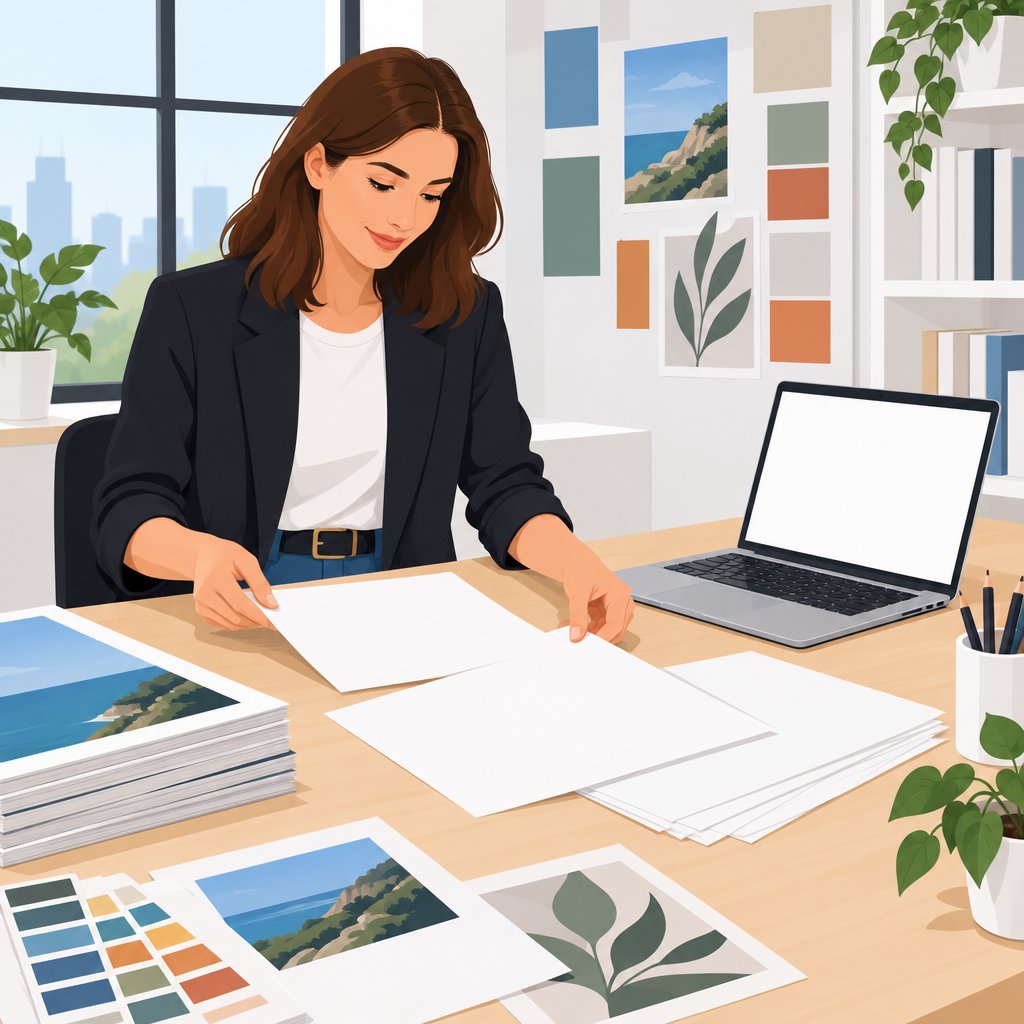
A magazine designer’s day often revolves around revisions and feedback.
Design rarely follows a linear path.
Instead, it requires constant iteration, discussion, and refinement.
Each design stage brings fresh insights.
Designers collaborate with editors, writers, and peers to create cohesive visuals.
The Iterative Process of Design
Initial drafts provide an essential starting point for every design project.
The following steps guide this iterative process.
- Brainstorming Ideas: Designers gather inspiration from magazines, websites, and current design trends.
- Creating Wireframes: Designers sketch simple outlines to visualize layouts and position key elements.
- Developing Mockups: Designers create detailed visuals containing colors, fonts, images, and other elements.
- Presenting to the Team: Designers explain their choices while gathering initial feedback from teammates.
Flexibility strengthens the iterative process.
Designers adapt their work according to suggestions from team members.
Each revision round sharpens the design and supports a polished final product.
Coping with Feedback
Feedback can sometimes feel overwhelming.
However, practical strategies help designers manage and apply feedback effectively.
- Listening Actively: Designers listen carefully to understand every critique completely.
- Avoiding Defensiveness: Designers treat feedback as an opportunity to improve their work.
- Breaking Feedback into Manageable Parts: Designers divide extensive feedback into smaller, actionable tasks.
- Prioritizing Feedback: Designers rank suggestions according to relevance and feasibility.
This approach produces a more refined design.
It also encourages a collaborative environment.
When feedback becomes actionable, every participant benefits.
Maintaining Creative Integrity
Designers must accommodate feedback without abandoning their creative integrity.
Transform Your Career Today
Unlock a personalized career strategy that drives real results. Get tailored advice and a roadmap designed just for you.
Start NowSeveral strategies help them balance collaboration with personal design judgment.
- Staying True to the Vision: Designers align useful feedback with the project’s original vision.
- Reframing Critique: Designers treat criticism as a way to strengthen the overall project.
- Choosing Battles Wisely: Designers implement suggestions that genuinely improve the design.
- Creating a Design Rationale: Designers document their reasoning to support clearer discussions.
A designer’s role involves balancing feedback with creative instincts.
This balance often produces strong, compelling designs.
Openness to critique helps designers maintain integrity and continue growing.
Finalizing Magazine Designs
After revisions conclude, designers apply the final touches.
This finalization phase demands careful attention.
Designers complete several important tasks before approval.
- Last Review: Designers examine every detail against the magazine’s overall vision.
- File Preparation: Designers adjust resolution and color accuracy for print or digital formats.
- Collaborative Approval: Editors and stakeholders confirm their satisfaction with the final design.
- Archiving Work: Designers preserve project files for possible future revisions.
Iteration, feedback, and finalization reveal the complexity of magazine design.
Each day presents new challenges and opportunities for growth.
Revisions and feedback drive the magazine design process.
Designers use this cycle to challenge their creativity and strengthen their work.
The final product reflects individual skill and collective effort.
This dynamic process helps each magazine issue improve over time.
Learn More: Role of a Film Producer in Movie Production
Finalizing the Issue
The countdown to publication creates intense excitement.
As a magazine designer, the final days feel like a thrilling race against time.
Every detail must come together perfectly.
Meanwhile, deadlines loom and contributors submit ongoing changes.
The Rush Before Publication
Finalizing an issue involves numerous tasks that require focus.
Designers gather every element, including articles and images.
Each piece contributes to the finished publication.
Furthermore, designers compile the layout with precision and creativity.
Every page should tell a story while maintaining visual harmony.
- Collecting Articles: Designers work with editors and writers to assemble finalized text.
- Timely communication ensures that all necessary content arrives punctually.
- Selecting Images: Designers choose supporting visuals for each article.
- They select impactful images that strengthen the written content.
- Creating Layouts: Designers craft logical layouts using copy and visuals.
- The eye should move naturally from one section to another.
- Incorporating Branding: Designers maintain the magazine’s distinct identity throughout the issue.
- They apply consistent fonts, colors, and logos across every page.
This flurry of activity demands attention and creativity.
Designers thrive in collaborative environments that encourage quick decisions.
Additionally, editors and team members provide feedback that refines each layout.
Managing Deadlines
Deadlines remain non-negotiable in the publishing world.
Everyone involved experiences both excitement and pressure.
Designers juggle multiple tasks while protecting the issue’s quality.
- Creating a Timeline: Designers develop a structured timeline for the production process.
- This schedule tracks progress and supports critical publication milestones.
- Prioritizing Tasks: Designers identify tasks that require immediate attention.
- Consequently, they direct their effort toward the most crucial work.
- Embracing Flexibility: Designers adapt quickly when last-minute changes arise.
- They rework layouts while preserving the design’s central vision.
- Communicating with the Team: Clear communication prevents misunderstandings during production.
- Regular check-ins keep everyone informed and aligned.
As the deadline approaches, adrenaline fuels creativity.
Team dynamics develop into high-energy collaboration.
Meanwhile, everyone offers support as the final touches come together.
The Role of Pre-Print Checks
Once the design reaches its final stages, pre-print checks become critical.
Quality assurance helps ensure that every element appears correct in print.
Designers use several measures to catch potential issues.
- Proofreading Text: Designers review articles for typographical and grammatical errors.
- Even minor mistakes can damage the publication’s credibility.
- Verifying Image Quality: Designers check every image’s resolution and clarity.
- Poor image quality can weaken the overall presentation.
- Checking Colors: Designers compare printed colors with their digital appearance.
- They review color profiles to support accurate results.
- Reviewing Layout: Designers inspect alignment, spacing, and flow on every page.
- A well-organized layout improves the reader’s experience.
This meticulous process protects the issue’s visual integrity.
Moreover, pre-print checks prevent costly mistakes and post-publication delays.
Team members collaborate during this stage and offer fresh perspectives.
Final Adjustments
After completing pre-print checks, designers implement final adjustments.
These last tweaks refine the publication’s overall appearance.
Transform Your Career Today
Unlock a personalized career strategy that drives real results. Get tailored advice and a roadmap designed just for you.
Start NowMeanwhile, excitement grows as the publication date approaches.
- Incorporating Feedback: Designers address essential feedback from editors.
- Each suggestion can improve the issue’s final version.
- Adjusting Layouts: Designers make minor changes to improve the page structure.
- Small refinements often elevate the overall design.
- Final Color Checks: Designers review colors against the magazine’s identity.
- They confirm consistency across every page.
- File Preparation: Designers prepare files according to printing specifications.
- Correct formatting prevents future complications.
As everyone finalizes their contributions, anticipation continues to build.
The office energy becomes increasingly palpable.
Excitement grows because the team’s hard work is nearly complete.
The Big Send-Off
When the team sends the issue to print, accomplishment fills the room.
Designers double-check the files before pressing the final button.
This moment marks an important transition in the publishing process.
- Celebrating Team Efforts: The entire team gathers to recognize its shared dedication.
- Everyone acknowledges the hard work behind the issue.
- Reflecting on the Process: Team members discuss the challenges they faced.
- Open discussions foster camaraderie and understanding.
- Planning for the Next Issue: The team shifts attention toward the next issue.
- Continuous improvement supports future success.
The rush before publication feels exhilarating, challenging, and rewarding.
Designers navigate a whirlwind of tasks through creativity and collaboration.
Each issue tells a unique story shaped by hard work and passion.
Finally, seeing the magazine on shelves makes every moment worthwhile.
Wrap-up and Reflection
As final touches reach each magazine issue, the design day comes to a close.
A strong sense of accomplishment fills the room after the team completes its work.
Before starting another project, the designer reflects on the creative process and its results.
Benefits of Self-Reflection
Self-reflection helps designers identify successful choices and areas that need improvement.
Furthermore, thoughtful review encourages new ideas for future magazine projects.
By recognizing achievements, designers strengthen their confidence and guide future decisions.
- Enhances skills: Designers identify specific areas that require improvement.
- Boosts creativity: Reflection helps designers develop fresh ideas for upcoming projects.
- Increases confidence: Recognizing achievements strengthens professional self-belief.
- Guides future decisions: Designers apply useful insights to their next assignments.
This practice creates a continuous cycle of learning and improvement.
Consequently, each completed project prepares the designer for the next endeavor.
Reflection also connects creative decisions with measurable results.
Lessons That Strengthen Future Projects
Every magazine project produces valuable lessons throughout the creative journey.
Careful review helps the designer preserve effective methods and improve weak processes.
These insights create stronger foundations for future design work.
- Time management matters: Careful planning helps the designer meet deadlines efficiently.
- Feedback provides value: Constructive criticism improves the quality of the final design.
- Collaboration raises quality: Writers, photographers, editors, and designers create richer products together.
- Adaptability supports progress: Flexibility helps the designer respond to changing project needs.
These lessons help the designer become more skilled and prepared.
Meanwhile, each experience adds another building block to professional growth.
The designer can then approach future assignments with greater clarity.
Challenges That Build Resilience
Design projects often present obstacles that test the designer’s patience and judgment.
Although these difficulties create pressure, they also encourage professional development.
By addressing each obstacle, the designer builds resilience and practical experience.
- Time constraints: Tight deadlines can increase stress and limit creative exploration.
- Client expectations: Designers must balance creative vision with client needs.
- Technical difficulties: Software issues and design bugs can interrupt the workflow.
- Maintaining originality: Designers must continue presenting fresh ideas for their audience.
Each challenge reveals an opportunity to improve methods and decision-making.
Furthermore, difficult moments teach the designer to remain focused and flexible.
Resilience allows the designer to continue producing thoughtful work under pressure.
Accomplishments Worth Celebrating
After completing a project, the team benefits from recognizing its accomplishments.
Celebration raises morale and encourages everyone to pursue creative excellence.
It also reminds contributors how their combined efforts shaped the finished issue.
- Successful launch: A well-received issue reflects teamwork and dedication.
- Positive audience feedback: Reader compliments affirm the designer’s hard work.
- Award nominations: Industry recognition highlights talent and sustained effort.
- New techniques mastered: Learned skills support continued professional growth.
Recognizing progress also strengthens unity among team members.
As a result, celebration creates a supportive atmosphere for future creativity.
The team can carry that positive energy into its next assignment.
Future Design Priorities
After reviewing the completed issue, the designer turns attention toward upcoming work.
Anticipation grows as the next magazine issue presents new creative possibilities.
Transform Your Career Today
Unlock a personalized career strategy that drives real results. Get tailored advice and a roadmap designed just for you.
Start NowClear priorities can help the designer manage those opportunities with purpose.
- Explore new design trends: Current styles can help maintain visual relevance.
- Enhance reader engagement: Innovative approaches can strengthen the audience experience.
- Incorporate new technology: Updated tools can streamline the design process.
- Emphasize sustainability: Eco-friendly materials and practices can support responsible design.
These goals encourage creativity while supporting practical improvements.
Each new issue offers the designer another opportunity to create remarkable work.
With every project, skills sharpen, creativity develops, and experience supports future success.
Responsibilities That Shape Each Issue
Throughout the day, magazine designers manage several responsibilities.
They brainstorm concepts, collaborate with writers, and develop layouts.
Designers select fonts, colors, and images to bring stories to life.
They also check details carefully, ensuring every element supports the magazine’s vision.
Furthermore, designers work with editors to balance visual appeal and readability.
They communicate ideas and feedback throughout each project.
Each assignment begins with a creative brief that guides the design process.
As deadlines approach, designers refine their work and improve the overall presentation.
Design as Visual Storytelling
Magazine designers play a crucial role in visual storytelling.
Their designs can captivate readers and strengthen the presented content.
Good design attracts attention and encourages readers to remain engaged.
It creates a visual narrative that complements the written word.
Through layout choices, designers communicate a magazine’s tone and style.
Moreover, readers often judge a magazine by its cover and layout.
A striking cover can encourage readers to pick up an issue.
Well-designed pages can guide readers through articles from start to finish.
Opportunities in a Changing Industry
For aspiring designers, this career offers meaningful creative rewards.
It combines creativity with technical skills and allows room for self-expression.
Designers work in dynamic environments alongside diverse professionals.
Each project creates opportunities for exploration and innovation.
Meanwhile, digital formats challenge designers to adapt and develop new approaches.
Aspiring designers should embrace technology while following important design principles.
A successful career combines traditional methods with modern techniques.
For people who enjoy visual storytelling, magazine design offers a fulfilling path.
The ability to influence story presentation gives designers significant creative power.
Those passionate about design can explore this vibrant industry.
It offers opportunities to inspire and engage audiences through creativity.
Additional Resources
Google search results for Day in the Life of a Magazine Designer Media and Communication
Bing search results for Day in the Life of a Magazine Designer Media and Communication


