




Introduction
Broadcast technicians play a vital role in the media industry.
They ensure that audio and video signals reach viewers seamlessly.
Without their work, radio and television experiences would suffer greatly.
Setting Up Equipment
Broadcast technicians install and maintain studio equipment.
They set up cameras, microphones, mixing consoles, and broadcasting software.
Before broadcasts, technicians test every device to confirm proper operation.
Additionally, they adapt equipment setups for different shows and events.
Monitoring Broadcasts
During live broadcasts, technicians monitor audio and video feeds continuously.
They watch equipment performance and identify potential problems quickly.
When issues arise, technicians troubleshoot them immediately to limit disruptions.
They may adjust sound levels or change camera angles in real time.
Conducting Repairs and Maintenance
Technicians perform regular repairs and maintenance on broadcasting equipment.
Routine checks help them keep systems operating smoothly.
Furthermore, regular maintenance prevents many problems during broadcasts.
When equipment fails, technicians diagnose and repair the underlying issues efficiently.
Collaborating with Other Professionals
Broadcast technicians collaborate with producers and directors on technical requirements.
They discuss the equipment and setup each show requires.
Clear communication helps every team member understand the production plan.
Technicians may also train new staff to use equipment correctly.
Staying Current with Technology
Broadcasting technology continues to evolve rapidly.
Technicians stay informed about emerging tools and industry trends.
They often attend training sessions or workshops to strengthen their skills.
As a result, technicians help stations use current technology effectively.
Broadcast Technician Definition
A broadcast technician operates, maintains, and repairs equipment used in radio and television broadcasting.
The technician manages signal transmission and supports high-quality audio and visual output.
This profession requires technical knowledge, practical skills, and careful attention to broadcast requirements.
Broadcast Work Environments
Broadcast technicians work in television stations, radio stations, and live event settings.
Each environment requires technicians to adapt their methods and respond to changing production needs.
They often manage time-sensitive situations, particularly during live broadcasts.
- Television Stations: Technicians support smooth operations behind the scenes during broadcasts.
- Radio Stations: Technicians manage sound equipment and support clear audio transmission.
- Live Events: Technicians install and maintain equipment for concerts, sports, and other events.
Technical Skills and Knowledge
Technical skills help broadcast technicians operate equipment and preserve reliable production quality.
They must understand cameras, microphones, mixing boards, transmitters, and signal systems.
Furthermore, they need troubleshooting abilities and knowledge of safety protocols.
- Equipment Operation: Technicians operate cameras, mixing boards, and other technical instruments.
- Signal Transmission: Technicians study signal transmission to protect broadcast quality.
- Software Utilization: Technicians use editing and production software for broadcast work.
- Safety Knowledge: Technicians follow safety procedures around high-voltage equipment and hazardous materials.
Core Broadcast Responsibilities
Broadcast technicians perform several responsibilities that support consistent and effective transmissions.
They combine equipment knowledge, problem-solving skills, and communication throughout each production.
Their daily decisions influence audio quality, visual quality, and operational reliability.
Equipment Maintenance Practices
Technicians prepare broadcast equipment, including cameras, microphones, lights, and transmitters.
Before broadcasts, they test equipment to confirm that each component functions properly.
They also perform routine maintenance to reduce the risk of failures during important events.
Technical Troubleshooting
Broadcast technicians diagnose equipment failures and signal loss when problems occur.
During live situations, they identify causes and apply solutions without unnecessary delay.
Transform Your Career Today
Unlock a personalized career strategy that drives real results. Get tailored advice and a roadmap designed just for you.
Start NowTherefore, calm decision-making and practical experience help protect broadcasts from technical disruption.
Production Team Collaboration
Technicians collaborate with producers, directors, and other production staff.
They discuss technical needs and make adjustments for specific scenes or broadcast segments.
Clear communication helps the entire team maintain an organized and consistent workflow.
Equipment Operation During Broadcasts
During transmissions, technicians operate equipment that controls audio, video, and graphics.
They manage audio levels, switch camera angles, and control graphic elements.
At the same time, they adjust settings to preserve balanced audio-visual quality.
Broadcast Quality Monitoring
Technicians monitor audio and video quality throughout each transmission.
They use technical equipment to assess quality levels and detect discrepancies.
When problems appear, technicians address them immediately to maintain broadcast standards.
Continuing Technology Education
Broadcast technology changes rapidly, so technicians continue developing their technical knowledge.
They may attend workshops or training sessions to strengthen their professional skills.
This ongoing learning helps technicians use new equipment and production tools effectively.
Regulatory and Safety Compliance
Broadcast technicians follow local and federal regulations that govern broadcasting operations.
They verify that equipment meets applicable safety and technical standards.
They also support licensing requirements and maintain acceptable signal quality.
Professional Value in Media Production
Broadcast technicians support reliable audio and visual experiences for audiences.
Their maintenance, monitoring, and troubleshooting work strengthens production quality.
By combining technical expertise with teamwork, they help organizations deliver successful broadcasts.
Broadcast Equipment Operations and Maintenance
Broadcast technicians operate and maintain equipment that carries audio and visual content.
They monitor production systems to support smooth broadcasts and consistent signal quality.
Additionally, their technical decisions help productions deliver clear content to audiences.
Typical Broadcast Equipment
Broadcast technicians use specialized tools to capture, process, and transmit media.
Each equipment category supports a different stage of the production process.
Therefore, technicians must understand how these systems work together during broadcasts.
- Cameras: Broadcast cameras capture high-quality video for studio and field productions.
- Microphones: Dynamic, lavalier, and shotgun microphones capture audio in different production environments.
- Transmitters: Transmitters send audio and video signals to broadcast towers or satellites.
- Mixing Consoles: Mixing consoles manage audio inputs and outputs during live broadcasts.
- Signal Processors: Signal processors improve signal quality and help control audio levels.
- Video Switchers: Video switchers change between camera feeds and other media sources.
Routine Equipment Maintenance
Regular maintenance extends equipment life and supports reliable broadcast performance.
Technicians should follow manufacturer guidance when they service and calibrate equipment.
Furthermore, consistent checks can identify problems before they interrupt a production.
- Regular Cleaning: Technicians clean cameras and microphones with microfiber cloths and avoid harsh chemicals.
- Calibration: Regular calibration helps audio and video equipment produce accurate results.
- Testing: Technicians test equipment startup, signal quality, and audio levels before broadcasts.
- Software Updates: Software updates can address bugs and improve equipment functionality.
- Cable Checks: Technicians inspect cables for damage and replace worn cables promptly.
- Battery Maintenance: Technicians check batteries regularly and keep spare batteries available for fieldwork.
Effective Broadcast Troubleshooting
Technicians troubleshoot equipment quickly to reduce delays during broadcasts.
They begin by documenting symptoms and examining the affected system.
Next, they use manuals, diagnostics, and replacement parts to locate and resolve faults.
- Identify Symptoms: Technicians recognize and document the equipment symptoms before diagnosing problems.
- Consult Manuals: Equipment manuals provide guidance for resolving common technical issues.
- Run Diagnostics: Diagnostic tools help technicians determine the causes of malfunctions.
- Replace Faulty Components: Technicians replace defective parts and maintain essential spares.
- Seek Professional Help: Technicians contact manufacturers or experienced professionals when problems persist.
Keeping Pace with Broadcast Technology
Broadcast technology changes rapidly, so technicians must continue developing their knowledge.
Learning about new systems helps technicians improve production efficiency and technical performance.
Moreover, professional development connects technicians with industry peers and emerging practices.
- Improved Efficiency: New technologies can provide faster and more efficient production methods.
- Enhanced Quality: Advanced equipment can improve overall audio and video quality.
- Competitive Advantage: Current knowledge can support career growth and stronger job opportunities.
- Problem-Solving: Technology familiarity helps technicians resolve issues more effectively.
- Networking Opportunities: Conferences and professional development activities help technicians build industry connections.
Strong maintenance practices help technicians keep broadcast systems functional and dependable.
Continual learning also prepares them to manage changing equipment and production requirements.
Together, these responsibilities support efficient broadcasts and high-quality content delivery.
Gain More Insights: Marketing Manager Interview: Questions to Expect
Setting Up and Testing Broadcast Signals
Broadcast technicians prepare equipment carefully before each transmission.
They verify connections, test signals, and resolve problems before the broadcast begins.
Transform Your Career Today
Unlock a personalized career strategy that drives real results. Get tailored advice and a roadmap designed just for you.
Start NowThis preparation helps maintain clear audio, stable video, and reliable signal performance.
Equipment Preparation Before a Broadcast
Technicians follow a detailed checklist to coordinate each setup task.
They match the equipment to the content, location, and broadcasting system.
They also prepare backup systems to limit disruptions during transmission.
- Assess Requirements: Technicians identify the content, location, and equipment requirements.
- Gather Equipment: They collect compatible cameras, microphones, lighting, and cables.
- Set Up Cameras: They position and secure cameras at suitable angles.
- Adjust Audio Levels: They connect microphones and balance sound through mixers.
- Configure Lighting: They position lights and adjust brightness for visibility and clarity.
- Connect Equipment: They link cameras, audio devices, and other equipment carefully.
- Power Up Systems: They activate the equipment and check alerts or errors.
- Run Diagnostics: They use diagnostic tools to verify expected equipment performance.
Signal Checks and Quality Assurance
Technicians verify signal integrity before they begin a live transmission.
They compare received signals across multiple monitors to identify inconsistencies.
They document test results and adjust settings when testing reveals problems.
- Signal Strength Measurement: Technicians use meters to confirm acceptable transmission levels.
- Test Reception: They monitor receivers for dropouts, distortion, and inconsistent quality.
- Check Audio-Visual Sync: They confirm that audio and video remain synchronized.
- Perform Dry Runs: They conduct practice broadcasts that replicate live conditions.
- Adjust Settings: They fine-tune color, audio dynamics, and framing.
- Document Results: They record every test, change, and observed quality impact.
- Prepare Contingency Plans: They keep backup systems ready for equipment failures.
Challenges During Setup and Testing
Broadcast technicians address technical and environmental challenges during preparation.
They use planning, backup equipment, and clear procedures to improve reliability.
Furthermore, teamwork helps technicians respond quickly when unexpected problems occur.
- Interference Issues: Technicians use frequency analyzers to locate and reduce interference.
- Equipment Failures: Spare equipment enables quick replacements during disruptions.
- Environmental Challenges: Protective equipment or relocation can address wind and rain.
- Power Loss: Generators and UPS systems provide backup power during outages.
- Technical Glitches: Updated software and available IT support help resolve software problems.
- Human Errors: Training and detailed checklists help technicians prevent mistakes.
- Time Constraints: Careful planning gives each setup task sufficient time.
Careful setup and testing create a stronger foundation for live transmissions.
Technicians improve broadcast quality by combining testing, documentation, and contingency planning.
As technology advances, they must adapt their tools and methods to support consistent results.
Uncover the Details: Role of a Sports Announcer in Live Events
Broadcast technicians monitor live productions to protect audio and video quality.
Their work supports reliable broadcasts and clear experiences for audiences.
They also respond quickly when technical issues threaten broadcast continuity.
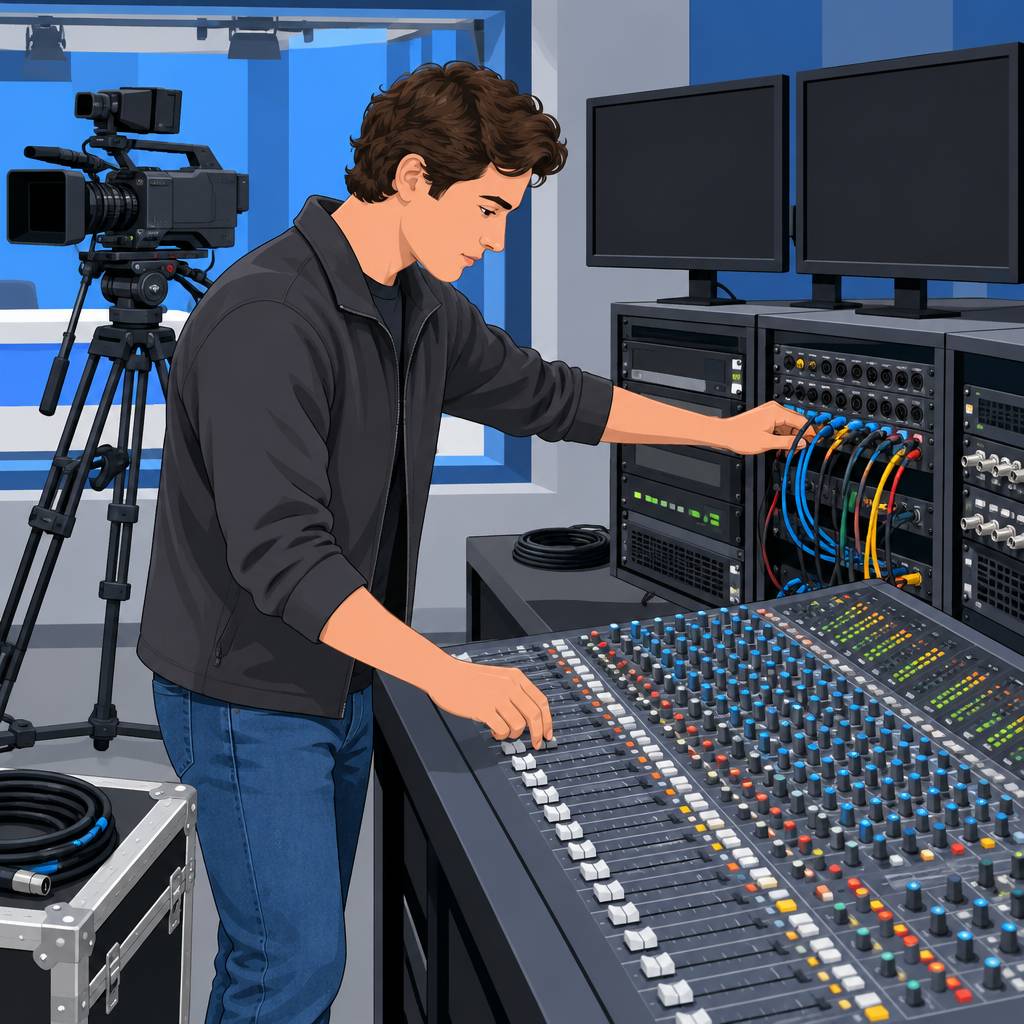
Responsibilities During a Live Broadcast
During a live broadcast, technicians watch several technical elements at once.
They listen, observe, communicate, and adjust equipment as conditions change.
This coordinated work supports reliable delivery for audiences.
- Monitoring Audio Feeds: Technicians keep audio channels clear and detect background noise or interference.
- Monitoring Video Feeds: They check pixelation, color accuracy, and overall video clarity.
- Maintaining Communication: Technicians report problems quickly to producers and directors.
- Operating Equipment: They adjust cameras, microphones, and software settings for quality output.
- Problem Solving: Technicians evaluate issues and apply immediate solutions during broadcasts.
Techniques for Real-Time Broadcast Support
Technicians use specialized methods to identify and resolve broadcasting issues.
They combine careful listening, visual checks, equipment testing, and team communication.
These methods help them respond before problems disrupt the broadcast.
- Listening Techniques: Technicians listen for audio levels that sound too high or too low.
- Visual Monitoring: They use waveforms and histograms to evaluate video quality.
- Regular Testing: Technicians check connections, equipment function, and audio-video synchronization.
- Backup Systems: They keep backup equipment ready for immediate recovery after failures.
- Feedback Loop: Technicians exchange updates with team members throughout the broadcast.
Attention to Detail in Broadcast Quality
Attention to detail helps technicians maintain consistent broadcast quality.
Small oversights can affect audio, video, compliance, and audience engagement.
Careful monitoring also strengthens trust among producers, directors, and technicians.
- Preventing Errors: Technicians catch small problems before they reach the audience.
- Enhancing Viewer Experience: Consistent quality helps keep viewers engaged.
- Building Professional Reputation: Reliable work strengthens a technician’s credibility.
- Fostering Team Trust: Precise monitoring gives colleagues confidence in technical decisions.
- Ensuring Compliance: Quality checks support broadcasting guidelines and legal requirements.
Broadcast Quality and Ongoing Professional Growth
Broadcast technicians support both live and recorded productions through active quality control.
Their real-time decisions help broadcasts remain uninterrupted and technically consistent.
As technology advances, technicians must continue learning and adapting to new demands.
Their combined technical skills and careful judgment help deliver strong content worldwide.
Learn More: Role of a Film Producer in Movie Production
Broadcast technicians play critical roles in television, radio, and online media production.
Their expertise helps production teams meet professional broadcast standards.
They collaborate with production teams throughout the entire production process.
The Role of the Broadcast Technician in Production
Broadcast technicians support production teams throughout television, radio, and online media.
They manage essential equipment and keep systems functioning during production.
Their responsibilities include setup, troubleshooting, signal management, and maintenance.
- Equipment Setup: Broadcast technicians set up cameras, microphones, and lighting for each production.
- They position equipment optimally for the planned shoot.
- Troubleshooting: Technicians diagnose and resolve technical issues quickly.
- They work under pressure when problems arise during live broadcasts.
- Signal Transmission: Technicians manage audio and video signal integrity.
- They help deliver high-quality transmissions to viewers and listeners.
- Maintenance: Technicians regularly inspect broadcast equipment.
- They complete checks and repairs to prevent malfunctions.
Communication Across the Production Team
Effective communication helps technicians coordinate with directors, producers, and other crew members.
Clear updates streamline production and reduce confusion.
Technicians also translate creative goals into practical technical actions.
Transform Your Career Today
Unlock a personalized career strategy that drives real results. Get tailored advice and a roadmap designed just for you.
Start Now- Understanding Vision: Technicians interpret the director’s vision and apply it technically.
- They consider artistic requirements while developing technical solutions.
- Feedback Loop: Regular feedback helps technicians discuss production challenges.
- Frequent updates keep the production team aligned.
- Problem-Solving Discussions: Immediate discussions support fast responses to technical difficulties.
- Team members contribute solutions when problems affect production.
- Coordination: Technicians coordinate with the entire crew.
- They help everyone understand their responsibilities and maintain workflow clarity.
- Pre-Production Meetings: Technicians attend meetings to understand each project’s scope.
- These discussions help technicians prepare for upcoming shoots.
Collaboration for Efficient, High-Quality Broadcasts
Collaboration improves both production efficiency and broadcast quality.
Each team member contributes skills that support the final product.
Consequently, coordinated efforts strengthen overall production performance.
- Streamlined Workflows: Close collaboration creates a more organized workflow.
- Clear responsibilities help reduce production delays.
- Resource Sharing: Technicians, directors, and producers share resources and knowledge.
- This collective approach strengthens the production’s overall value.
- Creative Problem Solving: Multiple perspectives encourage innovative solutions.
- Team brainstorming can produce higher-quality outcomes.
- Timely Execution: Synchronized efforts help teams meet tight deadlines.
- Timely completion remains essential in broadcasting.
- Enhanced Safety Standards: Collaboration reinforces production safety protocols.
- Consistent teamwork reduces accident risks in busy production environments.
Technicians can strengthen teamwork by adopting practical collaboration habits.
These habits encourage clarity, preparedness, and productive participation.
They also help production teams remain aligned during demanding projects.
- Active Listening: Technicians should listen carefully during team discussions.
- Active listening improves understanding and reduces miscommunication.
- Clear Documentation: Detailed meeting notes promote clarity.
- Team members can consult those notes for later guidance.
- Regular Training: Ongoing training keeps team members updated.
- Training improves technical skills and encourages collaboration.
- Use of Technology: Project management software supports communication.
- These tools help teams track timelines and responsibilities.
- Feedback Encouragement: Encouraging feedback creates an open working environment.
- Team members can contribute ideas and address concerns effectively.
Building a Cohesive Production Team
A cohesive team environment strengthens collaboration among production members.
Trust and shared responsibility help teams manage demanding broadcast work.
Moreover, inclusive practices encourage cooperation and sustained commitment.
- Team-Building Activities: Team-building activities foster stronger professional relationships.
- These activities improve trust and rapport among team members.
- Inclusive Decision-Making: Involving everyone in decisions builds unity.
- Team members should value and consider each person’s input.
- Celebrating Achievements: Recognizing accomplishments strengthens team morale.
- Recognition encourages staff to pursue continued excellence.
- Creating Common Goals: Shared objectives give the team clear direction.
- A unifying vision encourages cooperation and commitment.
- Regular Check-ins: Frequent check-ins support open communication.
- They help teams address concerns promptly and reduce potential issues.
Strong partnerships connect every production role through effective communication.
When teams collaborate, they improve efficiency and strengthen broadcast quality.
Therefore, shared effort creates a more successful broadcasting environment.
See Related Content: Challenges Faced by Print Production Managers
Experienced broadcast technicians help junior staff develop the skills required for demanding broadcast operations.
They transfer practical knowledge, reinforce standards, and prepare newer technicians for greater responsibility.
Through consistent guidance, senior technicians strengthen team performance and support professional growth.
Mentoring Responsibilities for Junior Technicians
Senior technicians mentor junior staff through practical instruction and regular support.
They assess individual abilities before tailoring guidance to each technician’s development needs.
Furthermore, supportive relationships encourage questions, build confidence, and ease workplace transitions.
- Provide hands-on training in essential broadcasting techniques.
- Share proven practices that improve workflow and efficiency.
- Develop problem-solving skills during real-time situations.
- Create a learning environment that welcomes questions and growth.
- Assess skill levels to provide focused guidance.
Training Programs for Skill Development
Broadcast technicians design training programs that support continuous improvement among junior staff.
They identify essential competencies and organize instruction around practical workplace requirements.
As technology changes, technicians update training materials to keep learning relevant.
- Identify crucial skills and competencies for broadcasting work.
- Design engaging and informative course materials.
- Use real equipment during practical training sessions.
- Combine demonstrations, workshops, and other teaching methods.
- Review training materials as technology advances.
Knowledge Sharing Across the Technical Team
Seasoned technicians share their expertise to maintain consistent broadcast standards.
This exchange reduces mistakes by connecting junior staff with proven working practices.
Moreover, shared experiences encourage collaboration, innovation, and continuous learning.
- Maintain consistency across technical operations.
- Reduce mistakes through established practices.
- Encourage collaboration and stronger team relationships.
- Promote innovation through shared experiences.
- Build a culture of continuous learning.
Performance Evaluation and Professional Progress
Senior technicians evaluate junior staff to measure training effectiveness and development.
They compare technical abilities with relevant industry benchmarks.
Regular feedback reveals skill gaps and helps technicians adjust training plans.
- Measure technical skills against industry benchmarks.
- Give constructive feedback about strengths and improvements.
- Set specific goals for professional development.
- Document progress and track growth over time.
- Recognize achievements and encourage continued effort.
Certification and Continuous Learning Opportunities
Senior technicians encourage junior staff to pursue relevant professional certifications.
Certifications strengthen professional credibility and support current working practices.
Meanwhile, continued learning helps technicians expand their skills and pursue new opportunities.
- Provide resources for relevant certification programs.
- Facilitate access to workshops and industry conferences.
- Promote online courses for focused skill development.
- Support individual learning goals within the workplace.
- Recognize milestones in each technician’s learning journey.
Safety Practices for Junior Technicians
Senior technicians protect junior staff by reinforcing safe workplace practices.
They identify hazards, explain procedures, and address safety concerns promptly.
Consequently, a safety-focused environment helps technicians work confidently and productively.
- Train junior staff on safety protocols and procedures.
- Conduct regular safety drills and assessments.
- Identify and address potential workplace hazards.
- Promote a safety-first mindset throughout the team.
- Encourage communication about safety concerns and incidents.
Strengthening the Future of Broadcast Operations
Mentoring and supervision give junior technicians a dependable foundation for their careers.
Through training, evaluation, knowledge sharing, and safety guidance, senior staff strengthen team capability.
Ultimately, thoughtful investment in junior technicians supports reliable and high-quality broadcast operations.
Broadcast technicians work in a fast-paced field that depends on reliable technology and polished media delivery.
They must follow industry trends because technology shapes how teams create and distribute content.
Ongoing education helps these professionals remain effective as broadcasting tools continue to evolve.
Transform Your Career Today
Unlock a personalized career strategy that drives real results. Get tailored advice and a roadmap designed just for you.
Start NowContinuing Education for Emerging Broadcast Technologies
Broadcast technicians manage complex equipment and software that require current technical knowledge.
As broadcasting technology advances, technicians must develop skills that match new production and transmission tools.
Continuous training also strengthens creativity by helping technicians understand new possibilities within their work.
- Adapting to New Technologies: Technicians learn skills for emerging formats, including 4K and 8K resolution.
- Improving Efficiency: Training in updated software can improve productivity and simplify technical workflows.
- Staying Competitive: Current knowledge can help technicians pursue stronger opportunities in the job market.
- Enhancing Problem-Solving Skills: Ongoing learning helps technicians troubleshoot modern equipment more effectively.
- Meeting Industry Standards: Knowledge of current coding standards supports regulatory compliance.
Technicians should actively seek training opportunities that expand both their technical abilities and creative confidence.
Professional Development Resources for Broadcast Technicians
Broadcast technicians can use several resources to maintain current knowledge and strengthen their professional capabilities.
Each resource supports development differently, depending on whether technicians need practical experience, flexibility, or industry connections.
By combining multiple learning methods, technicians can build broader knowledge and respond more confidently to changing demands.
- Workshops: Hands-on workshops let technicians interact directly with emerging broadcast technology.
- Industry Conferences: NAB Show and IBC Conference connect technicians with industry leaders and peers.
- Online Courses: Coursera and LinkedIn Learning provide flexible courses related to broadcast technology.
- Certification Programs: The Certified Broadcast Technologist, or CBT, certification demonstrates technical expertise.
- Trade Publications: Industry magazines and journals help technicians follow important developments and trends.
Workshops provide practical learning, while online courses offer convenience for technicians with demanding schedules.
Meanwhile, conferences encourage networking and collaboration that can generate new ideas for broadcast production.
How Current Knowledge Strengthens Broadcast Work
Continuing education affects both the effectiveness and creativity of broadcast technicians.
When technicians understand current tools and methods, they can approach production challenges with greater confidence.
They can also apply fresh ideas while supporting consistent technical standards across broadcast projects.
- Improved Quality: Familiarity with current tools helps technicians produce higher-quality broadcasts.
- Enhanced Creativity: New techniques can inspire fresh approaches to production and broadcasting.
- More Effective Collaborations: Shared knowledge of industry standards supports smoother teamwork.
- Faster Problem Resolution: Modern equipment knowledge helps technicians resolve technical issues quickly.
- Trendsetting: Current information helps technicians anticipate industry changes instead of simply reacting.
Innovation grows when technicians combine practical experience with exposure to new ideas and technologies.
This balance encourages creative exploration and supports stronger broadcasting results.
Lifelong Learning and the Future of Broadcast Technology
Broadcast technicians do more than operate equipment because their work requires ongoing professional development.
Workshops, conferences, online courses, certifications, and publications provide valuable support for that development.
As technology advances, technicians who continue learning can remain effective contributors to media production.
Their continuing education can improve career growth while raising the quality of the content they help produce.
By developing their knowledge, technicians can apply greater creativity and ingenuity throughout the broadcasting field.
Professional Growth in Broadcasting
Broadcast technicians support media operations through equipment care, signal oversight, and technical problem-solving.
They prepare broadcast systems and monitor transmission quality during scheduled and live programming.
They also maintain equipment regularly to reduce the risk of failures.
During live events, technicians coordinate with producers and engineers to keep broadcasts moving.
Digital broadcasting has expanded the skills that technicians need.
As platforms change, professionals must learn new tools and adapt their technical practices.
Streaming and digital services create additional challenges for broadcast teams.
Therefore, continuous skill development helps technicians remain useful in a changing industry.
Aspiring technicians can build their knowledge through university or technical college programs.
Internships provide practical experience that strengthens classroom learning.
Moreover, industry networking can offer useful insights and professional opportunities.
Broadcasting also provides several paths for career growth.
As technology advances, emerging roles may create new opportunities for trained technicians.
Technicians who keep learning can contribute to the industry’s continuing development.
Additional Resources
Google search results for Key Responsibilities of a Broadcast Technician Media and Communication
Bing search results for Key Responsibilities of a Broadcast Technician Media and Communication


