




Heavy Equipment Operators in Construction
Heavy equipment operators support construction and several other industries.
They operate bulldozers, cranes, excavators, and other large machines.
Their skills help teams complete important project tasks.
Starting the Workday
Operators usually begin their workday early in the morning.
First, they inspect the equipment for possible issues.
These checks help operators confirm that each machine works properly.
Operating Construction Machinery
After starting their shifts, operators use machinery to complete assigned tasks.
For example, they move materials and dig trenches across the job site.
Additionally, operators perform other tasks according to project requirements.
Maintaining a Safe Work Environment
Safety remains a central responsibility for every heavy equipment operator.
Operators follow established safety protocols while working with powerful machinery.
As a result, they help protect themselves and everyone nearby.
Coordinating with the Project Team
Operators collaborate with construction workers, engineers, and supervisors on site.
They coordinate activities so each team member understands the required tasks.
This cooperation supports efficient progress throughout the project.
Completing End-of-Day Responsibilities
At the end of each shift, operators clean their equipment.
They also maintain the machinery before the next workday begins.
Finally, operators report any damage or equipment issues for attention.
Supporting Successful Projects
Heavy equipment operators provide essential support across construction and other industries.
Their technical skills allow them to manage demanding machinery effectively.
Through careful operation and teamwork, they help projects move forward successfully.
Job Responsibilities
Operators manage bulldozers, excavators, and cranes during construction activities.
They coordinate equipment use with construction team members to achieve project goals.
They also maintain daily records covering equipment usage and maintenance.
- Operate bulldozers, excavators, and cranes.
- Maintain equipment and keep it in good working condition.
- Follow safety protocols to prevent accidents and injuries.
- Read and interpret blueprints and construction plans.
- Manipulate controls to dig, lift, and move materials.
- Collaborate with construction team members during project work.
- Record daily equipment usage and maintenance reports.
Heavy equipment operators need training and certifications to operate machinery safely and effectively.
Training Requirements
- Many vocational schools and community colleges offer heavy equipment operation programs.
- Additionally, apprenticeships let individuals learn on the job under experienced professionals.
- These programs cover equipment operation, safety procedures, maintenance, and basic troubleshooting.
Certification Process
- Employers often require certification, which may involve written exams and practical assessments.
- Some states and municipalities require specific licenses or certifications for certain equipment.
- Furthermore, continuing education helps operators maintain certification and follow current industry standards.
On-the-job training also helps operators gain practical experience and strengthen their skills in real-world situations.
Importance of On-the-Job Training
- On-the-job training provides hands-on experience that classroom instruction cannot replicate.
- Operators learn to navigate worksites, adapt to conditions, and troubleshoot issues as they arise.
- Experienced operators demonstrate best practices and safety protocols for newcomers to observe.
Safety Protocols
- Heavy equipment operation involves inherent risks, so operators and employers must prioritize safety.
- Operators must follow safety guidelines, wear protective gear, and use equipment properly.
- Regular safety training and refresher courses reinforce protocols and help operators remain vigilant.
Training, certification, and safety compliance help operators perform their work efficiently and safely.
These practices support successful construction projects and infrastructure development.
You Might Also Like: Assembler Job Listings: Where to Find the Best Jobs
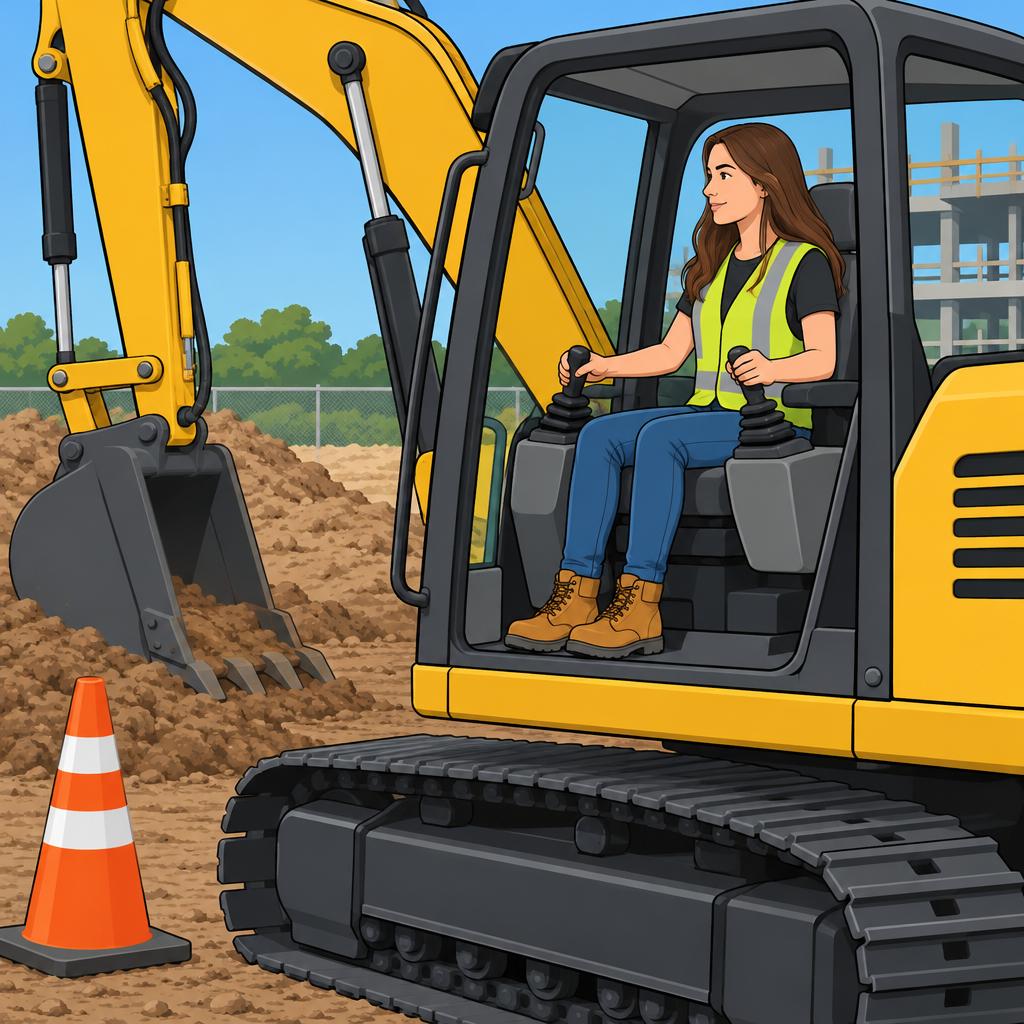
Outdoor Work Environments
Heavy equipment operators work in various outdoor settings, including construction sites and mining operations.
They may also support landscaping projects, roadwork, and demolition sites.
Therefore, operators must adapt to dusty, dry, muddy, and wet terrain.
- Construction sites
- Mining operations
- Landscaping projects
- Roadwork
- Demolition sites
Changing Weather Conditions
Weather conditions can change quickly during outdoor equipment operations.
Operators must prepare for heat, cold, rain, wind, ice, and limited visibility.
Additionally, they must adjust their approach when surfaces become slippery or visibility decreases.
- Hot and sunny days
- Cold and snowy weather
- Rainy and windy conditions
- Icy and slippery surfaces
- Foggy and low visibility situations
Physical Demands and Safety Awareness
Heavy equipment operation requires strength, endurance, and agility.
Operators may spend long hours standing, lifting heavy objects, and working outdoors.
Moreover, repetitive movements and sustained concentration form important parts of the work.
Operators must prioritize safety and monitor their surroundings to avoid workplace hazards.
Gain More Insights: The Importance of Attention to Detail in Housekeeping
Transform Your Career Today
Unlock a personalized career strategy that drives real results. Get tailored advice and a roadmap designed just for you.
Start NowMorning Preparation
My typical day starts early as I prepare for the work ahead.
- I arrive at the job site and inspect my equipment for proper working condition.
- Next, I review the daily schedule and plan my tasks accordingly.
- I attend a brief safety meeting covering potential hazards and daily guidelines.
- Finally, I fuel the equipment and stock all necessary supplies.
Work Hours and Overtime
- I typically work eight to ten hours each day, although workloads can change.
- Overtime may occur during busy seasons or when projects require completed deadlines.
Throughout the day, I operate heavy machinery to move materials and excavate areas.
I also perform other assigned tasks as project needs arise.
During breaks, I rest and refuel to maintain focus and prevent fatigue.
At the end of each day, I clean and park the equipment.
Then, I complete maintenance checks and report equipment issues to supervisors.
Before leaving, I review the next day’s schedule and prepare for upcoming tasks.
Flexible work hours help me respond to changing conditions and meet project deadlines.
This role requires a strong work ethic, careful attention to detail, and consistent safety awareness.
Explore Further: Creating Therapeutic Landscapes: Design Techniques
Challenges Faced by Heavy Equipment Operators
Operators must balance project demands with safe and efficient machine use.
They often adjust their work when site conditions change unexpectedly.
These demands require focus, preparation, and a strong work ethic.
- Operators often face pressure to meet tight project deadlines.
- They navigate construction sites that may contain potential safety risks.
- Adverse weather conditions can affect heavy equipment operation.
- Regular maintenance helps keep machinery safe and efficient.
- Some operators work long shifts, including nights and weekends.
Rewards of Being a Heavy Equipment Operator
The role offers several benefits for people who enjoy operating machinery.
Operators can see their efforts contribute to completed projects.
Additionally, varied assignments can keep daily work engaging.
- Heavy equipment operators typically earn competitive pay for their specialized skills.
- Seeing projects develop through machine operation can provide job satisfaction.
- Operators work on diverse projects in different locations.
- Experience can create opportunities for advancement within the construction industry.
- Hands-on equipment operation suits people who enjoy physical work.
The career offers competitive pay and opportunities for advancement.
With experience, operators can pursue more senior positions within construction.
A strong work ethic and passion for machinery can help individuals thrive in this field.
Learn More: Challenges Faced by Power Line Installers
Safety Measures for Heavy Equipment Operators
Safety remains the top priority when operators use heavy equipment.
Operators must follow established safety measures while working with heavy machinery.
These measures help operators reduce risks and support safer job sites.
Personal Protective Equipment
Operators use personal protective equipment to protect themselves from workplace hazards.
Each item protects a different part of the body during equipment operations.
Proper protective equipment helps operators work more safely around machinery and debris.
- Wearing a hard hat protects the head from falling objects or debris.
- Steel-toed boots protect the feet from heavy machinery or objects.
- High-visibility clothing helps others see operators on the job site.
- Gloves protect the hands from cuts, burns, and other injuries.
- Earplugs or earmuffs protect hearing in noisy environments.
- Safety glasses or goggles shield the eyes from dust, debris, and flying objects.
Adherence to Safety Regulations
Operators must follow safety regulations during every equipment operation.
Training, inspections, and communication support safe equipment use.
Additionally, operators must report unsafe conditions and incidents promptly.
- Operators must receive training and certification for specific heavy equipment.
- Regular machinery inspections and maintenance support safe operation.
- Operators must follow proper operating procedures and protocols consistently.
- Maintaining distance from moving equipment and hazards remains crucial.
- Effective communication with coworkers and other operators supports workplace safety.
- All operators must promptly report unsafe conditions and incidents to supervisors.
Strictly following these measures helps minimize accidents and injuries on the job site.
Therefore, operators should always place safety first when using heavy machinery.
Career Growth and Opportunities
- Heavy equipment operators can pursue several advancement opportunities within the field.
- With experience and training, operators can advance into supervisory or management positions.
- Additionally, operators can specialize in cranes, bulldozers, or other equipment for higher-paying roles.
- Continuing education and certifications can support advanced positions and increased earning potential.
- Some operators become instructors or consultants and share their industry knowledge with others.
- Furthermore, operators can work for government agencies, construction companies, or equipment rental firms.
- Growing infrastructure development continues to create steady demand for skilled heavy equipment operators.
Precision and Coordination on the Job
I operate bulldozers, excavators, and cranes to move materials and earth.
Additionally, I use precision and attention to detail to complete each task safely and efficiently.
Meanwhile, I work with construction teams to meet project deadlines and specifications.
Clear communication helps me coordinate with other operators and ground crew members.
Managing Conditions and Equipment Challenges
Throughout the day, I troubleshoot equipment issues and perform routine maintenance when needed.
Furthermore, weather conditions and terrain can affect how I operate heavy equipment.
Although the work feels physically demanding, completing challenging projects gives me lasting satisfaction.
Heavy equipment operators also contribute to mining and other industries.
Anyone seeking hands-on work and varied challenges can consider this career path.
Transform Your Career Today
Unlock a personalized career strategy that drives real results. Get tailored advice and a roadmap designed just for you.
Start NowThese operators help build our world through skill and dedication.
Additional Resources
Bing search results for Day in the Life of a Heavy Equipment Operator Construction and Manual Labor


