




Introduction
An IT Operations Manager plays a crucial role.
This manager oversees daily operations of an organization’s IT infrastructure.
Additionally, cybersecurity remains essential as digital threats continue evolving and becoming more sophisticated.
Understanding the Role of an IT Operations Manager
An IT Operations Manager oversees daily activities within an organization’s IT department.
This manager ensures that IT operations function smoothly, efficiently, and securely.
The role also supports cybersecurity through policies, monitoring, and incident response.
IT Operations Manager Responsibilities
The manager coordinates IT operations to support reliable performance and efficient service delivery.
Additionally, the manager develops policies and procedures that support security and compliance.
The manager also leads IT professionals while aligning technical work with business goals.
- The manager coordinates IT operations to maintain optimal performance and efficiency.
- The manager develops and implements IT policies and procedures for security and compliance.
- The manager oversees hardware, software, and network maintenance to reduce downtime.
- The manager collaborates with departments to align IT strategies with business goals.
- The manager leads IT professionals and provides guidance when necessary.
- The manager monitors infrastructure to identify vulnerabilities and reduce risks.
- The manager responds to cybersecurity incidents and investigates their causes.
Importance in Daily IT Operations and Cybersecurity
The manager helps keep IT systems reliable and available for business operations.
Furthermore, the manager applies operational best practices that improve productivity.
The manager also addresses technical issues quickly to limit service disruptions.
- The manager supports compliance with data protection laws and regulations.
- The manager protects critical data and infrastructure from cybersecurity threats.
- The manager trains employees in cybersecurity practices and encourages security awareness.
Cybersecurity Threats in Today’s Digital Landscape
Organizations face a wide range of cybersecurity threats today.
These threats continue evolving and becoming more sophisticated.
Consequently, organizations must recognize common attack methods and their potential effects.
Common Cybersecurity Threats Affecting Organizations
- Phishing attacks use deceptive emails to obtain passwords, credit card details, and other sensitive information.
- Ransomware encrypts victims’ files and demands payment for a decryption key.
- Distributed Denial of Service attacks overwhelm networks or servers with excessive internet traffic.
- Malware disrupts, damages, or provides unauthorized access to computer systems.
- Social engineering manipulates individuals into revealing confidential information.
- Insider threats occur when trusted individuals misuse their access and harm an organization.
Cyberattacks occur frequently and can cause serious consequences for organizations.
Therefore, organizations must remain vigilant and proactive in their cybersecurity efforts.
These efforts help organizations respond to existing threats and prepare for emerging risks.
Importance of Vigilance Against Cyberattacks
Organizations must protect sensitive data from exposure, financial losses, and reputational damage.
Additionally, effective protection helps maintain business continuity and reduce operational downtime.
Organizations must also meet data protection requirements to avoid legal consequences.
- Cyberattacks can expose confidential information and damage an organization’s reputation.
- Successful attacks can disrupt operations, reduce productivity, and affect profitability.
- Data protection regulations require organizations to safeguard information and avoid legal consequences.
- Data breaches can weaken customer confidence and reduce business opportunities.
- Cyberattacks can cause financial losses through theft, fraud, and extortion.
- Proactive vigilance helps organizations anticipate and defend against emerging cyber threats.
Learn More: The Intersection of Machine Learning and IoT
Role of IT Operations Manager in Collaborating with IT Security Team
The IT Operations Manager aligns IT operations with cybersecurity objectives.
Additionally, the manager participates in security planning and strategy sessions.
The manager also implements security measures within IT operations processes.
- The manager ensures alignment between IT operations and cybersecurity objectives.
- The manager participates in security planning and strategy sessions.
- The manager implements security measures in IT operations processes.
- The manager coordinates with the IT security team during security incidents.
- The manager provides technical expertise when implementing security controls.
Importance of Communication and Coordination in Ensuring Cybersecurity Measures Are in Place
Clear communication helps teams address security threats promptly.
Moreover, coordination clarifies security requirements for all team members.
Regular updates and feedback strengthen the organization’s overall security posture.
- Timely communication helps teams address security threats promptly.
- Clear communication ensures that team members understand security requirements.
- Collaboration supports effective implementation of security policies and procedures.
- Coordination keeps IT operations aligned with security standards.
- Regular updates and feedback enhance the organization’s overall security posture.
Discover More: Real-World Applications of Network Security Engineering
Implementing Security Policies and Procedures
Security policies protect sensitive data and confidential information from cyber threats.
The IT Operations Manager helps create, enforce, and improve these policies.
Effective procedures strengthen the organization’s infrastructure and support regulatory compliance.
- Developing and enforcing security policies and procedures
- Supporting compliance with cybersecurity regulations
Developing Security Policies
The IT Operations Manager works with the cybersecurity team to develop comprehensive security policies.
These policies address data protection and define expected employee practices.
Clear guidelines help employees maintain a secure working environment.
Enforcing Security Procedures
The IT Operations Manager ensures that employees understand and follow approved security procedures.
Regular training teaches staff about potential threats and effective risk mitigation.
Consequently, consistent enforcement supports stronger organizational security practices.
Monitoring Regulatory Compliance
The IT Operations Manager monitors the organization’s compliance with cybersecurity regulations.
Regular audits reveal gaps in security measures and identify vulnerabilities.
Transform Your Career Today
Unlock a personalized career strategy that drives real results. Get tailored advice and a roadmap designed just for you.
Start NowThe manager then coordinates corrective actions to address those weaknesses.
Implementing Security Controls
The IT Operations Manager oversees controls that prevent unauthorized system and network access.
These controls include firewalls, encryption protocols, and access restrictions.
Together, these measures help secure sensitive organizational data.
Leading Incident Response
During a cybersecurity breach, the IT Operations Manager leads the incident response team.
The manager coordinates containment efforts and assesses the breach’s impact.
Recovery procedures then help minimize damage and restore secure operations.
Improving Security Practices
The IT Operations Manager regularly evaluates existing policies and procedures.
Continuous improvements help the organization respond to evolving cyber threats.
The manager also applies current cybersecurity practices to strengthen organizational defenses.
Delve into the Subject: Common Challenges Faced by IT Change Managers
IT Operations Managers play a crucial role in handling cybersecurity incidents.
They lead incident response and risk management efforts to address cybersecurity threats.
Additionally, they help protect sensitive data and maintain business continuity during cyber incidents.
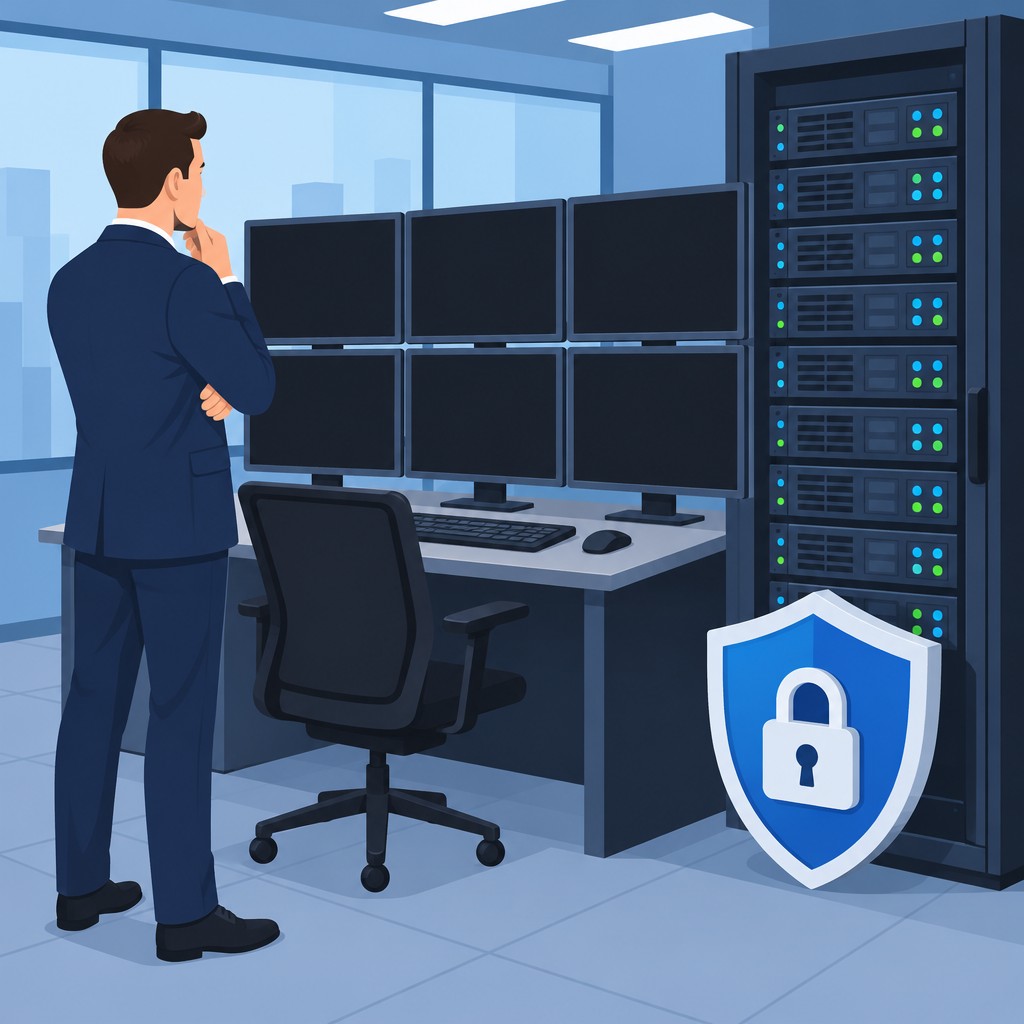
IT Operations Manager Responsibilities During Cybersecurity Incidents
The IT Operations Manager quickly identifies and contains security breaches.
Furthermore, this manager coordinates cross-functional teams during the response process.
The manager also applies incident response protocols to limit potential damage.
- Quickly identify and contain security breaches.
- Coordinate with cross-functional teams for a swift response.
- Implement incident response protocols to minimize damage.
- Ensure compliance with regulatory requirements during incidents.
- Provide regular updates to senior management and stakeholders.
Strategies for Risk Mitigation and Security Breach Response
Proactive monitoring helps teams detect unusual network activity early.
Regular assessments and testing reveal vulnerabilities that require attention.
Moreover, training helps employees recognize cybersecurity risks and follow response procedures.
- Monitor network activities proactively for early detection.
- Conduct regular vulnerability assessments and penetration testing.
- Implement security controls and access restrictions.
- Provide employee training to strengthen cybersecurity awareness.
- Develop incident response plans and conduct regular drills.
By managing incidents and risks actively, IT Operations Managers strengthen organizational cybersecurity.
They also help protect digital assets and support business continuity during cyber threats.
Find Out More: SOC Analyst Job Interview: Common Questions and Answers
Employee Training and Education
The IT Operations Manager plays a crucial role in providing cybersecurity training.
Effective education helps employees recognize potential threats and understand appropriate mitigation steps.
Regular sessions keep employees informed about the latest cybersecurity trends.
- The IT Operations Manager provides training on cybersecurity best practices.
- Employees learn about potential threats and ways to mitigate them.
- Regular training sessions keep employees updated on the latest trends.
The manager develops training programs that address employees’ specific needs and roles.
Meanwhile, simulations provide practical opportunities to test responses to cyber threats.
Resources and tools support employees as they strengthen their cybersecurity knowledge.
Role of the IT Operations Manager in Training
- The manager develops training programs tailored to employees’ specific needs and roles.
- Simulations and exercises test employees’ responses to cyber threats.
- Resources and tools help employees enhance their cybersecurity knowledge.
Cybersecurity awareness helps prevent security incidents within the organization.
Educated employees become the first line of defense against cyber threats.
Furthermore, shared responsibility improves the organization’s overall security posture.
Building a Culture of Cybersecurity Awareness
- A cybersecurity awareness culture helps prevent security incidents within the organization.
- Educated employees become the first line of defense against cyber threats.
- Shared responsibility for cybersecurity improves the organization’s overall security posture.
IT Operations Managers and Security System Monitoring
IT Operations Managers oversee the security posture of an organization’s IT infrastructure.
They identify vulnerabilities and monitor suspicious activities that could compromise organizational systems.
Through continuous monitoring, they can detect and address security incidents before those incidents escalate.
- They work closely with cybersecurity teams to analyze security logs and alerts.
- They investigate potential threats and unusual system behavior.
- They develop security policies and procedures that strengthen the organization’s security posture.
Security Tools for Detecting and Preventing Cyber Threats
IT Operations Managers select tools that help them monitor security systems effectively.
They combine network, event, endpoint, and vulnerability data to identify possible threats.
These technologies support timely detection and response across the organization’s IT environment.
- Intrusion detection and prevention systems detect and block unauthorized network access attempts.
- Security information and event management solutions aggregate and analyze security data from multiple sources.
- Endpoint detection and response solutions monitor suspicious activity on laptops and mobile devices.
- Vulnerability scanning tools identify known weaknesses that malicious actors could exploit.
IT Operations Managers protect organizational data and infrastructure by combining vigilance with appropriate security technologies.
They also help preserve the security and integrity of the IT infrastructure.
Transform Your Career Today
Unlock a personalized career strategy that drives real results. Get tailored advice and a roadmap designed just for you.
Start NowStrategic Cybersecurity Leadership in IT Operations
IT Operations Managers connect secure technology practices with dependable organizational performance.
Consequently, they keep security considerations central while directing everyday technology operations.
Proactive safeguards help organizations protect data and infrastructure from changing cyber threats.
These safeguards include network controls, intrusion detection, and data encryption.
Moreover, managers track emerging cybersecurity developments to reduce risks affecting organizational assets.
They also coordinate with security teams to support a unified defense strategy.
This coordinated approach strengthens resilience against attacks, breaches, and operational disruptions.
Therefore, organizations should equip IT Operations Managers to guide sustained cybersecurity efforts.
Such leadership helps businesses maintain secure and resilient technology environments.
Additional Resources
Google search results for IT Operations Manager: Role in Cybersecurity Information Technology
Bing search results for IT Operations Manager: Role in Cybersecurity Information Technology


