




Information Security Analysts in Incident Response
The Information Security Analyst’s role in incident response supports effective detection, response, and mitigation of security incidents.
These professionals help ensure the organization’s security posture.
Additionally, skilled analysts identify and resolve security incidents proactively.
Importance of Skilled Professionals
They analyze security events, investigate breaches, and implement measures to prevent future incidents.
Moreover, skilled professionals minimize the impact of security breaches.
Information Security Analysts also develop incident response plans for quick, efficient responses.
Furthermore, they work closely with IT teams to identify vulnerabilities and implement patches against future attacks.
Information Security Analyst Responsibilities in Incident Response
An Information Security Analyst supports incident response across the organization.
The role combines security monitoring, breach investigation, response planning, and stakeholder communication.
These activities help the organization respond effectively when security incidents occur.
- Monitor security events and incidents
- Investigate and analyze security breaches
- Develop and implement incident response plans
- Communicate with stakeholders during and after incidents
Monitoring Security Events and Incidents
The analyst continuously monitors security events and incidents.
They review logs, alerts, and other security data for suspicious activity.
This monitoring helps identify activity that could indicate a security breach.
Investigating and Analyzing Security Breaches
When an incident occurs, the analyst investigates and analyzes the breach.
They identify the incident’s root cause and assess its organizational impact.
They also determine the extent of the resulting damage.
Developing and Implementing Incident Response Plans
The analyst develops incident response plans for security incidents.
These plans describe actions for containment, eradication, recovery, and lessons learned.
Therefore, response teams can follow defined steps during a security breach.
Communicating with Stakeholders During and After Incidents
The analyst communicates with stakeholders during and after security incidents.
They provide updates, explain the impact, and coordinate response efforts.
Stakeholders may include executives, information technology teams, legal departments, and external parties.
Skills for Information Security Analysts in Incident Response
Information Security Analysts need several skills to support incident response activities.
These skills help analysts detect, understand, and address security incidents effectively.
They also support clear collaboration during security investigations and response efforts.
- Knowledge of cybersecurity principles and best practices
- Proficiency in using security tools and technologies
- Strong analytical and problem-solving skills
- Effective communication skills
Knowledge of Cybersecurity Principles and Best Practices
Information Security Analysts need a solid understanding of cybersecurity principles.
These principles include confidentiality, integrity, and availability.
Analysts should also understand current cybersecurity trends and threats.
Proficiency in Security Tools and Technologies
Security Analysts use various tools and technologies during incident response.
These tools help analysts monitor, detect, and respond to security incidents.
Important technologies include SIEM tools, firewalls, intrusion detection systems, and endpoint security solutions.
Strong Analytical and Problem-Solving Skills
Analytical skills help Security Analysts examine large amounts of security data.
They identify patterns and detect anomalies that may indicate security incidents.
Critical thinking helps analysts solve complex problems under pressure.
Effective Communication Skills
Security Analysts communicate with team members, management, and external stakeholders.
Clear communication supports collaboration during incident response activities.
Analysts must explain technical information clearly to non-technical audiences.
Explore Further: Essential Tools for ERP Consultants
Proactive Measures in Incident Response
Proactive incident response helps organizations reduce security risks before incidents occur.
These measures also limit potential damage when security threats bypass existing protections.
Transform Your Career Today
Unlock a personalized career strategy that drives real results. Get tailored advice and a roadmap designed just for you.
Start NowInformation Security Analysts support this preparation through preventive controls, assessments, intelligence, and employee education.
- Implement preventive security controls.
- Conduct regular security assessments and audits.
- Monitor current security threats and vulnerabilities.
- Train employees in security best practices.
Preventive Security Controls
Analysts implement security controls that reduce unauthorized access to organizational networks.
For example, firewalls can block potential threats before they reach protected systems.
Additionally, intrusion detection systems and access controls strengthen the organization’s defensive measures.
Security Assessments and Audits
Regular assessments help analysts identify weaknesses across organizational systems and networks.
Audits provide another way to review existing security measures and uncover potential vulnerabilities.
Therefore, analysts can address weaknesses before malicious actors exploit them.
Threat Intelligence and Vulnerability Awareness
Analysts monitor security news to understand emerging threats and vulnerabilities.
They also attend conferences and participate in threat intelligence sharing.
As a result, analysts can prepare defenses against potential attacks before incidents occur.
Employee Security Training
Regular training helps employees recognize phishing attempts and respond to suspicious messages.
Analysts also teach staff to secure devices and follow strong password practices.
Consequently, employee education can reduce incidents caused by human error.
Explore Further: How to Prioritize Features as a Tech Product Manager
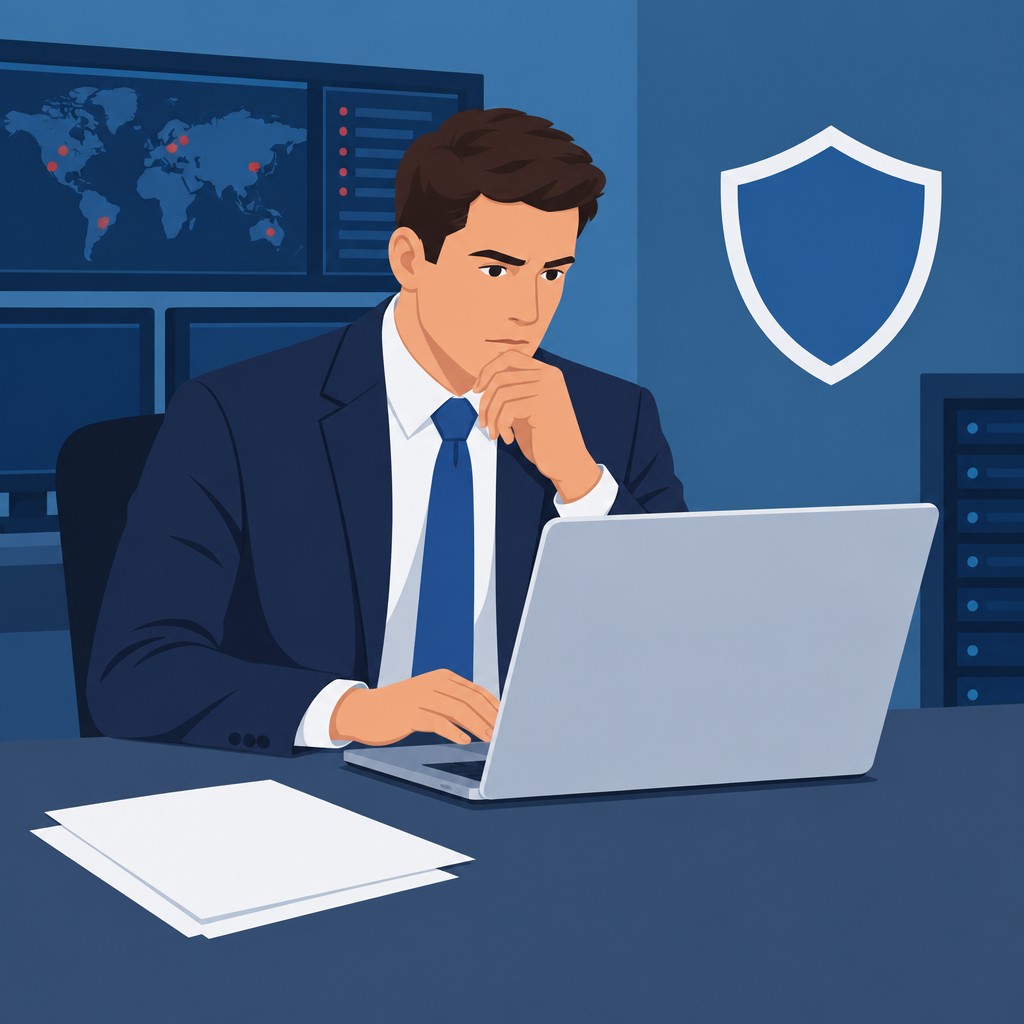
Collaboration Across Incident Response Teams
- Work closely with IT teams to identify and remediate security vulnerabilities.
- Coordinate with legal and compliance teams to meet regulatory requirements.
- Collaborate with external partners and vendors during incident response efforts.
- Participate in incident response drills and exercises.
Information security analysts play a crucial role by collaborating with various organizational teams during incident response.
They work closely with IT teams to identify and remediate security vulnerabilities effectively.
This collaboration helps teams address potential threats or breaches promptly and minimize damage.
Furthermore, analysts coordinate with legal and compliance teams to meet regulatory requirements.
Compliance with laws and regulations helps maintain the organization’s integrity and reputation.
Together, these teams align response efforts with necessary legal standards.
Additionally, analysts collaborate with external partners and vendors during incident response efforts.
They may work with third-party entities to investigate and mitigate security incidents.
Strong partnerships and communication channels help analysts leverage external expertise and resources.
Moreover, analysts participate in incident response drills and exercises.
These simulated scenarios help teams practice procedures and improve coordination during real incidents.
Regular drills allow analysts to refine their skills and strengthen readiness for security events.
Delve into the Subject: IT Change Management: Strategies for Large Enterprises
Incident Response Process
Incident response uses a structured approach to manage security breaches and cyberattacks.
The process addresses incidents while limiting their effects on the organization.
It moves from detection through recovery in several connected stages.
- Detection and identification: Analysts identify potential security incidents through monitoring systems and networks.
- Containment and mitigation: Analysts contain breaches to prevent additional damage to systems and networks.
- Eradication of threats and vulnerabilities: Analysts remove malware, close security gaps, and patch vulnerabilities.
- Recovery and restoration: Analysts restore affected systems and verify their integrity before normal operations resume.
Analyst Responsibilities During Incident Response
Information Security Analysts contribute throughout each incident response stage.
They apply their skills to manage and resolve security incidents effectively.
As a result, their work helps minimize incident impact on the organization.
Find Out More: Future Trends in the CIO Profession
Information Security Analysts and Incident Response Challenges
Information Security Analysts face demanding conditions while responding to incidents that threaten organizational data and systems.
Technology advances, and attackers use more sophisticated methods against organizations.
Therefore, analysts must evaluate threats carefully while maintaining effective response efforts.
Managing Complex and Numerous Security Incidents
Security incidents continue to grow more complex and numerous as organizations adopt advancing technologies.
Analysts must recognize changing attack techniques and select suitable tools for each situation.
Additionally, they must examine available evidence without losing sight of broader incident effects.
Transform Your Career Today
Unlock a personalized career strategy that drives real results. Get tailored advice and a roadmap designed just for you.
Start NowBalancing Response Speed and Accuracy
Incident response demands prompt action because delays can increase the damage caused by a breach.
However, rushed decisions may introduce errors or cause analysts to overlook important evidence.
Analysts therefore balance rapid containment with accurate analysis throughout the response.
Managing Pressure During Critical Incidents
Critical incidents can place analysts under intense pressure and emotional strain.
They must remain calm so they can assess information and choose appropriate actions.
Maintaining focus during difficult moments supports clearer decisions and steadier response work.
Coordinating Communication Among Stakeholders
Analysts communicate with IT teams, management, legal teams, and external partners during incidents.
Each stakeholder may need different information as the response develops.
Clear coordination helps participants understand responsibilities and support consistent incident handling.
Analyst Contributions to Organizational Protection
Despite these challenges, analysts apply expertise and dedication during security incidents.
Their work helps protect organizational data and systems from cyber threats.
Together, careful analysis, timely action, and clear communication strengthen incident response efforts.
Continuous Improvement in Incident Response
Cybersecurity threats continue to evolve.
Therefore, Information Security Analysts must continuously improve their incident response capabilities.
Proactive improvements strengthen response strategies and techniques.
- Conduct post-incident reviews to identify lessons learned.
- Update incident response plans using feedback and insights.
- Invest in training and professional development for Information Security Analysts.
- Monitor and measure incident response effectiveness.
Conducting Post-Incident Reviews
After an incident, Information Security Analysts should conduct a thorough review.
The review examines failures, successful actions, and opportunities for improvement.
Consequently, analysts can use lessons learned to strengthen future response strategies.
Updating Incident Response Plans
Analysts should update incident response plans after reviewing incident findings.
Updates may revise procedures, introduce technologies, or improve response team communication.
As threats change, updated plans help analysts address new challenges more effectively.
Investing in Analyst Development
Information Security Analysts need ongoing training to address changing cybersecurity threats.
They can attend workshops, obtain certifications, and participate in industry conferences.
These activities expand their knowledge and improve their ability to handle complex incidents.
Measuring Incident Response Effectiveness
Analysts should monitor incident response efforts to evaluate their effectiveness.
Key performance indicators can include response time, containment rate, and incident resolution time.
By analyzing these measures, analysts can identify weaknesses and adjust response processes.
Continuous improvement helps analysts mitigate cyber threats and protect sensitive data.
Information Security Analysts and Organizational Resilience
Information Security Analysts protect organizational assets through focused incident response.
They detect, analyze, and address security incidents to limit organizational impact.
These activities help preserve data confidentiality, integrity, and availability.
Additionally, analysts work with various teams to investigate incidents and identify vulnerabilities.
They also implement security measures that reduce the likelihood of future incidents.
Furthermore, their proactive efforts help lower exposure to cyber threats and attacks.
Because threats evolve, analysts need continuous cybersecurity education and training.
Regular learning keeps their skills current and strengthens their ability to mitigate security risks.
Consequently, analysts can better protect organizations from potential breaches.
Thus, their expertise forms an important line of defense within the organization’s cybersecurity posture.
Additional Resources
Transform Your Career Today
Unlock a personalized career strategy that drives real results. Get tailored advice and a roadmap designed just for you.
Start Now


