




Introduction
Machinists play a crucial role in various industries by using precision tools to create products.
Advancements in technology continue to increase demand for machinists.
These professionals use precision tools to support product creation across various industries.
Overview of the Machinist Industry
A machinist operates machinery to create metal parts and components.
Machinists interpret blueprints, prepare machines, and check measurements during production.
Precision and accuracy help machinists produce reliable, high-quality parts for manufacturing processes.
Industries Hiring Machinists
Several industries hire machinists to produce specialized parts and components.
These professionals support production requirements across aerospace, automotive, medical, electronics, and energy applications.
Each industry depends on careful machining to maintain the quality of its products.
Aerospace Industry
The aerospace industry needs machinists to create precise components.
These workers produce parts for aircraft, spacecraft, and defense systems.
Accurate machining supports the demanding production requirements of aerospace equipment.
Automotive Industry
The automotive industry relies on machinists to manufacture engine components and other vehicle parts.
Machinists help create components that support vehicle performance.
Their careful work also contributes to vehicle safety.
Medical Equipment Manufacturing
Medical equipment manufacturers need machinists to produce specialized parts.
These components require careful production and precise measurements.
Precision machining helps medical devices operate reliably and accurately.
Electronics Industry
Machinists in the electronics industry create intricate components for electronic devices.
Their work supports the production of increasingly advanced technology.
As electronic technology advances, manufacturers continue seeking skilled machinists.
Energy Sector
The energy sector employs machinists to manufacture parts for energy production equipment.
These components must meet precise requirements for energy systems.
Accurate machining supports the efficiency and reliability of energy equipment.
Career Opportunities Across Manufacturing
Machinists can explore career opportunities in several important manufacturing industries.
Aerospace, automotive, medical, electronics, and energy employers all require precise components.
Workers interested in machining can consider these industries when planning their career paths.
Industries Hiring Machinists
Machinists find opportunities across automotive, aerospace, and medical equipment manufacturing.
These industries seek skilled workers to design, create, and maintain specialized parts.
As technology advances, employers continue seeking machinists with technical skills and attention to detail.
Automotive Industry
Automobile manufacturers rely on machinists to create precision-engineered vehicle components.
Machinists produce engine parts and intricate interior details for automotive applications.
Therefore, their specialized work supports vehicle design and production.
- Design and creation of specialized automotive parts
- Production of precision-engineered vehicle components
- Manufacturing of engine parts and interior details
Aerospace Industry
The aerospace sector needs machinists to produce aircraft and spacecraft components.
Machinists create complex engine components and work with lightweight materials.
As aerospace technology advances, manufacturers require increasingly specialized machined parts.
- Production of machined aerospace components
- Manufacturing of aircraft and spacecraft parts
- Creation of complex engine components and lightweight parts
Medical Equipment Manufacturing
Medical equipment manufacturers need machinists to create accurate device components.
These professionals produce intricate parts for surgical instruments and implantable devices.
Consequently, precision machining supports the development of important healthcare equipment.
- Precision machining for medical devices
- Manufacturing of surgical instruments
- Production of implantable device components
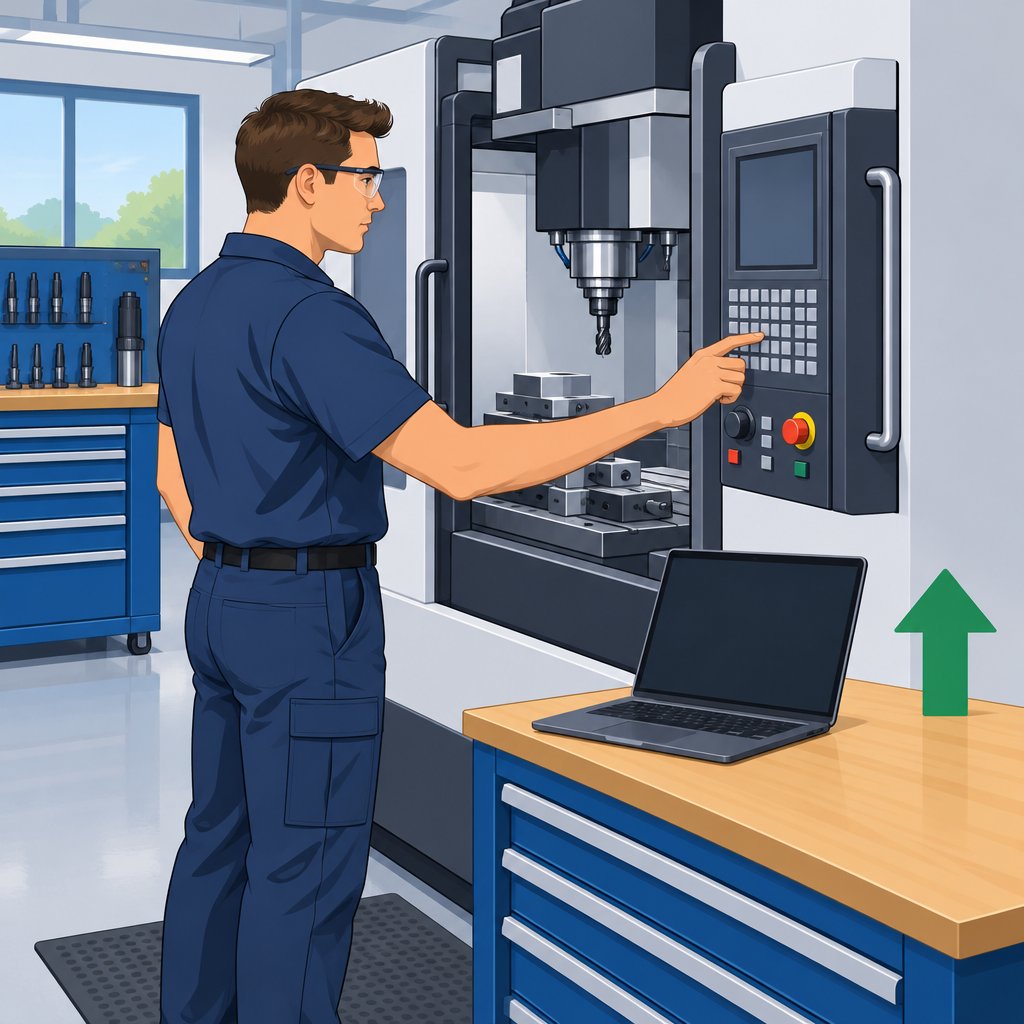
Growing Opportunities for Skilled Machinists
Demand for machinists may increase as technology advances and specialized parts become more necessary.
Transform Your Career Today
Unlock a personalized career strategy that drives real results. Get tailored advice and a roadmap designed just for you.
Start NowWorkers with technical skills and strong attention to detail can pursue opportunities across these industries.
A passion for innovation can also help machinists contribute to changing manufacturing needs.
Gain More Insights: Warehouse Worker Resume and Cover Letter Tips
Job Opportunities for Machinists
Machinists can pursue entry-level, advanced, and freelance opportunities in the current market.
Each path offers different responsibilities, skill requirements, and opportunities for professional growth.
Therefore, machinists should consider roles that match their experience and specialized abilities.
Entry-Level Positions in Manufacturing Plants
Entry-level machinists operate conventional and CNC machines to produce precision parts for various industries.
They follow technical drawings and blueprints while maintaining accuracy throughout production.
Additionally, these workers support equipment maintenance, troubleshooting, safety, and quality control.
- Operate conventional and CNC machines to produce precision parts for various industries.
- Follow technical drawings and blueprints to ensure finished products meet accuracy requirements.
- Perform routine machine maintenance to support performance and minimize downtime.
- Collaborate with engineers and team members to troubleshoot issues and improve processes.
- Follow safety protocols and quality standards to maintain an efficient work environment.
Advanced Roles in Research and Development
Advanced machinists use specialized techniques to prototype and test new product designs.
They work closely with engineers to refine designs and optimize manufacturing processes.
Furthermore, these professionals analyze experiments, support innovation, and coordinate with cross-functional teams.
- Use advanced machining techniques to prototype and test new product designs.
- Work with engineers to refine designs and optimize manufacturing processes.
- Conduct experiments and analyze data to identify improvement opportunities.
- Collaborate with cross-functional teams to bring new products to market promptly.
- Stay updated on industry trends and technologies to remain competitive and relevant.
Freelance Opportunities for Specialized Machining Skills
Freelance machinists provide specialized services for industries needing custom parts or components.
They can work independently or join teams to complete client orders and projects.
Meanwhile, strong portfolios and professional networks can help freelancers attract additional clients.
- Offer specialized machining services to industries requiring custom parts or components.
- Work independently or within teams to fulfill client orders and projects.
- Apply your expertise to provide innovative solutions and high-quality workmanship.
- Build a portfolio of successful projects to attract clients and expand your business.
- Network with industry professionals and attend trade shows to showcase your capabilities.
Machinists at every career stage can find opportunities across different work environments.
Keep developing your skills and learning about the latest technologies to support career advancement.
Finally, evaluate each opportunity carefully and pursue roles that fit your professional goals.
Explore Further: Boilermaker Job Description: Skills and Responsibilities
Skills and Qualifications Required
- Technical skills in operating machinery and reading blueprints
- Knowledge of computer-aided design (CAD) software
- Certifications in precision machining and metallurgy
Machinists need specific skills and qualifications to succeed in their field.
These abilities help machinists complete required tasks and maintain high-quality work.
Moreover, technical training can help machinists pursue employment and career advancement opportunities.
Technical Skills
Machinists need a strong technical background to operate machinery effectively.
They use machines such as lathes, milling machines, and grinders during production.
Additionally, machinists read blueprints and technical drawings to produce precise work.
Knowledge of CAD Software
Computer-aided design software helps create detailed plans for parts and components.
Machinists must understand CAD software to interpret these plans accurately.
They also modify designs when production requirements call for changes.
Professional Certifications
Certifications in precision machining and metallurgy can benefit machinists.
These credentials demonstrate expertise and commitment to the machining field.
Furthermore, employers often seek candidates who complete formal training and earn relevant certifications.
By developing these qualifications, machinists can strengthen their employment prospects and pursue career growth.
Discover More: Understanding Factory Work: Roles and Responsibilities
Training and Education for Machinists
- Apprenticeship programs provide hands-on training.
- Vocational schools offer machining and tooling courses.
- Continuing education helps machinists follow industry trends.
Apprenticeship programs give aspiring machinists valuable hands-on training.
These programs typically last two to four years and combine classroom instruction with on-the-job training.
Apprentices work alongside experienced machinists while developing practical skills.
They also learn the trade’s processes while improving their craftsmanship.
Vocational schools prepare students for careers in machining and tooling.
These institutions provide specialized courses focused on essential technical skills.
Students learn blueprint reading, computer-aided design, and effective machine operation.
Transform Your Career Today
Unlock a personalized career strategy that drives real results. Get tailored advice and a roadmap designed just for you.
Start NowContinuing education helps machinists keep pace with industry advancements.
Because technology evolves constantly, professionals should update their skills regularly.
Many organizations offer workshops, seminars, and online courses for machinists.
These opportunities introduce current tools and techniques.
By investing in education, machinists can expand their knowledge and improve job prospects.
Additionally, training can support career advancement in this competitive field.
Apprenticeships, vocational schools, and continuing education each support professional development.
Learn More: Miner's Handbook: Tips for Newcomers
Salary and Benefits for Machinists
Salary and benefits packages reflect several factors that influence machinist compensation and workplace perks.
Experience, specialized skills, and professional development can affect a machinist’s earning potential.
Additionally, many employers provide benefits and advancement opportunities to attract and retain skilled machinists.
- Experienced machinists can receive competitive pay.
- Many companies offer health insurance and retirement benefits.
- Machinists can pursue career advancement and skill development.
Competitive Pay for Experienced Machinists
Experienced machinists can command competitive salaries within the industry.
Their specialized skills and knowledge make them valuable candidates for critical production roles.
Consequently, extensive experience can support higher pay rates and stronger job security.
Health Insurance and Retirement Benefits
Many employers include comprehensive health insurance in their machinist compensation packages.
These plans may provide medical, dental, and vision coverage.
Furthermore, companies may offer retirement savings options to strengthen their overall benefits packages.
Career Advancement and Skill Development
Machinists can advance their careers through workplace training and continuing education.
Specialized certifications can also expand their knowledge and professional capabilities.
By developing their skills, machinists can pursue higher-paying roles and greater job security.
These compensation and development opportunities can support fulfilling careers in the manufacturing sector.
Machinists contribute valuable expertise while building long-term professional opportunities.
Machinist Demand Across Industries
Many industries actively seek skilled machinists.
These industries include automotive, aerospace, and manufacturing.
Additionally, new technologies and innovations continue expanding employment opportunities through precision manufacturing.
Building a Career in Machining
If you enjoy working with your hands, machining can provide a suitable career path.
Moreover, solving technical problems can make this field rewarding.
Because demand remains high across sectors, machining can lead to stable employment.
Enrolling in training or an apprenticeship can develop the necessary skills and knowledge.
Ultimately, machinists help shape various industries through precision and expertise.
Additional Resources
Google search results for Top Industries Hiring Machinists Right Now Construction and Manual Labor
Bing search results for Top Industries Hiring Machinists Right Now Construction and Manual Labor


