




Introduction
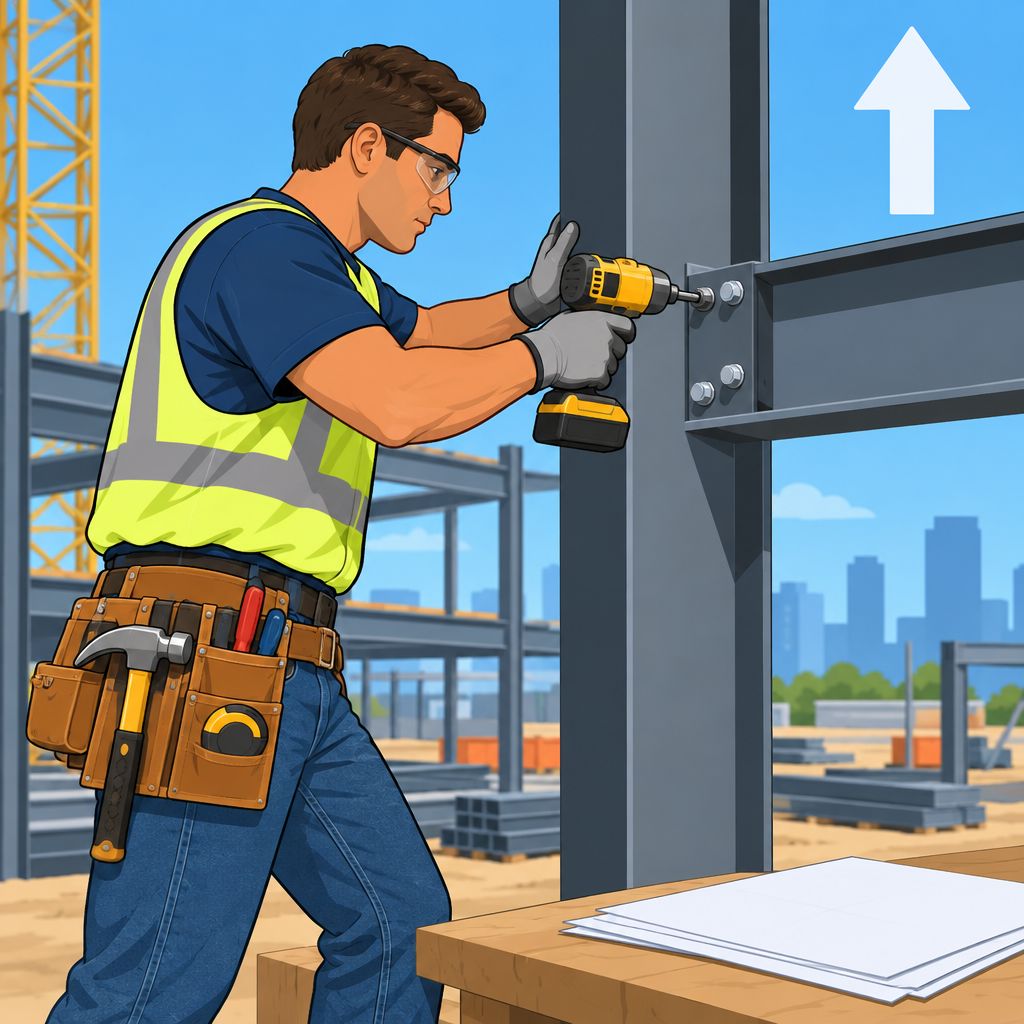
An assembler in construction puts together components and parts to create structures on construction sites.
These professionals help construction teams complete projects efficiently and effectively.
Assemblers bring plans and designs to life by assembling materials.
They work closely with architects, engineers, and construction workers to follow project specifications.
Anyone interested in this career can begin by developing essential skills and gaining field experience.
Responsibilities of Construction Assemblers
Construction assemblers put components together to create finished products.
They may assemble prefabricated parts, install fixtures, or construct frameworks.
Moreover, they check each connection carefully so components fit together correctly.
- Learn about construction assembly responsibilities and duties.
- Understand the skills and qualifications required for assembly work.
- Research job outlook and career advancement opportunities for assemblers.
Skills and Qualifications for Assembly Work
Assemblers read and interpret technical drawings and blueprints during their work.
They use measurements and dimensions while following instructions accurately.
Additionally, assemblers need mechanical aptitude, manual dexterity, and strong problem-solving skills.
They also need to work effectively within a team environment.
Some employers require OSHA safety certifications or specialized assembly training.
Career Outlook and Advancement Opportunities
The construction industry continues to experience steady growth.
Consequently, construction companies maintain demand for skilled assemblers.
As assemblers gain experience and expertise, they may pursue leadership roles.
They may also specialize in a particular aspect of assembly work.
Finally, staying informed about industry trends can help assemblers remain competitive.
Education and Training for Construction Assemblers
Relevant education and training can help you prepare for an assembler career in construction.
Start by building foundational knowledge and exploring practical learning opportunities.
- High School Diploma or Equivalent
Consider obtaining a high school diploma or equivalent.
Such education can provide a strong foundation for a construction career.
It demonstrates basic knowledge and skills for this field. - Vocational or Technical Training
Explore vocational or technical training programs in construction or related fields.
These programs can provide hands-on experience and specialized knowledge.
Choose courses covering construction techniques, tools, and safety procedures. - Certifications or Licenses
Pursue certifications or licenses required for specific assembler roles.
Some positions may require credentials to perform certain tasks legally.
Check local regulations to identify the certifications or licenses needed in your area.
These credentials can help you stand out as a qualified candidate.
Relevant training can better prepare you to begin a construction assembler career.
Continue learning and developing your skills to stay competitive in the industry.
Uncover the Details: Interview Tips for Housekeeping Job Seekers
Acquire Hands-On Experience
Hands-on experience supports professional growth and success as a construction assembler.
Practical work helps you build knowledge and skills in the construction field.
Several opportunities can help you develop experience and prepare for this career.
- Seek entry-level positions or apprenticeships in construction companies
- Volunteer or intern with construction projects to gain practical experience
- Learn from experienced assemblers and mentors in the industry
Entry-Level Positions and Apprenticeships
Start your construction assembler career by seeking entry-level positions with reputable construction companies.
Apprenticeships can provide valuable experience while exposing you to different areas of construction work.
These opportunities help you build practical knowledge and develop skills for future responsibilities.
Volunteer and Internship Opportunities
Volunteering on construction projects offers another way to gain hands-on experience.
Internships allow you to work alongside seasoned professionals and learn useful skills.
Additionally, these experiences help you network with experts and showcase your abilities.
Mentorship from Experienced Assemblers
Experienced assemblers can provide valuable guidance as you develop your construction skills.
Mentors can share industry knowledge, explain best practices, and offer practical advice.
By observing these professionals, you can refine your skills and strengthen your industry understanding.
Building Skills Through Practical Experience
Actively pursuing practical experience can better prepare you for an assembler career.
Entry-level work, internships, volunteering, and mentorship each support skill development.
Continued investment in professional development can help you pursue opportunities in this rewarding field.
Delve into the Subject: Roofer Salary and Career Growth Prospects in the USA
Essential Skills for Construction Assemblers
Developing essential skills supports a successful career as a construction assembler.
Transform Your Career Today
Unlock a personalized career strategy that drives real results. Get tailored advice and a roadmap designed just for you.
Start NowThese abilities improve job performance and strengthen your value within a construction team.
Focus on communication, problem-solving, precision, and teamwork throughout your professional development.
- Improve communication and problem-solving skills
- Enhance manual dexterity and attention to detail
- Practice working efficiently in a team environment
Communication and Problem-Solving Skills
Effective communication helps construction teams complete tasks smoothly.
As an assembler, you will communicate with team members, supervisors, and sometimes clients.
Clear communication helps you understand instructions and report challenges promptly.
Additionally, problem-solving skills help you respond effectively to unexpected obstacles.
Quick thinking and creative solutions can keep construction work moving forward.
Manual Dexterity and Attention to Detail
Assemblers handle various tools and materials that require precise control.
Regular practice and training can improve your manual dexterity.
Greater dexterity helps you work efficiently while reducing avoidable errors.
Attention to detail also supports quality and accuracy during construction tasks.
Even minor mistakes can create significant problems later in a project.
Teamwork in Construction Environments
Construction projects require professionals to work together toward shared objectives.
Assemblers may collaborate with carpenters, electricians, plumbers, and other team members.
Open communication helps teammates coordinate their responsibilities effectively.
Support your colleagues and contribute your skills to the overall project.
Strong teamwork can improve working relationships, efficiency, and productivity.
Continuous practice will help you become a valuable asset in construction.
Discover More: How to Become a Certified Construction Manager
As you begin an assembler career in construction, several practical steps can support your progress.
These steps can help you prepare for entry-level opportunities.
Stay proactive, continue learning, and seek guidance from experienced professionals.
Relevant Skills and Knowledge
Construction courses can strengthen your understanding of technology and related subjects.
Blueprint and technical drawing skills can help you interpret project information.
Safety knowledge prepares you to follow construction protocols and regulations.
- Take courses in construction technology or related fields
- Learn how to read blueprints and technical drawings
- Understand construction safety protocols and regulations
Practical Project Participation
Internships and apprenticeships can expose you to practical construction work.
Community projects can provide additional opportunities to participate in construction tasks.
DIY projects can help you practice construction techniques independently.
- Seek internship or apprenticeship opportunities
- Volunteer for construction projects in your community
- Work on DIY projects to hone your skills
A Strong Construction Resume
A focused resume should highlight experience that relates to construction assembly.
Certifications and completed training programs can demonstrate your preparation.
References can provide employers with additional information about your abilities.
- Highlight relevant experience and skills
- Showcase any certifications or training programs you have completed
- Include references from previous employers or instructors
Entry-Level Construction Positions
Entry-level assembler and construction helper positions can provide a starting point.
Unions and trade organizations can offer additional job leads.
Starting in a lower position can allow you to work toward greater responsibilities.
- Look for job openings for assemblers or construction helpers
- Consider joining a union or trade organization for job leads
- Be open to starting in a lower position and working your way up
Professional Construction Connections
Industry events and trade shows can introduce you to construction professionals.
Online platforms can help you connect with professionals in the construction industry.
Experienced assemblers and construction professionals can offer mentorship and guidance.
- Attend industry events, trade shows, and networking opportunities
- Connect with professionals in the construction industry through online platforms
- Seek out mentorship and guidance from experienced assemblers or construction professionals
Following these steps can help you begin an assembler career in construction with greater preparation.
Continue learning, remain proactive, and seek guidance when you need support.
Good luck on your journey.
Transform Your Career Today
Unlock a personalized career strategy that drives real results. Get tailored advice and a roadmap designed just for you.
Start NowSee Related Content: Technology Trends Transforming Warehouse Management
Resume and Portfolio Preparation for Construction Assemblers
A strong resume and portfolio can showcase your qualifications for an assembler career in construction.
Additionally, organize both documents to present your skills and experience clearly.
Tailor your materials to demonstrate your suitability for each construction opportunity.
Relevant Education, Training, and Experience
First, emphasize vocational training or construction courses that support your career goals.
Next, describe any hands-on training or apprenticeships that developed your construction abilities.
Also, highlight previous construction experience or related work that demonstrates your practical knowledge.
- Emphasize relevant education, including vocational training or construction courses.
- Showcase hands-on training or apprenticeships that you have completed.
- Highlight previous construction experience or related work.
Certifications, Licenses, and Special Skills
Certifications can show employers that you understand construction practices and safety requirements.
Meanwhile, licenses can demonstrate your eligibility for specific construction roles.
Finally, special skills can reveal your ability to use relevant tools and equipment.
- Include construction certifications and safety training you have completed.
- List licenses required for the construction work you seek.
- Showcase proficiency with relevant tools or equipment.
References and Recommendations
References can help employers evaluate your work ethic and assembler skills.
Recommendations can further describe your performance during construction projects.
Therefore, select current references who closely match the job you want.
- Provide references from previous employers who understand your work ethic and skills.
- Include recommendations from mentors or supervisors who observed your construction performance.
- Keep all references and recommendations current and relevant.
Applying for Assembler Positions
- Start your career by searching construction companies or contracting firms for assembler openings.
- Customize your resume and cover letter for every application to highlight relevant skills and experience.
- Prepare for interviews by practicing common questions and scenarios that demonstrate your expertise.
When you feel ready, apply for assembler positions with construction companies or contracting firms.
First, organize your application materials and review each employer’s requirements carefully.
Thorough preparation can help you present your qualifications clearly throughout the application process.
Search for Job Openings
Begin your search by reviewing openings at construction companies and contracting firms.
Use online job boards, industry-specific websites, and social media platforms to find relevant opportunities.
Additionally, connect with construction professionals who may help you discover potential openings.
Tailor Your Resume and Cover Letter
After identifying suitable openings, customize your resume and cover letter for each application.
Highlight the skills, experience, and qualifications that match each assembler position’s requirements.
This approach shows employers that you understand their needs and value the opportunity.
Prepare for Interviews
As interviews begin, prepare by practicing common questions and scenarios for assembler positions.
Consider how you will discuss your experience with tools, materials, safety protocols, and teamwork.
Also, research each company and explain how your skills align with its values and goals.
By preparing carefully, you can improve your chances of securing an assembler position in construction.
Stay focused throughout your career journey and approach each opportunity with confidence.
Continuous Career Improvement for Construction Assemblers
Continuous improvement helps construction assemblers remain effective as their careers develop.
Regular learning can strengthen current abilities and support future opportunities.
Proactive career planning helps you respond to changes within the construction industry.
Industry Trends and Best Practices
Stay updated on industry trends, technologies, and best practices to maintain relevant construction knowledge.
Industry events and professional resources can help you discover useful developments.
Online discussions can also expose you to perspectives from influential construction professionals.
- Attend conferences, workshops, and seminars
- Read industry publications and newsletters
- Follow influential people in the construction industry on social media
- Join relevant online forums and discussion groups
Additional Training and Certifications
Additional training can enhance your skills and expand your construction knowledge.
Specialized certifications may help demonstrate your abilities in a construction area.
Employer-supported training can provide another way to develop practical capabilities.
- Look for courses offered by trade schools or vocational training centers
- Consider pursuing a certification in a specific construction specialization
- Take advantage of online courses and resources
- Participate in on-the-job training opportunities offered by your employer
Career Growth and Advancement Opportunities
Seek opportunities that allow you to assume greater responsibilities within construction.
Internal openings can provide a path toward advancement within your company.
Networking and further education can help you explore additional career possibilities.
- Express your interest in taking on higher-level responsibilities
- Apply for internal job openings within your company
- Network with professionals in the industry to explore new opportunities
- Consider pursuing a degree in construction management or a related field
Proactive career development can position you for long-term success as a construction assembler.
Transform Your Career Today
Unlock a personalized career strategy that drives real results. Get tailored advice and a roadmap designed just for you.
Start NowContinue learning, pursue growth, and use available opportunities to advance your career.
Building a Lasting Career in Construction Assembly
Starting a career as a construction assembler requires dedication, hard work, and a willingness to learn.
First, gain experience by working on a variety of construction projects.
Next, obtain relevant certifications to strengthen your professional preparation.
Also, develop technical skills through practical work and continued training.
Do not hesitate to pursue your goals in the construction industry.
Indeed, the construction industry offers many opportunities for determined professionals.
Meanwhile, stay updated with industry trends and technologies to excel in your career.
Ultimately, hands-on experience, training, and a passion for building things support success in this field.


