




Certified Domestic Violence Counseling
A certified domestic violence counselor helps individuals affected by abuse.
Certification ensures that counselors receive proper training for this important work.
This preparation supports counselors as they assist people facing vulnerable situations.
Responsibilities of Certified Counselors
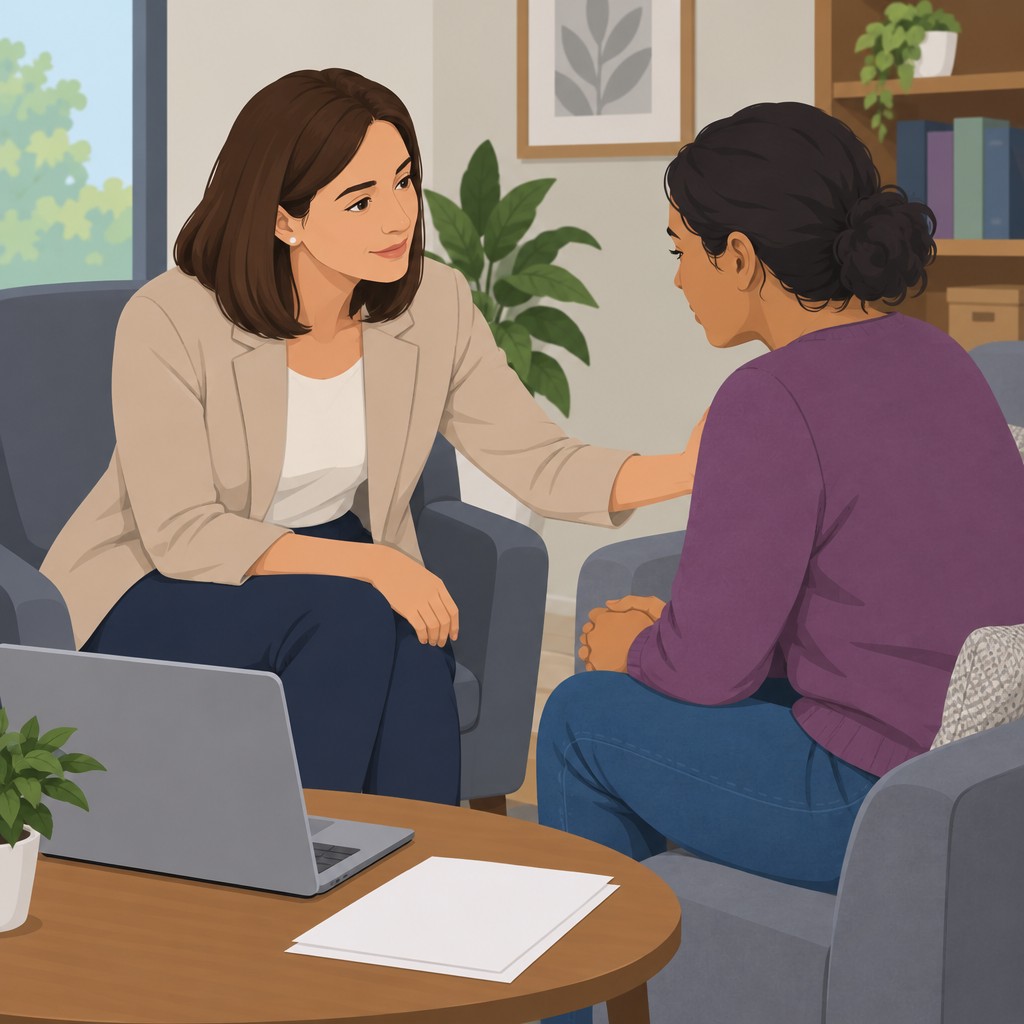
Certified counselors provide support, education, and guidance to domestic violence survivors.
They help clients navigate complex emotions connected to experiencing abuse.
Additionally, counselors guide clients through challenges related to domestic violence.
Value of Professional Certification
Certification demonstrates a counselor’s commitment to helping domestic violence survivors.
It also shows an understanding of the unique issues survivors face.
Furthermore, certification confirms that counselors have training to provide effective assistance.
Qualified counselors can use their knowledge and skills to support survivors more effectively.
Requirements for Domestic Violence Counselor Certification
Researching certification requirements helps prospective counselors plan their career path.
Certifying organizations may establish different criteria for domestic violence counselors.
Therefore, review each organization’s official guidelines before beginning the application process.
- Research requirements from relevant certifying organizations.
- Contact organizations directly when their guidelines require clarification.
- Review educational requirements for each available certification pathway.
- Identify required training in domestic violence intervention and prevention.
- Check whether trauma-informed care coursework forms part of certification requirements.
Most certification programs require education in psychology, social work, counseling, or a related field.
However, some organizations may accept relevant work experience instead of formal education.
Applicants should examine every available pathway before choosing an educational plan.
Specific training may address domestic violence intervention, prevention, advocacy, and trauma-informed care.
Applicants may need to complete required coursework or training modules before applying.
Understanding these educational and training criteria supports proper preparation for certification.
Educational Preparation for Domestic Violence Counseling
- Enroll in psychology, social work, or counseling.
- Study domestic violence and trauma counseling.
- Consider a master’s degree for advanced training and credentials.
Start with a degree program in psychology, social work, or counseling.
These programs build foundational knowledge for supporting people affected by domestic violence.
Also, study domestic violence and trauma counseling through focused courses.
These courses explain abuse dynamics, its effects, and appropriate counseling techniques.
Additionally, trauma-informed care helps counselors respond thoughtfully to people affected by abuse.
Consider a master’s degree for advanced counseling training and stronger professional credentials.
Graduate study can develop assessment skills, intervention strategies, and supervised clinical experience.
Therefore, combine formal education with continued professional development throughout this career.
See Related Content: Role of Peer Support in Substance Abuse Counseling
Gaining Experience in the Field
Hands-on experience helps aspiring counselors understand domestic violence services.
These opportunities provide practical insight into challenges faced by survivors.
Furthermore, practical work complements academic knowledge and supports professional development.
- Volunteer or intern at domestic violence shelters or organizations
- Seek opportunities to work with survivors of domestic violence
- Build practical experience that complements your education
Volunteering or Interning at Domestic Violence Organizations
Volunteering or interning at shelters provides valuable experience in domestic violence counseling.
This hands-on work offers insight into challenges faced by survivors.
Additionally, it shows how counseling can support survivors’ lives.
Working Directly with Survivors
Look for opportunities to work directly with survivors of domestic violence.
Support groups, hotlines, and outreach programs can provide relevant experience.
Moreover, relationships with survivors can develop empathy and understanding.
Building Practical Experience Alongside Education
Practical experience complements academic knowledge as you pursue certification.
This work may involve different populations and crisis situations.
It can also involve applying counseling techniques in real-world settings.
Transform Your Career Today
Unlock a personalized career strategy that drives real results. Get tailored advice and a roadmap designed just for you.
Start NowField experience strengthens your skills and knowledge.
It also demonstrates your commitment to helping survivors of domestic violence.
Furthermore, this preparation supports your certification and counseling career.
Delve into the Subject: Work Environment for Mental Health Technicians
Approved Training Programs for Domestic Violence Counseling
Finding the right training program is crucial for becoming a certified domestic violence counselor.
Certifying bodies approve programs that provide appropriate education and practical preparation.
Choose a program that addresses essential domestic violence counseling topics.
- Select programs approved by recognized certifying bodies.
- Confirm that the curriculum covers crisis intervention, counseling techniques, and legal issues.
- Complete all required coursework and hands-on training.
These topics help counselors provide comprehensive support to domestic violence survivors.
After selecting a program, remain committed to completing every requirement.
Programs may include lectures, workshops, seminars, and hands-on training exercises.
Active participation builds the skills and knowledge needed for effective counseling.
This preparation supports counselors as they assist and advocate for domestic violence survivors.
Explore Further: Promoting Accessibility: Disability Services Coordinators
Certification Exam Preparation
After completing training and gaining relevant experience, candidates can take the certification exam.
Passing the exam marks an important step toward becoming a certified domestic violence counselor.
Exam preparation helps candidates demonstrate knowledge and readiness for professional practice.
- Review training materials to refresh your knowledge about domestic violence.
- Study relevant books, articles, and research studies to deepen your understanding of domestic violence issues.
Exam Day and Results
Candidates register for the exam through the appropriate governing body or organization.
Self-care and stress-management techniques can support mental and emotional preparation.
Careful planning helps candidates arrive ready to complete the exam.
- Sign up for the certification exam through the appropriate governing body or organization.
- Practice self-care and stress-management techniques before the exam.
- Arrive early, well-rested, and prepared with all necessary materials.
- Read each question carefully and take time to consider your answers.
- Trust the knowledge and experience gained through training and practice.
- Review your answers after finishing if time allows, and make necessary changes.
- Wait patiently for the exam results without stressing over the outcome.
- Celebrate passing the exam, or use an unsuccessful attempt as a learning opportunity.
Official Certification Process
After passing, candidates apply for official certification through the governing body or organization.
They submit the documentation, fees, and information required to complete the process.
Approval provides official certification for professional work in this field.
- Apply for official certification after receiving confirmation of a passing exam result.
- Submit all required documentation, fees, and information to complete certification.
- Receive certification after the governing body or organization approves the application.
Passing the exam and obtaining certification demonstrate commitment and competence in domestic violence counseling.
This achievement supports work with survivors and efforts to address domestic violence in society.
Gain More Insights: How to Excel as a Crisis Intervention Specialist
Continuing Education and Training
- Stay current on best practices and new developments in domestic violence counseling.
- Attend workshops, conferences, and seminars to expand your knowledge and skills.
- Pursue additional certifications or specializations to enhance your professional credentials.
Continuing education and training remain essential for professionals in domestic violence counseling.
Staying current with research, techniques, and best practices supports high-quality care.
This ongoing learning strengthens counseling skills and professional development.
Current Best Practices
Professionals must stay current with best practices to maintain their counseling knowledge.
Reading professional journals can provide updated information about domestic violence counseling.
Additionally, webinars and online forums allow experts to share knowledge and insights.
Workshops, Conferences, and Seminars
Workshops, conferences, and seminars can expand knowledge and counseling skills.
These events provide opportunities to learn from leading experts.
They also support professional networking and provide insights into research and trends.
Additional Certifications and Specializations
Additional certifications or specializations can strengthen a domestic violence counselor’s professional credentials.
Advanced training may include trauma-informed care, child abuse prevention, or LGBTQ+ sensitivity.
These areas can help counselors serve diverse populations and address changing client needs.
Continuing education demonstrates commitment to professional growth and excellence in domestic violence counseling.
This investment benefits clients while supporting professional satisfaction and advancement.
Employment Opportunities in Domestic Violence Counseling
After completing training and obtaining certification, begin seeking employment as a domestic violence counselor.
Transform Your Career Today
Unlock a personalized career strategy that drives real results. Get tailored advice and a roadmap designed just for you.
Start NowThis process can help you find opportunities in a rewarding and challenging field.
Use several strategies to identify suitable positions and connect with potential employers.
- Look for openings at domestic violence shelters, community organizations, or counseling centers.
- Also, network with professionals and attend job fairs or career events.
- Then, apply for positions that match your qualifications and goals.
Following these steps can increase your chances of finding suitable employment.
Your work can make a positive impact in the lives of survivors.
After obtaining certification, counselors must maintain it and continue their education.
This effort keeps them informed and up to date in the field.
It also supports effective care and support for survivors.
Continuing Education Requirements
- Counselors must complete required education credits to maintain their certification.
- Workshops, seminars, and training sessions can strengthen their counseling skills and knowledge.
- Ongoing professional development helps counselors follow current practices and trends.
Current Laws and Regulations
- Counselors should monitor changes in laws and regulations related to domestic violence counseling.
- Legal updates help counselors comply with requirements that affect their practice.
- Consulting legal experts can clarify questions about current laws and regulations.
Professional Growth Opportunities
- Counselors can seek opportunities for growth and advancement in their field.
- Additional certifications or licenses can expand their knowledge and expertise.
- Networking with other professionals can reveal different counseling approaches and experiences.
Maintaining certification and continuing education helps counselors provide effective care and support.
Staying informed about laws, regulations, and practices helps counselors serve survivors effectively.
Professional growth also strengthens their ability to help people affected by domestic violence.
Supporting Survivors Through Professional Practice
Becoming a certified domestic violence counselor requires dedication, yet the work offers meaningful opportunities to support survivors.
Moreover, ongoing education and professional development help counselors follow current research and apply effective practices.
Prospective counselors can pursue certification to make a positive difference in survivors’ lives.
Through this preparation, counselors provide vital support and resources that promote healing, empowerment, and freedom from abuse.


