




Probation Officer Compliance Monitoring
Probation officers supervise offenders placed on probation within the criminal justice system.
They monitor compliance to support public safety and successful reintegration into society.
This supervision uses several methods and techniques.
Regular Check-Ins
Probation officers meet offenders at specified intervals.
During these check-ins, they discuss progress and address issues or concerns.
They also verify that offenders follow probation conditions.
Drug and Alcohol Testing
Officers may require drug and alcohol tests during supervision.
They can schedule tests or conduct them randomly.
These tests help verify whether offenders abstain from substance abuse.
Electronic Monitoring
In some cases, officers use electronic monitoring devices.
These devices track an offender’s whereabouts and activities.
Monitoring can help verify curfews and separation from prohibited areas or individuals.
Home Visits
Officers may visit an offender’s home during supervision.
They observe living conditions and verify the reported residence.
They also monitor behavior in a familiar environment.
These visits provide valuable insights into lifestyle and probation compliance.
Counseling and Treatment Referrals
Compliance includes addressing underlying substance abuse or mental health problems.
Officers may refer offenders to counseling or treatment programs.
These services can help offenders address obstacles and reduce reoffending risk.
Supporting Positive Behavior Change
Probation officers combine monitoring methods to support positive behavior change.
They help offenders remain accountable while addressing challenges during supervision.
These efforts can help offenders stay on track and complete their probation terms.
Definition of Probation and the Role of a Probation Officer
Probation is a court-ordered sentence that lets an offender remain in the community under supervision.
Instead of incarceration, it gives offenders an opportunity to reintegrate into society.
Probation officers help offenders complete their sentences and avoid future criminal behavior.
They assess each offender’s needs and risks before developing an individualized treatment plan.
They also provide resources that address issues connected to criminal behavior.
Responsibilities in Offender Supervision
Probation officers meet with offenders regularly to discuss progress and identify challenges.
They also verify important conditions related to treatment, employment, residence, and substance use.
Additionally, officers coordinate with organizations and agencies that support rehabilitation.
- They meet regularly with offenders to discuss progress and address concerns.
- They conduct drug tests and monitor court-ordered treatment programs.
- They verify employment and residence information when required.
- They collaborate with treatment providers and community organizations.
- They coordinate with other criminal justice agencies during rehabilitation efforts.
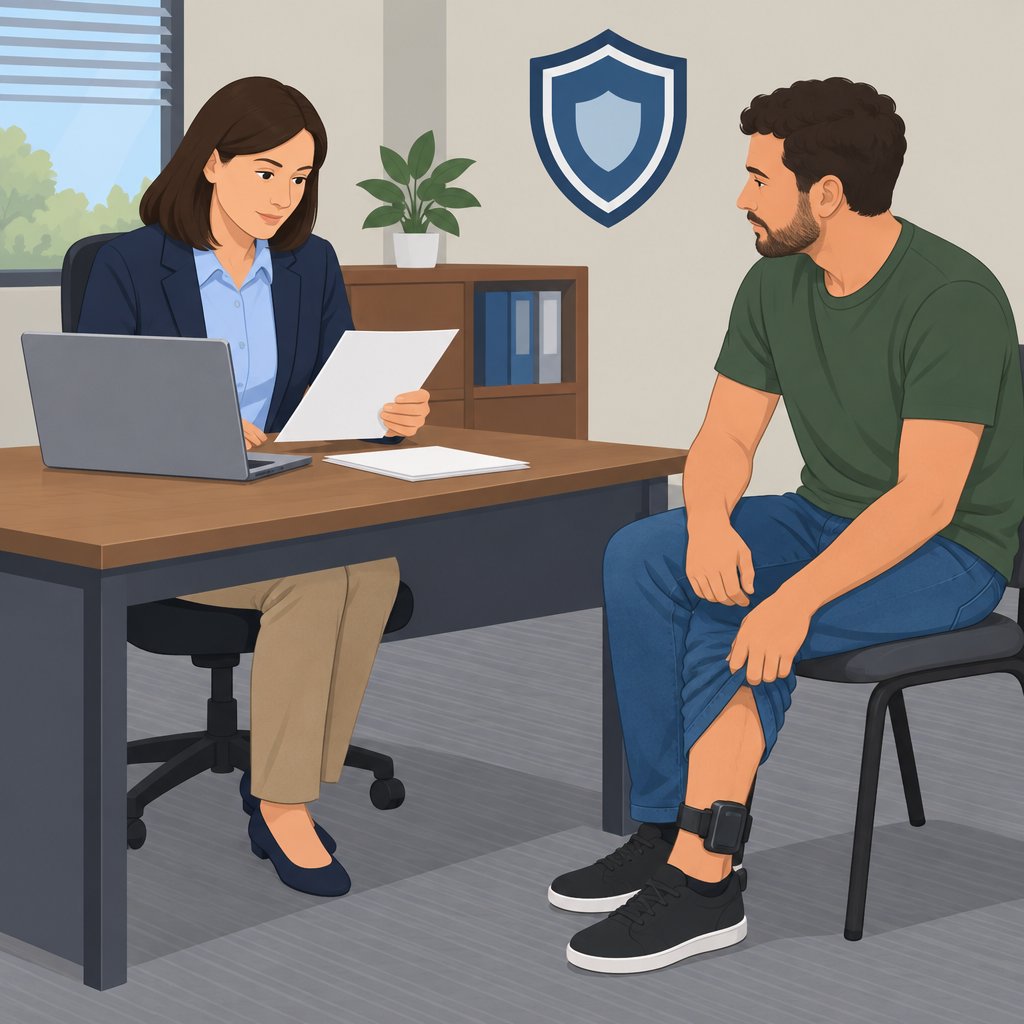
Probation, Rehabilitation, and Recidivism Reduction
Probation connects offenders with treatment, counseling, and support services.
These services can help offenders address the underlying causes of criminal behavior.
As a result, rehabilitation can reduce recidivism and discourage future offenses.
Probation also lets offenders remain in the community while receiving structured support.
This approach costs less than incarceration and can reduce pressure on the criminal justice system.
It can also help address prison overcrowding while supporting successful community reintegration.
Methods Used by Probation Officers to Monitor Offender Compliance
Probation officers use several methods to monitor compliance with court-ordered requirements.
These methods help officers identify progress, challenges, and possible violations during supervision.
They also support accountability while helping offenders follow their probation conditions.
- Regular check-ins with offenders
- Drug testing and substance abuse monitoring
- Monitoring court-mandated programs or treatment
- Home visits and workplace checks
- Technology-based monitoring
- Collaboration with treatment providers
- Rewards and sanctions
- Documentation of compliance and violations
- Professional training and development
- Collaboration with criminal justice agencies
- Continuous evaluation and improvement
Regular Check-Ins with Offenders
Probation officers schedule regular meetings with offenders to discuss their progress.
Transform Your Career Today
Unlock a personalized career strategy that drives real results. Get tailored advice and a roadmap designed just for you.
Start NowDuring these meetings, officers address challenges that could affect compliance.
These conversations help officers track behavior and review probation requirements.
Drug Testing and Substance Abuse Monitoring
Probation officers may require offenders to complete drug tests during supervision.
Testing helps officers identify illegal substance use or possible relapses.
When concerns arise, officers can intervene before the situation escalates.
Monitoring Court-Mandated Programs and Treatment
Courts may require offenders to participate in specific programs or treatment.
Probation officers monitor attendance, participation, and progress in those requirements.
This oversight helps officers determine whether offenders follow the court’s orders.
Home Visits and Workplace Checks
Probation officers may visit an offender’s home or workplace during supervision.
These checks help officers confirm the offender’s location and daily compliance.
They can also help officers identify possible involvement in illegal activities.
Technology-Based Monitoring
Probation officers use technology to monitor offenders’ whereabouts and activities.
Examples include GPS devices, phone check-ins, and electronic monitoring systems.
These tools give officers additional ways to track compliance with supervision conditions.
Collaboration with Treatment Providers
Probation officers work with treatment providers to monitor required services.
Providers can support offenders addressing substance abuse or mental health issues.
This collaboration helps officers identify concerns and coordinate appropriate support.
Rewards and Sanctions
Probation officers use rewards and sanctions to encourage compliance.
Offenders may receive reduced supervision or early termination for meeting requirements.
Violations may lead to increased supervision or additional requirements.
Documentation of Compliance and Violations
Probation officers maintain detailed records of compliance and violations.
These records help officers track progress and identify behavioral patterns.
They also support informed decisions about consequences for noncompliance.
Professional Training and Development
Probation officers receive ongoing training to strengthen their supervision skills.
Professional development provides knowledge and tools for managing caseloads effectively.
It also helps officers monitor compliance and maintain offender accountability.
Collaboration with Criminal Justice Agencies
Probation officers collaborate with law enforcement, courts, and correctional facilities.
These agencies share information and coordinate compliance monitoring efforts.
Such collaboration supports a coordinated approach to supervision and enforcement.
Continuous Evaluation and Improvement
Probation officers regularly evaluate their monitoring practices.
They seek feedback from supervisors, colleagues, and other stakeholders.
This process helps officers refine their strategies and improve compliance monitoring.
See Related Content: Collaborating with Teachers: School Social Worker Insights
Technology and Tools Used by Probation Officers
Probation officers use technology to monitor offender compliance more efficiently.
These tools provide information about offender activities, progress, and compliance.
Additionally, technology helps officers respond promptly when offenders violate probation terms.
- GPS tracking devices
- Electronic monitoring systems
- Online reporting systems for offenders
- Database systems for tracking offender progress and compliance
GPS Tracking Devices
Probation officers use GPS tracking devices to monitor offender movements.
Offenders wear these devices while officers receive real-time location information.
As a result, officers can check whether offenders avoid restricted areas or individuals.
This information helps officers assess compliance with probation requirements.
Transform Your Career Today
Unlock a personalized career strategy that drives real results. Get tailored advice and a roadmap designed just for you.
Start NowElectronic Monitoring Systems
Electronic monitoring systems help probation officers track compliance with probation conditions.
Some systems monitor alcohol consumption, drug use, and curfew adherence.
These systems send alerts when offenders violate specified probation terms.
Consequently, officers can take appropriate action after receiving violation alerts.
Online Reporting Systems for Offenders
Probation officers may require offenders to report activities through online systems.
Offenders can use these systems to complete regular check-ins.
They can also submit drug test results and communicate with probation officers.
Therefore, officers can review offender progress without requiring every meeting in person.
Database Systems for Tracking Progress and Compliance
Database systems help probation officers maintain accurate offender records.
These systems store court orders, probation terms, and offender history.
Officers can track compliance over time and identify behavioral patterns.
Furthermore, organized records help officers make informed supervision decisions.
Technology gives probation officers useful information for supervising offenders.
GPS devices, monitoring systems, reporting platforms, and databases provide different forms of oversight.
Together, these tools help officers support rehabilitation while holding offenders accountable.
Learn More: Public Health Social Work: Educational Requirements
Challenges in Monitoring Compliance
Probation officers monitor court-ordered conditions while supporting offender rehabilitation and community safety.
However, several challenges can limit their ability to provide consistent and effective supervision.
These challenges require officers to balance accountability, support, and practical supervision demands.
Limited Resources and Heavy Caseloads
Probation officers often manage large caseloads with limited resources.
Consequently, officers may struggle to monitor every offender consistently.
These pressures can create supervision gaps and reduce opportunities for timely support or intervention.
Balancing Enforcement and Rehabilitation
Officers must enforce court-ordered conditions while helping offenders pursue rehabilitation.
This responsibility requires officers to hold offenders accountable for violations.
At the same time, they must encourage positive changes and successful reintegration.
Responding to Resistant Offenders
Some offenders resist supervision or refuse to follow their probation conditions.
Therefore, probation officers must manage difficult interactions while maintaining effective oversight.
Officers may use motivational interviewing, incentives, and sanctions to encourage compliance.
Addressing Mental Health and Substance Abuse
Many offenders face mental health or substance abuse issues during probation.
These challenges can affect their ability to follow court-ordered conditions.
Probation officers need suitable training and resources to connect offenders with treatment and support services.
Supporting Accountability and Community Safety
Despite these obstacles, probation officers work to promote public safety and offender rehabilitation.
Their efforts also support accountability and reintegration within the criminal justice system.
Addressing supervision challenges can help officers improve outcomes for offenders and the communities they serve.
See Related Content: Understanding the Impact of Domestic Violence on Children
Strategies for Improving Offender Compliance
- Establishing clear expectations and consequences
- Providing support and resources for offenders
- Collaborating with other agencies and community resources
- Developing individualized supervision plans based on risk and needs assessments
Probation officers play a crucial role in monitoring compliance with court-ordered conditions.
They can improve compliance by combining clear guidance, practical support, collaboration, and individualized supervision.
These strategies address offender needs while supporting rehabilitation and community reintegration.
Clear Expectations and Consequences
Probation officers should clearly explain every expectation and consequence to each offender.
Setting clear guidelines from the beginning helps offenders understand their responsibilities.
Transform Your Career Today
Unlock a personalized career strategy that drives real results. Get tailored advice and a roadmap designed just for you.
Start NowAdditionally, explaining potential consequences can encourage offenders to meet their court-ordered conditions.
Support and Community Resources
Probation officers can connect offenders with services that address barriers to compliance.
These services may include substance abuse treatment, mental health counseling, job training, and housing assistance.
By addressing underlying issues, officers can help offenders complete probation successfully.
Agency and Community Collaboration
Probation officers should coordinate with agencies and community resources that support offender progress.
For example, treatment centers, mental health clinics, and employment agencies can provide specialized assistance.
This collaboration creates a broader support system for offenders during supervision.
Individualized Supervision Plans
Probation officers should conduct thorough risk and needs assessments for every offender.
They can use assessment results to develop supervision plans suited to individual circumstances.
Tailored supervision helps officers address factors that may contribute to non-compliance.
Using these strategies can improve compliance and support successful rehabilitation within the community.
Gain More Insights: Role of Residential Counselors in Crisis Intervention
Success Stories and Outcomes of Effective Monitoring
Probation officers monitor compliance and verify that offenders follow probation terms.
Effective monitoring can improve outcomes for offenders and communities.
Officers combine accountability with support to encourage rehabilitation and safer reintegration.
- Reduction in recidivism rates among supervised offenders
- Improved community safety and offender rehabilitation
- Case studies of probation officers making positive impacts on offenders’ lives
- Ongoing supervision and support for long-term success
Lower Recidivism Among Supervised Offenders
Close supervision helps officers identify behavior changes before reoffending occurs.
Early intervention gives offenders opportunities to address problems and make positive choices.
Support, guidance, and resources can help supervised offenders avoid further offenses.
Community Safety and Offender Rehabilitation
Accountability helps offenders follow probation conditions and supports community safety.
Officers can connect offenders with counseling, therapy, and rehabilitative services.
These services support rehabilitation and reintegration into society.
Positive Changes in Offenders’ Lives
Probation officers have helped offenders pursue stable employment and educational programs.
They have also helped offenders address substance abuse issues.
By building trust and rapport, officers can encourage better decisions and constructive life changes.
Ongoing Support for Long-Term Progress
Long-term progress requires supervision and support throughout the probation period.
Officers provide continued guidance, referrals, resources, and encouragement.
This assistance helps offenders manage challenges while pursuing rehabilitation goals.
Effective monitoring can benefit offenders, communities, and the criminal justice system.
Ethical Considerations in Probation Compliance Monitoring
Probation officers must follow ethical standards when they monitor offender compliance.
These standards promote fairness, integrity, accountability, rehabilitation, and successful reentry.
Ethical supervision also supports safer communities and a more just criminal justice system.
- Uphold offender confidentiality and privacy rights.
- Avoid bias and discriminatory practices.
- Maintain professional boundaries with offenders.
- Balance accountability with rehabilitation and successful reentry.
First, officers must protect the confidentiality and privacy rights of offenders.
They access sensitive information, including criminal histories, personal details, and rehabilitation progress.
Therefore, officers should share this information only when their duties require it.
Moreover, officers must monitor compliance without bias or discriminatory practices.
They should treat every offender fairly, regardless of background, race, gender, or other characteristics.
Impartial assessments help officers provide consistent and unbiased supervision.
Officers must also maintain clear professional boundaries with the people they supervise.
These boundaries support relationships based on respect, professionalism, and accountability.
Clear expectations can create a supportive environment for rehabilitation and reentry.
Transform Your Career Today
Unlock a personalized career strategy that drives real results. Get tailored advice and a roadmap designed just for you.
Start NowFinally, officers must balance enforcement with support for positive change.
They enforce probation conditions while helping offenders address challenges and pursue successful reentry.
This balance encourages compliance without losing sight of rehabilitation.
By applying these principles, officers can perform their duties fairly, ethically, and effectively.
Probation Officers and Offender Accountability
Probation officers monitor whether offenders follow the conditions of their probation.
They use regular check-ins to review progress and address emerging concerns.
During these meetings, officers discuss compliance and identify issues requiring attention.
Additionally, home visits help officers assess living conditions and observe offender behavior.
Electronic monitoring devices, including ankle bracelets, track offender movements.
These devices also help ensure that offenders remain within designated areas.
Meanwhile, random drug tests help officers identify substance abuse violations.
Each monitoring method provides information about an offender’s compliance.
Probation officers also work with offenders to encourage success and prevent reoffending.
Through supervision, officers hold offenders accountable while supporting rehabilitation.
This work strengthens public safety within the criminal justice system.
Effective supervision therefore combines compliance monitoring with guidance for offenders.
Additional Resources
Bing search results for How Probation Officers Monitor Offender Compliance Social and Human Services


